When Can You Put Painters Tape On Fresh Paint?
You can usually put painter’s tape on fresh paint after it has dried to the touch, which typically takes about 1–2 hours, but waiting at least 24 hours is safest to prevent peeling or damage. Dry time depends on the paint type, humidity, and temperature, with latex paints drying faster than oil-based ones. For best results, use delicate-surface painter’s tape and remove it slowly at a 45-degree angle once painting is complete.
Wait at least 24 hours; many paints need 48–72 hours before taping.
If you’ve asked yourself when can you put painters tape on fresh paint, you’re in the right place. I’ve spent years painting homes, trim, and cabinets, and I’ll walk you through exactly how long to wait, what affects dry and cure times, which tapes to use, and the cleanest way to tape without lifting your fresh finish.

Understanding dry time vs. cure time
Fresh paint goes through stages. It gets dry to the touch, then it cures as solvents evaporate and the film hardens. Dry to the touch isn’t enough for tape. You want the paint strong enough to resist pressure and removal.
- Dry to touch: Surface feels dry but can still be soft underneath.
- Recoat time: Safe for another coat, not for tape.
- Cure time: Paint has reached enough hardness for taping and light use.
The real answer to when can you put painters tape on fresh paint depends on cure progress. If the paint still smells strong or feels cool and tacky, it’s not ready. When in doubt, wait longer or test a small hidden area first.
Recommended wait times by paint type
Different paints harden at different speeds. Manufacturers list dry and cure times on the label or data sheet. Here’s a practical guide I use on real jobs.
- Water-based latex or acrylic wall paint: 24–48 hours minimum; 48–72 hours is safer before taping.
- High-build or deep-color latex: 48–72 hours; deeper colors hold solvents longer.
- Trim enamels (waterborne): 48–72 hours; many hit safe hardness around day 2 or 3.
- Oil-based/alkyd paints: 24–48 hours for light taping; often benefit from 72 hours.
- Specialty cabinet enamels: 72 hours for safe taping; full cure can take a week or more.
If you’re trying to decide when can you put painters tape on fresh paint for delicate finishes like satin trim or cabinets, lean toward the longer end. A day saved now can cost you hours of repairs.
Environmental factors that change the clock
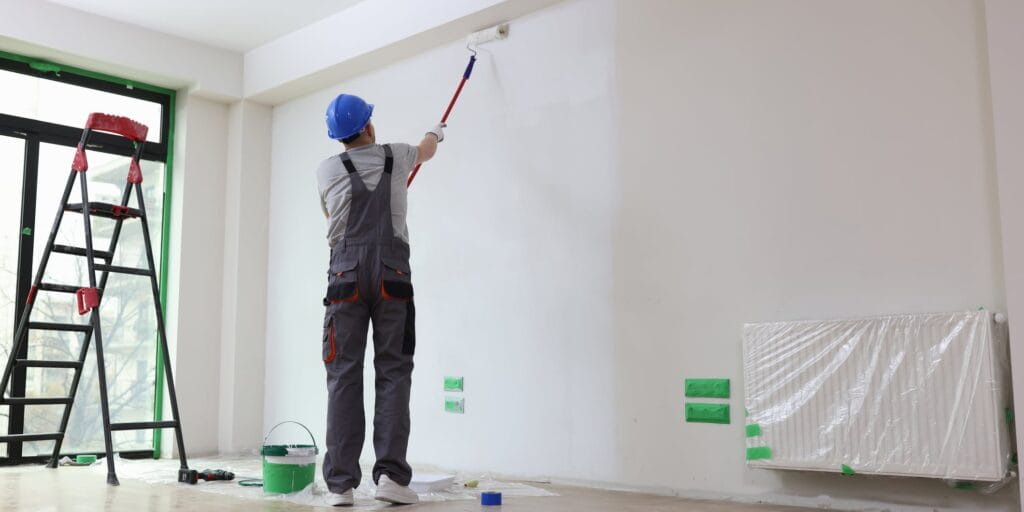
Room conditions can add or subtract a full day. Think of paint like bread dough: it rises faster in warmth and dries slower in damp, cold air.
- Temperature: Ideal is 65–80°F. Below 60°F, extend wait times.
- Humidity: Above 60% slows drying; at 80%+, double your wait.
- Airflow: Gentle airflow helps solvent release; avoid dusty fans blasting the wall.
- Thickness: Heavy coats take longer; two thin coats cure faster than one thick coat.
If you are asking when can you put painters tape on fresh paint during a rainy week or in a damp basement, plan to wait at least 72 hours.
Choose the right painter’s tape
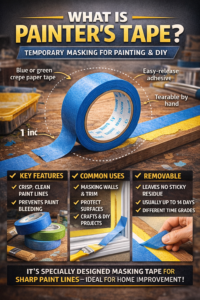
Not all painter’s tapes are equal. Use low-tack options on fresh paint to lower risk.
- Delicate-surface/low-tack tape (often purple or low-adhesion blue): Best for paint under 7 days old.
- Standard blue tape: Good for cured walls; safer after 72 hours or more.
- Green medium-adhesion: Use only on fully cured, hard surfaces.
- Release window: Some tapes are rated for 7–60 days; check the label.
Match the tape to the age of the paint. When deciding when can you put painters tape on fresh paint, delicate tape is your friend.
Step-by-step: How to tape fresh paint safely
Follow this process to protect your new finish.
- Check readiness
- Lightly press a fingernail in a hidden spot. If it dents or feels rubbery, wait longer.
- If asking when can you put painters tape on fresh paint, this test prevents a headache.
- Clean the surface
- Dust and lint weaken adhesion and cause bleed. Wipe with a dry microfiber cloth.
- Use low-tack tape
- Start with delicate-surface tape. Use 12–24 inch strips to reduce tension.
- Apply with gentle pressure
- Lay tape lightly, then press the edge with a clean putty knife or plastic card. Don’t mash the whole strip.
- Seal the edge if needed
- For sharp lines, run a very light pass of the background color along the tape edge and let it dry, then paint the new color.
- Remove at the right time
- Score the edge with a sharp utility knife as the paint becomes dry to the touch.
- Pull the tape back on itself at a 45–60° angle, slow and steady.
Special cases and pro tips
From years on ladders and drop cloths, these cases pop up often.
- Accent walls and stripes: Wait 48–72 hours; use delicate tape and press only the edge line.
- Freshly painted trim next to walls: Tape the cured surface, not the soft one. Often I paint trim first, wait 2–3 days, then tape the trim to cut the wall.
- Cabinets and doors: These cure slowly. I schedule taping for day 3 or 4.
- Exteriors: Weather rules. Wind, dust, sun, and dew change timing. After rain or heavy dew, wait until the surface is bone dry.
- Sensitive finishes: Eggshell and satin mark easier than flat. Go low-tack and wait longer.
If your timeline hinges on when can you put painters tape on fresh paint for a weekend project, plan the order of operations so you’re not taping onto soft paint at all.

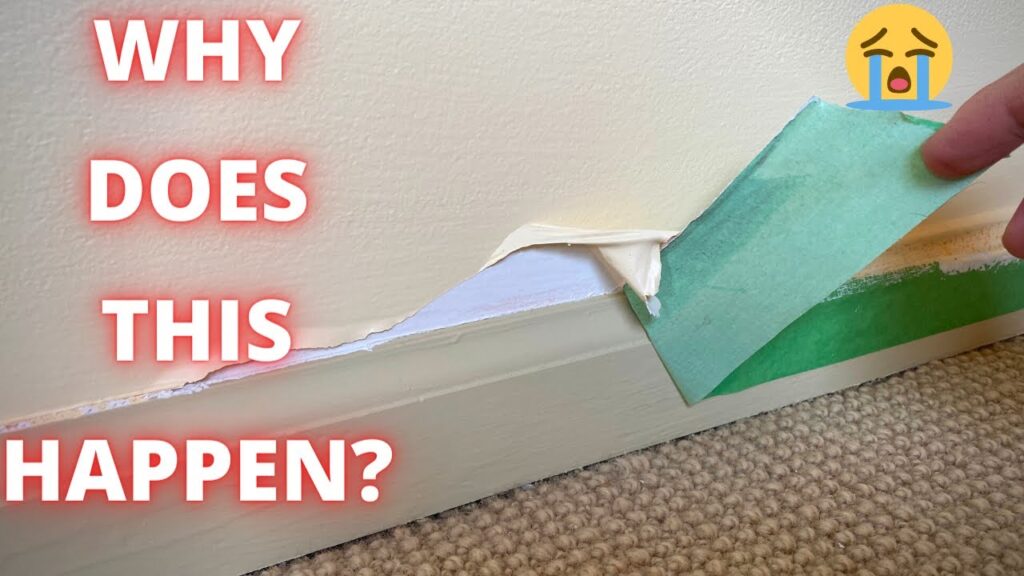
Troubleshooting: If the tape pulls paint
Even with care, it happens. Here’s what I do on site.
- Stop and score: Don’t yank. Score the tape edge with a sharp blade and pull slower.
- Warm it up: A quick pass with a hair dryer softens adhesive for a cleaner release.
- Repair pulled spots: Lightly sand the tear, feather edges, spot-prime, and touch up.
- Switch tape: If it lifted once, switch to delicate tape and wait more time.
- Rethink timing: If you’re still wondering when can you put painters tape on fresh paint after a lift, the answer is “later.” Give it another 24–48 hours.

Planning your project timeline
A little planning avoids tape drama.
- Day 1: Paint walls or trim; keep coats thin.
- Day 2: Let paint rest with gentle airflow.
- Day 3: Test a small spot. If firm, apply delicate tape. If soft, wait.
- Day 3–4: Cut in or roll the next color; remove tape at a low angle and score if needed.
Building your plan around when can you put painters tape on fresh paint saves time, touch-ups, and stress.
Frequently Asked Questions of when can you put painters tape on fresh paint
How long should I wait before taping over latex wall paint?
At least 24 hours, but 48–72 hours is safer for clean removal. High humidity or thick coats may push this to 72 hours or more.
Can I use standard blue tape on fresh paint?
Yes, but only after 48–72 hours and with light pressure. For best results on fresh paint, use a delicate-surface tape.
What if I’m on a tight deadline?
Use a fast-drying paint, thin coats, and a dehumidifier or gentle airflow. Still, when can you put painters tape on fresh paint under pressure? Often after 48 hours minimum.
How do I know the paint is ready for tape?
Do a fingernail test and a hidden tape test. If the paint dents or the tape lifts color, wait another day.
Should tape be removed when paint is wet or dry?
Remove while the topcoat is just dry to the touch or soon after drying. Score the edge first and pull at a low angle for a crisp line.
Is it safe to tape over oil-based trim paint?
Wait 48–72 hours for better hardness, especially in cool rooms. Use delicate tape and score upon removal.
Does sheen affect timing?
Yes. Satin, semi-gloss, and gloss can feel dry but stay soft longer. Extend your wait by a day compared to flat finishes.
Conclusion
You now have a clear roadmap for safe, clean taping. Stick to thin coats, mind the room conditions, and wait until the paint has real strength—usually 48–72 hours. Test before you commit, use delicate tape, and remove it with care.
Ready to put this into action? Plan your next paint session with a smart timeline, and you’ll get crisp lines without touch-ups. Want more pro tips? Subscribe for updates or drop a question in the comments—I’m here to help.