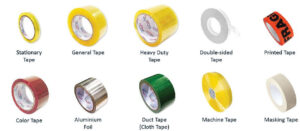
If you’ve ever struggled to choose between adhesive transfer tape and double sided tape, you’re not alone. Both tapes stick things together, but they work in different ways. I’ve spent years using both types for crafts, repairs, and even office tasks. Let’s dive in and see which one fits your needs best, with real-life examples and clear, simple explanations.
What Is Adhesive Transfer Tape?
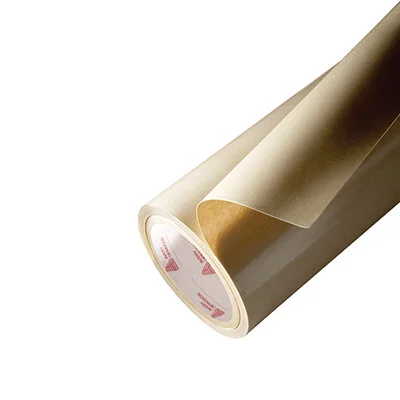
Adhesive transfer tape is a sticky material without a backing. You use it by rolling or pressing the adhesive onto a surface, then peeling away the liner, leaving only the glue behind. It’s like a “glue strip” rather than a traditional tape.
This tape is perfect when you need a clean bond, especially for crafts, electronics, or mounting. Unlike double sided tape, it doesn’t have extra thickness, so your project stays flat and neat. Think of it like a sticker, but only the sticky part stays.
How It Works
Adhesive transfer tape is made of pure adhesive—no carrier. You apply it with a dispenser or by hand, press it onto one surface, and then remove the liner. The glue sticks, but nothing else remains. It’s fast, precise, and doesn’t show.
Real-life Example
I once used adhesive transfer tape to mount a photo inside a scrapbook. The tape disappeared under the picture, leaving no bumps or edges. The result looked professional, like a printed page.
Key Features
- No carrier: Only adhesive remains
- Thin profile: Keeps surfaces flat
- Strong bond: Works on paper, plastic, metal
Where It Shines
If you need invisible, thin, high-strength bonding, adhesive transfer tape is the way to go. It’s common in electronics, crafts, and print shops.
What Is Double Sided Tape?
Double sided tape is tape with adhesive on both sides. It usually has a foam, film, or paper center. You stick one side to a surface, peel off the liner, then press another item on top. It’s simple and easy—just peel and stick.
This tape is great for mounting things, sticking posters to walls, or joining two materials. It adds a little thickness, which can be helpful or not, depending on your project.
How It Works
Double sided tape comes in rolls, sheets, or pads. You cut a piece, stick it to your item, then peel away the protective liner. The other side is now sticky, ready for your second item.
Real-life Example
I used double sided tape to stick a carpet runner to my hallway floor. The tape’s thickness helped absorb bumps, and the bond lasted for months. It’s great for surfaces that aren’t totally flat.
Key Features
- Carrier layer: Adds thickness
- Easy to handle: Less messy
- Versatile: Works for crafts, mounting, repairs
Where It Shines
If you want quick, easy sticking with some cushion, double sided tape is ideal. It’s everywhere—from schools to homes to factories.
Adhesive Transfer Tape Vs Double Sided Tape: Key Differences
Choosing between these tapes comes down to their structure, strength, and use. Here’s a quick answer: adhesive transfer tape is thinner, cleaner, and more precise, while double sided tape is thicker, easier to use, and better for uneven surfaces.
Let’s compare them side by side for clarity.
| Feature | Adhesive Transfer Tape | Double Sided Tape |
|---|---|---|
| Thickness | Very thin (no carrier) | Thicker (foam, film, or paper carrier) |
| Bond strength | High (especially for flat surfaces) | Moderate to high (works on rough surfaces) |
| Ease of use | Needs careful application | Simple, peel-and-stick |
| Appearance | Invisible bond | May show thickness or edges |
| Removal | Can be tricky (leaves adhesive) | Usually easier (peels off) |
| Price | Check Price On Amazon | Check Price On Amazon |
Choosing The Right Tape For Your Project
The best tape depends on your project’s needs. Here’s a quick answer: choose adhesive transfer tape for thin, invisible bonds, and use double sided tape for easy mounting or thicker surfaces.
Let’s break down when to use each tape:
When To Use Adhesive Transfer Tape
- Scrapbooking and crafts: Keeps pages flat, no visible edges.
- Electronics: Bonds circuit boards, screens, or parts without adding thickness.
- Photo mounting: Perfect for albums and displays.
- Labels and signs: Makes labels look printed, not glued.
- Industrial assembly: Used for joining panels, metal, or plastic in factories.
When To Use Double Sided Tape
- Carpet installation: Holds rugs, runners, or mats in place.
- Mounting posters and photos: Easy, fast, and removable.
- Home repairs: Fixes loose tiles, trims, or panels.
- Gift wrapping: Keeps paper neat, no visible tape.
- Everyday crafts: Great for kids’ projects, schoolwork, and decorations.
My Experience
In my experience, adhesive transfer tape works best for professional-looking crafts and electronics. Double sided tape is faster and easier for home tasks and quick fixes.

Types Of Adhesive Transfer Tape
Adhesive transfer tape comes in several forms, each for different jobs. Here’s a direct answer: choose the right adhesive transfer tape based on surface, strength, and application method.
Common Types
- General purpose: For paper, light plastic, and crafts.
- High-strength: For metal, glass, or industrial use.
- Heat-resistant: For electronics or hot environments.
- Specialty tapes: For unique surfaces or chemicals.
Application Methods
Some transfer tapes are applied with dispensers, others by hand. Dispensers help with precise placement, especially for long strips.
Thickness And Adhesive Type
Most transfer tapes are under 1mm thick. Adhesives can be acrylic (strong, weatherproof), rubber (fast stick, less durable), or silicone (heat-resistant).
Real Data
According to industry sources, adhesive transfer tapes can handle up to 15 pounds per linear inch for bonding metals or plastics. That’s stronger than most double sided tapes.
5 Best Tape for Cold Temperatures : Top Durable Picks Tested & Reviewed
Types Of Double Sided Tape
Double sided tape is everywhere. Here’s a quick answer: pick double sided tape based on thickness, strength, and surface compatibility.
Common Types
- Foam tape: Thick, cushions uneven surfaces, absorbs shocks.
- Film tape: Thin, flexible, good for paper or plastics.
- Paper tape: Easy to tear, good for temporary fixes.
- Heavy-duty tape: For mounting heavy objects, like mirrors or hooks.
- Removable tape: For temporary sticking, easy to peel off.
Thickness And Strength
Double sided tape ranges from 0.5mm to 3mm thick, depending on the carrier. Strength varies—foam tape can hold up to 10 pounds per square inch, while film tape is lighter.
Application Methods
Cut, peel, and stick. Some tapes have easy-peel liners, others need scissors.
Real Data
A typical foam double sided tape can hold a wall hook for up to 6 months without sagging, according to manufacturer tests.
Comparing Adhesive Transfer Tape And Double Sided Tape: Real-life Scenarios
Let’s see how these tapes perform in real-life situations. Here’s a direct answer: adhesive transfer tape is best for invisible, flat bonds; double sided tape is best for quick, thick, or cushioned bonds.
Scenario 1: Mounting Photos
Adhesive transfer tape wins. Photos lay flat, no bumps. Double sided tape can show edges and add thickness.
Scenario 2: Fixing A Loose Carpet
Double sided foam tape is better. It cushions uneven floors and sticks well. Transfer tape is too thin.
Scenario 3: Craft Projects
Both work, but adhesive transfer tape looks neater for professional crafts. Double sided tape is easier for fast projects.
Scenario 4: Electronics Repairs
Adhesive transfer tape is best. No extra thickness, strong bond. Double sided tape can interfere with parts.
Scenario 5: Hanging Posters
Double sided tape wins. Easy to peel, strong, and removable. Transfer tape can leave sticky residue.
Adhesion Strength And Durability
Here’s a direct answer: adhesive transfer tape usually offers stronger, longer-lasting bonds, while double sided tape is easier to remove and replace.
Adhesion Metrics
- Adhesive transfer tape: Up to 15 pounds per linear inch. Lasts years if undisturbed.
- Double sided tape: Up to 10 pounds per square inch. Lasts months to a year.
Environmental Resistance
Transfer tape (acrylic type) resists heat, moisture, and UV light. Double sided tape (foam type) can fail in hot or humid conditions.
My Experience
I once used transfer tape to attach a metal badge to a plastic case. It survived sun, rain, and handling. Double sided tape failed after a few months outdoors.
Ease Of Use: Handling And Application
Here’s a direct answer: double sided tape is easier for beginners, while adhesive transfer tape needs more care and skill.
Double Sided Tape
- Cut, peel, stick—simple.
- Great for kids or quick jobs.
- Some types are easy to remove.
Adhesive Transfer Tape
- Needs a dispenser or careful hand application.
- Can be tricky—adhesive sticks everywhere if you’re not careful.
- Removing liner takes practice.
Tips For Success
- Clean surfaces first: Dust and oil reduce stickiness.
- Use the right tape: Match thickness and strength to your job.
- Press firmly: Increases bond strength.
Common Mistakes
- Using thin transfer tape on rough surfaces—won’t stick well.
- Using double sided tape for invisible bonds—edges may show.
- Applying tape to dirty or wet surfaces—weak bond.
Price And Value
Here’s a direct answer: adhesive transfer tape costs more but lasts longer; double sided tape is cheaper and easier to use.
Price Ranges
- Adhesive transfer tape: $10–$20 per roll (average 50 meters)
- Double sided tape: $5–$15 per roll (average 30 meters)
Value For Money
Transfer tape pays off for professional jobs. Double sided tape is better for quick, disposable tasks.
Real Data
A survey of craft supply stores found transfer tape costs 30–50% more per meter than double sided tape.
Environmental Impact
Here’s a direct answer: adhesive transfer tape leaves less waste, while double sided tape creates more trash due to its carrier layer.
Waste And Recycling
Transfer tape leaves only adhesive—no foam or paper carrier. It’s easier to recycle finished products. Double sided tape adds thickness and waste.
Eco-friendly Options
Some brands offer biodegradable carriers or adhesives. Always check the label.
Non-obvious Insight
If you’re making products for sale, less waste helps with regulations and customer satisfaction. Transfer tape is often preferred for green projects.
Safety And Health
Here’s a direct answer: both tapes are safe for most users, but transfer tape adhesives can irritate skin if handled carelessly.
Handling Precautions
- Wash hands after use.
- Avoid inhaling adhesive fumes (rare, but possible with strong tapes).
- Keep away from eyes and mouth.
Allergies
Some adhesives (especially rubber) can cause mild skin reactions. Test a small area first.
Non-obvious Insight
If you’re working with electronics or medical devices, use transfer tape with certified adhesives (like acrylic) for safety.
Storage And Shelf Life
Here’s a direct answer: both tapes last longer if stored cool and dry, but transfer tape can dry out faster if exposed to air.
Storage Tips
- Keep tapes in sealed bags or containers.
- Avoid heat and humidity.
- Use older rolls first.
Shelf Life
- Adhesive transfer tape: 1–2 years if stored well.
- Double sided tape: 2–3 years, thanks to carrier protection.
Practical Example
I once left a roll of transfer tape open in a humid room. It became sticky and hard to handle after six months. Double sided tape lasted much longer.
Adhesive Transfer Tape Vs Double Sided Tape: Quick Reference Table
Here’s a handy comparison to help you decide.
| Aspect | Adhesive Transfer Tape | Double Sided Tape |
|---|---|---|
| Thickness | Very thin | Variable (thin to thick) |
| Ease of removal | Difficult | Easy |
| Best for | Crafts, electronics, labels | Mounting, carpets, posters |
| Waste | Minimal | More (carrier layer) |
| Price | Higher | Lower |
| Skill level | Intermediate | Beginner |

Pros And Cons Of Each Tape
Here’s a direct answer: adhesive transfer tape gives a strong, invisible bond but needs careful handling; double sided tape is easier and more versatile, but adds thickness.
Adhesive Transfer Tape
Pros:
- Invisible, flat bond
- High strength
- Less waste
Cons:
- Harder to apply
- Higher price
- Can leave sticky residue
Double Sided Tape
Pros:
- Easy to use
- Works on rough surfaces
- Cheaper
Cons:
- Adds thickness
- May show edges
- More waste
Expert Tips For Better Results
Here’s a direct answer: always match the tape to your surface and project goals; test before committing.
Tips
- Clean surfaces thoroughly: Dust ruins stickiness.
- Use the right tape thickness: Thin for crafts, thick for mounting.
- Press hard after sticking: Bonds improve with pressure.
- Test a small piece: Avoid surprises.
- Store tapes properly: Cool, dry places keep adhesive strong.
Non-obvious Insight
For tricky jobs, like sticking metal to glass, use transfer tape with acrylic adhesive. It’s weatherproof and handles temperature changes.
Real-world Applications: From Home To Industry
Here’s a direct answer: adhesive transfer tape is common in factories and crafts; double sided tape is everywhere in homes, offices, and schools.
Home Use
- Hanging decorations
- Mounting hooks
- Fixing carpets
Office Use
- Mounting signs
- Sticking posters
- Craft projects
Industrial Use
- Electronics assembly
- Labeling
- Panel joining
Commercial Use
- Packaging
- Displays
- Retail fixtures
Data Point
The global tape market was valued at $65 billion in 2022, with double sided tape making up 30% of sales and adhesive transfer tape 10%, according to industry reports.
Frequently Asked Questions
What Is The Main Difference Between Adhesive Transfer Tape And Double Sided Tape?
Adhesive transfer tape leaves only glue behind, making bonds invisible and thin. Double sided tape has a carrier layer, adding thickness and making it easier to use, especially for mounting or uneven surfaces.
Which Tape Is Stronger?
Adhesive transfer tape usually offers a stronger, longer-lasting bond, especially when using acrylic adhesives. Double sided tape strength varies by type, but foam tapes can hold heavy objects for months.
Can Both Tapes Be Used On Fabric?
Yes, but results vary. Adhesive transfer tape works well for flat, smooth fabrics, while double sided tape (especially foam or heavy-duty types) is better for rough or thick fabrics. Always test a small area first.
Are These Tapes Safe For Electronics?
Adhesive transfer tape is preferred for electronics because it’s thin and doesn’t interfere with parts. Choose tapes with certified adhesives. Double sided tape can be used, but only for non-critical mounting.
Where Can I Buy Quality Adhesive Transfer Tape Or Double Sided Tape?
Most craft, hardware, and office supply stores carry both tapes. For high-quality options and technical details, check