You reach for duct tape when things go sideways. A hose splits. A cooler drips. A tent seam gives up in the rain. Duct tape feels like a magic tool in a gray roll. It fixes almost anything in a pinch. But there’s one big, wet question that keeps coming up: is duct tape waterproof?
Here’s the honest truth. Duct tape fights water for a short while. It does not beat water for long. The outer layer sheds drops at first. The sticky side clings fast to many things. Yet time, heat, and water win the battle. If you need a strong, lasting seal against water, duct tape is not your best bet.
Still, duct tape can help in real life. It buys time. It gets you through a day or a night. It can help you limp to a better fix. That alone can be worth a lot. The trick is to know what it can do, and what it can’t. That’s how you choose well and avoid a soggy mess later.
In this guide, we’ll dig into what duct tape is made of, how it handles water, how long it lasts, where it shines, and where it fails. We’ll also compare it with true waterproof tapes and share smart tips that can stretch its limits. By the end, you’ll know when to roll with duct tape, and when to reach for something built for water.
Source: gaffatape.com
Is duct tape waterproof or just water-resistant?
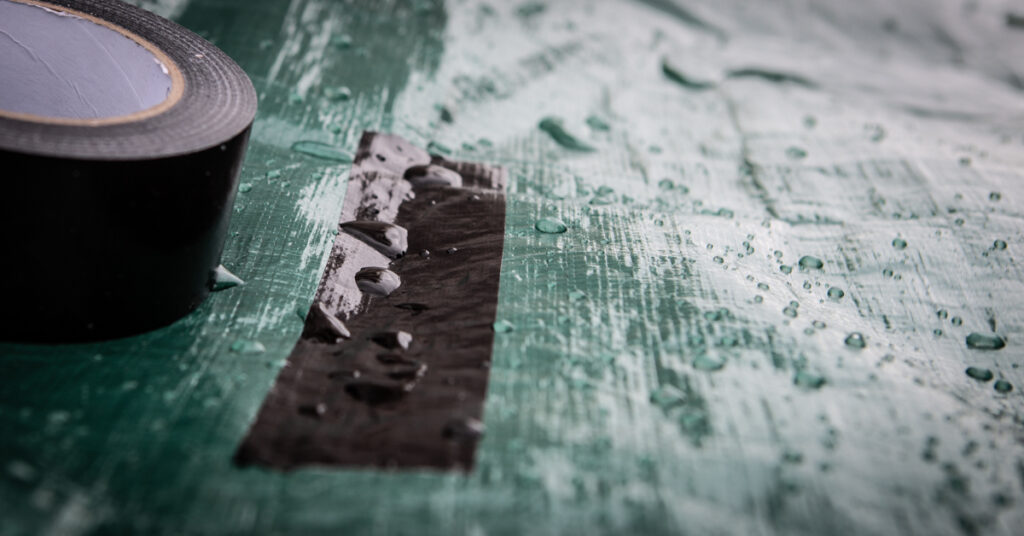
Duct tape is not truly waterproof. It is water-resistant at best. That means it can shrug off light rain, a splash, or a short burst of damp air. It can hold for a quick fix, like patching a hose on a busy weekend. But when water sits, flows, or presses, the seal fades. The outer layer blocks some water. The sticky layer does not. Heat and humidity make it worse. So does time.
Think of duct tape as a raincoat with a weak zipper. It keeps you dry on a short walk. But it will not keep out a storm. If you need a tight, long-term seal, you need another kind of tape.
Here’s why it often feels “good enough”:
- The plastic top repels droplets.
- The cloth mesh holds the strip in shape.
- The rubber glue grabs fast and sticks to many things.
Here’s why it lets you down in water:
- The glue pulls in moisture over time.
- It softens in warm sun or a hot attic.
- It loses grip on wet, smooth, or dirty spots.
The result? Duct tape is great for a short patch. It is shaky for leaks, pools, or pipes under load. If you’re asking, “Is duct tape waterproof?” the safe answer is no. It resists water for a while. It does not seal water out for long.
What is duct tape made of, and why it matters for water exposure
To see why duct tape struggles with water, look at its parts. Duct tape is a small sandwich. Each layer does a job. Together, they make a tough, handy strip. But they are not built for a deep, wet seal.
Source: wetroomstop.com
The three main layers
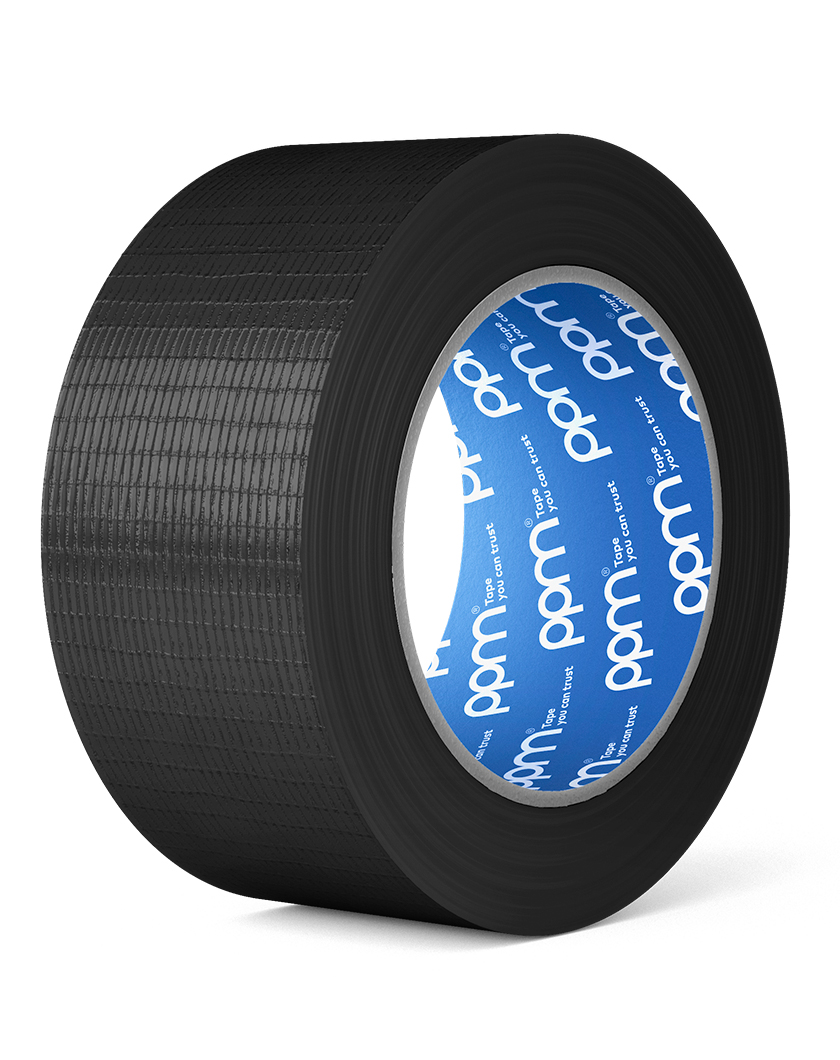
Duct tape has three basic layers that give it its look and feel.
Source: ppmindustries.com
- Polyethylene (plastic) top layer: This thin plastic film sheds light rain and splashes. It helps the tape glide as you pull it. It also adds a small barrier to water and dirt.
- Cloth mesh middle: A woven mesh adds strength. It lets you tear the tape by hand. It holds the tape in one piece even as it wraps around odd shapes. It gives that classic, rugged texture.
- Rubber-based adhesive: The sticky side grabs many surfaces fast. It works on wood, plastic, glass, and more. It’s great in cool rooms. It’s okay in warm ones. But it does not love wet or oily spots.
These layers were built for speed, grip, and strength. They were not built for submerged, sealed seams. Water finds the weak spots. Heat speeds the breakdown. Over days, the glue gives way. It lifts. It slides. It leaks.
Why the adhesive fails with water
The sticky part is the weak link with water. Rubber-based glue can’t stand a bath. It also hates extreme heat and oily films. That mix shows up in real life. It shows up on boats, in kitchens, on cars, and in the yard.
Here’s what happens:
- It absorbs moisture: Water sneaks in and swells the glue. It loses strength and pull.
- It softens in heat: Hot sun or a warm pipe turns the glue gummy. It oozes and slips.
- It loses grip on wet, glossy surfaces: Smooth PVC, glass, and metal can be hard to grip when wet. Even a little oil or soap kills stick.
Once the bond weakens, small leaks become big ones. Edges curl. Air sneaks in. Then water wins for good. This is why duct tape is okay for a quick fix in the rain but poor for a leak that keeps flowing.
How long does duct tape hold up in wet conditions?
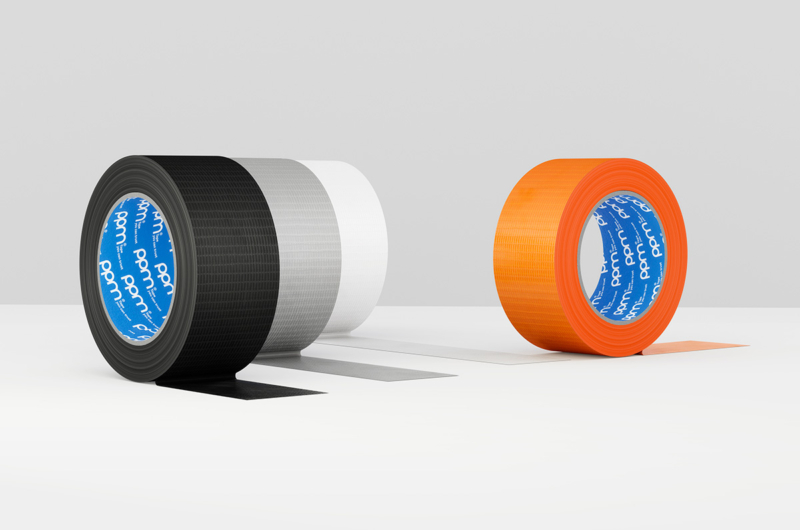
In wet spots, duct tape can last a few minutes to a couple of days. It rarely lasts more. A tiny drip might hold through the night. A small tear on a tent might stay shut till morning. But a pipe with pressure? That can peel the tape in minutes. Moving water and high force speed up failure. Vibration and heat add to the stress.
Source: ppmindustries.com
Think about a garden hose during a summer cookout. You wrap the leak fast. It looks fine at first. By sunrise, the tape is loose. The hose is wet. You sigh and reach for a new plan. That story is common because duct tape’s strength is not built for water pressure and time.
A slow leak is easier on tape than a blast. A dry, rough pipe is easier than a slick, cold one. Shade is friendlier than full sun. Quality also matters. Premium duct tapes cling better and fight weather longer. Still, even the best roll is not a real waterproof seal.
Factors that affect durability
A few key things change how long your quick fix lasts in the wet.
- Water pressure: Drops and mist put little force on the seal. Flow or spray add a lot. Pressurized lines add even more. The more pressure, the faster the fail.
- Surface type: Rough wood or matte plastic helps the glue bite. Smooth PVC, polished metal, and glass do not. Any oil, dust, or soap cuts bond strength.
- Temperature and humidity: Heat softens glue. Cold can make it stiff and brittle. High humidity feeds moisture into the adhesive layer.
- Quality of the tape: Heavy-duty or “all weather” duct tapes hold better. They have thicker backing and stickier glue. But they still are not waterproof.
- Age of the tape: Old rolls dry out. They lose tack. They don’t form a tight seal.
- Application method: Clean, dry surfaces help. Firm pressure helps. Overlaps help. Skipping prep hurts.
Match the job to the conditions. If it’s a hose, a gutter, or a boat leak, assume duct tape will only buy time. Plan the real fix next.
When duct tape actually works with water (and when it doesn’t)
Duct tape can be a hero for short, simple tasks in damp places. It is fast. It is cheap. It is easy to use. But it has a clear line it should not cross. Know that line, and you’ll be fine. Try to cross it, and things get messy.
Situations where it can work
There are times when duct tape earns its keep in the rain or near a leak. These are low-risk, short-term jobs.
- Temporary fixes for small leaks: A drip from a low-pressure hose. A hairline crack in a plastic bin. A tiny split in a cooler seam. The tape can hold for a day.
- Sealing boxes in light rain: If you’re moving a box from car to door, duct tape can keep flaps shut and water out for a short trip.
- Quick outdoor repairs during camping trips: Patch a torn tent fly. Reinforce a fraying strap. Cover a seam that wicks in a sprinkle.
- Wrapping items to keep them mostly dry: Bundle gear. Keep wind and spray off tools. Shield a cord for a few hours.
- Tacking down a tarp edge: Keep a flap from flapping in mild wind and light rain.
- Insulating a quick splice above ground: In a dry moment, wrap a join in a cord or hose to stop a slow seep. Plan a better fix soon.
In these cases, duct tape is like a spare tire. It gets you to the next stop. It is not built for the long road.
Tips to make these uses work better:
- Clean the surface. Dry it if you can.
- Use long strips. Wrap past the crack by at least two inches.
- Overlap layers. Stagger seams.
- Press hard. Use a roller or the side of a spoon.

Situations where it fails badly
Some jobs are too wet, too strong, or too long for duct tape. In these cases, it will not hold. Do not trust it.
- Underwater use: A strip will not bond or hold while submerged. Water slips in and lifts the glue.
- High-pressure leaks: Pressurized pipes or hoses push water under the tape. The seal peels fast.
- Long-term outdoor exposure: UV, heat, and rain beat the glue and backing. It dries out, cracks, and curls.
- Wet or oily surfaces: Even a thin film of oil or soap kills adhesion. So does constant condensation.
- Fuel or solvent splash zones: Gas, paint thinner, and harsh cleaners eat the glue.
- Structural repairs: Anything that must hold weight or ensure safety is a hard no.
If the job is critical, skip duct tape. Use a true waterproof sealant or a tape built for that task.
Is duct tape waterproof compared to other tapes?
Among common tapes, duct tape sits in the middle. It is tougher than packing tape. It’s stickier than painter’s tape. But it is not close to real waterproof tapes. If you need to block water for days or weeks, many other tapes are a better fit. Some even work under water. Others love hot roofs or cold pipes.
Better waterproof alternatives
If water is the main enemy, look at tapes made for wet work. They cost more. They save time and stress.
- Gorilla Tape: This tape has a thick backing and a strong adhesive. It sticks to rough and smooth surfaces. It resists weather better than standard duct tape. It is not fully waterproof in all cases, but it is more durable in rain and sun. Good for outdoor gear, tarps, and quick car fixes.
- Waterproof repair tape (flex-style): These tapes are built to seal leaks. Think pond liners, gutters, and RV roofs. They often have a thick, flexible backing and a very tacky adhesive. Some can be applied even in damp spots. They are often marketed as “flex” or “emergency” repair tape.
- Butyl tape: This is a favorite for roofs, windows, RV seams, and flashing. It is a gummy, long-lasting sealant on a roll. It forms to surfaces and stays flexible. It seals out water and air for a long time. It’s not pretty. It is very effective under trim and overlap joints.
- Silicone self-fusing tape: This tape has no sticky glue. It bonds to itself when stretched and wrapped. It makes a tight, waterproof wrap. It can work on wet pipes and even under water. It handles heat well and resists UV. Great for hose leaks, marine use, and electrical insulation.
- PVC repair tape: Used on irrigation and some pipe wraps. It can handle damp zones and forms a resistant coat. Not for all pressures, but better than duct tape in wet cycles.
- Marine repair tapes: Made for boats and docks. These fight UV, salt, spray, and heat. They last far longer than duct tape on the water.
Match the tape to the threat. If you face sun and rain for months, go butyl or a roof-grade repair tape. If you need to wrap a leak fast, go silicone self-fusing. For a rugged, general outdoor fix, Gorilla Tape beats standard duct tape.
Quick comparison
Here’s the short version when you ask, “Is duct tape waterproof compared to the rest?”
- Duct tape: Water-resistant. Good for temporary use. Fails with pressure and long wet time.
- Waterproof repair tapes: Built to seal. Last longer. Often hold in rain, spray, and puddles.
- Specialized tapes: Silicone self-fusing and butyl tapes are made for wet or roof work. They form strong, flexible seals.
If you need days or weeks of protection, use a tape made to block water, not a tape that just puts up a short fight.
Can you make duct tape more waterproof?
You can push duct tape a little further. You cannot turn it into a true waterproof seal. But smart prep and layering can help it last longer. Think of it like using an umbrella with a small hole. It helps more if you angle it and keep moving.
Practical tricks that help
Use these simple steps to squeeze more performance from duct tape in damp jobs. They won’t make it perfect. They will make it better.
- Apply to a completely dry surface: Water hides in pits and seams. Wipe and wait if you can. Warm the surface a bit to dry it fast.
- Use multiple overlapping layers: Think shingles on a roof. Overlap by half the tape width. Change the wrap angle with each layer.
- Press firmly to eliminate air gaps: Use a roller, spoon, or your thumb. Work from the center outward. Push out air and moisture.
- Combine with plastic or sealant underneath: Lay a thin plastic patch over the crack. Then tape over it. Or run a bead of sealant, then tape to hold it in place.
- Round your corners: Sharp corners peel first. Round the edges of the tape ends to slow lifting.
- Clean with alcohol first: Wipe away oil, dust, and soap film. Let it dry.
- Pre-heat the area in cold weather: Use a hair dryer to warm the surface and tape. Warm glue sticks better.
- Avoid stretching too much: Overstretched tape pulls back later. That opens gaps.
- Seal the edges: Rub extra hard along the sides of the tape. Edge pressure slows water creep.
A simple, step-by-step approach:
- Clean the area with soap and water. Dry it well.
- Wipe with isopropyl alcohol. Let it flash off.
- If possible, add a thin plastic layer over the crack.
- Apply the first strip of duct tape. Press and smooth.
- Add two more layers. Overlap and change direction by 45 degrees.
- Heat gently with a hair dryer to improve tack.
- Press the edges again. Check for bubbles and smooth them out.
This will not stop a high-pressure leak. It can slow a small drip. It can hold through a stormy night. It can keep your gear going until you get the right parts.
Real-life scenarios: Should you trust duct tape?
In the real world, duct tape is a “get-me-through-the-day” tool. It helps you dodge a crisis. It is there when stores are shut. It works fast when minutes matter. That is why it has a spot in every garage and glove box. But trust it with care when water is the problem.
Common everyday uses
Here are moments when duct tape can save the day near water. These are short, simple, and low-pressure tasks.
- Fixing a leaking cooler during a beach day: A small seam crack? Dry it, tape it, and enjoy the day. Replace or seal it for real later.
- Patching a tent in unexpected rain: Stop a drip at a seam. Put tape on both sides of the fabric, if you can. Use a tent patch kit when you get home.
- Sealing a cracked container in the fridge: Dry the spot and lay a patch. It may hold for a few days, since the fridge is cool. Replace the container soon.
- Reinforcing a tarp edge or grommet: Add strength where the tarp is fraying. It may hold through the weekend.
- Bundling gear on a boat: Keep lines tidy and tools together. Tape helps in spray and mist, at least for a while.
- Quick gutter patch before a storm: Clean and dry the spot. Tape over a pinhole. Plan a real fix with sealant or a patch kit soon.
These uses shine because stakes are low and time is short. That’s duct tape’s sweet spot.
What experienced users know
People who use duct tape a lot see the pattern. It is a stopgap, not a solution. That mindset saves hassle.
- It buys time—not peace of mind: You can relax for a bit, not for a month.
- It’s best for emergencies: Think midnight leaks or a campsite fix in the rain.
- You’ll almost always need a proper fix later: Order parts. Plan a repair. Replace the damaged item soon.
- It’s cheap and fast, but not final: Keep a roll handy, and also keep real repair gear in your kit.
- The right tape matters: Use silicone self-fusing for wet pipes. Use butyl for RV seams. Use roof-grade repair tape for shingles and flashing. Use duct tape only when speed beats perfection.
Make it a rule: duct tape now, correct tool next. Your future self will thank you.
Final thoughts: Is duct tape waterproof enough for your needs?
If you came here asking, “Is duct tape waterproof?” the plain answer is no. It is water-resistant, not waterproof. It can stand up to splashes and brief rain. It can help with small, low-pressure leaks for a short time. But it fails with steady water, high pressure, or long exposure. Heat and humidity speed that failure.
Duct tape’s best role is to buy you time. Use it when the store is shut, when the storm is here, or when you need a few hours of calm. Then switch to a true waterproof solution. For leaks and wet zones, look at silicone self-fusing tape, butyl tape, or purpose-built waterproof repair tape. For rugged, general use outdoors, a heavy-duty brand like Gorilla Tape offers a stronger hold than standard duct tape, but it still is not a true waterproof seal.
Choose based on risk. If a failure means a flooded room, a broken trip, or a safety issue, do not trust duct tape. If a failure means a damp cooler or a small drip on the porch, go for it and plan a proper fix later.
One last tip: build a small repair kit. Include a roll of duct tape, a roll of silicone self-fusing tape, a strip of butyl tape, a small tube of sealant, and some alcohol wipes. With that kit, you can handle most surprise leaks well. Duct tape will still be there for fast help. And you’ll have the right tool for a water-tight seal when it counts.