If you’ve ever searched for home remedies for planters warts, you’ve probably heard about duct tape as a possible solution. The idea sounds simple—cover the wart with duct tape, wait, and hope it disappears. But does duct tape really work on planters warts? In this article, you’ll find clear answers, what science says, how the method works, and what to expect if you try it yourself. We’ll also cover safety, risks, alternatives, and practical tips—so you can make an informed decision.
Does Duct Tape Work On Planters Warts?
Yes, duct tape can sometimes help remove planters warts, but the results are mixed. Some people see improvement, while others find no difference. Medical studies show that duct tape works for some, but not all, and it’s not always better than other treatments. The method is low-cost, easy to try, and generally safe, but it doesn’t guarantee a cure.
Now let’s look deeper—why do people use duct tape, what does research say, and how does it compare to other options?
What Are Planters Warts?
Planters warts are small, rough bumps that appear on the bottom of your feet. They’re caused by the human papillomavirus (HPV), which gets into your skin through tiny cuts or cracks. These warts grow inward because of the pressure from standing and walking.
A planters wart often:
- Feels like a hard lump on the sole
- Has tiny black dots (clotted blood vessels)
- Hurts when you walk or press on it
They’re common in children, athletes, and people who go barefoot in public showers or pools. While not dangerous, they can be annoying and painful.
How Does The Duct Tape Method Work?
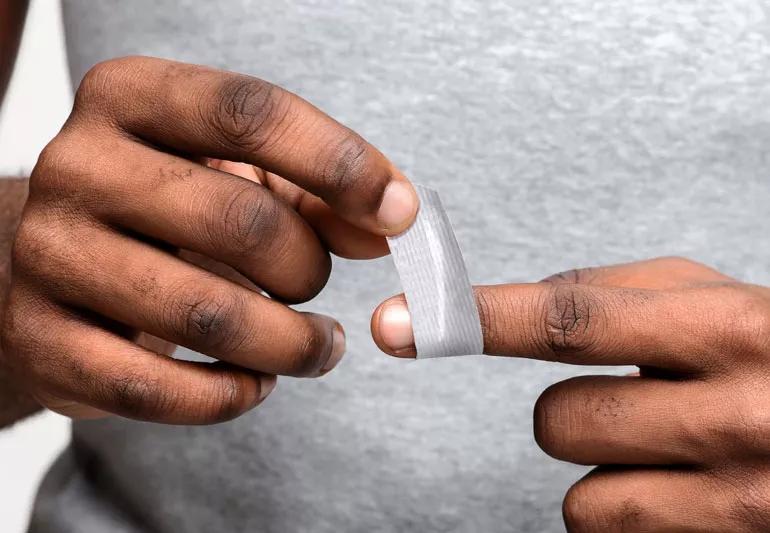
The duct tape method is simple:
- Cut a piece of duct tape slightly bigger than the wart.
- Stick it over the wart and smooth it down.
- Leave it on for six days, replacing if it falls off.
- Remove the tape, soak the wart in warm water, and gently rub with a file or pumice stone.
- Leave it uncovered overnight, then repeat the process until the wart is gone or up to two months.
The idea is that duct tape “suffocates” the wart, softens the skin, and may trigger the immune system to fight the virus. Regular peeling and filing help remove layers of the wart.
What Does Science Say?
The duct tape method became popular after a 2002 study showed that 85% of children in the study had their warts disappear with duct tape, compared to only 60% with freezing treatment. However, later studies gave different results—some found no difference between duct tape and placebo tape, and some saw no effect at all.
Here’s a quick comparison of some key studies:
| Study | Number of People | Success Rate (Duct Tape) | Success Rate (Other) |
|---|---|---|---|
| Focht, 2002 | 51 | 85% | 60% (cryotherapy) |
| de Haen, 2006 | 103 | 21% | 22% (placebo) |
| Wenner, 2007 | 54 | 16% | 6% (placebo) |
What does this mean? Duct tape may help some people, especially children, but it’s not a sure cure. More research is needed. Doctors often see it as a safe home option, not a guaranteed solution.
Why Might Duct Tape Help?
There are a few reasons duct tape could work:
- Skin irritation: The sticky adhesive may cause mild irritation, which attracts the body’s immune cells to fight the virus.
- Moisture and sealing: The tape keeps the area moist and protected, softening the wart.
- Physical peeling: Removing tape and filing can slowly remove infected skin layer by layer.
These effects might explain why some people see results, but they are not unique to duct tape—other occlusive tapes or pads might have similar effects.
How To Use Duct Tape For Planters Warts (step-by-step)
If you want to try the duct tape method, follow these steps for best results:
- Wash and dry your foot before applying tape.
- Cut a piece of duct tape (not clear or cloth tape) a bit larger than the wart.
- Press the tape tightly over the wart, smoothing the edges.
- Leave the tape on for 6 days. If it falls off, replace it as soon as possible.
- On day 6, remove the tape. Soak your foot in warm water for 10–15 minutes.
- Gently scrub the wart with an emery board, pumice stone, or nail file (don’t share these tools).
- Leave the wart uncovered overnight.
- The next morning, apply a new piece of duct tape.
- Repeat for up to 2 months, or until the wart disappears.
Practical Tips
- Use silver or gray duct tape—it’s stickier than clear or “fashion” tapes.
- Keep your foot clean and dry for better adhesion.
- If the skin becomes too irritated, take a break for a few days.
- Don’t pick or bite at the wart, as this can spread the virus.
Who Should Avoid Duct Tape Treatment?
Most healthy people can try the duct tape method, but it’s not for everyone. Avoid this method or talk to a doctor if you:
- Have diabetes or poor circulation (risk of infection)
- Have open wounds, eczema, or broken skin near the wart
- Have a weak immune system
- Are unsure if the growth is really a wart
- Notice signs of infection (redness, pus, swelling)
Children and adults with sensitive skin should use caution, as duct tape can cause irritation or rashes.
6 Best Double Sided Adhesive Tape: Which One Actually Sticks the Longest
How Does Duct Tape Compare To Other Wart Treatments?
Duct tape is just one way to tackle planters warts. Let’s see how it stacks up against other common options:
| Treatment | Effectiveness | Cost | Pain Level | Home Use? |
|---|---|---|---|---|
| Duct Tape | Varies (20–85%) | Very Low | Low | Yes |
| Salicylic Acid | 60–80% | Low | Mild–Moderate | Yes |
| Cryotherapy (Freezing) | 50–70% | Moderate–High | Moderate | Sometimes |
| Laser/Minor Surgery | 70–90% | High | High | No |
Salicylic acid is the most common over-the-counter treatment. It comes in gels, pads, or liquids. Like duct tape, it works by peeling off layers and irritating the skin, but is usually more effective.
Cryotherapy is the “freezing” method, done at a doctor’s office or sometimes with home kits. It stings but can be quick.
Laser or minor surgery is for stubborn or painful warts. These are done by a doctor and are more expensive and invasive.
Duct tape is attractive for its low cost, ease, and safety, but it’s not always the fastest or most effective.
Risks And Side Effects Of Using Duct Tape
Duct tape is generally safe, but there are a few things to watch out for:
- Skin irritation: Sticky adhesive can cause redness, rash, or blisters, especially on sensitive skin.
- Allergic reaction: Rare, but possible if you react to adhesives.
- Infection: Covering a wart for too long, especially on broken skin, can sometimes trap moisture and bacteria.
- Spreading virus: Touching or picking at the wart can spread HPV to other parts of your body or other people.
If you see severe redness, pain, swelling, or pus, stop using duct tape and see a doctor.
Common Mistakes When Using Duct Tape
Many people don’t get results because of common errors:
- Using the wrong tape: Not all tapes are equal—clear tapes often don’t stick well or lack the right adhesive.
- Not leaving the tape on long enough: Removing tape too soon or not reapplying quickly can reduce the effect.
- Skipping the soaking and filing: This step helps remove dead skin and is important for success.
- Expecting instant results: It can take several weeks to see improvement.
- Treating the wrong condition: Some foot lumps are not warts. See a doctor if you’re unsure.
When To See A Doctor
You should see a doctor if:
- The wart is painful, growing, or bleeding
- It doesn’t improve after 2–3 months of home treatment
- You have diabetes, poor feeling in your feet, or circulation problems
- You’re not sure the growth is a wart
- There are signs of infection (redness, pus, fever)
Doctors can offer stronger treatments and check for other foot problems.
What To Expect If You Try Duct Tape
If you decide to try duct tape, set realistic expectations. Some people see their warts shrink or disappear after a few weeks, while others see no change. Children and those with new warts may respond better. Long-lasting or thick warts are less likely to go away with duct tape alone.
If you see no progress after 2 months, it’s best to try another method or see a professional.
Alternatives To Duct Tape For Planters Warts
If duct tape doesn’t work or isn’t right for you, here are some other options:
- Salicylic acid (pads, gels, liquids) – Used daily to peel away the wart.
- Cryotherapy – Doctor freezes the wart with liquid nitrogen.
- Prescription creams – Such as imiquimod, which boosts the immune response.
- Laser therapy – Burns off the wart tissue with focused light.
- Minor surgery – Doctor cuts or scrapes out the wart.
- Cantharidin – A chemical painted on by a doctor that blisters the wart.
- Immunotherapy – For stubborn warts, uses medicine to stimulate the body’s defenses.
Most warts go away on their own in 1–2 years, but treatment can speed things up and reduce pain.
Real-world Experiences: Stories From People Who Tried Duct Tape
Many people have tried duct tape for planters warts, with mixed experiences:
- Mark, age 32: “I tried duct tape for six weeks after reading about it online. The wart got smaller but didn’t go away. Salicylic acid finally worked.”
- Emily, age 11: “My daughter’s wart shrank after four weeks of duct tape. We followed the steps and filed each time. No pain, and it’s gone now.”
- Robert, age 44: “Duct tape didn’t help my foot wart at all. Doctor said it was too deep and recommended freezing.”
These stories show results can vary. Duct tape may work for some, especially for small or new warts, but not for everyone.
Frequently Asked Questions
What Kind Of Duct Tape Works Best For Planters Warts?
Standard gray or silver duct tape is best. Avoid clear or “fashion” tapes—they don’t stick as well or may not have the right adhesive. The classic sticky, waterproof tape is what most studies used.
How Long Does It Take For Duct Tape To Remove A Planters Wart?
It usually takes 4 to 8 weeks of daily use to see results. Some warts disappear faster, others take longer. If you see no improvement after 2 months, try another treatment.
Is Duct Tape Safe For Children?
Yes, with supervision. Duct tape is generally safe for kids, but check the skin for irritation. If the area gets red or sore, take a break. Always confirm it’s really a wart and not another skin problem.
Can Planters Warts Come Back After Duct Tape Treatment?
Yes, warts can return—even after successful treatment. The virus can stay in the skin and reactivate. To reduce risk, keep feet clean and dry, don’t share shoes, and avoid walking barefoot in public places.
Where Can I Find More Scientific Information About Duct Tape And Warts?
For detailed medical evidence and guidelines, visit the American Academy of Dermatology. You’ll find research summaries, expert advice, and more.
Final Thoughts
Duct tape offers a low-cost, low-risk way to try removing planters warts at home. It works for some people, especially children with new or small warts, but the results are mixed and not guaranteed. If you want to try it, follow the method closely, be patient, and know when to seek professional help.
For stubborn or painful warts, or if you have health conditions like diabetes, always consult a doctor. Sometimes, combining duct tape with other methods (like salicylic acid) gives better results.
Planters warts are annoying but not dangerous. With the right approach, you can find relief—whether with duct tape or another proven treatment. Remember: what works for one person might not work for another, so don’t get discouraged if you need to try more than one method. Your feet will thank you for taking good care of them.