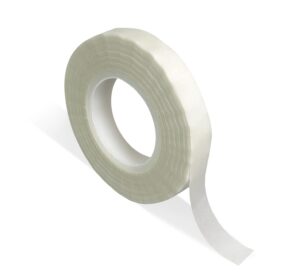
Water activated tape is commonly called gummed tape, water-activated tape, or gummed paper tape. If you have seen a paper packing tape that sticks after you wet it, you have already seen this useful packaging material in action.
Understanding what is water activated tape called can help you choose the right tape for shipping boxes, storage, moving, and eco-friendly packaging.
What Is Water Activated Tape Called?
Water activated tape is most often called gummed tape or gummed paper tape. In stores and packaging catalogs, you may also see names such as:
• Water-activated adhesive tape
• Kraft paper tape
• Gummed packaging tape
• Reinforced water-activated tape
• WAT tape
• Wet-and-stick tape
• Brown paper sealing tape
The most precise industry term is water-activated tape because water turns on the adhesive. The term gummed tape comes from the gum-based adhesive that coats the back of the paper.
When asking what is water activated tape called, remember that the name can change by industry. A shipping company may call it WAT, while a retailer may label it gummed packing tape or Kraft tape.
7 Best Water Activated Tape for Moving and Shipping (Top Picks Tested)
How Does Water Activated Tape Work?
Water activated tape has a dry adhesive coating on one side. The adhesive does not become sticky until it touches a small amount of water.
A tape dispenser usually has a water brush or moistening roller. As the tape passes through the dispenser, the roller wets the adhesive. You then press the tape onto a cardboard box, where it bonds with the paper fibers.
The process is simple:
- Place the tape roll in a compatible dispenser.
- Fill the dispenser with clean water.
- Set the water level or tape length.
- Pull the tape across the moistening roller.
- Apply the tape to the box.
- Press the tape firmly for a smooth bond.
The adhesive often uses starch or dextrin, which comes from plant-based materials. Some products use synthetic adhesive blends for added strength, faster bonding, or better performance in cold conditions.
Unlike pressure-sensitive tape, water activated tape does not stick well when you simply press the dry roll onto a box. Water is the key step that activates the bond.
Why Is It Called Gummed Tape?
The word “gummed” refers to the adhesive layer on the tape. Historically, gum-based adhesives came from natural plant sources, such as starches and vegetable gums.
Modern gummed tape may contain starch, dextrin, synthetic resins, or a blend of materials. Even when the adhesive is not made from traditional gum, the word gummed remains common in packaging.
This explains why people use several names for the same product. If someone asks what is water activated tape called, “gummed tape” is usually the shortest traditional answer.
However, gummed tape is a broad term. Some gummed tapes are made for envelopes, crafts, or bookbinding. Water activated packing tape is built for sealing corrugated boxes and is usually wider and stronger.
Types of Water Activated Tape
Water activated tape comes in several forms. The best option depends on box weight, shipping conditions, and the level of security you need.
Plain Kraft Water Activated Tape
Plain Kraft tape contains a paper backing without reinforcing threads. It works well for light and medium boxes, office packing, and general storage.
It is easy to tear, simple to recycle, and often has a clean brown paper look. It may not be strong enough for very heavy cartons or boxes with rough handling.
Reinforced Water Activated Tape
Reinforced tape contains fiberglass strands or other fibers inside the paper. These strands improve tensile strength and help prevent the tape from splitting.
Use reinforced tape for:
• Heavy products
• Large shipping boxes
• Boxes with long seams
• Stacked cartons
• Packages exposed to rough handling
Reinforced tape is often the best choice when a box must stay closed under stress.
White Water Activated Tape
White gummed tape has a lighter surface that can look cleaner on retail packages. Some versions accept printed logos, warnings, or handling instructions.
It can make branded packaging look more polished, especially when companies want a simple and professional appearance.
Printed Water Activated Tape
Printed water activated tape may include a company name, logo, or security message. A printed strip can also show whether a box has been opened or tampered with.
Many businesses use phrases such as “Do Not Accept If Seal Is Broken.” This makes the tape useful for both branding and package security.
Colored and Decorative Gummed Tape
Colored gummed tape is used for organization, crafts, gift packaging, and visual sorting. It can help workers identify product groups or shipping departments at a glance.
Water Activated Tape vs. Pressure-Sensitive Tape
The main difference is how the adhesive activates. Water activated tape needs moisture, while pressure-sensitive tape sticks when pressure is applied to its adhesive surface.
Common pressure-sensitive tapes include plastic packing tape, clear carton sealing tape, and many types of masking tape. These tapes are convenient because they do not require water or a special dispenser.
Water activated tape has several distinct advantages:
• It bonds with the cardboard fibers instead of sitting only on the surface.
• It can create a tamper-evident seal.
• It uses a paper backing that is easier to recycle with many corrugated boxes.
• It gives boxes a neat, uniform appearance.
• It can reduce the need for extra layers of tape.
Pressure-sensitive tape may be better when you need quick hand packing, frequent resealing, or a low-cost setup. Water activated tape is often better for secure, consistent carton sealing.
When deciding what is water activated tape called, do not confuse it with ordinary paper tape. Some paper tapes use pressure-sensitive adhesive and do not need water.
Benefits of Water Activated Tape
Water activated tape is popular in warehouses, fulfillment centers, and small businesses for several practical reasons.
Strong Box Seal
The wet adhesive can soak into the fibers of corrugated cardboard. After it dries, the tape becomes part of the box seal rather than simply covering the surface.
This creates a strong bond when the tape is applied correctly. The box surface must be clean, dry, and free from excessive dust.
Better Tamper Evidence
A strip of gummed tape often tears the cardboard when someone tries to remove it. That makes it harder to open a box without leaving visible evidence.
This feature is useful for valuable goods, business shipments, and products that should not be opened during transit.
Easy Recycling
Paper-based water activated tape is often compatible with corrugated cardboard recycling systems. In many cases, the tape can remain on the box.
Recycling rules vary by local facility. If your operation sends large amounts of packaging to a recycling center, confirm its material requirements before changing tape systems.
Professional Appearance
A straight strip of brown or printed gummed tape can give a package a tidy, consistent look. This matters for customer orders, subscription boxes, and branded shipments.
Less Plastic Packaging
Many water activated tapes use paper backing instead of plastic film. This can help companies reduce plastic in their packaging, although the total environmental impact also depends on the adhesive, production method, transport, and disposal system.

Limitations of Water Activated Tape
Water activated tape is useful, but it is not perfect for every packing job.
First, it usually requires a dispenser with a water reservoir or moistening system. This adds equipment and may slow down very small packing tasks.
Second, too much water can weaken the tape, wrinkle the paper, or delay drying. Too little water may prevent the adhesive from bonding correctly.
Other limitations include:
• It may perform poorly on dusty or wax-coated cardboard.
• Some formulas become less reliable in very cold conditions.
• The tape cannot usually be removed cleanly for reuse.
• A dispenser needs regular cleaning.
• Plain versions may not handle very heavy boxes without reinforcement.
A common mistake is applying water activated tape to a box with a damaged or oily surface. The tape cannot create a strong seal if the cardboard itself is weak.
How to Use Water Activated Tape Correctly
Good application technique makes a major difference. Follow these steps for a clean and secure seal.
- Choose tape that matches the box weight. Use reinforced tape for heavy or oversized cartons.
- Check that the box flaps meet evenly. Uneven flaps can leave gaps under the tape.
- Remove dust, loose paper, and dirt from the sealing area.
- Set the dispenser to apply a light, even layer of water.
- Cut enough tape to cover the center seam and extend several inches down both sides.
- Place the tape across the seam while the adhesive is still active.
- Press the tape firmly with your hand, a roller, or the dispenser brush.
- Allow the seal to set before stacking or shipping the box.
For many cartons, the tape should run along the full center seam and wrap onto the front and back panels. Heavy boxes may need additional strips across the side seams.
In practical packing work, the most frequent mistake is rushing the final press. A few seconds of firm contact helps the adhesive grip the fibers and reduces lifted edges.
Choosing the Right Water Activated Tape
Before buying, consider more than the tape name. What is water activated tape called is useful to know, but the product specifications matter more.
Check these points:
• Tape width: Common widths include 2.75 inches and 3 inches, but sizes vary.
• Tape strength: Look for reinforced construction for heavy cartons.
• Paper quality: Strong Kraft paper resists tearing during application.
• Adhesive type: Starch, dextrin, and synthetic formulas have different performance traits.
• Dispenser compatibility: Confirm that the roll fits your machine.
• Operating temperature: Cold storage may require a special formulation.
• Printing options: Choose custom printing if you need branding or security wording.
• Roll length: Longer rolls reduce the number of roll changes in busy work areas.
For occasional home use, a small manual dispenser may be enough. For a warehouse, an electric or automatic dispenser can improve speed and consistency.
Is Water Activated Tape Eco-Friendly?
Water activated tape can be a more environmentally friendly choice than plastic packing tape, especially when it has a paper backing and can be recycled with corrugated cardboard.
Still, “eco-friendly” is not an automatic label. The full impact depends on several factors:
• The source of the paper
• The type of adhesive
• The amount of tape used
• The energy used to manufacture it
• The distance it travels
• Local recycling practices
Paper tape is not automatically compostable. Some products contain reinforcement fibers, synthetic coatings, or adhesives that affect disposal. Always check the manufacturer’s material statement when environmental claims are important.
A good rule is to use only as much tape as needed. Strong application, correct box sizing, and proper tape selection can reduce waste more effectively than simply switching products.
Common Uses for Water Activated Tape
Water activated tape is used in many settings beyond standard shipping.
Typical applications include:
• E-commerce order fulfillment
• Moving and household storage
• Warehouse carton sealing
• Subscription box packaging
• Retail product shipments
• Archival and document storage
• Bookbinding and paper crafts
• Custom branded packaging
• Parts and equipment shipping
• Secure mailroom operations
Archival users may choose acid-free or conservation-grade gummed tape. Bookbinders may use narrow paper tape designed for hinges or repairs. These products may look similar to packing tape but have different purposes.
This is why the answer to what is water activated tape called depends partly on how the tape is being used.
Common Mistakes to Avoid
Small errors can lead to open boxes, wasted tape, and damaged products.
Avoid these mistakes:
• Applying the tape to wet, oily, or dusty cardboard
• Using too much water
• Using too little water
• Choosing plain tape for a heavy carton
• Sealing over a weak or crushed box
• Failing to press the tape onto the surface
• Storing tape in a damp area
• Leaving water in the dispenser for long periods
• Using a roll that does not fit the dispenser
Store unused rolls in a dry room at a stable temperature. Moisture can activate the adhesive before use and ruin the roll.
Clean the dispenser according to its instructions. Dried adhesive can block the water brush and create uneven wetting.
Frequently Asked Questions About What Is Water Activated Tape Called?
What is water activated tape called?
Water activated tape is commonly called gummed tape, gummed paper tape, Kraft tape, or WAT. The exact name may vary by supplier, but all refer to tape whose adhesive activates with water.
Is gummed tape the same as water activated tape?
Gummed tape usually means water activated tape, especially when discussing packaging. However, some gummed tapes are made for crafts, envelopes, or bookbinding rather than sealing shipping boxes.
Can you use water activated tape without a dispenser?
You can wet some products by hand, but a dispenser gives a more even and controlled application. For regular packing, a compatible dispenser is faster, cleaner, and more reliable.
Is water activated tape stronger than regular packing tape?
Water activated tape can create a strong bond with corrugated cardboard, especially when reinforced. Its performance depends on the tape grade, water level, box condition, and application technique.
Can water activated tape be recycled?
Many paper-based water activated tapes can be recycled with cardboard. Recycling rules differ by location, and reinforced or coated products may need special handling.
Does water activated tape work in cold weather?
Some products work in cool conditions, while others may bond slowly or lose strength. If packages will be stored or shipped in cold temperatures, choose a tape rated for that environment.
Is Kraft tape the same as water activated tape?
Not always. Kraft tape describes the paper backing, while water activated describes how the adhesive works. Some Kraft tapes are pressure-sensitive and do not need water.
[CodeImg? Wait forbidden after FAQ. Remove. Need no placeholder. Ensure previous h2 uses placeholder. FAQ has no.]
Conclusion
Water activated tape is commonly called gummed tape, gummed paper tape, Kraft gummed tape, or WAT. It uses water to activate an adhesive that bonds with cardboard, creating a clean and often tamper-evident seal.
Choose plain tape for light cartons and reinforced tape for heavy packages. Use the right dispenser, apply a light layer of water, press the tape firmly, and keep the rolls dry before use.
Now that you know what is water activated tape called, compare tape strength, dispenser compatibility, and recycling guidance before buying. Explore suitable packaging options for your next shipment, and share your preferred tape type with your team.