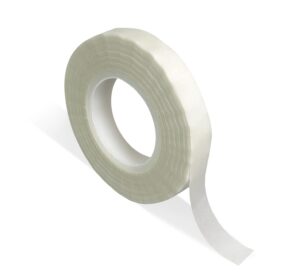
For most tape-cutting jobs in the United States, use sharp, all-purpose scissors with stainless-steel blades. If the tape has a strong adhesive—such as duct tape, packing tape, carpet tape, or double-sided tape—choose nonstick-coated scissors or dedicated utility shears. They reduce adhesive buildup and are easier to clean.
The best choice depends on the tape, cutting frequency, and finish you need. Standard household scissors work for occasional masking or clear tape, while heavy-duty shears are better for repeated cuts through thick or reinforced materials.
Best Scissors To Cut KT Tape: Tested 7 Best Scissors for Cutting Kinesiology Tape
Quick answer: the best scissors for cutting tape
The most suitable scissors for common tape types are:
| Tape type | Recommended scissors | Reason |
|---|---|---|
| Clear office tape | Sharp household scissors | Thin tape cuts easily |
| Masking or painter’s tape | Standard scissors or craft scissors | Low to moderate adhesive buildup |
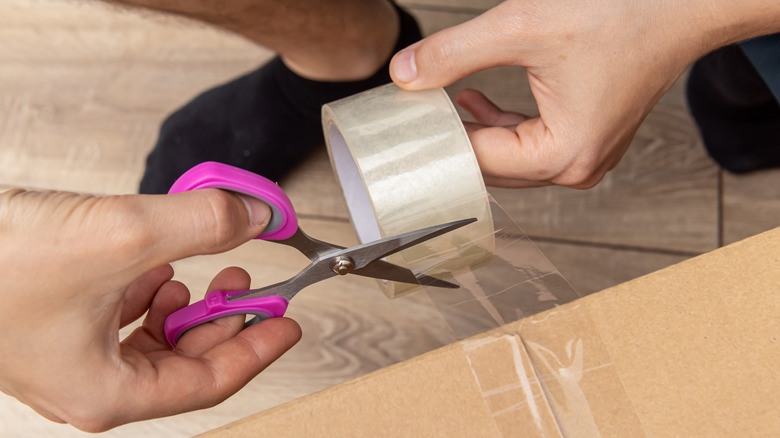
| Packing tape | Sharp utility scissors or nonstick shears | Strong film and adhesive |
| Duct tape | Heavy-duty shears with nonstick blades | Thick backing and sticky adhesive |
| Double-sided tape | Nonstick-coated scissors | Adhesive contacts both blades |
| Electrical tape | Sharp utility scissors or electrician’s scissors | Flexible, stretchy material |
| Filament or strapping tape | Heavy-duty shears or tape-cutting snips | Embedded fibers resist ordinary scissors |
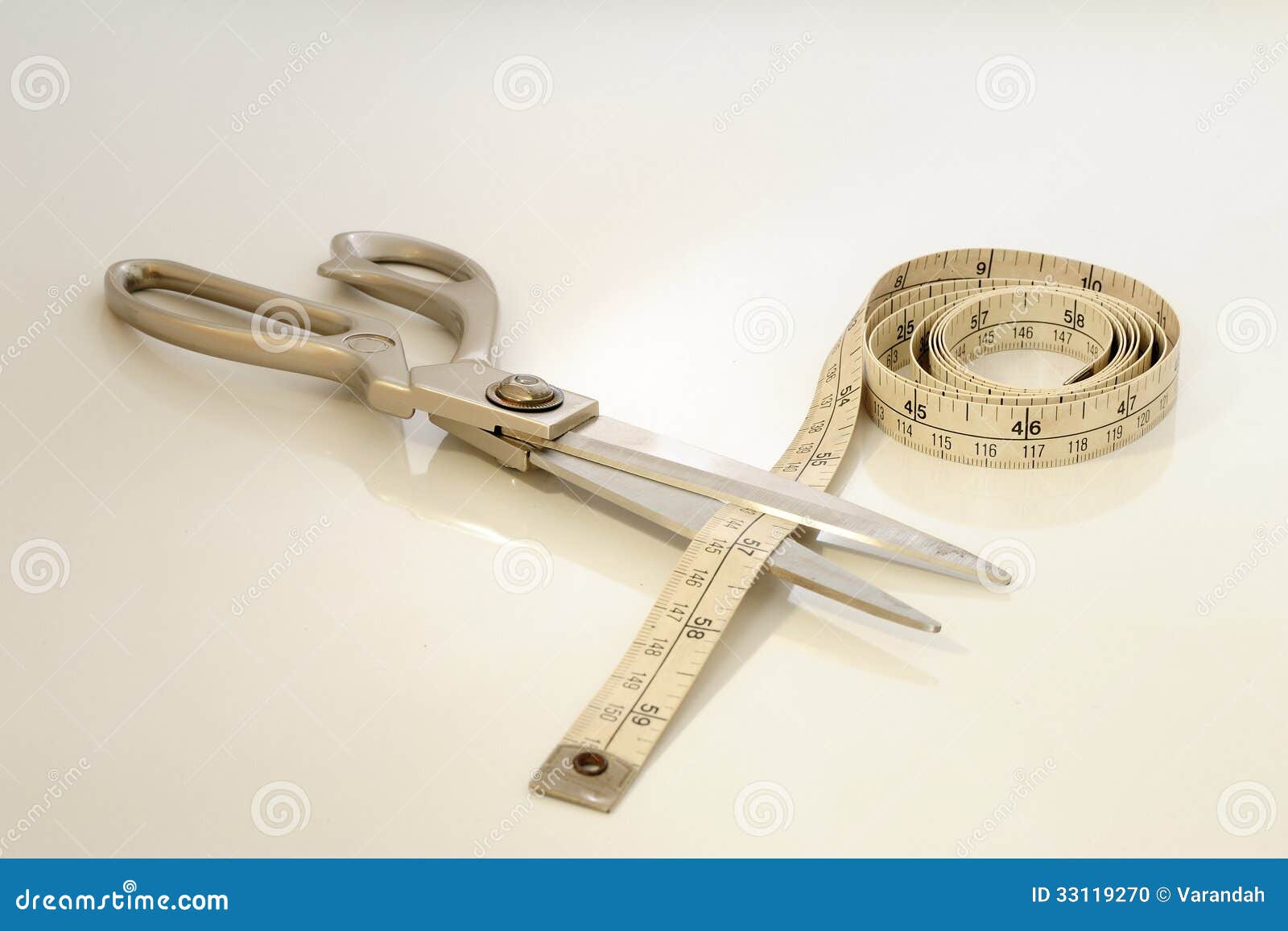
| Fabric tape | Dedicated fabric scissors | Cleaner, more controlled cuts |
| Medical or athletic tape | Clean, sharp scissors; blunt-tip safety scissors when appropriate | Helps reduce snagging and accidental skin contact |
For occasional household use, a pair of medium-size scissors with sharp, straight stainless-steel blades is usually sufficient. For frequent cutting, look for nonstick blades, comfortable handles, and a hinge that opens smoothly.

What features should scissors for cutting tape have?
The most useful features are sharp blades, suitable blade length, corrosion-resistant metal, and a design that limits adhesive transfer.
Sharp, straight blades
Sharp blades separate tape cleanly instead of crushing, stretching, or tearing it. A straight edge is generally more versatile than a highly serrated edge because it can make a cleaner cut through office, masking, and packing tape.
Dull scissors often create several problems:
- The tape stretches before separating.
- The cut becomes uneven or angled.
- Adhesive transfers more heavily to the blades.
- You may need extra force, increasing the chance of slipping.
- The tape may wrap around the hinge.
A slightly serrated blade can help grip slippery or thick materials, but it may leave a rougher edge. Serrated scissors are more useful when control matters more than a smooth cut.
8 Best Scissors For Cutting Double Sided Tape: Mess-Free Cuts
Nonstick or coated blades
Nonstick scissors have a coating intended to reduce adhesive sticking. They are particularly useful for:
- Duct tape
- Double-sided tape
- Packing tape
- Carpet tape
- Label stock
- Adhesive-backed films
- Medical or athletic tape
A nonstick coating does not make the scissors immune to residue. Strong adhesives can still build up, especially near the pivot. Avoid scraping the blades with another metal object because that can damage the cutting edges or coating.
Stainless-steel blades
Stainless steel resists corrosion and is suitable for common household environments. Blade steel varies by manufacturer, so “stainless steel” alone does not prove that one pair will stay sharper than another. The practical factors are the quality of the edge, hinge alignment, handle comfort, and whether replacement or sharpening is available.
A strong pivot and comfortable handles
Thick tape requires more force than thin office tape. A loose pivot can cause the blades to separate instead of cutting, while an overly stiff pivot can make repeated cutting uncomfortable.
For frequent work, choose handles that fit your hand without forcing your fingers into a narrow opening. If several people will use the scissors, a symmetrical handle may be more practical than a strongly right- or left-handed design.
Appropriate blade length
Medium blades are generally easier to control for short tape pieces. Longer blades can cut across wide tape in fewer closing motions, but they may be less convenient for detailed craft work.
A practical rule is:
- Short to medium blades: crafts, labels, office tape, and small repairs
- Medium to long blades: shipping tape, wide tape, and repeated packaging work
- Heavy-duty shears: thick, reinforced, or adhesive-backed materials

Which scissors work best for different kinds of tape?
Tape is not one material. Its backing may be paper, plastic film, cloth, foil, foam, or reinforced fiber. The backing and adhesive determine how much cutting force and residue the scissors encounter.
Clear office tape
Ordinary sharp household or office scissors are adequate for transparent cellophane or polypropylene office tape. Because the tape is thin, heavy-duty shears are usually unnecessary.
Use a clean blade if you need a straight, attractive end. Residue is more likely when the tape is left on the blades for a long time or when the scissors are used in a warm environment.
Masking and painter’s tape
Standard craft scissors or household scissors usually handle masking and painter’s tape well. Paper-backed tape tends to cut easily, although adhesive may transfer if several layers are cut at once.
For painting projects, keep one pair reserved for tape and light craft work. Paint residue and dried adhesive can interfere with later cuts.
Packing tape
Packing tape has a stronger plastic backing than office tape and often requires sharper, sturdier scissors. Choose utility scissors with:
- Sharp blades
- A firm pivot
- Handles that allow controlled pressure
- Nonstick blades if you cut many pieces
For occasional package sealing, regular household scissors may work. For repeated shipping, a dedicated tape cutter or packing tool may be faster, particularly when the tape remains on a dispenser.
Duct tape
Duct tape is thick and flexible, and its adhesive can quickly coat ordinary scissors. Heavy-duty nonstick shears are usually the most practical choice.
Cutting duct tape is easier when you:
- Pull the tape flat without stretching it excessively.
- Position the tape close to the rear portion of the blades, near the pivot.
- Close the blades in one controlled motion when possible.
- Wipe residue away before it reaches the hinge.
If the scissors begin dragging, stop rather than repeatedly forcing the cut. Excessive force can make the tape fold around the pivot and may cause your hand to slip.
Double-sided tape
Double-sided tape creates a special problem because adhesive is exposed on both sides. Nonstick-coated scissors are preferable. You can also leave the release liner attached until after cutting; this limits direct contact between the adhesive and the blades.
If you regularly cut narrow strips of double-sided tape, a rotary cutter, craft knife, or dedicated tape-cutting tool may offer better control. Use a cutting mat and follow the tool’s safety instructions.
Electrical tape
Electrical tape is thin but stretchy. Sharp utility scissors cut it more cleanly than dull household scissors. Avoid pulling the tape tightly while cutting because the material may recoil or produce an uneven end.
For electrical work, use scissors only for cutting the tape. Do not use them to cut energized wires or other electrical conductors. De-energize equipment and follow applicable electrical safety procedures before handling wiring.
Filament and strapping tape
Filament tape contains reinforcing fibers, while plastic strapping tape may be thick and springy. Ordinary office scissors may struggle, develop nicks, or become misaligned.
Use heavy-duty shears designed for packaging or industrial materials. If the tape is under tension, control the loose end before cutting. A tensioned strap can move suddenly when severed.

How to cut tape cleanly with scissors
The technique matters almost as much as the scissors. Follow these steps for a more controlled cut.
1. Select a clean, sharp pair
Inspect the blades for dried adhesive, nicks, rust, or a loose pivot. If the blades do not meet evenly, choose another pair or adjust the pivot only if the manufacturer allows it.
2. Keep the tape supported
Place the tape on a stable surface or hold it so the section being cut does not swing freely. For wide packing or duct tape, support the roll or taped object with your other hand, keeping your fingers away from the blades.
3. Mark or fold the cut point when accuracy matters
A small crease, pencil mark, or piece of removable tape can help identify the cut line. For a straight edge, align the tape with the full length of the blades rather than cutting at an extreme angle.
4. Cut near the strongest part of the blades
The section close to the pivot generally provides more leverage. This is helpful for thick tape, although you should avoid pushing adhesive into the hinge.
5. Use steady pressure
Close the scissors smoothly. Do not twist the handles or rock the blades from side to side. Twisting can create an uneven edge and may loosen the pivot.
6. Clean the blades immediately if adhesive transfers
Wipe the blades while the residue is still soft. Follow the scissor manufacturer’s cleaning instructions, especially for coated blades. Do not immerse scissors unless the manufacturer specifically permits it.
A successful cut should have a reasonably straight edge, little stretching, and no visible tape wrapped around the pivot. If the tape tears instead, check sharpness, blade alignment, tape thickness, and whether the scissors are appropriate for that material.
Scissors versus other tape-cutting tools
Scissors are not always the most efficient option. The right tool depends on the length, volume, and location of the cut.
| Tool | Best use | Main limitation |
|---|---|---|
| Household scissors | Occasional thin tape | Adhesive buildup and dulling |
| Nonstick utility shears | Duct, packing, and double-sided tape | Usually more expensive than basic scissors |
| Tape dispenser with cutter | Repeated packaging | Less useful for tape already applied to an object |
| Safety scissors | School, medical, or supervised settings | May not cut thick tape cleanly |
| Craft knife | Precise cuts on a protected surface | Exposed blade requires greater care |
| Rotary cutter | Long, controlled cuts on flat material | Requires a suitable cutting mat |
| Industrial snips | Reinforced or heavy strapping tape | Can be excessive for ordinary tape |
A tape dispenser is often faster for sealing boxes because it supports and cuts the roll in one motion. However, a dispenser may not work well when you need to trim tape already attached to a package, wall, fabric, or irregular object.
A craft knife can make precise cuts, but it should be used only on a stable surface with the blade directed away from the body. Do not substitute a knife for scissors when the material is loose, curved, or difficult to hold safely.
How to remove tape residue from scissors
Remove adhesive based on the blade material and manufacturer’s instructions. Start with the least aggressive method.
- Wipe the blades with a dry cloth. This removes loose residue.
- Use warm water and mild dish soap only if the scissors are suitable for it. Dry the blades immediately to reduce corrosion.
- Apply a small amount of an appropriate adhesive remover to a cloth, not directly into the hinge.
- Wipe in the direction of the blade, keeping fingers behind the cutting edge.
- Dry and lightly protect uncoated metal if recommended by the manufacturer.
Avoid abrasive pads, sandpaper, and metal scraping tools. These can scratch the blade or remove a nonstick coating. Solvents can also damage plastic handles, coatings, labels, or nearby surfaces, so test them cautiously and follow the product label.
If the pivot becomes stiff after cleaning, do not force the scissors open and closed. Check the manufacturer’s maintenance instructions or have the scissors serviced if they are valuable or heavily used.
Common mistakes when cutting tape
Using fabric scissors for adhesive tape
Fabric scissors are designed to preserve a sharp edge for textiles. Cutting adhesive tape with them can leave residue and reduce their performance on fabric. Keep fabric shears separate unless the manufacturer specifically states that they are suitable for adhesive materials.
Cutting multiple thick layers at once
Stacking several layers of duct, packing, or reinforced tape increases resistance and can misalign the blades. Cut fewer layers at a time when possible.
Pulling the tape tight
Stretching tape may make it recoil or produce an angled cut. Keep it supported and apply only enough tension to prevent it from folding.
Letting adhesive reach the hinge
Residue near the pivot can make scissors stiff and prevent the blades from closing evenly. Stop periodically during long jobs and clean the blades.
Using scissors as a scraper, pry bar, or wire cutter
Scissors are not designed for prying, loosening staples, opening paint cans, or cutting metal wire unless specifically rated for those tasks. Misuse can damage the tool and create a hand injury risk.
Ignoring tape under tension
Strapping tape, stretch film, and some repair tapes can move abruptly after cutting. Secure the material and keep your face and free hand out of the likely movement path.
Leaving scissors open
Close scissors after use and store them where children cannot access them. For workplaces, use a designated storage location rather than leaving sharp tools on a packing table or floor.

Key takeaways
- Sharp stainless-steel scissors are suitable for most thin household and office tape.
- Choose nonstick-coated utility shears for duct tape, packing tape, carpet tape, and double-sided tape.
- Use heavy-duty scissors or snips for filament, strapping, and reinforced tape.
- Keep fabric shears separate from adhesive materials.
- Support the tape, avoid excessive stretching, and cut with steady pressure.
- Clean residue before it reaches the pivot.
- Use a tape dispenser, craft knife, or rotary cutter when the job involves repeated, long, or highly precise cuts.
Frequently asked questions
Can I use regular scissors to cut duct tape?
Yes, regular scissors can cut duct tape occasionally if they are sharp and sturdy. However, duct tape may leave adhesive on the blades and can make lightweight scissors difficult to operate. Nonstick utility shears are a better choice for frequent use.
Are serrated scissors better for cutting tape?
Not usually. Serrated scissors can grip slippery or thick materials, but they may leave a rougher edge and can be harder to clean. Sharp straight blades are more versatile for common tape.
What scissors do professionals use to cut packing tape?
Packaging workers may use utility shears, nonstick scissors, tape dispensers, or dedicated carton-sealing tools. The best choice depends on whether they are cutting tape from a roll or trimming tape already applied to a box.
How do I stop tape from sticking to scissors?
Use nonstick-coated blades, keep the tape supported, avoid cutting excessive layers, and clean the blades promptly. Keeping the release liner on double-sided tape until after cutting can also reduce direct adhesive contact.
Can scissors cut reinforced tape?
They can, but ordinary office scissors may struggle. Use heavy-duty shears or packaging snips for filament and strapping tape, especially when the material is thick or under tension.
Should I use a knife instead of scissors for tape?
Use a knife when you need a precise, straight cut on a stable, protected surface. Use scissors when the tape is loose, curved, attached to an irregular object, or difficult to secure. Always choose the tool that gives you the best control with the least force.
Conclusion
The best scissors for cutting tape are sharp, sturdy, and matched to the tape’s backing and adhesive. Standard stainless-steel scissors handle office, masking, and light craft tape. Nonstick utility shears are more suitable for duct, packing, and double-sided tape, while reinforced or strapping tape may require heavy-duty snips.
For a practical all-purpose choice, select medium-size scissors with sharp straight blades, a firm pivot, comfortable handles, and a nonstick coating if you regularly work with adhesive materials. Clean the blades after use and replace or service the scissors when they become dull, loose, damaged, or difficult to control.