Does Painters Tape Damage Walls?
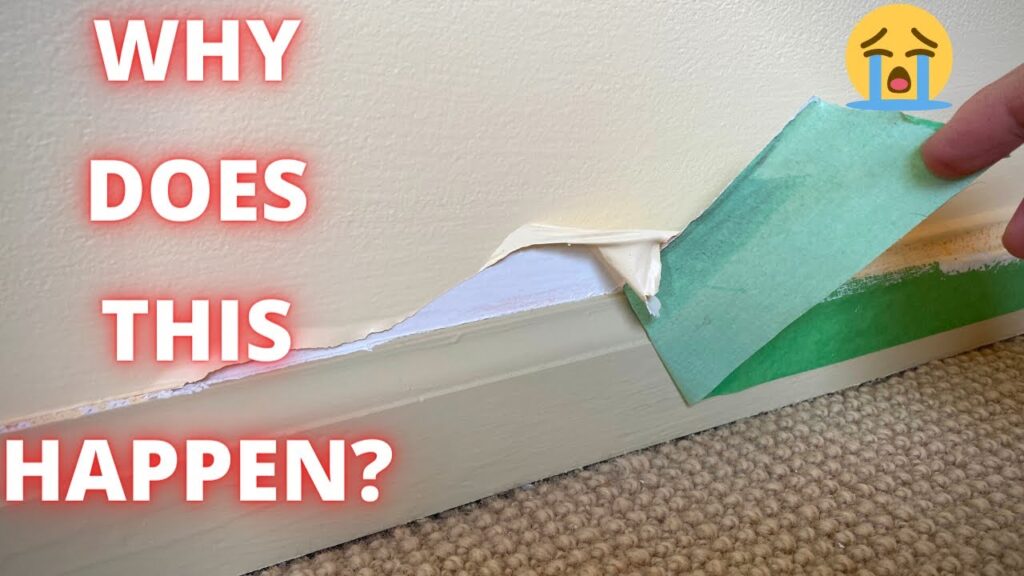
Painter’s tape usually does not damage walls when applied and removed correctly, but improper use can cause peeling or surface damage. Leaving tape on too long, applying it to freshly painted or poorly prepared surfaces, or removing it too quickly can pull off paint or drywall paper. To prevent damage, apply tape to clean, fully cured paint, press it down gently, and remove it slowly at a 45-degree angle within the recommended time frame.
How to Prevent Peeling: The Best Tape for Sensitive Walls
The main reason painters tape damages walls isn’t the tape itself—it’s using a “high-tack” tape on a “low-tack” surface. If you are painting over drywall or aged paint, you need a tape designed to release easily without pulling the substrate.
Top Recommendations to Avoid Wall Damage
Best for Delicate Surfaces Best for Sharp Lines Best All-Rounder ScotchBlue Sharp Lines FrogTape Multi-Surface ScotchBlue Original 60-day clean removal; perfect for accent walls. PaintBlock technology prevents bleed-through. The industry standard for trim and baseboards. My Top Pick: ScotchBlue Delicate Surface Painter’s Tape
If you’re asking “Does painters tape damage walls?” because you’ve had a bad experience before, this is the fix. It features a lower adhesion level specifically designed for surfaces that might otherwise flake or peel.
The Secret: It can stay on for up to 60 days and still pull away cleanly without taking the drywall paper with it.
Safe for: Fresh paint (24 hours old), wallpaper, and treated wood.
Painter’s tape can damage walls if misused, but proper technique prevents problems.
If you ask does painters tape damage walls, you deserve a clear, tested answer. I’ve taped hundreds of rooms for clients and my own home. The truth is simple: tape is safe when you match the right product to the right surface and use the right timing. In this guide, I’ll show you how to avoid damage, fix mistakes fast, and feel confident every time you reach for the roll.

What Actually Causes Wall Damage with Painter’s Tape
The tape itself is rarely the villain. Problems happen when the adhesive bonds stronger to the paint than the paint bonds to the wall. That means peeling paint, torn paper on drywall, or lifted patches. So, does painters tape damage walls? It can when prep, timing, or surface choice goes wrong.
Adhesive grip grows with time and pressure. High humidity, heat, and sunlight can also make tape bite harder. And weak paint jobs fail faster under stress.
Key risk factors:
- Old or weak paint that never bonded well to the primer or drywall.
- Fresh paint that is still curing and soft.
- High-tack or all-purpose masking tape on delicate finishes.
Industry tests back this up. Adhesion is measured with peel tests (ASTM D3330). Paint bond is checked with cross-hatch tests (ASTM D3359). If the coating is weak, even gentle tape can lift it. This is where many “does painters tape damage walls” stories begin.
Can I Use Painters Tape for Electrical?– Why It’s Not a Safe Substitute
Tape Types and How They Interact with Walls
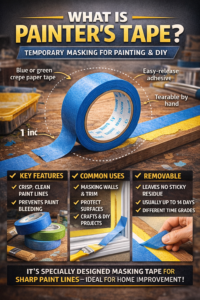
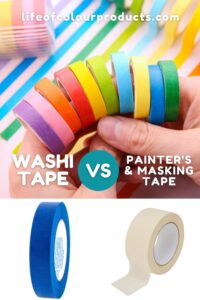
Not all tapes are equal. Choose tape by adhesive type, tack, and dwell time rating.
- Blue multi-surface tape: Medium tack. Good for cured latex on drywall and trim.
- Green or “sharp line” tape: Often higher tack for crisp edges. Great on cured paint, wood, and tile.
- Low-tack or delicate surface tape (often purple or cream): Best for fresh paint, wallpaper, or fragile finishes.
- General masking tape: Usually higher tack, aging fast, and not ideal for walls.
Check the “safe-release window” on the label. It may say remove within 14 or 21 days. Longer windows often mean lower tack and UV resistance. If you still wonder, does painters tape damage walls, remember this: match low-tack tape to weak or fresh surfaces every time.
Timing Rules: When to Apply and Remove Tape
Most wall paint feels dry within hours but takes far longer to cure. Latex paint can need 7 to 30 days to reach full hardness. Low-VOC paints sometimes cure even slower. Alkyd and oil paints cure harder but still need days.
Smart timing:
- After painting, wait at least 24 hours before taping. For best safety, wait 3 to 7 days.
- In humid rooms, extend that wait time.
- Remove tape while the last coat is still slightly tacky for the sharpest line, or wait until it’s dry-to-touch and score first.
People ask, does painters tape damage walls if left on too long? Yes, long dwell times raise the risk. Adhesive can harden and grip more.
Can I Use Painters Tape For Sublimation?– Heat Safety &Expert Tips
Prep Steps That Prevent Damage
Good prep is your airbag. It reduces pull and protects weak areas.
- Clean surfaces: Dust and grease weaken paint. Wipe with a damp cloth and let dry.
- Test a small patch: Stick and remove a 2-inch strip. Watch for lifting.
- Prime repairs: If you patched spots, prime before taping.
- De-tack for delicate areas: Lightly touch the tape to clean fabric to lower initial grip.
Ask yourself again, does painters tape damage walls? With proper prep, the odds drop fast.
How to Apply Tape the Right Way
Application is where most people overdo it. Firm does not mean force.
- Align carefully, then press with a plastic spreader or a clean putty knife.
- Seal the edge with light pressure only along the paint line.
- Do not stretch tape. Stretching makes it recoil and lift paint later.
- Overlap ends by an inch so removal starts clean.
Use short runs around corners and uneven edges. The slower you apply, the fewer surprises you’ll have when pulling it off. Done right, even skeptics stop asking, does painters tape damage walls, because they see clean, safe edges.
Safe Removal: Angles, Heat, and Scoring
Removal is the moment of truth. The method matters more than the brand.
- Pull low and slow at a 45–60 degree angle back over itself.
- If the edge fights you, warm it with a hair dryer on low. Heat softens the adhesive.
- Score the paint line with a sharp utility knife before pulling if the paint is fully dry.
- Keep the tape close to the wall to reduce upward force on paint.
If you stored tape in a hot garage, the adhesive may age and act stronger. That is when people say, does painters tape damage walls? A gentle warm-up and a scored edge often save the day.
Can I Use Painters Tape for Posters?– Safe Ways to Hang Wall Art
Special Surfaces and Situations
Some surfaces are always higher risk. Use extra care or skip tape.
- Fresh paint under 24 hours old: Avoid tape. Use a shield instead.
- Matte or chalky paint: Delicate tape only, and test first.
- Textured walls: Use a high-quality tape and press edges well. Expect some bleed; pair with a clear sealer for crisp lines.
- Wallpaper or veneer: Avoid tape if you can. Even low-tack can lift seams.
- Cold or humid rooms: Adhesives behave poorly. Warm the room or the tape.
This is where the question does painters tape damage walls becomes real. Know your surface, and the risk drops.
What To Do If Damage Happens
It happens, even to pros. Stay calm and fix it in steps.
- If paint lifts: Feather sand the edge, prime the spot, and touch up.
- If paper facing tears: Seal with a drywall sealer or shellac-based primer before patch and paint.
- If adhesive residue remains: Dab with warm, soapy water first. For stubborn spots, use citrus adhesive remover sparingly, then rinse and dry.
Document the paint brand and sheen for exact touch-ups later. When you troubleshoot well, you learn fast. The next time someone asks does painters tape damage walls, you’ll have proof and a plan.
Choosing the Right Tape: What Pros Look For
Pros read labels like chefs read recipes. Small details matter.
- Adhesive type: Acrylic adhesives tend to be more stable and cleaner to remove.
- Tack level: Look for “delicate,” “multi-surface,” or “high adhesion” and match to your wall.
- Clean removal window: Longer windows help on long projects and sunny rooms.
- Edge technology: Some tapes have paint-blocking gels for sharper lines.
- Storage: Keep tape sealed, upright, and cool. Heat ages adhesive.
If budget is tight, use premium tape only along the paint line and a cheaper option farther away. Smart selection turns does painters tape damage walls into a non-issue.
Real Lessons From the Field
I once taped a nursery 36 hours after painting with a low-VOC eggshell. Even with “delicate” tape, a test strip tugged at the corner. I waited two more days, scored my edges on removal, and had zero lift. Patience saved a repaint.
Another time, a client had chalky old paint in a hallway. A quick cross-hatch test showed poor adhesion. We spot-primed, used low-tack tape, and pulled warm at a low angle. Clean lines, no drama. Stories like these are why I answer does painters tape damage walls with “only if you rush or mismatch.”
Frequently Asked Questions of does painters tape damage walls
How long can painter’s tape stay on the wall?
Most low-tack tapes list 14 to 21 days for clean removal. Hot rooms or direct sun shorten that window, so remove sooner when possible.
Can I use painter’s tape on fresh paint?
Wait at least 24 hours, but 3 to 7 days is safer. Low-VOC paints often need more time to cure before you tape.
What if the tape pulls off paint?
Feather sand the area, prime the spot, and touch up with the same paint and sheen. Next time, use delicate tape and remove with heat and scoring.
Does temperature affect tape removal?
Yes. Cold makes adhesive stiff and grabby, while heat can over-bond cheap tape. Aim for room temperature and use a hair dryer on low if needed.
Is blue tape always safe for walls?
Blue tape is a good general choice, but not magic. Match the tape to the surface and age of paint, and test a small area first.
Conclusion
Painter’s tape is a tool, not a gamble. Match the tape to the surface, respect cure times, prep with care, and remove with control. If you still ask does painters tape damage walls, remember that the right tape, timing, and technique stack the odds in your favor.
Try a test strip today on a low spot, practice the removal angle, and build confidence before your next project. Want more smart paint tips and product breakdowns? Subscribe, share your questions, or drop your own tape wins and fails in the comments.