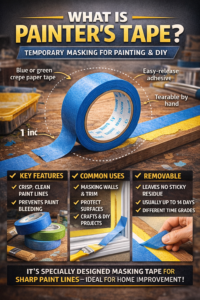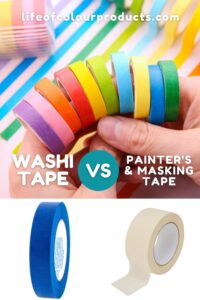
Yes, you can use painter’s tape for baseboards to create clean paint lines and protect adjacent surfaces. Painter’s tape helps prevent paint from bleeding onto floors or walls when applied firmly and evenly along the edge. For best results, press the tape down securely, paint carefully without overloading the brush or roller, and remove the tape while the paint is still slightly wet to avoid peeling.
The Professional Choice: Best Painter’s Tape for Baseboards
If you want that crisp, “factory-finish” line where your wall meets your baseboard, the quality of your tape matters more than the quality of your brush. Standard masking tape is too sticky and will bleed; you need a dedicated painter’s tape with edge-sealing technology.
Best for Sharp Lines Best for Delicate Surfaces Best Value Multi-Pack FrogTape Multi-Surface ScotchBlue Sharp Lines Lichamp 10-Pack PaintBlock Technology reacts with latex to seal edges instantly. Best for baseboards that were painted less than 30 days ago. Great for whole-house projects on a budget. Our Top Pick: FrogTape Multi-Surface Green Painter’s Tape
When people ask, “can i use painters tape for baseboards,” they are usually worried about paint “bleeding” underneath the tape. FrogTape is the only brand with PaintBlock, a polymer that reacts with the water in latex paint to form a micro-barrier.
- Why it works: It prevents those jagged, fuzzy lines that ruin a paint job.
Are you about to refresh your room with a new coat of paint and wondering if painter’s tape is the right choice for your baseboards? You’re not alone.
Getting those sharp, clean edges where the wall meets the baseboard can be tricky. Using painter’s tape might seem like an easy fix, but does it really work? Or could it cause more hassle than help? You’ll discover exactly when and how to use painter’s tape on your baseboards to get professional-looking results without the stress.
Keep reading, because a little tip can make all the difference in your next painting project!
Using Painters Tape On Baseboards
Using painters tape on baseboards helps achieve clean, sharp paint lines. It protects the baseboards from paint spills and smudges. Proper taping saves time on cleanup and ensures a professional finish. Choosing the right tape and applying it correctly matters for good results.
Not all painter’s tapes work well on baseboards. Some tapes stick too much and damage the surface when removed. Others do not stick enough and allow paint to bleed underneath. Knowing the types of tape and their uses guides you to the best choice.
Types Of Painters Tape
There are several types of painters tape available. General-purpose tapes work for most surfaces. Delicate surface tapes have low adhesion to protect sensitive areas. Medium adhesion tapes balance stickiness and easy removal. Specialty tapes resist paint bleed for sharp lines.
FrogTape and 3M ScotchBlue are popular brands. They offer tapes designed for trim and baseboards. These tapes help prevent paint from seeping under the edges. Choosing the right type depends on your baseboard material and paint type.
Can I Use Painters Tape For Plastic?– Safe Tapes & Best Practices Explained
Selecting The Right Tape For Baseboards
Baseboards often have wood, MDF, or painted surfaces. For wood, select tape with low to medium adhesion to avoid peeling paint. For smooth, painted baseboards, medium adhesion tape works well. Avoid tapes with strong glue on delicate surfaces.
Consider the length of your project. Some tapes lose stickiness over days. For longer projects, choose tape made for extended use. Also, pick tape with a width that covers the baseboard edge without wasting tape.
Tape Adhesion And Surface Compatibility
Tape adhesion affects how well it sticks and removes later. Too much adhesion can peel off paint or damage wood. Too little adhesion causes paint to bleed under the tape. Test a small area before taping the whole baseboard.
Clean the baseboards before applying tape. Dust and dirt reduce tape adhesion. Use rubbing alcohol or a mild cleaner for best results. Allow the surface to dry completely before taping.
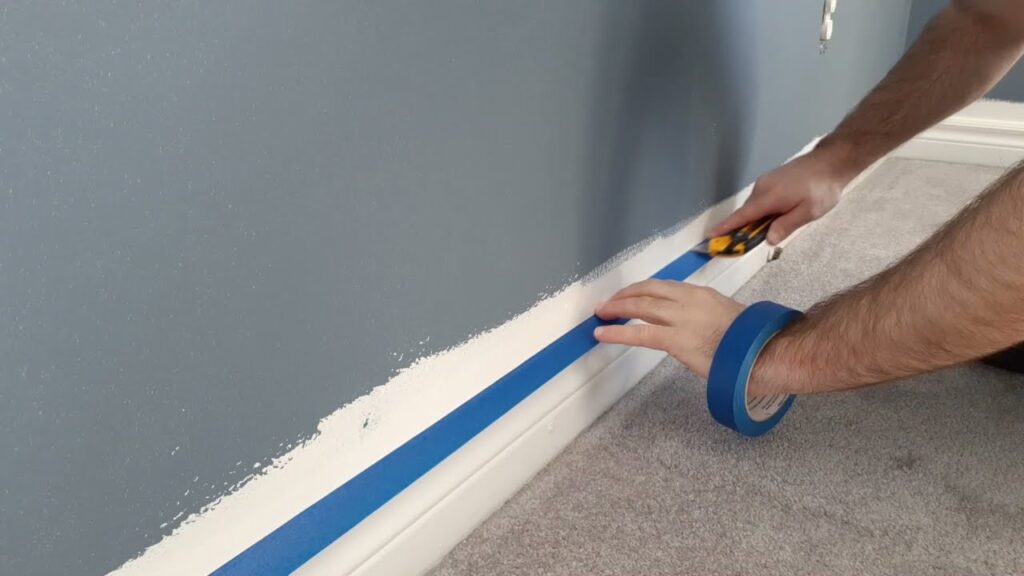
Press the tape firmly along the edge for a tight seal. Use a putty knife or your fingernail to secure edges. Remove tape soon after painting while paint is dry to avoid peeling.
Credit: www.youtube.com
Preparing Baseboards For Painting
Preparing baseboards for painting sets the stage for a smooth, professional finish. Proper preparation helps paint stick better and prevents messy edges. Taking time to clean, protect, and tape baseboards ensures your project looks neat and lasts longer.
Cleaning And Drying Baseboards
Start by removing dust and dirt from the baseboards. Use a damp cloth or mild cleaner to wipe the surface. Avoid harsh chemicals that might damage the wood or paint. Let the baseboards dry completely before painting. Dry surfaces help paint adhere evenly and reduce peeling later.
Protecting Surrounding Areas
Cover floors and nearby walls to avoid paint splatters. Use drop cloths or plastic sheets to protect carpets and hardwood floors. Secure the coverings firmly to prevent slipping. This step saves time on cleanup and keeps your home tidy.
Taping Techniques For Baseboards
Choose painter’s tape designed for delicate surfaces. Apply tape along the top edge of the baseboard. Press it down firmly to create a tight seal. Avoid stretching the tape, which can cause gaps or uneven lines. Remove the tape soon after painting while the paint is still wet. This prevents peeling and ensures clean edges.
Applying Painters Tape Correctly
Applying painter’s tape correctly is essential for neat, professional-looking baseboards. Proper application prevents messy edges and paint drips. It also saves time on clean-up. Follow simple steps to position, press, and seal the tape perfectly. This helps achieve clean lines and a smooth finish on your baseboards.
Positioning Tape For Clean Lines
Place the tape carefully along the edge of the baseboard. Align it exactly where the paint should stop. Avoid gaps or overlaps to ensure sharp lines. Use a steady hand and work slowly. Positioning the tape well reduces the chance of paint bleeding underneath.
Pressing Tape For Strong Seal
Press the tape firmly onto the surface. Use your finger or a flat tool to secure the edges. This creates a tight seal between the tape and baseboard. A strong seal blocks paint from seeping under the tape. Pressing evenly along the tape improves the final result.
Avoiding Paint Bleed Through
Apply thin coats of paint near the tape edge. Thick paint layers can cause bleed through. Remove the tape while the paint is still slightly wet. Pull the tape back slowly at a 45-degree angle. This technique reduces paint peeling and keeps lines clean.
Can I Use Painters Tape for Glass?– Avoid Streaks, Residue & Paint Bleed
Painting Tips For Baseboards
Painting baseboards can change the look of a room quickly. It requires care and the right technique for a neat finish. Using the correct tools and methods helps avoid mess and saves time. Here are some useful tips for painting baseboards effectively.
Brush Selection And Usage
Choose a high-quality angled brush for baseboards. It allows better control and precision near edges. A 2 to 2.5-inch brush fits most baseboards well. Dip the brush lightly and remove excess paint. Use smooth, even strokes to avoid drips and streaks. Paint in the direction of the wood grain for a cleaner look.
Painting Without Tape: When And How
Skipping tape is possible with steady hands and patience. Use a steady brush and slow, careful strokes. Hold the brush close to the bristles for better control. Paint the baseboard first, then the wall to prevent smudges. Clean up any mistakes immediately with a damp cloth. Practice makes painting without tape easier and neater.
Common Mistakes To Avoid
Do not overload the brush with paint; it causes drips. Avoid rushing as it leads to uneven coverage and smears. Skipping cleaning before painting can stop paint from sticking well. Paint in a well-lit area to spot missed spots. Remove tape slowly and at a 45-degree angle to prevent peeling.
Can I Use Painters Tape For Tile?– Prevent Residue and Ensure Sharp Edges
Removing Painters Tape
Removing painter’s tape is a crucial step after painting baseboards. It affects the final look of your paint job. Done right, it keeps edges sharp and clean. Done wrong, it can peel paint or leave sticky residue. Patience and care are key for best results.
Best Timing For Tape Removal
Remove painter’s tape while the paint is still slightly wet. This helps prevent paint from peeling off with the tape. Wait no longer than one hour after painting. If the paint dries fully, the tape may pull off paint layers. Slow and steady tape removal is safer.
Techniques To Prevent Paint Peeling
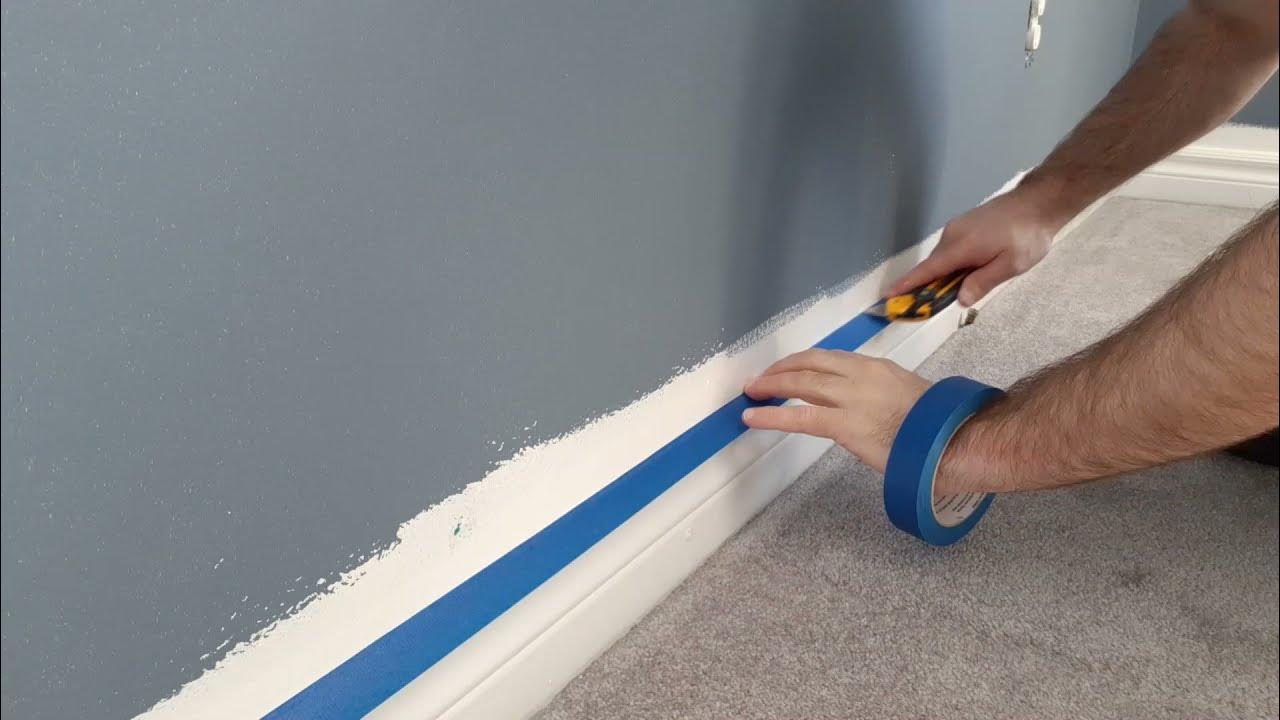
Pull the tape back slowly at a 45-degree angle. Use a steady hand and avoid sudden jerks. If the tape resists, score along the edge with a utility knife. This cuts any dried paint connecting to the tape. Keeping tension on the tape helps it come off cleanly.
Handling Tape Residue
Sometimes tape leaves sticky residue on the baseboards. Use a soft cloth dampened with warm soapy water to rub it gently. For stubborn residue, try rubbing alcohol or a commercial adhesive remover. Test these on a small area first to avoid damage. Clean residue improves the paint’s appearance and feel.

Credit: www.familyhandyman.com
Alternatives To Painters Tape
Painter’s tape is a common tool for protecting baseboards during painting. Still, some prefer other methods to avoid tape residue or peeling paint. Several alternatives offer clean edges and reduce prep time. These techniques suit different skill levels and project types.
Using Angled Brushes
Angled brushes help paint near baseboards without tape. Their slanted bristles offer better control and precision. Painters can cut in smoothly along edges. This method requires a steady hand but saves time. It also avoids tape removal and potential damage.
Caulking And Filling Gaps
Caulking fills gaps between walls and baseboards. It creates a smooth surface for painting. Small cracks or uneven edges become less noticeable. Use painter’s caulk that dries quickly and sands well. This step improves the finish and prevents paint bleed under the tape.
Other Protective Methods
Drop cloths and plastic sheeting protect floors and furniture. Masking paper can cover wider areas around baseboards. Some use low-tack adhesive films as an alternative to tape. These options reduce paint splatter and drips. They work well for large or messy jobs.
Expert Tips And Tricks
Using painter’s tape on baseboards needs some skill. Small tricks help you get clean, sharp lines without paint bleeding. These expert tips save time and make your work look neat and professional.
Follow these simple methods to avoid common painting problems. They work well for any skill level.
Dealing With Uneven Surfaces
Uneven baseboards can cause tape gaps. Press the tape firmly along the edges. Use a putty knife to smooth it down. This seals the tape better and stops paint from leaking underneath.
Choose a tape with strong adhesion but gentle on wood. Remove tape slowly to avoid peeling paint off rough spots.
Taping In Tight Spaces
Baseboards often meet corners and door frames. Cut small pieces of tape to fit these tight spots. Use scissors or a craft knife for clean cuts.
Overlap tape slightly to cover all edges. Check for loose ends and press them down well. This stops paint from seeping into cracks.
Enhancing Professional Finish
Remove tape while paint is still slightly wet. This prevents peeling and jagged edges. Pull tape back on itself slowly at a 45-degree angle.
Lightly sand the baseboards after paint dries. This smooths out rough spots and gives a polished look. Use a small brush to touch up any missed areas.
Credit: www.youtube.com
Frequently Asked Questions
How To Use Painters Tape For Baseboards?
Clean baseboards and dry surface. Apply painter’s tape along the top edge, pressing firmly. Paint walls carefully. Remove tape before paint fully dries for sharp lines.
What Is The Best Tape For Painting Baseboards?
The best tape for painting baseboards is a high-quality painter’s tape like FrogTape or 3M ScotchBlue. These tapes prevent paint bleed and ensure sharp, clean edges. Choose a tape designed for delicate surfaces to avoid damaging the baseboard finish. Apply firmly for best results.
Is Painters Tape Safe To Use On Wood?
Painters tape is safe on wood if you select a low-adhesive, wood-friendly brand. Apply gently and remove promptly to avoid damage.
Should I Tape Baseboards Before Painting?
Taping baseboards before painting ensures clean, sharp paint lines and protects surfaces from drips. Use painter’s tape for best results.
Conclusion
Painters tape works well for protecting baseboards during wall painting. Choose the right tape to avoid damage on wood surfaces. Apply tape carefully for clean, sharp paint lines. Remove tape soon after painting to prevent peeling. Using tape saves time and keeps your baseboards neat.
It’s a simple step that improves any painting job.