Can I Use Painters Tape for Ceiling Lines?
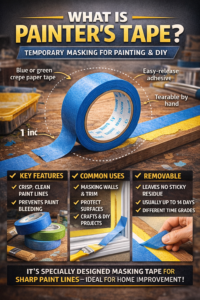
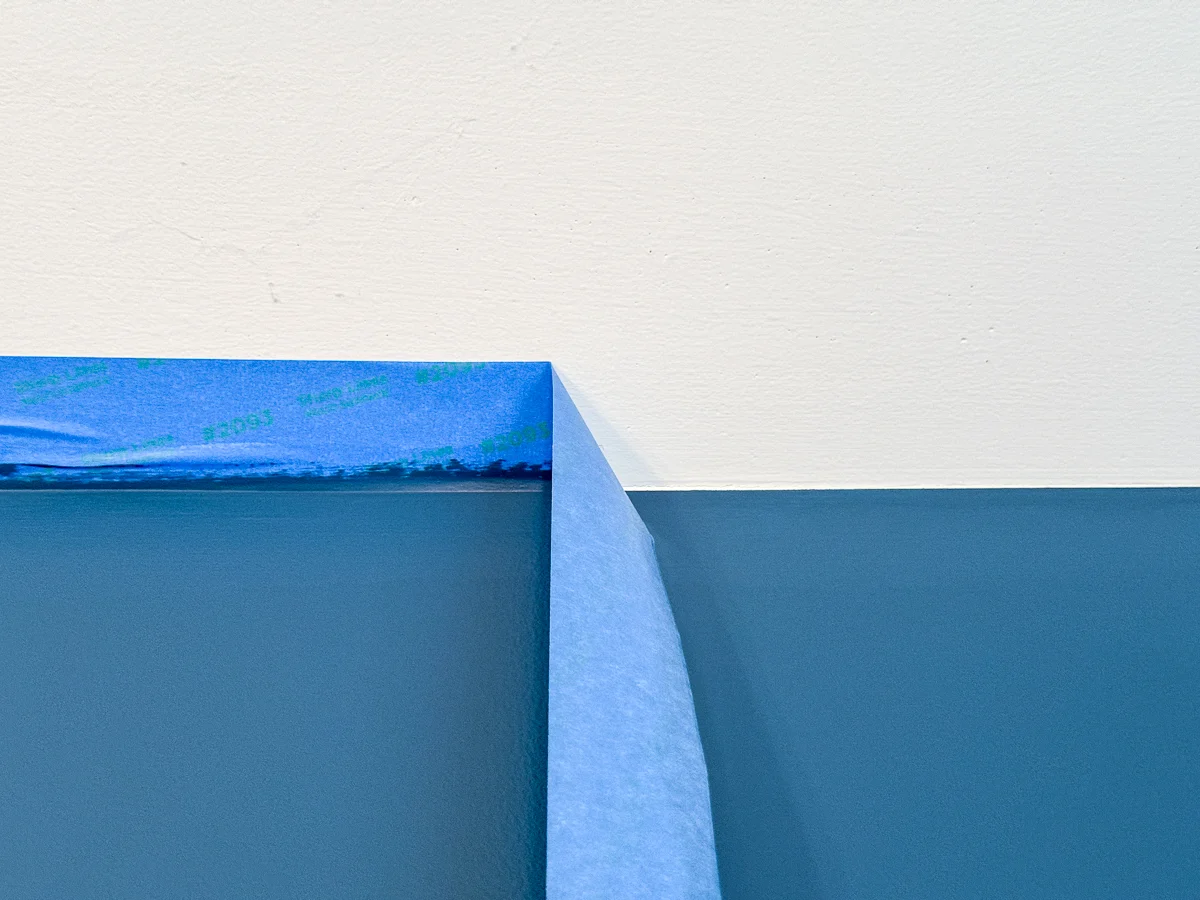
Yes, you can use painter’s tape for ceiling lines to create clean, sharp edges between the wall and ceiling. Properly applied tape helps prevent paint bleed and protects adjacent surfaces while cutting in. For best results, press the tape firmly along the edge, seal it by lightly brushing the base color first, and remove it at a 45-degree angle before the paint fully dries. Using high-quality painter’s tape and smooth application techniques ensures crisp ceiling lines.
The Secret to Sharp Edges: Our Top Recommendation for Ceiling Lines
Best Overall for Ceilings Best for Delicate/Fresh Paint Best Budget Pick FrogTape Multi-Surface ScotchBlue Delicate Surface ScotchBlue Original Treated with PaintBlock to stop bleeds instantly. Won’t peel ceiling paint that was applied recently. Good for smooth, well-cured plaster ceilings. Why We Recommend: FrogTape Green Multi-Surface
When people ask, “can I use painter’s tape for ceiling lines?”, they are usually worried about wavy edges. FrogTape is the only brand treated with a super-absorbent polymer that reacts with the water in latex paint to form a micro-barrier.
- Why it works: It creates a physical seal that prevents “spidering” into ceiling textures.
- Pro Tip: After applying, run a damp cloth over the edge of the tape to “activate” the seal before you start painting.
If you have ever asked, can i use painters tape for ceiling lines, you are in the right place. I have taped more rooms than I can count, from new builds to fussy old plaster. In this guide, I share what works, what fails, and how to get pro results without stress. You will learn setup, tape choice, edge-seal tricks, and fixes for bleed and peel.
Can I Use Painters Tape for Laminate Flooring?– Safe Options & Best Practices
What painters tape can and cannot do for ceiling lines
Painters tape is a guide, not a magic wand. It helps you paint neat lines across long runs and tight corners. It also protects trim and crown while you roll walls. Yet tape will not hide poor prep or bad paint.
Here is the short list of wins:
- Helps form a clean, straight edge across long spans.
- Boosts speed for new DIYers and when ceilings are bright white.
- Saves time around crown, beams, and built-ins.
Here are the limits:
- Tape can bleed if walls are dusty, glossy, or textured.
- Wrong tape can pull fresh paint or drywall paper.
- Tape edges can ridge if paint is too thick.
People ask, can i use painters tape for ceiling lines on any surface? Yes, but you must match tape, prep, and paint to the job. If you treat tape as one step in a system, it shines. If you rush, it can fail.

Can I Use Painters Tape for Baseboards?– What Painters Recommend
Step-by-step: How to use painters tape for razor-sharp ceiling lines
Can i use painters tape for ceiling lines and get pro results? Follow these steps. This is the method I teach new crew members.
- Clean and degloss. Dust the ceiling edge and the top inch of the wall. If glossy, scuff with a fine pad and wipe.
- Check cure. Wall paint should cure per the can, often 7–30 days. Fresh paint peels if you tape too soon.
- Choose tape. Use delicate-surface tape on cured paint. Use standard tape on bare primer or sturdy finishes.
- Snap a guide. Use a light pencil tick every 2–3 feet where the line will sit. Align to crown or to the straightest run.
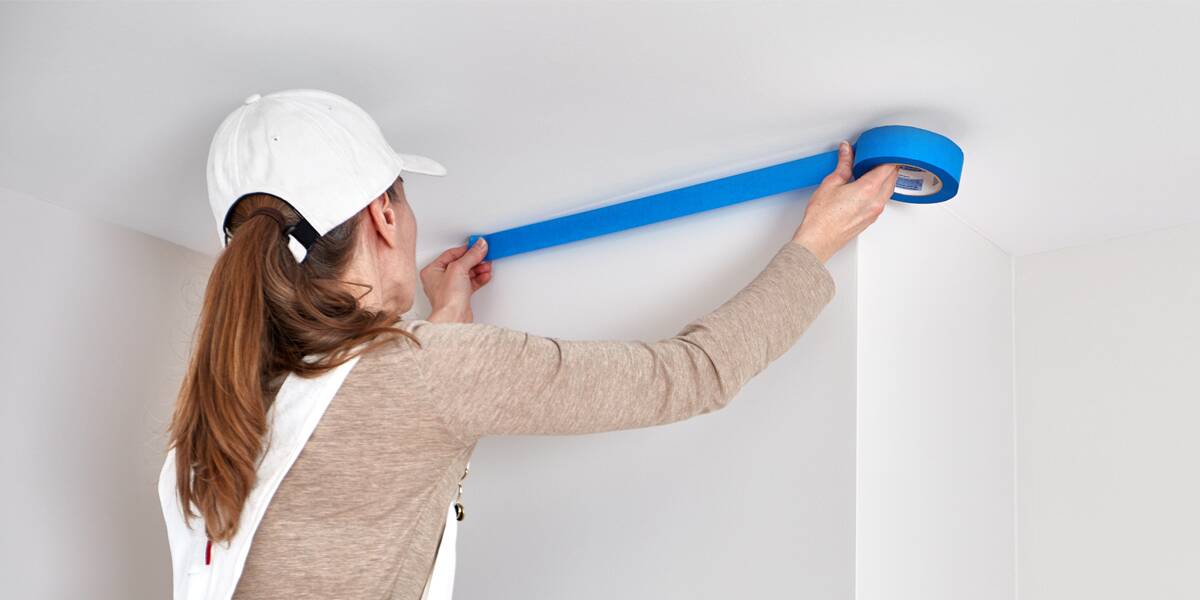
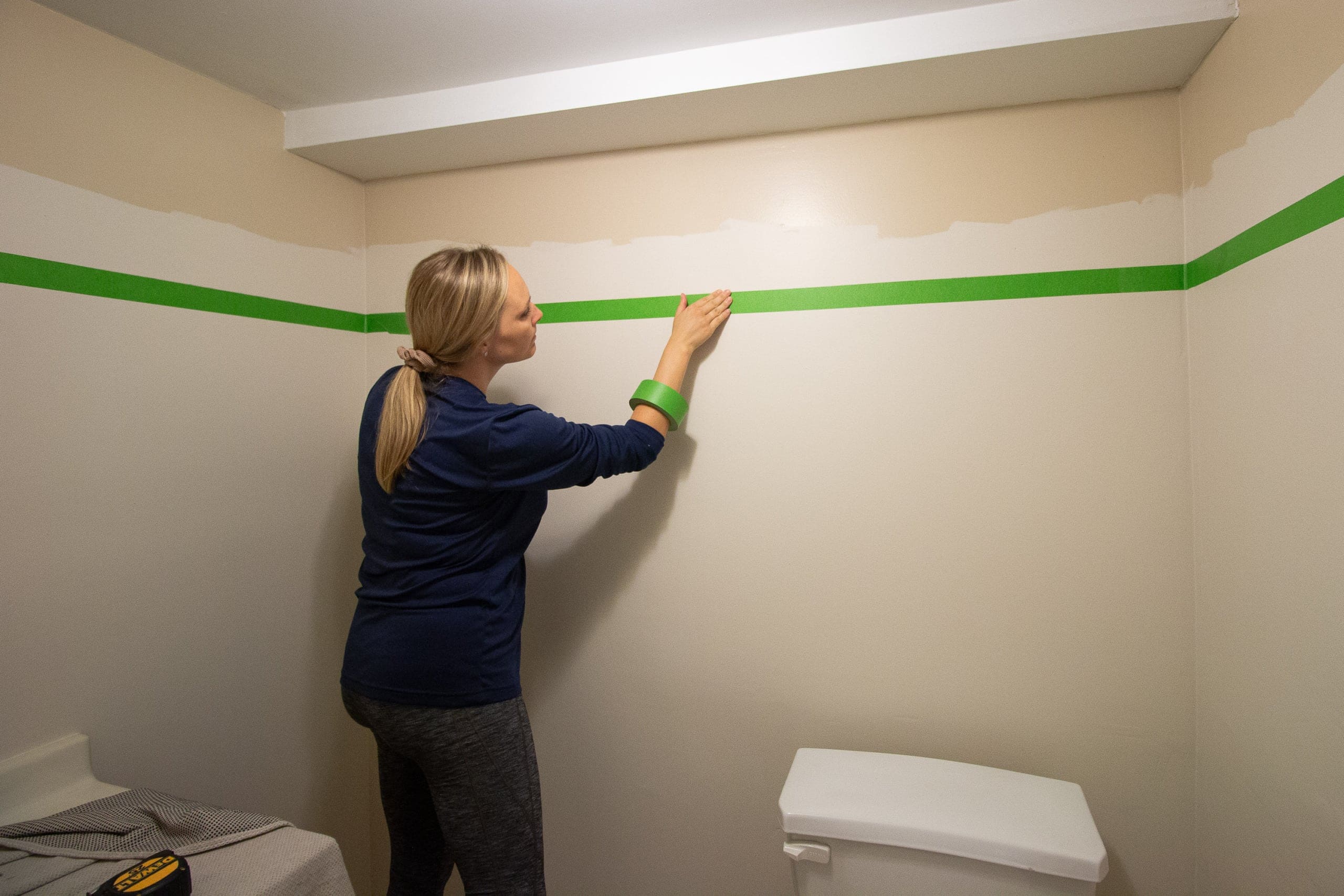
- Apply tape in short runs. Overlap ends by a half inch. Press with a plastic card to burnish the edge against the wall.
- Seal the edge. Brush a thin bead of the wall color over the tape edge. Let it dry. This locks fibers and gaps.
- Paint the ceiling color. Cut the edge with a quality angled brush. Then roll the field while the edge is still tacky.
- Pull soon. Score the paint film with a sharp blade. Remove tape at a 45-degree angle while the ceiling paint is soft.
- Inspect. Touch up tiny nicks with a small artist brush while paint is fresh.
- Final pass. If needed, do one very light second coat on the ceiling edge and pull tape again.
I have tested this process on smooth drywall, light orange peel, and mild knockdown. The seal coat step is the difference maker.
Can I Use Painters Tape For Trim?– – How to Get Clean, Sharp Edges
Choose the right tape and paint
Not all tape is the same. Pick tape to fit the surface, paint type, and timeline.
Tape types I use most:
- Delicate-surface tape. Low tack. Great over cured eggshell or flat. Good on older walls.
- Standard multi-surface tape. Medium tack. Use on primed drywall and trim.
- Edge-seal tape with gel barrier. Helps stop bleed on light textures.
Key paint notes:
- Flat and matte hide lines but can scuff. Eggshell and satin wipe clean but may flash if too thick at the edge.
- Latex paints need cure time before taping. Many brands suggest at least 24 hours to dry and up to 30 days to cure.
- High humidity slows dry. Plan more time in a bathroom or kitchen.
Manufacturer guides note that tape can sit for a set time, often 14 days, before removal. Still, I remove tape the same day for safer edges. If you wonder, can i use painters tape for ceiling lines with high-gloss paint, you can, but seal the edge and pull early.

Avoid bleed and damage: pro tricks I swear by
Over the years, a few habits have saved me hours of fixes.
- Burnish every foot. Run a plastic card along the tape edge. Heat from your hand helps it stick.
- Seal with base color. A thin pass of the wall color over the tape edge fills micro gaps.
- Go light on coats. Two thin coats beat one heavy coat. Less chance of ridges.
- Score before you pull. Break the paint film with a sharp blade for a clean release.
- Pull low and slow. Aim for a 45-degree angle away from the fresh paint.
- Mind the clock. Paint, then pull while the top coat is still a bit soft.
Real-world tip: On a 1920s bungalow, the plaster waved a bit. I set my tape to the straightest sight line, not the lumpy ceiling. The room felt square, and the line looked sharp. That choice matters more than chasing every dip. If you ask, can i use painters tape for ceiling lines in a crooked room, yes, but honor what your eye sees first.
Special cases: textured ceilings, popcorn, crown, and baths
Textured ceilings bring risk. Tape does not seal well over peaks and pits.
Here is how I handle tricky spots:
- Light orange peel. Use edge-seal tape or seal the edge with wall color. Press hard along the line.
- Knockdown. Seal with wall color, then ceiling color. Keep coats thin.
- Popcorn. Do not tape the texture. Cut in by hand or create a caulk line on the wall side.
- Crown molding. Tape the crown, not the ceiling. Seal the tape edge on the crown with its own color.
- Bathrooms. Steam slows dry. Run a fan. Extend dry times. Pull tape sooner to stop glue marks.
So, can i use painters tape for ceiling lines on popcorn? You can try, but cutting in is safer and cleaner in most cases.
Fixing issues: bleed, ridges, and peel
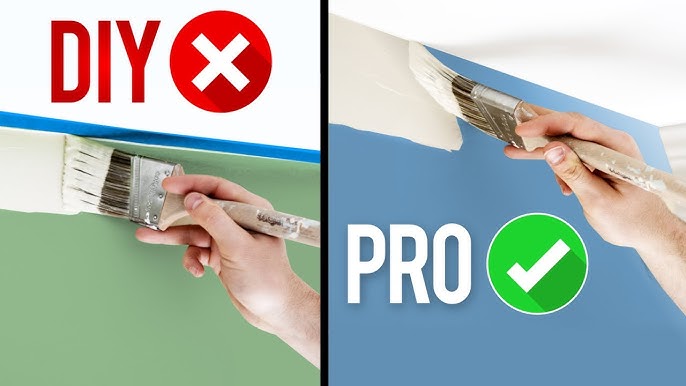
Even with care, things can go off. Here is how to recover fast.
Bleed under the tape:
- Let the ceiling paint dry.
- Use a small angled brush and the wall color to touch the line.
- If the gap is wide, set a short strip of tape and touch up again.
Ridge lines:
- Lightly sand the ridge with a fine grit pad once dry.
- Dust off. Feather with a thin coat of the wall color.
Pulled paint:
- Stop and breathe. Prime the spot with a bonding primer.
- Sand smooth when dry. Repaint the wall color, then the ceiling edge.
If you worry, can i use painters tape for ceiling lines without risking peel, use delicate tape on cured paint and slow, scored removal.
Time, cost, and value for DIYers
Is it worth it? For most people, yes. Tape gives a safety net while your brush skills grow.
What to expect:
- Cost. Quality tape runs a few dollars per roll. Expect one roll per room edge line.
- Time. Add about 45–90 minutes to tape and seal a mid-size room.
- Payoff. Fewer touch-ups. Cleaner edges in bright light. Less stress at corners.
If your main goal is speed, learn to cut in by hand. If your goal is a sharp line fast, can i use painters tape for ceiling lines is a smart yes.
Frequently Asked Questions of can i use painters tape for ceiling lines
Can I use painters tape for ceiling lines on textured ceilings?
Yes, but seal the edge with the wall color first. On heavy texture or popcorn, cutting in is safer and cleaner.
Which tape width is best for ceiling lines?
Use 1.41 to 1.88 inch wide tape for a stable edge. Wider tape gives more spill room when you roll fast.
Should I remove tape while the paint is wet or dry?
Remove while the top coat is still slightly soft. Score first, then peel at a 45-degree angle for a crisp release.
How long can tape stay on the wall?
Most tapes are safe for up to 14 days, per maker notes. Still, I pull the same day to avoid residue and bond issues.
Will painters tape damage fresh paint?
It can if the paint has not cured. Wait the cure time on the can, and use delicate-surface tape to lower the risk.
Can I skip sealing the edge and still get a clean line?
Sometimes, on very smooth walls and top-tier tapes. Sealing the edge with the wall color is still the most reliable method.
Conclusion
You can use painters tape for ceiling lines and get sharp, pro edges if you prep well, pick the right tape, seal the edge, and pull at the right time. Treat tape as part of a system, not a shortcut, and it will pay you back with crisp lines and fewer fixes.
Try it on your next room. Start with one wall, follow the steps, and build your rhythm. If this helped, subscribe for more paint tips, or drop a comment with your room size and I will suggest a custom plan.