Adhesive tape is a thin strip of material coated with a sticky substance that allows it to bond two surfaces together. It comes in various types, including pressure-sensitive, heat-activated, and water-activated tapes, each designed for specific uses like packaging, masking, electrical insulation, or medical applications. The backing can be made of paper, plastic, cloth, or metal foil, while the adhesive provides temporary or permanent sticking power. Adhesive tape is widely used in homes, offices, and industries for sealing, repairing, and mounting tasks.
Top-Rated Adhesive Tapes for Every Project
Not all tapes are created equal. Depending on whether you’re hanging a picture or sealing a drafty window, you’ll need a specific formula. Here are the gold standards available on Amazon.
Project Type Best Product Recommendation Key Advantage No-Drill Mounting Gorilla Tough & Clear Double Sided Holds up to 15lbs; weatherproof. Heavy Duty Repair T-Rex Ferociously Strong Duct Tape Double-thick adhesive; UV resistant. Delicate Painting FrogTape Multi-Surface Painter’s Tape PaintBlock technology for sharp lines. The Must-Have for Every Toolbox: Gorilla Tough & Clear Mounting Tape
When people ask, “What is adhesive tape capable of?” this is the answer. It replaces nails and screws for most indoor and outdoor projects.
Pro Tip: For the strongest bond, clean both surfaces with rubbing alcohol before applying.
Why it’s a bestseller: It bonds to smooth and rough surfaces alike, including glass and brick.
Adhesive tape is a flexible strip with glue that sticks when pressed onto surfaces.
If you’ve ever patched a box, masked a wall, or fixed a loose cable, you’ve used adhesive tape. In this guide, I’ll break down What is adhesive tape? with clear definitions, real-world examples, and expert tips from years of hands-on use. You’ll learn how it works, which type to pick, and how to apply it like a pro.
What is adhesive tape? Definition and core parts
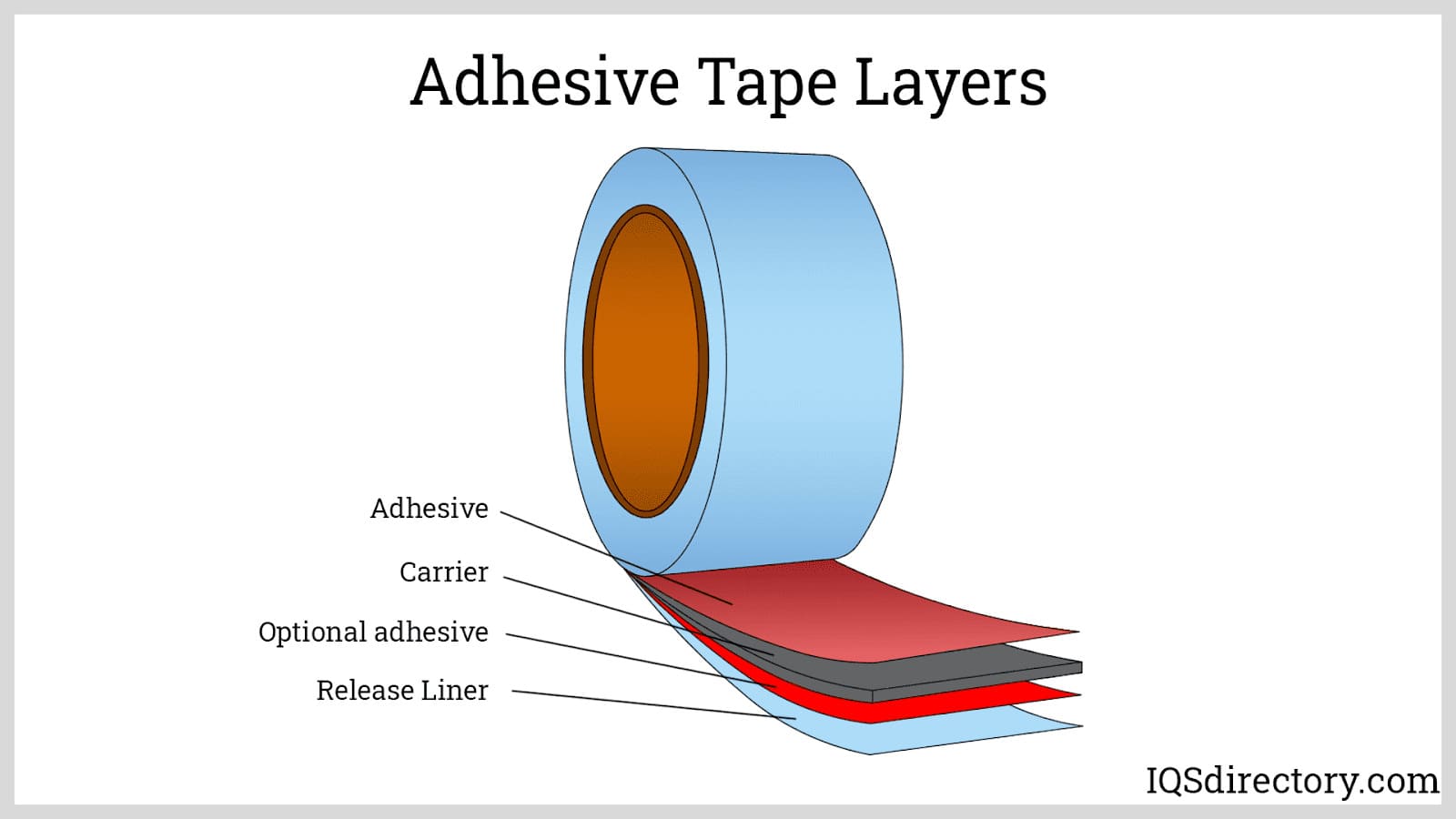
Adhesive tape is a bonding tool made of three simple parts: a backing, an adhesive layer, and sometimes a release liner. Most tape today is pressure-sensitive, which means it sticks when you press it with your fingers. Other types of adhesive tape activate with water, heat, or a solvent.
Here’s what each part does:
- Backing: The film, paper, cloth, or foil that gives the tape strength and shape.
- Adhesive: The sticky layer that bonds to the surface. Common types are rubber, acrylic, and silicone.
- Release liner: A removable sheet that protects the adhesive on double-sided or specialty tapes.
In my work managing packaging lines, switching from plastic packing tape to water-activated paper tape cut carton failures and residue. That choice saved rework, boosted seal strength, and made recycling easier. The right adhesive tape can make a job faster, cleaner, and safer.
How Does Adhesive Tape Work? – Why It Sticks and Where It Fails
.jpg)
How adhesive tape works: The science in plain words
Pressure-sensitive adhesive tape sticks because the glue is viscoelastic. That means it flows a tiny bit under pressure to wet the surface, then resists sliding with its inner strength. Good “wet-out” needs enough pressure, clean surfaces, and time to build the bond.
Surface energy matters. High-energy surfaces like metal and glass are easy for adhesive tape. Low-energy plastics like polyethylene and polypropylene are harder. Temperature also changes performance. Bonds weaken in cold, soften in heat, and age faster in sun and moisture.
PAA-style quick answers:
Does more pressure make tape stick better?
Yes, up to a point. Firm, even pressure helps the adhesive tape wet the surface and raise initial tack.
Why won’t tape stick to some plastics?
Low surface energy repels the adhesive. Use a primer, a flame/corona treatment, or a tape made for LSE plastics.
How long does a bond take to reach full strength?
Many tapes reach most strength in minutes but continue to build for 24–72 hours. Check the data sheet for dwell time.
Types of adhesive tape and when to use each
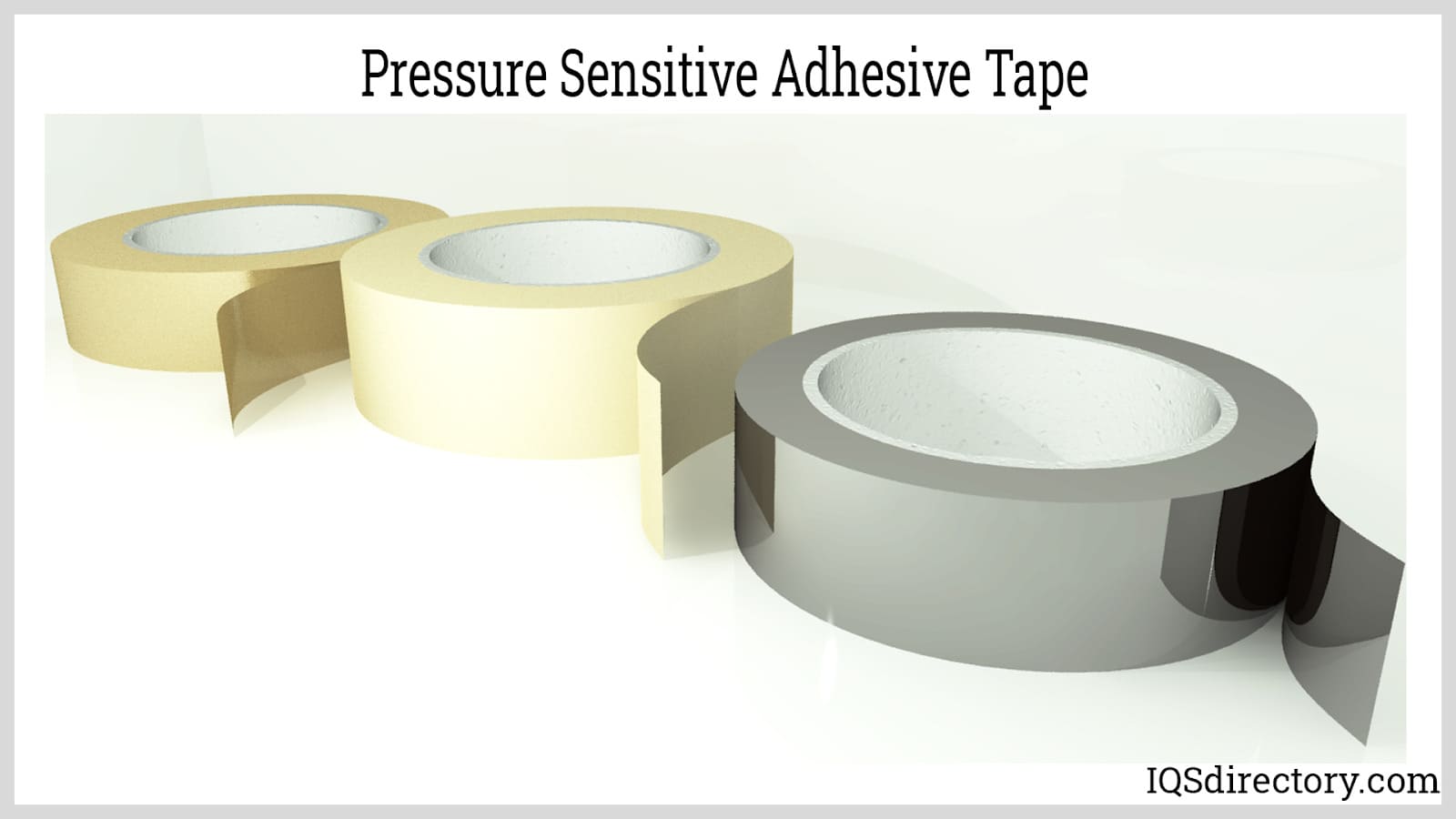
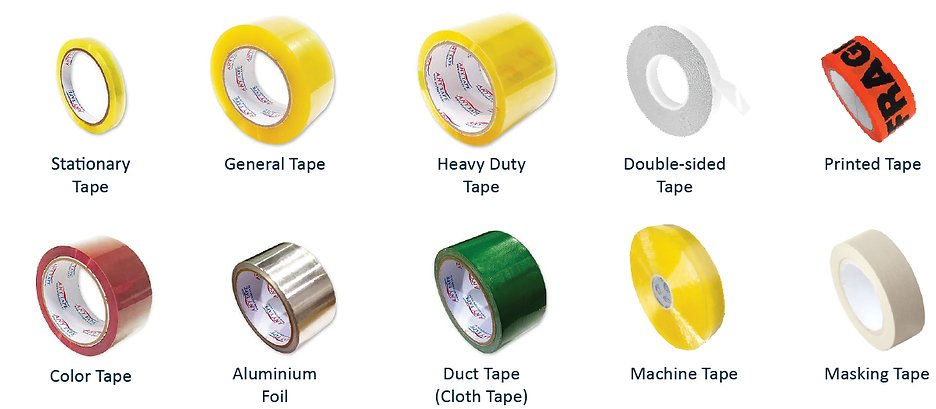
There are many kinds of adhesive tape. Pick the type that fits your surface, load, and environment.
By backing:
- Paper tape: Cartons and painting. Tears by hand and removes cleanly in the short term.
- Cloth/gaffer tape: Strong, matte finish, and hand-tearable. Great for film sets and stage work.
- Film tape (PP, PE, PVC, PET): Packing, labeling, and general use. Smooth and durable.
- Foam tape: Gap-filling and vibration damping. Ideal for mounting and sealing.
- Foil tape (aluminum): HVAC and high-heat jobs. Good for heat reflection and sealing.
- Polyimide/Kapton tape: Electronics and soldering. Handles very high heat.
- PTFE tape: Low-friction and non-stick jobs. Also used as thread seal tape.
By adhesive chemistry:
- Rubber adhesive: High initial tack and good on many surfaces. Lower heat and UV resistance.
- Acrylic adhesive: Balanced performance, better UV and temperature resistance, longer life.
- Silicone adhesive: Best for high heat and hard-to-stick materials like silicone rubbers.
By function:
- Masking and painter’s tape: Clean removal and sharp paint lines.
- Packing tape: Carton sealing with hand or machine dispensers.
- Duct tape: Heavy-duty, quick fixes, and bundling.
- Electrical tape: Insulation, color coding, and moisture resistance.
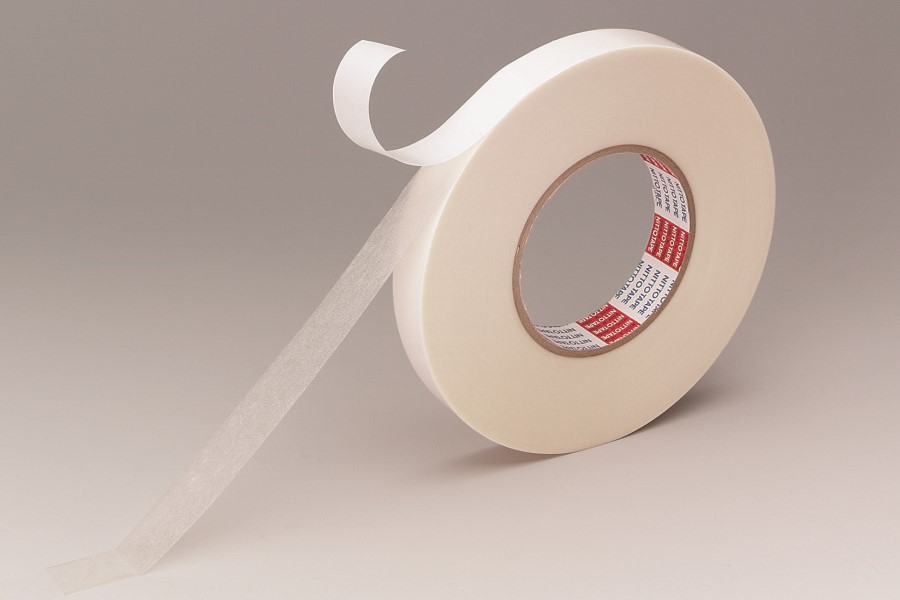
- Double-sided tape: Mounting, splicing, and bonding panels.
- Medical and sports tape: Skin-safe, breathable, and flexible.
- High-bond structural tape (like VHB-style): Replaces rivets or screws in some builds.
Key properties and performance metrics
When you compare adhesive tape, look at measurable specs. These help you pick the right roll with confidence.
Core metrics:
- Tack: How fast it grabs on contact. Often tested as loop tack.
- Peel adhesion: Force to remove tape from a surface at a set angle. Look for values like adhesion to steel.
- Shear strength: Resistance to sliding under load. Tells you how well a tape holds over time.
- Temperature range: Lowest and highest working temperatures. Some tapes work from -40°F to 300°F or more.
- UV and weather resistance: How it handles sun, moisture, and aging.
- Thickness and density: Affects conformability and gap fill. Expressed in mils or microns.
- Tensile strength and elongation: How much the backing stretches before breaking.
- Electrical and flame ratings: For electrical tape, look for dielectric strength and UL listings.
Common standards include ASTM tests for peel (D3330), shear (D3654), and tack (D2979), and UL 510 for electrical tape. Data sheets use these to show how an adhesive tape should perform.
Real-world uses and industry applications
Adhesive tape shows up in more places than you think. Here are common fields where the right choice matters.
- Home and DIY: Hanging hooks, sealing boxes, and quick fixes. Painter’s tape saves your trim.
- Construction: Masking, floor protection, weather sealing, and flashing with foil tapes.
- Automotive: Wire harness wrap, trim attachment with foam tape, and vibration control.
- Electronics: Insulation with polyimide tape, EMI shielding with foil, and component masking.
- HVAC: Sealing ducts and insulation with UL-rated foil tapes.
- Packaging: Carton sealing with packing tape or water-activated paper tape.
- Medical and sports: Surgical tape for dressings, kinesiology tape for support, skin-friendly adhesives.
A quick story: We had signage falling from textured walls. Screws were not an option. A switch to a thicker acrylic foam adhesive tape solved it. The foam filled the texture, and the acrylic held strong through heat and cold.
Choosing the right adhesive tape: A step-by-step guide
Use this simple process to pick an adhesive tape that works the first time.
- Define the surface. Is it smooth, rough, painted, or low-energy plastic?
- Check the environment. Temperature swings, UV, moisture, and chemicals change tape life.
- Set the load and time. Light, medium, or heavy load over minutes, hours, or years?
- Decide on removability. Do you want permanent, removable, or repositionable?
- Consider thickness. Do you need to fill gaps or keep a low profile?
- Verify rules and ratings. Look for UL, medical-grade, food-contact, or cleanroom needs.
- Test before rollout. Clean, apply pressure, and wait at least 24 hours. Adjust if needed.
- Add up costs. Count the labor saved by faster, cleaner application and fewer failures.
Application, storage, and removal tips
Better technique makes adhesive tape last longer and bond stronger. These field-tested tips help.
Application:
- Clean the surface: Use isopropyl alcohol and a lint-free cloth.
- Warm it up: Room temperature boosts tack. Cold makes tape stiff and weak.
- Use firm pressure: A roller or squeegee raises contact and reduces bubbles.
- Allow dwell time: Strength builds over 24–72 hours for many tapes.
Storage:
- Keep cool and dry: 60–80°F with low humidity is ideal.
- Store flat and sealed: Dust and UV can hurt adhesive tape over time.
- Rotate stock: First in, first out to avoid old, dry rolls.
Removal and residue:
- Go slow and low: Pull back at 180° to reduce lifting or tearing.
- Add heat: A hair dryer softens the adhesive for cleaner removal.
- Remove residue: Use adhesive remover or isopropyl alcohol. Test on a small spot first.
Environmental and safety notes
Adhesive tape can affect recycling and indoor air. Plan with that in mind.
- Carton recycling: Water-activated paper tape bonds to paper and is easier to recycle with boxes.
- Plastics: Many plastic-backed tapes complicate recycling streams. Use paper where you can.
- VOCs and odor: Choose low-VOC, water-based, or solvent-free options for indoor work.
- Skin safety: Look for hypoallergenic, latex-free medical tapes for sensitive skin.
- Compliance: For electrical work, use UL-listed adhesive tape. For global trade, check RoHS and REACH.
Every bond has trade-offs. Rubber adhesives grab fast but age quicker in sun. Acrylic adhesives last longer outdoors. Silicone adhesives handle heat but may cost more. Match the tape to the job, not the other way around.
Troubleshooting common tape problems
If adhesive tape is not sticking, the fix is often simple.
- Falling off in cold: Warm the parts and use a cold-rated acrylic adhesive tape.
- Peeling from textured walls: Switch to thicker foam tape for gap fill and more wet-out.
- Residue on removal: Use painter’s or removable tape, or pull off sooner. Heat helps clean release.
- Lifting on low-energy plastics: Use an LSE primer or a tape designed for PP/PE.
- Sliding under weight: Raise shear strength. Use a foam acrylic or a structural mounting tape.
- Paint bleed on edges: Use a sharp, paint-specific masking tape and press the edge firmly.
Frequently Asked Questions of What is adhesive tape?
Is adhesive tape waterproof?
Some adhesive tape is waterproof, like certain foil, PVC, or specialty outdoor tapes. Always check the data sheet because “water-resistant” and “waterproof” are not the same.
Can adhesive tape replace screws or rivets?
High-bond foam acrylic tapes can replace mechanical fasteners in some cases. They spread stress, reduce vibration, and avoid holes, but you must follow load and prep rules.
What removes tape residue safely?
Start with isopropyl alcohol on a soft cloth. For tougher residue, use a commercial adhesive remover and test on a hidden spot first.
Why does adhesive tape fail on dusty or oily surfaces?
Dust and oil block contact, so the adhesive cannot wet the surface. Clean with alcohol, dry fully, and apply firm pressure.
How long does adhesive tape last in storage?
Most rolls last 12–24 months in a cool, dry place away from sun. Age reduces tack and can cause dried edges or uneven unwind.
Which adhesive is best for high heat?
Silicone adhesive tape handles very high temperatures. Polyimide-backed tapes are common in electronics and soldering work.
Can I use adhesive tape on skin?
Only use medical or skin-safe tapes that are hypoallergenic and breathable. Always test on a small area if you have sensitive skin.
Conclusion
Adhesive tape is simple on the surface but powerful when you know how to use it. Pick the right backing and adhesive, prep your surface, apply firm pressure, and allow time to build strength. With these steps, your bonds will be cleaner, stronger, and more reliable.
Try one small test today: choose a job, clean the surface well, and compare two tapes side by side. If this guide helped, share it with a friend, subscribe for more practical tips, or drop your question in the comments.