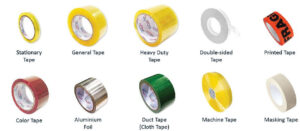
There are many types of adhesive tape, each designed for specific tasks such as sealing, bonding, insulating, or masking. Common types include duct tape for heavy-duty repairs, masking tape for painting, electrical tape for insulating wires, double-sided tape for bonding surfaces, packing tape for sealing boxes, and painter’s tape for clean paint lines. Specialty options like foam tape, cloth tape, aluminum foil tape, and medical tape serve industrial, construction, or healthcare needs. Choosing the right adhesive tape depends on the surface, strength required, and environmental conditions.
Packing and Shipping Tape
The workhorse of the home office. Usually made of polypropylene, it’s designed to stick to cardboard and withstand the friction of shipping.
- Best for: Sealing heavy boxes.
- Top Pick: Scotch Heavy Duty Shipping Tape. It’s the industry standard because it doesn’t split mid-roll.
Masking and Painter’s Tape
Pressure-sensitive tape with a paper backing. It has a low-tack adhesive designed to be removed without leaving residue or pulling up surface finishes.+1
- Best for: Painting edges or temporary labeling.
- Top Pick: ScotchBlue Sharp Lines Painter’s Tape.
Duct Tape (Cloth Tape)
A high-strength, fabric-reinforced tape. It is water-resistant and incredibly strong, making it the “fix-all” for temporary repairs.+1
- Best for: Outdoor repairs, bundling, and waterproofing.
- Top Pick: Gorilla Black Duct Tape (The “tough” choice for heavy-duty fixes).
Double-Sided and Mounting Tape
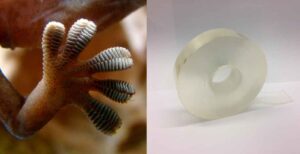
Adhesive on both sides. Modern “Nano” tapes have replaced traditional foam mounting tapes for hanging decor without drills.
Best for: Hanging mirrors, LED strips, or posters.
Adhesive tapes include duct, masking, packaging, electrical, medical, foam, and specialty types.
Tape looks simple. Yet the right roll can save time, money, and stress. In this guide, I’ll break down What are the different types of adhesive tape?, how they work, and where each one shines. You’ll get clear tips, tested examples, and practical advice from years of hands-on use.
How adhesive tape works
Every tape has three parts. There is a backing, an adhesive, and a release liner or coating. The backing gives strength. The adhesive provides grip. The release coating stops the roll from sticking to itself.
To answer What are the different types of adhesive tape?, it helps to know how adhesives behave. There are three common adhesive families:
- Rubber adhesives. High initial tack, good on rough surfaces, lower heat and UV resistance.
- Acrylic adhesives. Balanced tack, strong long-term hold, good UV and temperature resistance.
- Silicone adhesives. Best for high heat and low-surface-energy plastics, lower initial tack, higher cost.
Performance depends on three forces:
- Tack. How fast it grabs on contact.
- Peel strength. How hard it is to pull off at an angle.
- Shear strength. How well it holds under steady load.
Other factors matter too. Surface energy, texture, temperature, and cleanliness can make or break a bond. A clean, dry, room-temperature surface is ideal for most tapes.
Types of adhesive tape explained
When people ask What are the different types of adhesive tape?, the answer spans many families. Below is a clear map with uses, benefits, and limits.
Paper-based tapes
- Masking and painter’s tape. Paper backing with rubber or acrylic adhesive. Great for paint lines and light bundling. Removes cleanly if you follow the rated time.
- Kraft paper and water-activated tape. Reinforced paper used for sealing boxes. Strong bond to cardboard. Tamper-evident and recyclable with the box.
Pros: Easy to tear by hand. Good for labeling.
Cons: Lower water and tear resistance.
Plastic film tapes
- Polypropylene packaging tape. Common box tape. Economical, clear or tan. Needs pressure to seal well.
- PVC tape. Smooth unwind, good for carton sealing and color coding. Often thicker and more conformable.
- Polyester (PET) tape. Stable, heat resistant, clean release. Used in powder coating, splicing, and masking.
- Polyethylene (PE) tape. Flexible, good for protection films and masking uneven surfaces.
Pros: Clean look, varied strengths, many colors.
Cons: Can leave residue if removed late or used in heat.
Cloth and fabric tapes
- Duct tape. Poly-coated cloth with rubber adhesive. Strong, flexible, good for quick fixes. Not ideal for long-term or clean removal.
- Gaffer tape. Matte cloth, clean-removal adhesive. Loved in film and events. Holds cables without residue.
- Athletic and kinesiology tape. Breathable cloth for support and movement.
Pros: Tear by hand, conform well, high strength.
Cons: Bulkier than film tapes, can absorb water.
Foil tapes
- Aluminum foil tape. HVAC sealing, heat shielding, and vapor barriers. High temperature and flame resistance.
- Copper foil tape. EMI/RFI shielding, stained glass, and grounding.
Pros: Heat and light reflective, conducts heat or electricity.
Cons: Can be stiff, edges are sharp.
Foam tapes and mounting tapes
- PE or PVC foam tape. Cushions gaps and seals air. Good for mounting signs indoors.
- Acrylic foam tape (VHB style). High-strength structural bonding. Replaces screws and rivets in many builds.
Pros: Fills gaps, isolates vibration, excellent long-term hold.
Cons: Hard to remove, needs good surface prep and pressure.
What is Adhesive Tape?– Definition, Types & Sticky Solutions
Double-sided tapes
- Tissue or film double-sided tape. Thin, clear bonds for crafts and displays.
- Acrylic double-sided tape. Higher strength, better for metal, glass, and plastics.
Pros: Hidden bond, clean look.
Cons: Alignment is key; repositioning can be tough.
Electrical and electronics tapes
- PVC electrical tape. Insulates wires, resists abrasion, color codes circuits.
- Self-fusing silicone tape. No adhesive. Bonds to itself to form a water-tight, heat-resistant wrap.
- Polyimide (Kapton) tape. High-temp masking for soldering and electronics.
Pros: Dielectric strength, heat and chemical resistance.
Cons: Choose the right rating to avoid failure.
High-temperature and release tapes
- PTFE tape. Non-stick, chemical resistant, used for heat sealing and guides.
- Glass cloth tape. High-temp masking, aerospace and industrial uses.
Pros: Survive heat, release cleanly.
Cons: Higher cost.
Medical and skin tapes
- Paper micropore tape. Breathable, gentle on skin.
- Silk or cloth tape. Stronger hold for dressings and tubing.
- Plastic and waterproof tape. Keeps moisture out.
- Hydrocolloid and transparent film. For wound care with moisture control.
Pros: Skin-safe, breathable options, sterile packs.
Cons: Always test for skin sensitivity.
Safety, floor, and hazard tapes
- Anti-slip tape. Grit surface to reduce slips on steps and ramps.
- Floor marking tape. Color codes zones, aisles, and hazards.
- Reflective tape. Improves night visibility on gear and vehicles.
Pros: Improves safety fast.
Cons: Needs clean floors and rolling pressure.
Specialty tapes
- Carpet tape. Double-sided for temporary carpet holds.
- Washi tape. Decorative paper tape for crafts and labeling.
- EMI shielding tape. Conductive adhesive for devices.
- Thermal interface tapes. Bond heat sinks while moving heat.
If you still wonder What are the different types of adhesive tape?, think by job: seal, protect, insulate, mount, mask, or mark. That lens points you to the right family.
How to choose the right tape
You can pick the right roll with a short checklist. This helps you answer What are the different types of adhesive tape? for your exact task.
- Surface type. Metal, glass, cardboard, paint, plastic, rubber, or fabric.
- Surface energy. Low-energy plastics need acrylic or silicone adhesives.
- Texture. Smooth, rough, dusty, or porous changes grip needs.
- Load and duration. Light hold for a day or structural hold for years.
- Temperature and environment. Heat, cold, UV, water, and chemicals.
- Conformability. Flat or curved, rigid or flexible surfaces.
- Removability. Clean removal or permanent bond.
- Safety and rating. Dielectric strength, flame rating, and approvals.
Quick picks:
- Boxes and shipping. Polypropylene or water-activated kraft tape.
- Clean cable holds. Gaffer tape.
- Paint lines. Painter’s tape rated for your paint and time.
- Heat masking. Polyimide or PET tape.
- Permanent mounting. Acrylic foam tape with good prep.
Real-world examples, tips, and mistakes to avoid
I once swapped duct tape for gaffer tape on a live event. The cables lifted clean with no residue. The stage manager smiled. That day sold me on choosing tape by use, not by habit.
A shop project taught me about acrylic foam tape. We hung aluminum signs on painted steel. We cleaned with isopropyl alcohol, used a primer, and applied firm pressure. Years later, the signs still hold. If you ask What are the different types of adhesive tape? that can replace screws, acrylic foam is on that list.
Common mistakes to avoid:
- Using duct tape outdoors long term. It will ooze and leave residue.
- Skipping surface cleaning. Oil kills adhesion fast.
- Applying in the cold. Warm the tape and surface when you can.
- Overlooking cure. Some bonds reach full strength after 24 to 72 hours.
- Pulling straight up. Remove low and slow at 180 degrees to reduce residue.
Application, storage, and removal best practices
Good tape work is a process. Keep it simple and steady.
Apply:
- Clean with isopropyl alcohol. Dry fully.
- Use firm, even pressure. Roll it down to boost contact.
- Respect temperature windows. Many tapes like 60 to 100°F.
Store:
- Keep in a cool, dry place. Seal in a bag if humid.
- Use FIFO. First in, first out to avoid aging.
- Avoid sun and dust. Shelves help keep edges clean.
Remove:
- Pull back on itself at a low angle. Go slow.
- Warm gentle heat helps. Use a hair dryer on low.
- Remove residue with citrus or adhesive remover. Test first.
These steps raise success, no matter What are the different types of adhesive tape? you choose.
Safety, standards, and compliance
Safety matters with tape, not just with tools. Check labels and data sheets before use.
Key items to review:
- UL and CSA for electrical tapes. Look for voltage and temperature ratings.
- Flame and smoke ratings for HVAC and construction. Many foil tapes list these.
- FDA and ISO notes for medical tapes. Choose skin-safe, sterile when needed.
- RoHS and REACH for restricted chemicals. Needed in many supply chains.
- ASTM test data. Peel, shear, and tack numbers guide selection.
If a task is critical, run a small test. What are the different types of adhesive tape? that meet your spec will show it on paper and in trials.
Troubleshooting common tape problems
If a bond fails, fix the cause, not just the result.
- Lifting edges. Improve surface cleaning, increase pressure, or switch to higher tack.
- Residue on removal. Choose clean-removal tape, reduce dwell time, or remove at a lower angle.
- Flagging on curves. Use thinner, more conformable tape or heat-form slightly.
- Silvering or bubbles. Apply with a squeegee from center out. Work slow.
- Cold failure. Warm the tape and surface or pick a cold-weather adhesive.
Ask yourself What are the different types of adhesive tape? that suit this surface, load, and climate. The right match solves most issues.
Alternatives and complementary fasteners
Tape is not always best. Sometimes a different method wins.
- Mechanical fasteners. Screws, rivets, and clips for high loads or heat.
- Liquid adhesives. Epoxy, cyanoacrylate, and polyurethane for complex joints.
- Sealants. Silicone and MS polymer for gaps and weather seals.
- Hook and loop. Reusable holds for access panels or cable wraps.
Blend methods when needed. A tape plus a screw can share load and stop rattle. Choosing well starts by asking What are the different types of adhesive tape? and where they fit among other tools.
Frequently Asked Questions of What are the different types of adhesive tape?
What are the different types of adhesive tape?
They include paper, film, cloth, foil, foam, medical, electrical, and specialty tapes. Each type has unique uses, strengths, and limits.
Which tape sticks best to plastic?
Acrylic or silicone adhesives work best on low-surface-energy plastics. Clean well and apply firm pressure for a strong bond.
Is duct tape waterproof?
It is water resistant but not fully waterproof over time. For wet conditions, use foil, butyl, or specialized sealing tapes.
What tape should I use for high heat?
Use polyimide, glass cloth, or aluminum foil tapes. They handle heat better than PVC or standard rubber adhesives.
How do I remove tape residue safely?
Use citrus cleaner or isopropyl alcohol and a plastic scraper. Test on a small area to avoid damage.
Can tape replace screws or rivets?
Acrylic foam mounting tapes can in many cases if loads are within spec. Follow surface prep and cure time for best results.
What painter’s tape should I choose for clean lines?
Pick a tape rated for your paint type and dwell time. Press edges well and remove at the recommended window.
Conclusion
The right tape is a smart, fast fix when matched to the job. Now you can sort the landscape, from paper and film to foam, foil, and fabric, and decide with confidence. Use the checklists, test small, and choose by surface, load, and environment.
Put this guide to work on your next project. Try two candidates side by side and compare. If you found this helpful, share it, subscribe for more hands-on guides, or leave a question I can tackle next.