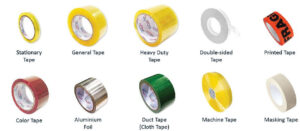
Adhesive tape is not always waterproof, as water resistance depends on the type of tape and adhesive used. Standard tapes like masking or office tape are not waterproof and can lose adhesion when wet, while specialty tapes such as duct tape, electrical tape, or waterproof repair tape are designed to resist moisture. For outdoor or wet environments, choose a tape specifically labeled waterproof or weather-resistant to ensure a strong, lasting bond.
The Top 3 Waterproof Tapes for Any Job
If you need a permanent seal that won’t budge under water pressure, these are the industry leaders.
1. Best for Emergency Leaks: Gorilla Waterproof Patch & Seal Tape
This is the ultimate answer to “is adhesive tape waterproof.” It creates a permanent bond that is UV-resistant and airtight. It’s thick enough to seal a hole in a pool or a bucket while it’s still full of water.
- Best for: Pools, gutters, and inflatables.
- Pro Tip: Apply firm pressure from the center outward to remove any air bubbles for a true waterproof seal.
2. Best for Plumbing & Hoses: Rescue Tape Self-Fusing Silicone Tape
Unlike traditional sticky tape, this fuses to itself. It’s used by the military because it can handle high pressure and extreme heat.
- Best for: Leaky garden hoses and radiator pipes.
3. Best for First Aid: Nexcare Absolute Waterproof Tape
Standard Band-Aids fail the moment you step in the shower. This is the best waterproof adhesive tape for skin because it stays flexible and bone-dry even when submerged.
Some adhesive tapes are waterproof, but many are only water-resistant.
If you’ve ever patched a hose, sealed a tent, or wrapped a pipe, you’ve likely wondered: Is adhesive tape waterproof? I test tapes in real jobs and in simple shop experiments. In this guide, I’ll break down how different tapes behave in water, what “waterproof” really means, and how to pick and use the right tape so your fix holds when it’s wet. By the end, you’ll know exactly when the answer to “Is adhesive tape waterproof?” is yes, no, or “it depends.”
What does “waterproof” really mean for tape?
Waterproof, water-resistant, and weatherproof do not mean the same thing. When you ask, Is adhesive tape waterproof?, you need to know how deep, how long, and under what conditions.
Here’s the simple breakdown:
- Waterproof means it can block water under pressure and for a set time.
- Water-resistant means it can handle splashes and rain, but not long soaks.
- Weatherproof means it can handle outdoor exposure like UV and humidity, but not full immersion.
Look for proof on the label:
- Underwater or submersible claims suggest true waterproof use.
- IP ratings (like IPX7) show immersion resistance to a standard depth and time.
- Standards such as UL 510 (electrical tape), ASTM D3330 (peel), or ASTM D1000 (general tape tests) offer lab-backed data.
If you ask, Is adhesive tape waterproof?, check the backing and the adhesive chemistry. That tells most of the story.
Quick PAA-style answers:
- Can you use duct tape underwater? Short-term, maybe. For lasting repairs, use butyl or specialty underwater tape.
- Is electrical tape waterproof? It is moisture-resistant, not rated for long immersion unless stated by the maker.
- Does Gorilla Tape stop leaks? It can slow a leak. For reliable sealing, use a dedicated waterproof sealing tape.
What Are the Different Types of Adhesive Tape? – Uses, Strength & Best Applications
Is adhesive tape waterproof? Types compared
Different tapes handle water in very different ways. Knowing the type answers Is adhesive tape waterproof? with more accuracy.
Strong picks for wet work:
- Butyl rubber flashing tape. Bonds to many surfaces, seals roofs, RVs, and plumbing. Great in rain.
- E‑coat or marine sealant tape. Built for boats and docks. Handles immersion better than most.
- Self-fusing silicone tape. No glue; it fuses to itself. Excellent on pressurized hoses and wires, even when wet.
- PTFE thread-seal tape. Not sticky, but seals threaded pipe joints against water.
Good for damp or splash:
- Acrylic foam mounting tape. Sticks in humidity and rain once cured. Not ideal for constant submersion.
- PVC electrical tape. Moisture-resistant, flexible, but not a true “underwater” solution unless specified.
Borderline or situational:
- Duct tape. Cloth-backed and rubber adhesive. Quick fix in the rain, but water wicks through over time.
- Packaging tape. Clear BOPP with acrylic adhesive. Fine for boxes, not leaks.
- Cloth or gaffer tape. Great grip dry. Cloth soaks up water, so seals fail if exposed.
Note: Some “waterproof repair tape” products mix butyl backing with a top film (PE, PET, or aluminum). These can stick even on damp surfaces and are a better answer to Is adhesive tape waterproof? for many household fixes.
How Does Adhesive Tape Work? – Why It Sticks and Where It Fails
The science: how water, pressure, and temperature affect stick
When you test Is adhesive tape waterproof?, it’s really a test of the adhesive and the backing under water stress.
What hurts adhesion:
- Water at the interface. It blocks the adhesive from wetting the surface.
- Pressure and flow. A live leak adds force that pries the tape off.
- Temperature swings. Cold makes adhesives hard. Heat softens them.
- UV and ozone. Sunlight breaks down many rubbers over time.
- Surface energy. Low-energy plastics (like polyethylene) are hard to wet and bond.
Adhesive families:
- Rubber-based. High tack, fast stick, weaker heat and UV resistance.
- Acrylic. Slower wet-out, strong long-term hold, better heat and UV.
- Silicone. Great at high and low temps, bonds well to many surfaces, often high cost.
Standards that hint at real strength:
- Peel adhesion (ASTM D3330)
- Shear adhesion (ASTM D3654)
- Dielectric strength for electrical tape (UL 510)
These do not alone prove waterproof performance, but they show comparative hold. If you keep asking, Is adhesive tape waterproof?, pair these ratings with any immersion or IP claims from the maker.
Field notes: my tests with waterproof and water-resistant tapes
In my shop, I test tapes on wet PVC, metal, and vinyl. I also dunk samples in a bucket for a day or two. Here’s what stood out when I asked myself, Is adhesive tape waterproof?, and then proved it.
What held:
- Butyl flashing tape stuck to wet aluminum and sealed a slow drip. After 48 hours of soak, still sealed.
- Self-fusing silicone wrapped around a garden hose leak. It handled pressure once stretched tight and overlapped by half.
- Acrylic foam tape worked well on a rain-soaked mailbox bracket, but only after I pressed hard and gave it a full day to cure.
What failed:
- Duct tape slowed a leak but lifted at edges after a few hours of flow.
- Clear packaging tape turned milky and lost grip in a bucket test.
- Cloth tape wicked water and peeled in strips.
Lessons learned:
- Apply on clean, smooth surfaces when you can. Even “sticks to wet” tape likes a wipedown first.
- Round edges to avoid peel points.
- Overlap wraps and press firmly for 30–60 seconds.
These small habits turn a shaky “maybe” on Is adhesive tape waterproof? into a confident “yes” for the right products.
What is Adhesive Tape?– Definition, Types & Sticky Solutions
Myths, mistakes, and red flags
Common myths lead to bad fixes and wasted money. If you wonder, Is adhesive tape waterproof?, watch for these traps.
Myths:
- Duct tape fixes any leak. It’s a fast patch, not a seal.
- More layers always mean more seal. If the bottom layer does not bond, extra layers won’t help.
- Any “outdoor” tape is waterproof. Many are only UV and weather resistant.
Mistakes to avoid:
- Sticking to a live, high-pressure leak. Reduce or stop flow first.
- Skipping surface prep. Wipe off slime, oil, or algae.
- Using the wrong width. Narrow tape on a wide crack will peel.
Red flags on labels:
- No mention of immersion or wet-surface bonding.
- Vague language like “protects against moisture” with no test data.
If the package leaves you unsure, ask again: Is adhesive tape waterproof? If the maker won’t say, assume it isn’t.
How to choose the right waterproof tape for your job
Match the tape to the task. This flow works well any time Is adhesive tape waterproof? is your main concern.
Step-by-step:
- Define the exposure. Splash, rain, or full submersion?
- Check pressure. Static seal or active leak under pressure?
- Pick the chemistry. Butyl or silicone for wet or underwater; acrylic foam for outdoor mounts.
- Match the surface. For PE or PP plastics, look for tapes made for low-surface-energy materials.
- Size up. Choose tape at least 1 inch wider than the crack or seam.
- Read the fine print. Look for immersion claims, temp range, and UV resistance.
Typical pairings:
- Roof seam or RV vent: Butyl flashing tape.
- Leaky garden hose: Self-fusing silicone tape.
- Pool toy patch: Specialty waterproof repair tape rated for immersion.
- Boat rub rail trim: Acrylic foam tape, primed and fully cured.
If you still wonder, Is adhesive tape waterproof? for your exact job, test a small piece first.
Application tips for wet, damp, and underwater surfaces
Good technique makes or breaks the seal. This is where many “Is adhesive tape waterproof?” failures start.
Before you stick:
- Reduce pressure. Turn off water or let the area drain.
- Wipe fast. Use a rag to remove standing water, oil, and dirt.
- Warm it up. In cold weather, warm the tape and the surface for better wet-out.
During application:
- Peel a bit of liner, align, then press from center out.
- Use firm, even pressure for 30–60 seconds. A roller helps.
- Overlap edges by at least 1 inch on all sides.
After you stick:
- Allow cure time if the product needs it. Some tapes reach full strength in 24–72 hours.
- Protect edges from direct jet spray for the first day.
Follow this, and you’ll stop asking, Is adhesive tape waterproof?, because your repair will prove it.
Longevity, storage, and shelf life
A great seal today can fail next season if the tape or storage is wrong. When users ask, Is adhesive tape waterproof?, they also care how long it lasts.
Make it last:
- Store rolls cool and dry, in the original bag or box.
- Avoid UV on rubber-based tapes; they age faster in sun.
- Check the date code. Many tapes have a 12–24 month shelf life.
In service life:
- UV and heat break down many adhesives. Acrylics hold up better than natural rubber.
- Water with chlorine or salt is harsher. Choose marine-grade where needed.
If you plan a long-term repair, Is adhesive tape waterproof? is only half the question. Ask if it is weather-stable too.
Safe removal and residue cleanup
Even waterproof fixes end someday. Plan for removal without damage.
What to try:
- Gentle heat with a hair dryer to soften adhesive.
- Slow peel at a low angle while supporting the surface.
- Residue cleanup with citrus remover, isopropyl alcohol, or mineral spirits, tested in a small spot first.
If you used a strong butyl tape, expect some cleanup time. That’s the trade-off for a “yes” answer to Is adhesive tape waterproof? in tough jobs.
Frequently Asked Questions of Is adhesive tape waterproof?
Is adhesive tape waterproof on all surfaces?
No. Low-energy plastics like polyethylene and polypropylene are hard to bond. Use tapes made for LSE plastics or a primer.
Can I apply waterproof tape underwater?
Some can, like certain butyl and self-fusing silicone tapes. Read the label for underwater or submersion claims before use.
How long will a waterproof tape repair last outdoors?
It varies by product, sun exposure, and temperature. Marine or UV-stable acrylic and silicone systems last much longer.
Will waterproof tape stop a pressurized pipe leak?
It can slow or stop minor leaks if you reduce pressure first. For permanent fixes on plumbing, replace or use proper fittings.
Is adhesive tape waterproof for electrical work?
Electrical tape is moisture-resistant but not always submersible. Use products rated to UL 510 and follow code and safety rules.
What’s the best tape for roof leaks in the rain?
Butyl flashing tape sticks to damp surfaces and seals well. Press hard and overlap edges for a reliable patch.
Does duct tape work as a waterproof tape?
It works as a quick, short-term patch. For lasting waterproof seals, choose butyl, silicone, or a labeled submersible tape.
Conclusion
Water can ruin a good bond fast, which is why “Is adhesive tape waterproof?” matters so much. The short truth is this: some tapes are built for water, and some are not. Pick the right chemistry, prep the surface, press it well, and give it time to set.
Try a small test the next time you face a leak. Practice the steps here, and you’ll know in minutes whether your tape is up to the job. Want more practical guides like this? Subscribe, share your results in the comments, and tell me what project you want to tackle next.