Yes, WD-40 can remove tape adhesive by breaking down the sticky residue so it wipes away easily. Its penetrating formula loosens glue left behind from duct tape, masking tape, or labels without heavy scraping. Spray a small amount on the residue, let it sit for a few minutes, then wipe with a soft cloth and clean the surface afterward with mild soap. Always test on a small hidden area first to ensure it doesn’t damage the finish.
The “Sticky Mess” Toolkit
While WD-40 works in a pinch, these specific products are designed to remove tape adhesive without the oily smell or risk to delicate surfaces.
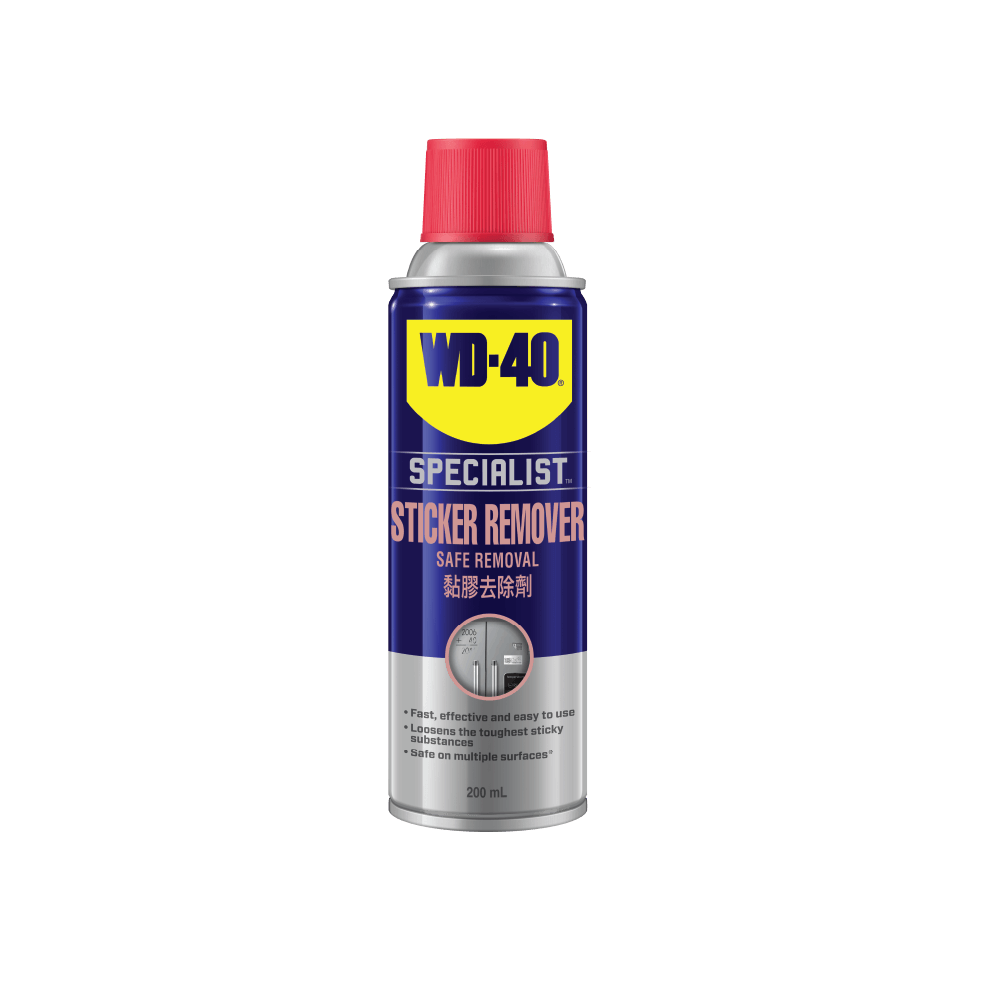
Product Why it’s the Best Choice Top Feature Goo Gone Original Best Surface-Safe Choice. Use it on finished wood and fabric. Citrus-based, no harsh fumes. WD-40 Specialist Cleaner Best for Heavy Duty. A stronger version of the original. High-performance degreaser. Foshio Plastic Scraper Best for Scraping. Won’t scratch glass or car paint. Double-edged plastic blades.
If you have sticky residue that will not budge, you are in the right place. I have tested this on glass, metal, cars, and more. I will show you when WD-40 shines, when it struggles, and what to do instead. Does WD-40 remove tape adhesive? Let’s dig into the facts, the method, and the secrets that save time and surfaces.
Why Does Adhesive Tape Lose Stickiness?– Heat, Dust & How to Prevent It
How WD-40 works on sticky residue
WD-40 is a water-displacing spray with light solvents and oils. Those solvents soften pressure sensitive adhesives. The oils help lift and carry loosened gunk off the surface. It creeps under the residue and breaks the bond so you can wipe it away.
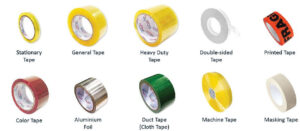
Adhesives from masking tape, duct tape, packing tape, and labels use rubber or acrylic formulas. Over time they dry, crosslink, and harden. Heat and UV make them worse. That is why old tape can be extra tough. The solvent action in WD-40 helps re-soften that layer so you can remove it.
Here is the bottom line. Does WD-40 remove tape adhesive? Yes, on most non-porous surfaces like glass, metal, sealed paint, and many plastics. It may struggle on porous materials like fabric, unsealed wood, and paper. It can also swell some plastics. Always test first.
What I have seen in the shop:
- Fresh label gunk on stainless steel came off in one pass.
- Baked-on duct tape on a ladder took two passes and a plastic scraper.
- A brittle bumper sticker ghost on a car needed WD-40 plus dish soap to finish.
Based on manufacturer guidance and safety data, WD-40 is flammable and can affect some plastics and rubbers. Use it with care, ventilate, and wash away residue after use.
How To Remove Adhesive Tape Residue?– Fast & Easy Methods That Work
Does WD-40 remove tape adhesive? Real results and limits
Let’s answer it head on. Does WD-40 remove tape adhesive? Yes, when the surface is hard and sealed. Think glass, tile, chrome, and sealed car paint. It is fast, cheap, and easy to find. It is less ideal on delicate or porous items.
Where it works well:
- Glass and mirrors. It melts label glue fast and wipes clean.
- Metal and tools. It removes tape lines and also displaces moisture.
- Car paint and clear coat. It can lift decal residue, but you must wash after.
Where it can cause issues:
- Soft plastics like polystyrene or polycarbonate. Risk of haze or stress cracks.
- Raw wood and fabric. The oil can soak in and leave marks.
- Electronics and screens. It can leave film and attract dust.
My field notes:
- On a laptop lid, I prefer isopropyl alcohol first. WD-40 can leave a film.
- On a car bumper sticker, I warm the area, mist a cloth with WD-40, dab, wait a minute, then lift. I finish with car wash soap.
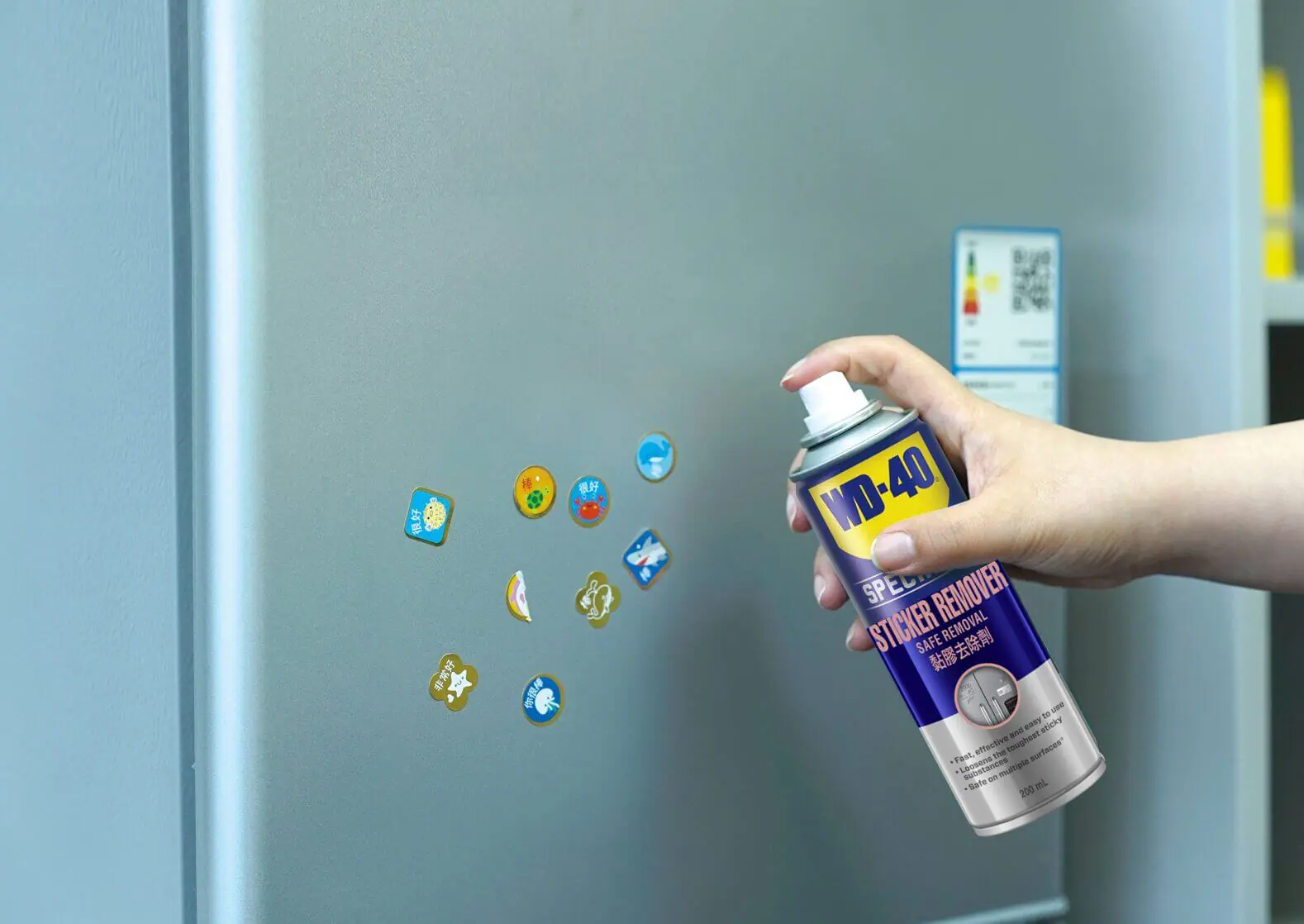
- On a stainless fridge, I spray onto a cloth, not the door, to avoid overspray. Two passes and done.
So, does WD-40 remove tape adhesive? Yes, but the right surface and cleanup make all the difference.

Step-by-step: Remove tape residue with WD-40 safely
Follow this simple plan to get clean results.
- Gather supplies. WD-40, soft cloths, dish soap, warm water, plastic card, cotton swabs.
- Ventilate. Open a window or work outside.
- Test a hidden spot. Check for haze, color change, or swelling.
- Apply to a cloth. Lightly wet a corner. Avoid soaking the surface.
- Dab the residue. Let it sit for 30 to 60 seconds.
- Lift the edge. Use a plastic card to nudge up the softened glue.
- Wipe and repeat. Reapply to the cloth if needed.
- Wash the area. Use dish soap and warm water to remove any oily film.
- Dry and inspect. Repeat spot treatment if you see a faint outline.
- Protect if needed. On cars, add a quick spray wax after washing.
Pro tips:
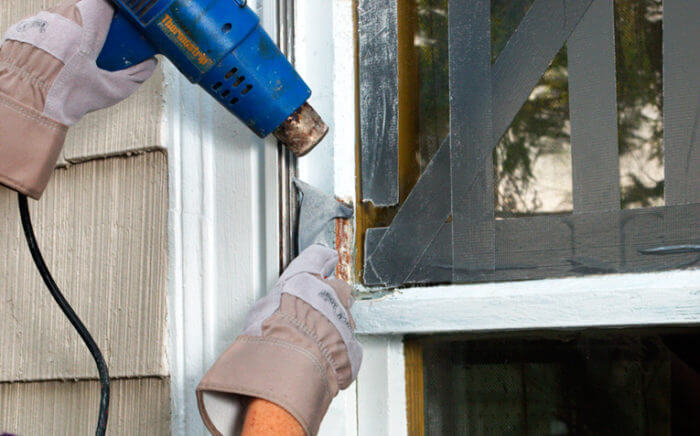
- Warmth helps. A hair dryer on low softens old glue before you start.
- Time beats force. Let the solvent work. Do not scrub hard.
- Control overspray. Spray the cloth, not the surface, near trim or fabric.
Mistakes to avoid:
- Do not use on hot engine parts or near flame. It is flammable.
- Do not leave it to soak on soft plastic. It can cloud or stress the plastic.
- Do not skip the wash step. The oily film can attract dust.
Surface-by-surface guidance
Glass and metal
Works great. Does WD-40 remove tape adhesive on glass? Yes, fast and clean. Use a cloth and a plastic scraper. Finish with glass cleaner.
Painted walls and cars
On cars, it is safe for clear coat when used right. Work small areas and wash after. On home walls, test first. Flat or matte paints can stain. Try warm soapy water or rubbing alcohol first.
Plastic and rubber
Test twice. Some plastics are fine. Others can haze or swell. If you see any change, stop. Use citrus adhesive remover or rubbing alcohol instead.
Wood and fabric
Skip WD-40 on raw wood and fabric. The oil can soak in and leave dark spots. Try heat, mild soap, or a dedicated gel remover.
Electronics and screens
Avoid spraying on devices. It can leave residue and seep into seams. If you must, apply a tiny amount to a cloth, dab the edge only, then clean with isopropyl alcohol.
Does WD-40 remove tape adhesive on all these surfaces? It depends. Test, apply with care, and always wash after.
Alternatives if WD-40 is not right
If you ask, does WD-40 remove tape adhesive in every case, the answer is no. Here are smart options.
- Rubbing alcohol. Great for fresh label glue on plastic, glass, and metal. Evaporates clean.
- Citrus adhesive remover. Effective on thick, gummy messes. Smells better, but still test plastics.
- Warm soapy water. Works on paper-based tape if you give it time.
- Heat. A hair dryer softens glue before you peel. Use gentle heat.
- Mineral spirits. Stronger on old, tar-like residue. Avoid on some plastics and fresh paint.
- Acetone or nail polish remover. Use only on glass and metal. Keep away from paint and plastic.
- Baking soda and cooking oil paste. Mild, food-safe option for kitchen items. Rinse well.
Pick the least aggressive method that does the job. Step up only if needed.

Troubleshooting sticky cases
You wiped, but it still feels tacky. Try this.
- Add a little dwell time. Give the solvent a minute to work.
- Use a plastic card to lift. Wipe the edge, then pull away from the surface.
- Switch to rubbing alcohol for the final film. It cuts the oily trace.
You see a ghost outline.
- Warm the spot with a hair dryer. Then wipe with alcohol or a citrus remover.
- On cars, wash, dry, and apply a quick detailer or spray wax.
The surface looks dull.
- Stop and rinse. If the finish changed, do not add more solvent.
- On paint, use a gentle polish or cleaner wax to restore gloss.
Safety reminders:
- Ventilate well.
- Keep away from flame.
- Wear gloves if you have sensitive skin.
Does WD-40 remove tape adhesive when nothing else works? Often yes, but patience, heat, and a follow-up wash are the real heroes.
Quick answers you might be searching for
Does WD-40 remove tape adhesive on car paint?
Yes, if you use it with care and wash after. Work small areas, avoid overspray, and re-protect with wax.
Does WD-40 remove tape adhesive from plastic?
Sometimes. It depends on the plastic. Test first, and switch to rubbing alcohol or citrus if you see haze.
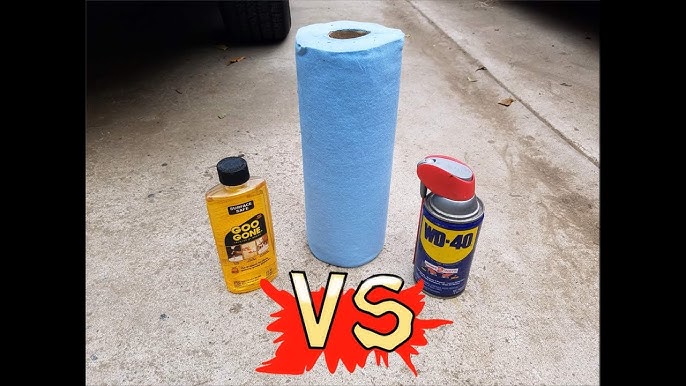
Does WD-40 remove tape adhesive better than Goo Gone?
They are close. WD-40 is easier to find and great on light residue. Goo Gone often wins on thick, gummy glue.
Frequently Asked Questions of Does WD-40 remove tape adhesive?
Does WD-40 remove tape adhesive without damaging paint?
Usually yes on cured automotive paint. Test first and wash with soap and water after use.
How long should I let WD-40 sit on sticky residue?
Start with 30 to 60 seconds. Reapply and repeat for old or thick glue.
Can I use WD-40 on a laptop or phone to remove sticker residue?
Avoid direct use. Try isopropyl alcohol on a cloth instead to prevent film and dust.
Will WD-40 leave an oily film behind?
Yes, a light film is common. Clean with dish soap and warm water or rubbing alcohol.
What should I try if WD-40 does not work?
Use heat, rubbing alcohol, or a citrus adhesive remover. For very stubborn spots, try mineral spirits on safe surfaces.
Conclusion
WD-40 can be a quick fix for sticky tape residue on hard, sealed surfaces. Use it with control, give it time, and always wash the area after. When the surface is delicate or porous, switch to a gentler method.
You now know when and how to use it, plus what to try if it fails. Try the steps on a small spot today and see the difference. If this helped, share it