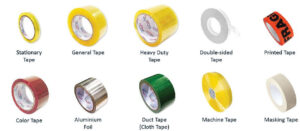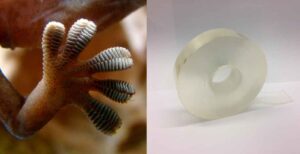
Adhesive tape can stick to a variety of surfaces, including paper, cardboard, glass, metal, plastic, wood, and painted walls. The effectiveness depends on the tape type and the surface’s texture, cleanliness, and smoothness—smooth, dry, and clean surfaces provide the strongest adhesion. Rough, dusty, oily, or porous surfaces may reduce sticking power. Choosing the right tape, such as masking tape, duct tape, or double-sided tape, ensures better grip and durability for the intended surface.
The Solution: When Standard Tape Isn’t Enough
If you are asking “what surfaces can adhesive tape stick to” because you’re struggling with a rough or “low energy” surface, you need a Structural Bonding Tape.
Best for Rough Surfaces Best for Glass/Invisible Best for Outdoor/Heat Gorilla Heavy Duty Mounting Tape 3M VHB Clear Tape Scotch Extreme Mounting Tape Sticks to brick, stone, and wood. Virtually invisible on glass and acrylic. Weatherproof and UV resistant.
What Surfaces Can Adhesive Tape Stick To? (The Quick List)
Adhesive tape sticks best to non-porous, clean, and flat surfaces. Adhesion is a battle between the glue’s “wetting” ability and the surface’s “energy.”
1. Ideal Surfaces (High Surface Energy)
These materials allow the adhesive to “wet” the surface completely, creating a permanent bond:
- Metals: Aluminum, stainless steel, and copper.
- Glass: One of the best surfaces for long-term adhesion.
- Smooth Plastics: Rigid PVC, Polycarbonate, and ABS.
- Finished Wood: Sealed or varnished wood (unsealed wood is too porous).
2. Challenging Surfaces (Low Surface Energy)
Standard tape will likely peel off these materials unless you use a specialized “high-bond” adhesive:
- Powder-coated metals: Common on modern appliances and outdoor furniture.
- Silicone and Teflon: Designed specifically to be “non-stick.”
- Textured Walls: Brick, stone, or heavy “orange peel” drywall.
Adhesive tape sticks best to clean, smooth, dry, high-energy surfaces like glass, metal, and painted wood.
If you have ever asked yourself What surfaces can adhesive tape stick to?, you are in the right place. I work with pressure-sensitive tapes in real projects, from hanging signs to mounting sensors. In this guide, I explain the science, share pro tips, and help you pick the right tape for the job. You will learn what helps tape grip, what makes it fail, and simple steps to get a strong, safe bond.
Can adhesive tape hold heavy objects?– Weight Limits & Best Types
How adhesion works: the simple science behind a strong bond
Pressure-sensitive adhesive tape bonds when you press it in place. The adhesive flows into tiny peaks and valleys on the surface. This is called wet out. Good wet out needs clean, smooth surfaces and firm pressure.
Surface energy matters. High-energy surfaces like glass and metal let the adhesive spread and stick well. Low-energy plastics like polypropylene, polyethylene, and PTFE make wet out hard. Temperature, pressure, and time also help. Many tapes reach full strength after 24 to 72 hours.
Adhesive families behave differently:
- Acrylic adhesives handle heat, UV, and weather. They are great for long-term and outdoor use.
- Rubber adhesives grab fast and stick well to many materials. They may not like heat, UV, or some plastics.
- Silicone adhesives excel on silicone rubber, release liners, and very low-energy surfaces. They also handle high heat.
If you ask What surfaces can adhesive tape stick to?, the answer depends on surface energy, texture, cleanliness, and the adhesive type. A clean, dry, and smooth surface with the right tape will almost always win.
Quick PAA-style answers:
- Does temperature affect stick? Yes. Most tapes bond best from 60 to 100°F. Cold lowers tack.
- Does pressure help? Yes. Firm pressure boosts contact and strength. Use a roller if you can.
- Should I wait before loading the bond? Yes. Give it 24 hours for a stronger hold.
In short, choose the right adhesive family, prep the surface, apply firm pressure, and allow cure time. That is the recipe for consistent, reliable stick.
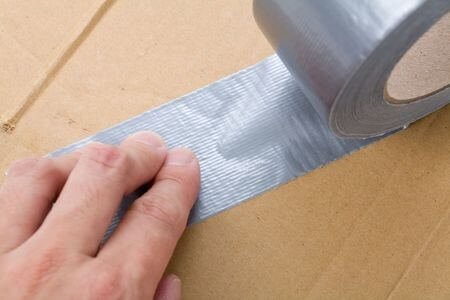
Surfaces adhesive tape sticks to well
Some surfaces are easy wins. If you wonder What surfaces can adhesive tape stick to? with minimal prep, start here.
Great matches for most acrylic or rubber PSA tapes:
- Glass and mirror. Clean with isopropyl alcohol. Avoid ammonia residue.
- Bare metal like aluminum and steel. Remove oil and fingerprints. Lightly scuff if needed.
- Painted drywall and wood with cured paint. Clean dust and allow paint to cure at least 7 days.
- Sealed or varnished wood. Ensure the finish is cured and not waxed.
- ABS, PVC, and polycarbonate plastics. Wipe off mold release or oils first.
- Paper, cardboard, and cartons. Use packing or filament tape for boxes.
For best results, wipe with 70 percent isopropyl alcohol, dry fully, apply steady pressure, and let it sit for a day before loading. If weight is high, use wider tape or double-sided foam mounting tape.
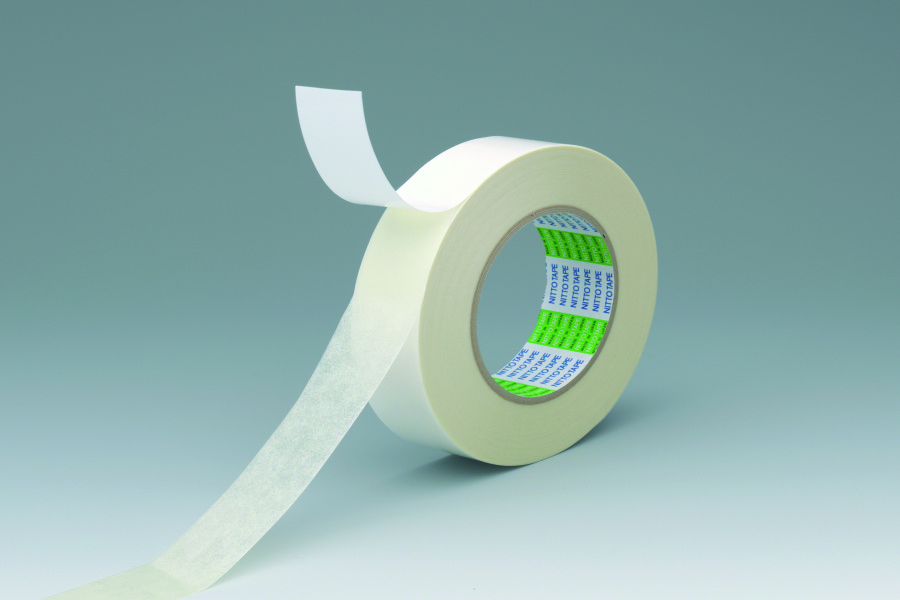
Tricky surfaces and how to improve adhesion
Now to the tough ones. When people ask What surfaces can adhesive tape stick to? and still hold well, these areas need extra care or special tapes.
Low surface energy plastics:
- Polypropylene, polyethylene, and powder-coated parts resist wet out.
- Fix: use LSE-rated tapes or acrylic foam tapes designed for LSE. Primers help a lot.
Very smooth or contaminated surfaces:
- Oily metal, silicone residue, or release agents block adhesion.
- Fix: degrease with alcohol or a mild solvent. Avoid leaving a film.
Rough, porous, or dusty surfaces:
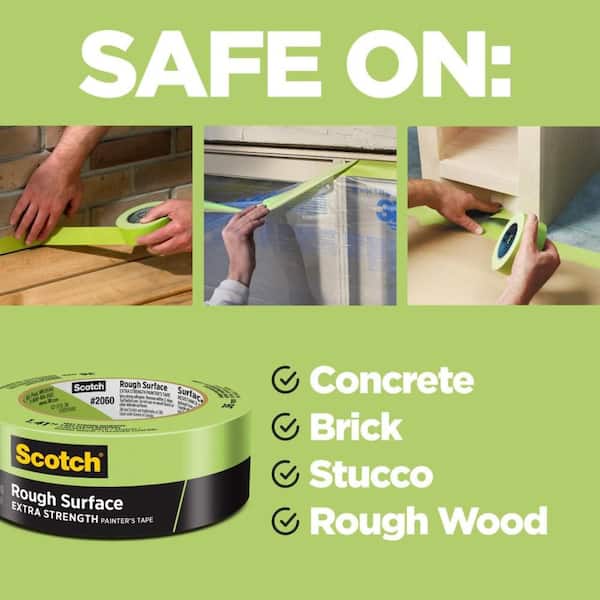
- Concrete, brick, stucco, and unsealed wood let adhesive sink in.
- Fix: seal the surface with a primer or paint. Use thick foam tapes for texture.
Textured walls and orange-peel paint:
- Thin tapes bridge only the high spots and fail.
- Fix: use foam mounting tapes with conformable cores and press firmly.
Cold, humid, or wet surfaces:
- Moisture and cold reduce tack and slow curing.
- Fix: warm the surface and tape if safe, then apply pressure. Use cold-weather or wet-apply tapes if needed.
Silicone rubber and PTFE:
- Almost nothing sticks well.
- Fix: use silicone-adhesive tapes designed for those substrates.
A small prep routine changes everything. Clean, dry, warm, press, and wait. Pair that with the right adhesive family and you will turn tricky into dependable.

Surfaces to avoid or use only for short-term stick
Even the best tape has limits. When you ask What surfaces can adhesive tape stick to? without damage or failure, be careful with these.
Be cautious here:
- Fresh paint. Many tapes can lift soft paint. Wait at least 7 to 30 days.
- Delicate wallpaper and chalky paint. Adhesive can tear the face when removed.
- Dusty drywall or unsealed plaster. Dust kills tack.
- Damp, icy, or greasy surfaces. Water and oil block contact.
- Silicone caulk, flexible PVC with heavy plasticizers, and soft-touch coatings. They can resist or break down adhesives.
If you must tape to these, test in a hidden spot, use low-tack painter’s tape for very short times, or switch to a hook, clip, or mechanical fastener.
Types of adhesive tapes and best-fit surfaces
Picking the right tape is half the win. The other half is prep. Tie both to the question What surfaces can adhesive tape stick to? and you will choose with confidence.
Acrylic foam mounting tapes:
- Best for metal, glass, painted panels, and many plastics.
- Strong outdoor hold. Good for signs and trim. Needs clean, dry, warm surfaces.
General acrylic tapes:
- Good all-rounders. Handle UV and heat. Great on metal, glass, and painted wood.
Rubber adhesive tapes:
- High initial grab. Great for cardboard, many plastics, and quick fixes.
- Avoid high heat, solvents, and long sun exposure.
Silicone adhesive tapes:
- Bond to silicone rubber, release liners, and very low-energy surfaces.
- Tolerate high heat. Often used in electronics and high-temp masking.
Duct tape:
- Strong grab on many surfaces. Short-term use only.
- Can leave residue and may fail in sun or heat.
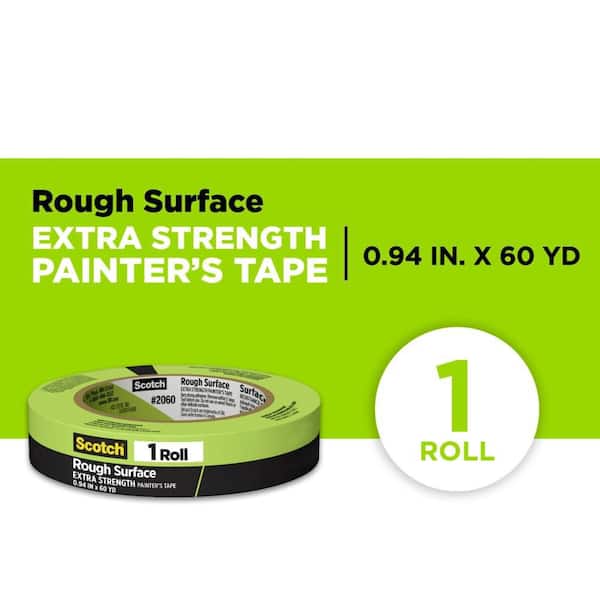
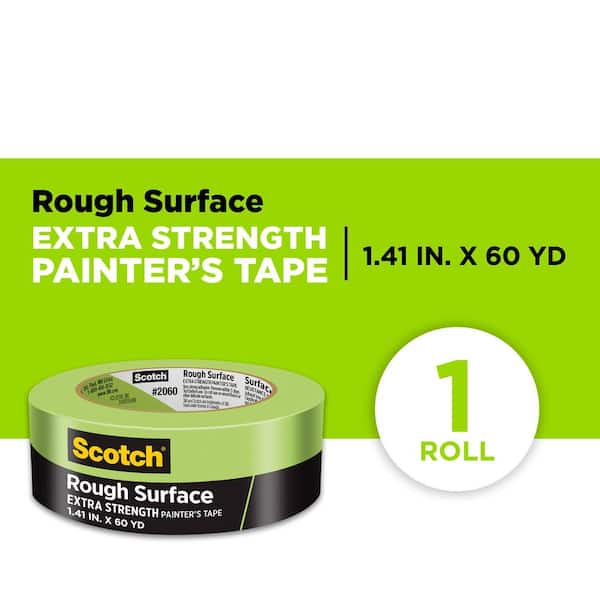
Painter’s and masking tapes:
- For clean removal on cured paints. Short dwell times.
- Not for heavy loads or long-term bonds.
Electrical tape:
- For wire insulation on smooth, clean jackets. Not for structural hold.
Packing and filament tapes:
- Great on cartons and strapping. Keep boxes dust free and dry.
Washi and double-sided craft tapes:
- Light-duty bonding on paper and smooth finishes. Low residue.
Match tape to surface and conditions. If unsure, test peel by hand after 24 hours before full use.
Does WD-40 Remove Tape Adhesive?– Safe & Effective Methods Explained
Real-world tests, lessons, and pro tips
From my field work, small actions make a big difference. I have saved failing bonds with simple prep and the right tape switch. Here are tips that work.
Prep steps that pay off:
- Clean with isopropyl alcohol and a lint-free cloth.
- Warm the surface and tape to room temp.
- Apply firm pressure with a roller for full contact.
Testing that takes minutes:
- Coin test for paint. Rub a coin. If chalky dust appears, seal or repaint.
- Trial strip. Apply a small piece and wait a day. Check peel at 90 degrees.
- Weight test. Start light and ramp up over a day.
Mistakes to avoid:
- Skipping cleaning on “clean-looking” surfaces.
- Loading the bond right away. Give it time.
- Using thin tape on rough walls. Use a foam core.
Three fast PAA-style questions:
- Can tape hold on brick? Yes, with foam mounting tape and primer or sealer.
- Will tape stick to plastic bins? Yes, if they are not PP or PE. For PP or PE, use LSE-rated tape.
- How long should I press? Apply firm pressure for a few seconds and roll if possible.
These simple checks raise success rates and reduce call-backs. They also answer What surfaces can adhesive tape stick to? with proof, not guesses.
Troubleshooting: when tape will not stick
If tape lifts or slides, use this quick list.
Check the surface:
- Is it dusty, oily, or wet? Clean, dry, and try again.
- Is it low-energy plastic? Switch to LSE or silicone adhesive.
Check the tape and method:
- Is the tape too thin for texture? Use foam mounting tape.
- Is the temp too cold? Warm the area and tape.
- Did you skip pressure or dwell time? Reapply with firm pressure and wait 24 hours.
If What surfaces can adhesive tape stick to? still feels unclear, test two tape types side by side and pick the winner. Small trials beat big rework.
Safety, residue, and clean removal
Great bonds are only half the story. Clean removal matters too. Some adhesives can stain, pull paint, or leave residue after long dwell times or heat. Use painter’s or low-tack tapes for short-term jobs on painted walls. For long-term mounts on smooth surfaces, use acrylic foam tapes and follow removal steps.
Removal and cleanup tips:
- Peel back slowly at a low angle rather than straight out.
- Warm the tape slightly to soften the adhesive.
- Remove residue with citrus-based cleaner or isopropyl alcohol. Test first.
Industry tests like peel adhesion and shear per common standards help compare tapes. While lab data guides choices, on-site tests are best. Always test a small area first, especially on sensitive finishes.
Frequently Asked Questions of What surfaces can adhesive tape stick to?
Will tape stick to concrete or brick?
Yes, but use a thick, conformable foam mounting tape and clean the dust first. A primer or sealer boosts hold.
Can I use tape on freshly painted walls?
Wait at least 7 days for light painter’s tape and 14 to 30 days for strong mounts. Fresh paint can lift or mark.
What tape works on polypropylene or polyethylene?
Use LSE-rated acrylic tapes or silicone-adhesive tapes. Clean well and apply firm pressure.
How do I stop tape from leaving residue?
Use low-tack or painter’s tape for short-term jobs and remove within the recommended time. For long-term bonds, pick acrylic adhesives and avoid high heat.
Does humidity affect tape?
Yes. High humidity can slow curing and reduce tack on some surfaces. Keep the area dry during application.
Can tape stick in cold weather?
Some tapes are rated for cold application, but most prefer above 60°F. Warm the surface and tape if you can.
Is duct tape good for outdoor use?
Short term, yes. For long-term outdoor use, acrylic or acrylic foam tapes hold better and resist UV.
Conclusion
Clean, smooth, and dry surfaces give tape the best chance to shine. Match the tape to the material and conditions, apply firm pressure, and allow time to build strength. That is how you answer What surfaces can adhesive tape stick to? with consistent wins.
Put this guide to work today. Start with a quick clean, a small test strip, and the right tape for the job. Want more practical guides like this? Subscribe, share your results, or ask a question in the comments.