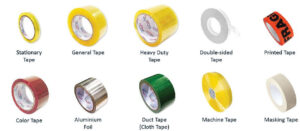
Whether adhesive tape can withstand high temperatures depends on the type and material of the tape. Standard masking or duct tape typically cannot handle heat and may melt, lose adhesion, or leave residue. High-temperature tapes, such as Kapton, aluminum foil, or silicone-coated tapes, are designed to endure extreme heat and maintain their adhesive properties, making them suitable for industrial, automotive, or electronics applications. Always check the manufacturer’s specified temperature rating before using tape in hot environments.
Expert Recommendation: Top-Rated High-Temp Tapes
If you are working on a project that generates heat, these specific products are the industry gold standards for safety and durability.
1. Best for Electronics: Mil-Spec Kapton Polyimide Tape
This is the “space-grade” solution. It doesn’t just withstand heat; it acts as an incredible electrical insulator.
- Why it works: It remains stable in temperatures up to 260°C.
- Natural Hook: “If you’re soldering or working on a 3D printer bed, this is the best high-temperature adhesive tape to prevent short circuits and heat damage.”
2. Best for HVAC & Home Repair: 3M High Temperature Aluminum Foil Tape 425
Unlike standard duct tape (which actually fails in heat), this foil tape reflects heat and light.
- Why it works: It’s flame and moisture resistant, making it perfect for sealing hot air ducts.
- Natural Hook: “For furnace vents or water heater pipes, you need a tape that won’t melt or emit fumes. This 3M foil tape is the professional choice for thermal shielding.”
3. Best for Food/Sealing: PTFE (Teflon) Adhesive Tape
If your tape needs to be non-stick and heat resistant, Teflon is the answer.
Natural Hook: “Replacing the worn-out tape on your vacuum sealer? This PTFE tape handles constant heating cycles without losing its non-stick properties.”
Why it works: Used extensively in vacuum sealers and heat-sealing machines.
Some adhesive tapes handle heat well, but only certain types survive extremes.
If you work near ovens, engines, or solder lines, you know heat changes everything. This guide answers the question, Can adhesive tape withstand high temperatures? I have spent years choosing and testing tapes for powder coating, electronics, and engine bays. You will learn how heat affects adhesion, which tapes thrive under heat, how to read ratings, and how to install them so they last.
Is Adhesive Tape a Good Insulator?– Electrical vs Thermal Use Compared
How heat affects tape performance
Can adhesive tape withstand high temperatures? It depends on chemistry, backing, and exposure time. Heat softens most adhesives. It can also dry them out. Both lead to weak bonds.
Here is what heat can do to a tape:
- Lower tack and peel strength as the adhesive softens or oxidizes
- Reduce shear strength so parts creep or slide under load
- Cause shrink, curl, or lift at edges due to backing stress
- Increase outgassing, which can fog lenses or contaminate parts
- Leave residue as degraded adhesive transfers to the surface
Temperature ratings matter. Many acrylic tapes work to about 200°F (93°C) continuous. Some modified acrylics reach 300°F (149°C) for short peaks. Silicone adhesives can reach 500°F (260°C) for short cycles and about 400°F (204°C) continuous. Polyimide backings tolerate 500°F (260°C) or more. Backing and adhesive must both survive.
Continuous means steady heat. Intermittent means short bursts. Always match the rating to your real duty cycle.

What Surfaces Can Adhesive Tape Stick To?– Tips for Best Adhesion
Types of high-temperature tapes and typical ranges
Not all tapes are equal. The mix of adhesive and backing sets the limit. So, Can adhesive tape withstand high temperatures? Yes, if you choose the right construction.
Common types and typical ranges:
- Polyimide tape with silicone adhesive: Up to 500°F (260°C) continuous, 600°F (315°C) short; great for solder masking and electronics
- Glass cloth tape with silicone adhesive: About 392–500°F (200–260°C) continuous; strong in shear and flame resistant
- PTFE coated glass cloth with silicone: Up to 500°F (260°C); low friction release, but low peel strength
- Aluminum foil tape with acrylic adhesive: About 300°F (149°C) intermittent; good for HVAC and shielding
- Aluminum foil tape with silicone adhesive: About 400–500°F (204–260°C); better for hot ducts and heat shields
- Polyester (PET) tape: About 266–302°F (130–150°C); used for powder coat masking and splicing
- Crepe masking tape, general purpose: About 176–230°F (80–110°C); for low-bake paint only
- High-temp powder coat masking tapes: Often 400°F (204°C) for short bakes
- Acrylic foam tapes: About 200°F (93°C) continuous, 300°F (149°C) short peaks; strong in automotive trim, but watch heat
Ranges vary by brand. Check data sheets for continuous and short-term limits.
Key factors that decide heat resistance
If you still ask, Can adhesive tape withstand high temperatures?, look at these factors:
- Adhesive chemistry: Silicone beats acrylic at high heat; rubber adhesives drop off fast
- Backing material: Polyimide and glass cloth hold shape; PVC and low-cost films distort
- Thickness: More adhesive can resist shear, but may ooze at heat; thin backings can shrink
- Surface energy: Metals and glass bond well; low-energy plastics need primers or special adhesives
- Surface prep: Oil, dust, and oxide layers kill bonds; clean with isopropyl alcohol
- Pressure and dwell: Firm pressure and 24–72 hours cure boost bond strength
- Load and direction: Shear is safer than peel at high heat; design for shear
- Environment: UV, steam, and solvents reduce heat life; choose resistant chemistries
- Thermal cycling: Repeated hot-cold cycles stress edges; round corners and seal edges
Small changes help a lot. Rounded corners, overlaps, and higher application pressure often double life in heat.
Industry testing and ratings you can trust
Data beats guesswork. These tests turn Can adhesive tape withstand high temperatures? into a clear rating.
Common standards and what they tell you:
- UL 510: Safety and performance for electrical tape, including heat class ratings
- ASTM D3330: Peel adhesion after aging at set temperatures
- ASTM D3654: Static shear creep at set loads and temperatures
- ASTM D1000: Electrical tape properties including dielectric strength and heat aging
- IEC 60454 and ISO 29862: Global tape test methods and classifications
Watch for these terms on a data sheet:
- Continuous service temperature: The steady-state limit
- Short-term or intermittent: Peaks for minutes or hours
- After-heat peel or shear: Bond strength after heat aging, not just at room temp
- Dielectric class: For electrical insulation near hot components
If a vendor lists only a single “max temp,” ask for the test method and dwell time.

Real-world uses and picking the right tape
You see heat in many places. In each case, ask, Can adhesive tape withstand high temperatures? and pick by range and chemistry.
Use cases and picks:
- Solder reflow and wave solder: Polyimide tape with silicone; clean release and high dielectric strength
- Powder coating masks: Polyester or polyimide with silicone; rated for 400°F (204°C) bakes
- Engine bay wraps and shields: Aluminum foil with silicone; good reflectivity and heat hold
- Furnace sight glass gaskets and bundles: Glass cloth with silicone; strong under steady heat
- 3D printer beds: Polyimide on the build plate; stable and clean
- HVAC flues and ducts: Foil with high-temp adhesive; check fire and smoke codes
Simple selection steps:
- Define continuous and peak temperatures with time
- List surfaces and any oils, paints, or release agents
- Choose adhesive family first, then backing
- Check peel and shear after heat aging, not only at room temp
- Test a small panel at your actual temperature cycle
My short rule: choose silicone adhesive above 300°F (149°C), and use polyimide or glass cloth backings if shape matters.
Installation tips for hot environments
Before you apply, ask yourself, Can adhesive tape withstand high temperatures? under your exact load? Good install often matters more than the brand.
Steps that work:
- Clean with isopropyl alcohol and a lint-free wipe; let it dry
- Warm the parts to room temp before application, even if service is hot
- Apply firm, even pressure with a roller; pressure makes the bond grow
- Allow 24–72 hours dwell before full heat load; bonds build over time
- Round all corners and avoid sharp inside cuts; edges lift first
- Overlap seams by at least 0.25 inch; seal edges if needed
- Use primer on low-energy plastics if the data sheet calls for it
- Add a mechanical fastener for heavy loads at heat; belts and suspenders
From my own line tests, a simple corner radius and a 2-minute roller pass cut rework by half. Patience with dwell time saved more parts than any new tape did.
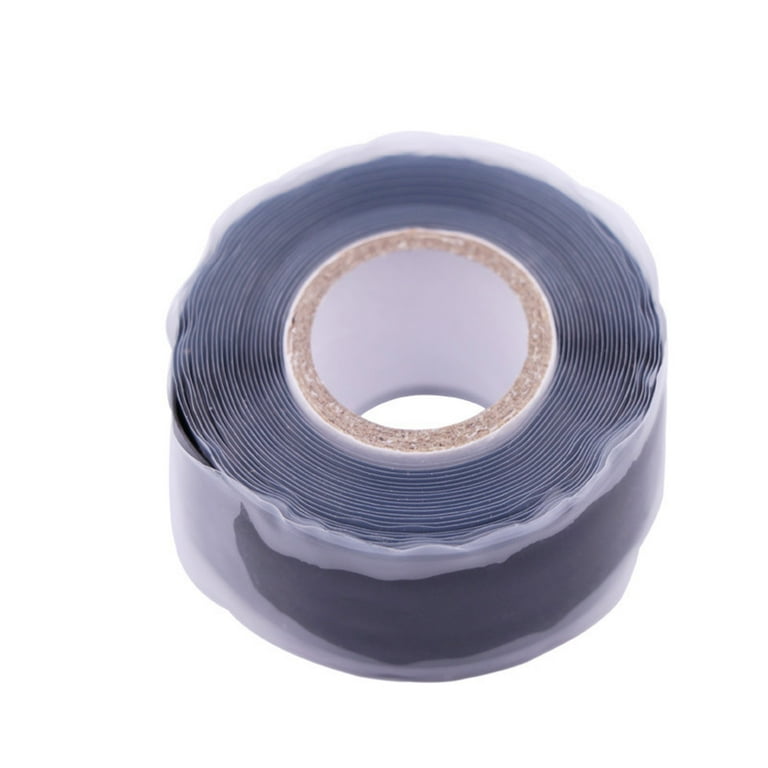
Troubleshooting and mistakes to avoid
When it fails, people wonder, Can adhesive tape withstand high temperatures? or did we install it wrong? These are the usual traps.
Common issues and fixes:
- Edge lift: Round corners, increase pressure, and seal edges
- Residue after bake: Switch to silicone adhesive or higher-temp grade
- Slump or ooze: Use thinner adhesive or a reinforced backing like glass cloth
- Shrink or curl: Move from PET to polyimide; check for thermal mismatch
- Bond loss after cool-down: Improve surface prep; design for shear loads
- Smoke or odor in ovens: Pick low-outgassing grades; pre-bake off-line if allowed
Keep a small “failure log.” The pattern often shows a single fix, like better cleaning or extra dwell.
Safety, compliance, and storage
Rules exist because Can adhesive tape withstand high temperatures? is also a safety issue. Hot surfaces raise risks you must control.
Points to check:
- Flame and smoke: Look for UL 94 V-0 or low-smoke, halogen-free grades when needed
- Electrical safety: Use tapes that meet UL 510 and list dielectric class near coils and windings
- Outgassing: For optics or vacuums, ask for low outgassing per accepted test methods
- Food and pharma: Use materials approved for incidental contact if required
- Environmental: Confirm RoHS and REACH status for restricted substances
- Storage: Keep rolls at 64–75°F (18–24°C), 40–60% RH; avoid sunlight and dust
- Shelf life: Many tapes last 12 months; rotate stock first-in, first-out
Train teams on hot-work safety. Use gloves and eye protection. Vent ovens during first heat cycles.
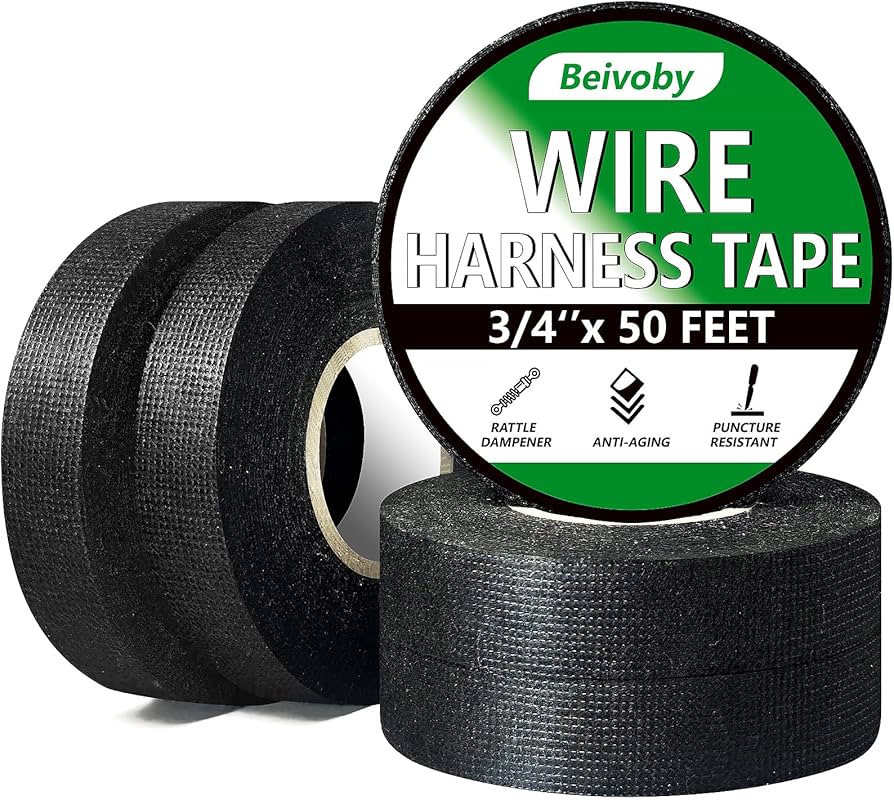
Frequently Asked Questions of Can adhesive tape withstand high temperatures?
Can adhesive tape withstand high temperatures without leaving residue?
Yes, if you pick the right adhesive. Silicone-based tapes often remove cleanly after hot cycles, while rubber adhesives tend to leave residue.
What is the highest temperature common tapes can handle?
Polyimide tape with silicone holds near 500°F (260°C). Some specialty grades go a bit higher for short peaks, but always check the data sheet.
Can adhesive tape withstand high temperatures in an oven?
Yes, many can. Choose silicone adhesive with polyimide or glass cloth backings and verify the bake time and peak temperature.
Is continuous temperature different from intermittent temperature?
Yes. Continuous is the steady-state limit. Intermittent allows short peaks, often minutes to an hour, and should not be your normal operating point.
Which tape should I use for powder coating?
Use high-temp polyester or polyimide with silicone adhesive. Most are rated for 400°F (204°C) bakes and remove cleanly after cure.
Why does my tape fail after thermal cycling?
Thermal expansion and contraction stress the bond line. Round corners, design for shear, and use backings that match your substrate.
Can I improve high-heat performance with a primer?
Often, yes. Primers raise surface energy on plastics and help the adhesive wet out, which boosts bond strength at heat.
Conclusion
Heat will not forgive a poor match of chemistry, backing, and install. You now know the real answer to Can adhesive tape withstand high temperatures? Some tapes thrive in heat when you pick the right type, follow ratings, and apply them with care. Define your duty cycle, test small, and let data guide you.
Put this to work today. Audit your hot spots, pick two candidate tapes, and run a quick bake test. If you found this helpful, subscribe for more hands-on guides or leave a question and I will help you choose a tape for your job.