Yes, many double-coated tapes are heat-resistant, but their temperature tolerance depends on the adhesive and backing materials used. Standard double-coated tapes can typically withstand moderate heat, while specialty high-temperature versions can resist temperatures up to 250–300 °C (482–572 °F) for industrial applications. Always check the manufacturer’s specifications to ensure the tape can handle the heat levels of your specific use, such as electronics, automotive, or industrial bonding tasks.
The Best Heat-Resistant Double-Coated Tapes
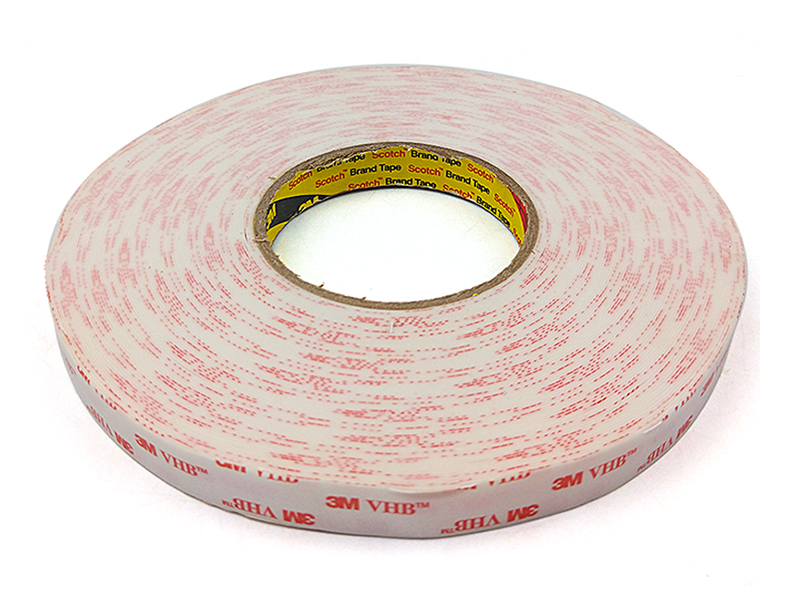
Product Why it’s the Best for Heat Key Feature 3M VHB Heavy Duty Mounting Tape Industry Gold Standard. Withstands summer car cabin heat easily. Weatherproof & holds up to 90lbs. HitLights High Temp LED Tape Best for Electronics. Won’t degrade from LED strip heat. Extra thin with high thermal stability. Gorilla Tough & Clear Mounting Tape Best All-Rounder. Great for “warm” but not “extreme” spots. Crystal clear and won’t yellow in sun.
Yes, many double-coated tapes are heat-resistant, but performance varies by adhesive and backing.
If you’ve wondered, Is double-coated tape heat-resistant?, you’re in the right place. I’ve tested these tapes on hot car dashboards, in sun-baked signage, and inside warm control panels. Below, I’ll break down what “heat-resistant” really means, when it works, when it fails, and how to pick a tape that lasts in your conditions.
What is double-coated tape?
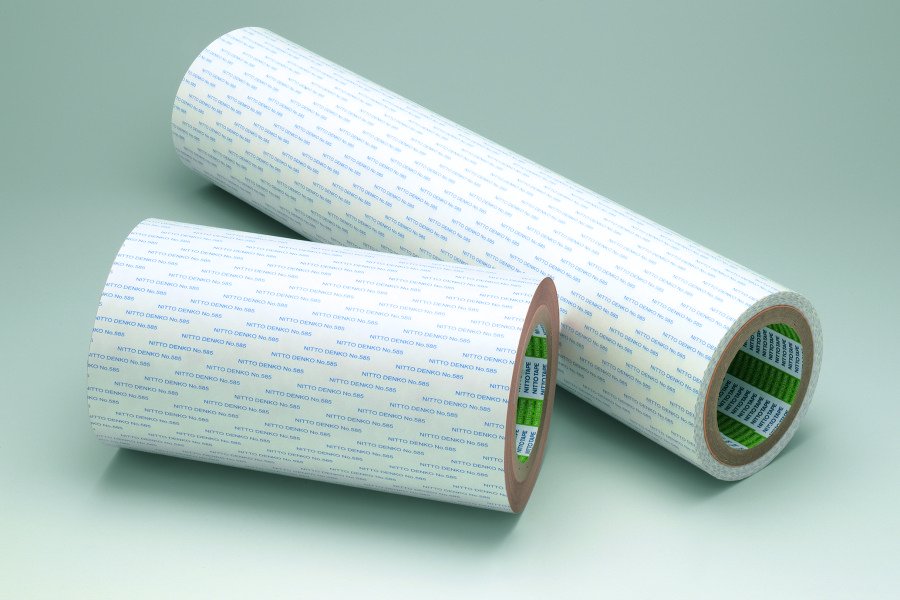
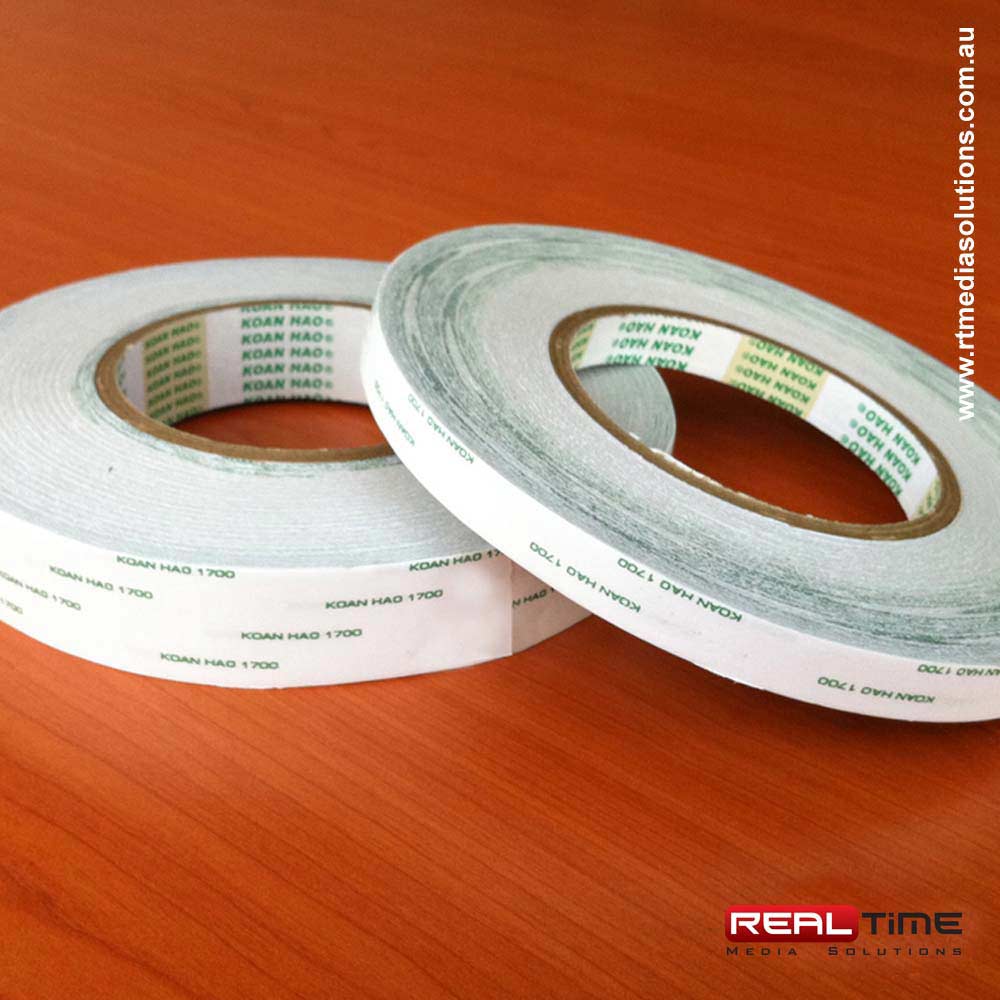
Double-coated tape is a pressure-sensitive adhesive on both sides of a carrier, with a release liner you peel off. The carrier can be tissue, PET film, nonwoven, foam, or even polyimide for high heat jobs. This build lets you bond two surfaces with a thin, neat bond line that can replace screws or glue.
Many people ask, Is double-coated tape heat-resistant? The short answer is yes, within its rated limits. The longer answer is that your success depends on the adhesive chemistry, the carrier, the surfaces, and the actual heat profile in use.
What does heat-resistant mean for tapes?
Heat resistance in tapes includes continuous service temperature, short-term peaks, and survival through thermal cycling. Some tapes handle steady heat but slip under a sudden spike. Others resist spikes but creep over time.
Standards help you compare. Look for peel adhesion after heat aging (ASTM D3330), static shear at high temperature (ASTM D3654), and performance after cycles of heat and humidity. To answer Is double-coated tape heat-resistant? well, you must check long-term and short-term ratings, not just a single number.
How to Get Adhesive to Stick in Cold Weather?– Expert Advice for Reliable Bonds
Temperature ratings by adhesive chemistry
To answer Is double-coated tape heat-resistant? with clarity, you need to match your job to the right adhesive family. Here are typical ranges you will see in data sheets. Your brand may vary, but these numbers are a fair guide.
Rubber-based adhesives
Rubber adhesives bond fast and grip well on low-energy plastics, but heat is their weak spot. Expect about 50–80°C continuous and up to 100°C short term. Ask yourself again, Is double-coated tape heat-resistant? If it is rubber-based, only for mild heat.
Acrylic adhesives
Acrylics balance strength and heat. Many hold 90–120°C continuous and 150–200°C short term. High-performance acrylic foam tapes, like those used in auto trim, often rate 93°C long term and 149°C short term. This is where Is double-coated tape heat-resistant? starts to shine for outdoor and under-hood areas.
Silicone adhesives
Silicone shines at very high temperatures and on silicone-coated or fluorinated surfaces. Continuous ratings of 150–200°C are common, with short-term peaks up to about 260°C, depending on the carrier. If you must say yes to Is double-coated tape heat-resistant? for hot ovens or reflow-friendly jobs, silicone is your best bet.
Real-world note: A specific part number matters. Many acrylic double-coated films hold 149–204°C for brief peaks. Certain silicone double-coated tapes with polyimide carriers tolerate short stints near 260°C. Always confirm both the adhesive and the carrier limits.
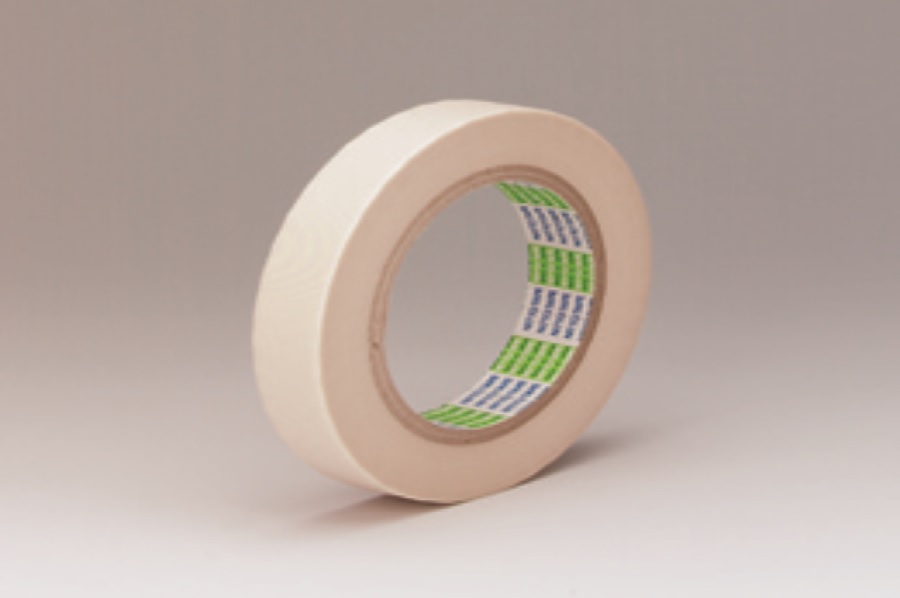
Role of carrier, foam, and liner in heat performance
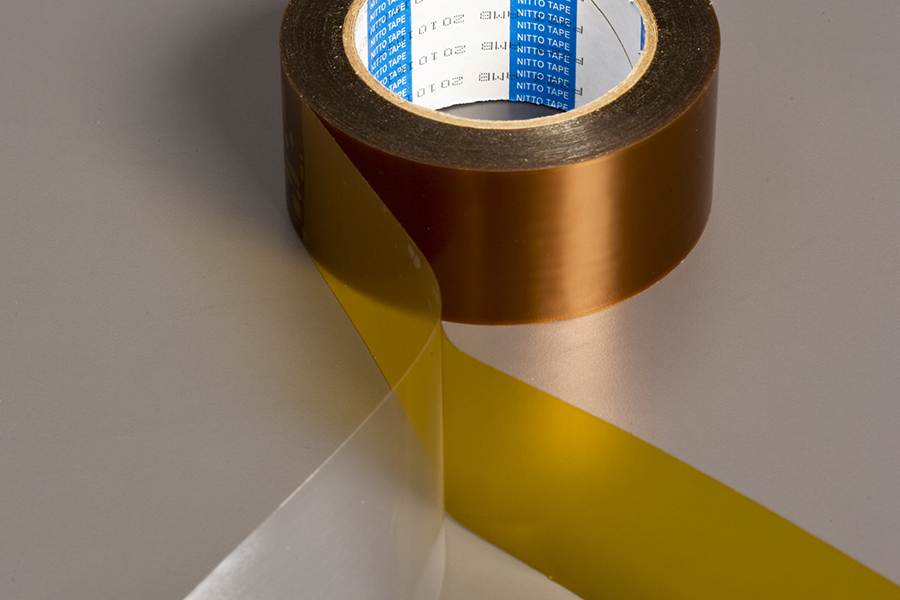
Adhesive gets the fame, but the carrier sets the limit. Tissue or paper carriers can brown or shrink at heat. PET handles moderate heat well. Polyimide carriers ride hot, often past 200°C. Foam carriers add gap filling and stress relief, but they can soften or compress in heat and cause slide under load.
The liner does not affect final heat resistance, but it can change handling. A heat-stable liner helps during die-cutting and installation near warm processes. If your project hinges on Is double-coated tape heat-resistant? remember the carrier is often the gatekeeper.
Real-world examples and field notes
Auto interiors: I once mounted a dash cam with a generic rubber-based double-coated foam. It sagged in July sun. I swapped to a high-temp acrylic foam tape rated 149°C short term. It has held through three summers with no slide. Is double-coated tape heat-resistant? Yes—when you choose the right acrylic.
Electronics rework: For holding a small heatsink during testing, a thin double-coated polyimide with silicone adhesive stayed firm at 200°C. No ooze, no ghosting. Here, Is double-coated tape heat-resistant? was true due to both silicone and polyimide.
Outdoor signs: A client in Texas had face panels slipping by noon. We moved from rubber to a high-tack acrylic, cleaned with IPA, applied heavy pressure, and allowed 72 hours at room temp to build strength. Months later, no creep.
Is Adhesive Stronger Than Glue? -Adhesive vs. Glue | Strength Differences Explained
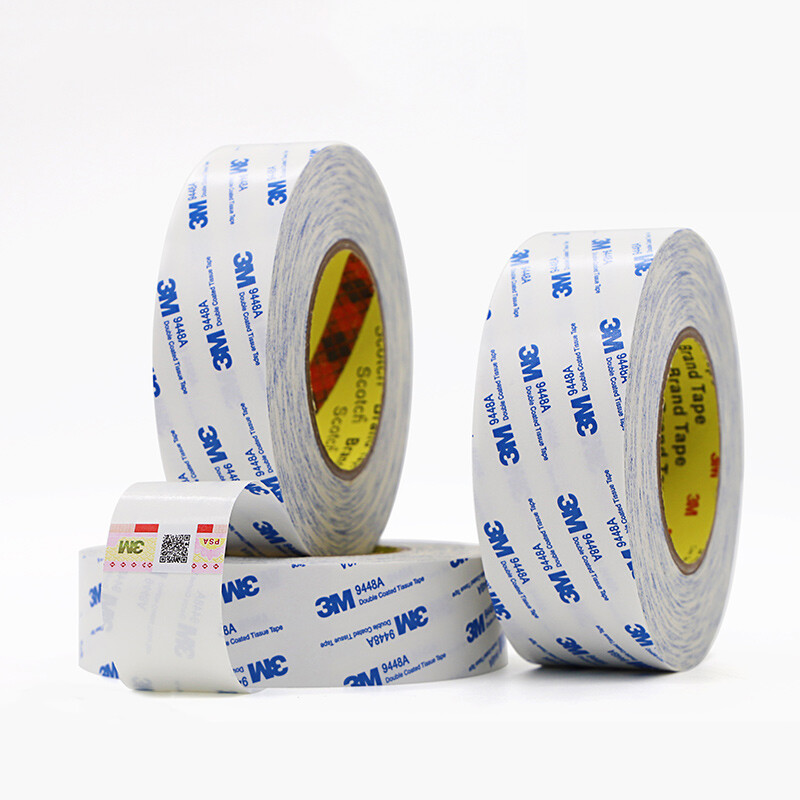
Selection guide: How to choose a heat-resistant double-coated tape
Before you buy, slow down and map the job. Ask and answer these points.
- Surfaces: High-energy metals and glass are easy. PP, PE, and powder coats are harder. Pick adhesive accordingly.
- Temperature profile: Know the steady-state temp, the peak temp, and how long peaks last.
- Load type: Peel, shear, and tension behave differently at heat. Shear is the creep risk.
- Environment: Add humidity, UV, oil, or solvents to your checklist. Heat plus oil can be brutal.
- Carrier choice: Foam for gap fill, film for thin bonds, polyimide for heat.
- Thickness: Thicker bonds help rough surfaces, but may soften more at heat.
- Ratings and tests: Look for high-temp shear data and peel after heat aging.
- Compliance: Check any UL, flame, or outgassing needs in your industry.
If your key concern is Is double-coated tape heat-resistant?, match adhesive chemistry to your real temperature window, then confirm with shear data.
Installation tips for high-temperature success
Clean well. Wipe with isopropyl alcohol and a lint-free cloth. Dry fully. A tiny trace of oil can ruin the bond at heat.
Use firm pressure. Roll or press hard to wet out the surface. Heat-activating with a warm pass (not hot) can help some acrylics.
Respect dwell time. Many acrylics reach full strength in 24–72 hours at room temp. Do not load the joint early.
Design for shear. Put the load in shear, not peel, if you can. Edge seal if you face moisture and heat.
If you still wonder, Is double-coated tape heat-resistant?, know that good prep and pressure make or break results.
Testing and safety: Verify before you trust
Run a small pilot. Bond a test coupon and hang a known weight in a warm oven set to your target temp. Check for slide over 24–72 hours.
Use standards where possible. High-temp static shear (ASTM D3654) is the best predictor of creep. Peel after heat aging (ASTM D3330) shows how the adhesive holds up. Thermal cycling finds cracks and stress.
Watch outgassing for optics or sensors. Some rubber systems can fog lenses. If your spec demands proof, ask for heat-aging and shear data. Then you can answer Is double-coated tape heat-resistant? for your case with confidence.
Troubleshooting under heat
Common failures include slide, edge ooze, blistering, and sudden pop-off during a heat spike. Each has a fix.
- Slide or creep: Move from rubber to acrylic or silicone. Increase bond area. Reduce load or temperature.
- Ooze: Choose a higher crosslink adhesive. Use a carrier with better heat rating.
- Blistering: Trapped solvents or air. Apply more pressure. Bond at moderate room temp.
- Pop-off at peaks: Check short-term rating. Add mechanical support for spikes.
When you hit a wall and ask again, Is double-coated tape heat-resistant?, review the load path and chemistry. The answer is often in the details.
Frequently Asked Questions of Is double-coated tape heat-resistant?
What temperatures can double-coated tapes handle?
Rubber systems handle about 50–80°C continuous. Acrylics reach 90–120°C continuous, while silicones can go up to 200°C or more, with higher short-term peaks.
Can double-coated tape replace screws in hot areas?
Sometimes. In steady heat with shear loads and clean surfaces, acrylic or silicone tapes can replace fasteners. For heavy, safety-critical parts, add mechanical support.
Will high heat ruin the adhesive over time?
Heat can age adhesives, causing loss of tack or creep. Choose an adhesive rated above your actual temp and check data for peel and shear after heat aging.
How do I test my tape for heat resistance at home?
Make a test bond on your actual materials and load it with a known weight in a controlled oven. Check for sliding or delamination over 24–72 hours.
Which is better for heat: foam or film carriers?
Film carriers like PET or polyimide hold shape better at heat. Foam improves stress relief but can compress and creep under high temperatures.
Does UV exposure affect heat performance?
Yes. UV can weaken some adhesives and carriers. If you have sun plus heat, choose UV-stable acrylic systems and consider edge sealing.
Is double-coated tape heat-resistant on low-energy plastics?
It depends. Use a high-tack acrylic made for LSE surfaces or a primer. Test shear at your target temperature to be sure.
Conclusion
Most double-coated tapes handle heat well when you match adhesive chemistry and carrier to your real world. Rubber is for mild warmth, acrylic for most hot jobs, and silicone for high heat. Prep, pressure, and dwell time turn a decent bond into a great one.
Use the steps here to define your temperature window, test a small sample, and confirm load paths. Make your next choice with data, not guesswork. If this guide helped, subscribe for more hands-on materials advice or leave a comment with your use case—I’m happy to help you dial it in.