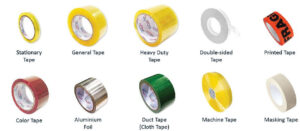
Can Adhesive Tape Catch Fire?
Many people wonder, can adhesive tape catch fire? The direct answer is: Yes, many types of adhesive tape can catch fire when exposed to enough heat, open flame, or sparks. However, not all tapes behave the same way. Some are more flammable than others, and special fire-resistant tapes are designed to resist ignition. Understanding how and why adhesive tape may catch fire is important for safety in homes, offices, and workplaces.
What Makes Adhesive Tape Flammable?
Adhesive tape can catch fire because it is usually made from plastic films, paper, or fabric with sticky glue. These materials can burn under the right conditions. The level of flammability depends on:
- The backing material: Common materials like PVC, polypropylene, and cloth are often flammable.
- The adhesive: Rubber, acrylic, and silicone glues each have different fire risks.
- Additives: Some tapes include fire-retardant chemicals to reduce flammability.
For example, a regular cellophane tape or duct tape can ignite quickly if placed near a flame, while specialty tapes used in electrical or aerospace applications may be engineered not to burn.
Is Double-Coated Tape Heat-Resistant?– Temperature Limits & Safe Use
How Does Tape Catch Fire?
Tape usually ignites when exposed to a heat source above its ignition temperature. This can be an open flame, hot surface, or electrical short circuit. Here’s what happens:
- Heating: The tape is exposed to heat.
- Decomposition: The material begins to break down, releasing flammable gases.
- Ignition: If there is enough heat and oxygen, the gases catch fire.
For example, if you hold a lighter under packing tape, the tape will melt and can catch fire in seconds. The glue may also burn, producing black smoke.
Which Types Of Adhesive Tape Are More Flammable?
Not all adhesive tapes burn the same way. Common household tapes are usually more flammable than industrial or specialty tapes. Here is a comparison of some popular tape types:
| Type of Tape | Flammability Level | Main Material |
|---|---|---|
| Cellophane Tape (Scotch Tape) | High | Cellulose Acetate |
| Packing Tape | High | Polypropylene |
| Duct Tape | Medium | PVC/Cloth |
| Electrical Tape | Low (if UL Listed) | PVC |
| Fire-Retardant Tape | Very Low | Specialized Materials |
Non-obvious insight: Even tapes labeled as “waterproof” or “strong” are not always fireproof. Always check the product specifications if fire safety is important.
What Happens When Tape Burns?
When adhesive tape burns, it does more than just melt. Burning tape can release toxic smoke and fumes because many tapes are made from plastics or chemicals that break down under heat. The glue can drip and spread the fire. Some tapes may even leave behind a sticky residue that continues to smolder.
Another non-obvious insight: The color of the smoke can indicate the material burning. Black, thick smoke usually means the tape contains plastic, which can be hazardous to breathe.
How to Get Adhesive to Stick in Cold Weather?– Expert Advice for Reliable Bonds
Safety Risks Of Flammable Tapes
Using flammable tape in the wrong place can lead to accidents. Here are some risks:
- Fire spread: Tape near heat sources can act as fuel.
- Toxic fumes: Burning tape can produce harmful chemicals like dioxins or phosgene.
- Electrical hazards: Using the wrong tape on wires can start a fire.
For example, using regular tape to repair a wire is dangerous. Only use certified electrical tape for such tasks.
Are There Fire-resistant Adhesive Tapes?
Yes, some tapes are designed to resist fire. Fire-resistant or flame-retardant tapes are made for use in high-temperature or hazardous environments. They use special materials and additives that slow down or stop burning.
| Fire-Resistant Tape Type | Main Use | Fire Test Standard |
|---|---|---|
| Glass Cloth Tape | Aircraft, automotive | UL 510 |
| Aluminum Foil Tape | HVAC, insulation | UL 723 |
| Silicone Tape | High-heat wiring | UL 94V-0 |
These tapes are often used in airplanes, electrical panels, or building construction, where fire safety is required by law.
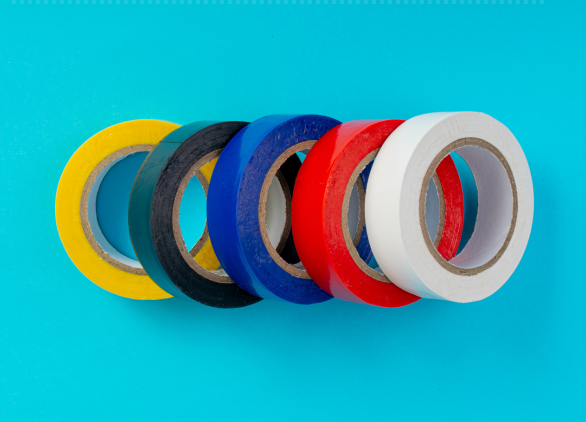
Credit: www.electricalfaultsfixed.com
How To Reduce Fire Risk When Using Tape
To stay safe, always choose the right tape for your task. Here are practical steps:
- Check the label: Look for “fire-retardant” or “UL Listed” markings.
- Avoid using tape near flames: Never put tape on or near stoves, heaters, or open wires.
- Store tape safely: Keep rolls away from direct sunlight and heat sources.
- Dispose properly: Burnt tape should be cleaned up quickly, as residue can keep smoldering.
Practical example: If sealing ductwork near a furnace, use UL 723 rated aluminum foil tape, not standard packing tape.
Real-life Incidents Involving Tape Fires
Accidents involving tape fires are rare but do happen. For example, in 2016, an office fire was traced back to a power strip wrapped with ordinary tape, which overheated and caught fire. In another case, artists using duct tape for stage decorations accidentally started a fire when spotlights overheated the tape.
Key takeaway: Improper tape use can create unexpected fire hazards, especially in creative or DIY projects.
Testing Tape Flammability: Methods And Standards
Manufacturers use standard tests to measure how easily tape burns. The most common are:
- UL 94: Measures how fast a material burns in a vertical flame.
- UL 510: Used for electrical tapes.
- ASTM E84: Tests how quickly tape spreads fire on a surface.
Tapes that pass these tests are marked and certified. You can check the packaging or ask the manufacturer for this information.
What To Do If Tape Catches Fire
If you see tape burning:
- Remove the heat source: Turn off any power or move the item away from flame.
- Smother the fire: Use a damp cloth or fire extinguisher.
- Ventilate: Open windows to remove smoke.
- Seek help: For large fires, call emergency services.
Important: Never use water on electrical fires or burning tape near live wires.
How Does Tape Compare To Other Common Materials?
Tape is not the only everyday item that burns easily. Here is a comparison:
| Material | Relative Flammability | Ignition Temperature (°C) |
|---|---|---|
| Adhesive Tape | Medium to High | 150-400 |
| Paper | High | 218-246 |
| Cotton Fabric | Medium | 255-300 |
| Aluminum Foil | Very Low (does not burn) | — |
| Plastic Bag | High | 260-400 |
Tape can burn as easily as paper or plastic, so treat it with similar caution.
Regulations And Fire Safety Standards
Many countries have rules about what tapes can be used in building, electrical, and industrial work. In the United States, for example, the UL (Underwriters Laboratories) mark shows the tape has passed fire safety tests. In Europe, look for the CE mark for safety compliance.
Using uncertified tape in construction or electrical work can be illegal and dangerous. Always check local safety codes before choosing tape for critical jobs.
Environmental Concerns Of Burning Tape
When adhesive tape burns, it releases greenhouse gases and toxic chemicals into the air, contributing to pollution. Some tapes contain chlorine or other chemicals that make the smoke hazardous. This is a reason to avoid burning tape or throwing it in fires, especially outdoors.
Better choice: Recycle tape when possible, or use fire-safe disposal methods recommended by your local waste authority.
Myths And Misunderstandings About Tape And Fire
Some believe that “strong” tapes are fireproof, or that only electrical tape is safe near heat. These ideas are not always true. For example:
- Myth: “Duct tape is safe for all repairs.” Fact: Duct tape can catch fire if used on hot surfaces.
- Myth: “Clear tape does not burn.” Fact: Cellophane and packing tape ignite easily.
- Myth: “If tape melts but does not burn, it’s safe.” Fact: Melting tape can drip, spread fire, and release fumes.
Always verify the product’s fire rating, not just its strength or appearance.
When Should You Choose Fire-resistant Tape?
Use fire-resistant tape when:
- Working near electrical wires or circuits
- Sealing ducts in heating or cooling systems
- Building or repairing vehicles and airplanes
- Doing any project where heat or sparks are present
Fire-resistant tape costs more, but it protects property and lives.
Common Mistakes When Using Tape Around Heat
Many fire incidents happen because of these mistakes:
- Using the wrong tape: Regular tape on hot pipes or wires.
- Ignoring the environment: Applying tape near stoves, heaters, or engine compartments.
- Overlapping tape: Thick layers can trap heat and ignite.
- Not checking standards: Using non-certified tape for industrial jobs.
Tip: When in doubt, ask a hardware store specialist or check a reliable reference like the Wikipedia page on adhesive tape.
Final Thoughts
So, can adhesive tape catch fire? Yes, most common tapes can ignite when exposed to enough heat or flame. Some tapes are specially made to resist fire, but standard household and office tapes are not safe for high-temperature use. Understanding the materials, checking safety labels, and choosing the right tape for the job can prevent accidents. Always treat adhesive tape with the same caution you would give other everyday flammable items.
Frequently Asked Questions
Can I Use Duct Tape To Repair Electrical Wires?
No, duct tape is not designed for electrical safety. Always use UL-listed electrical tape for wires. Duct tape can catch fire or melt, leading to hazards.
Is There Any Tape That Is Completely Fireproof?
No tape is completely fireproof under all conditions, but some are highly fire-resistant. Glass cloth, aluminum foil, and silicone tapes are designed for high temperatures and usually pass strict fire tests.
What Happens If I Accidentally Burn Tape?
Burning tape releases toxic fumes and black smoke. Move away from the smoke, ventilate the area, and clean up any residue safely. Do not inhale the fumes.
Are There Any Legal Requirements For Tape In Construction?
Yes, building codes often require fire-resistant tapes in certain places, like HVAC ducts or electrical panels. Using non-certified tape can lead to code violations.
How Can I Tell If A Tape Is Fire-resistant?
Check the packaging for fire-resistance ratings (such as UL 94 or UL 723) or ask the manufacturer. Certified tapes will clearly show their fire safety standards.