When you need tape that can handle high temperatures, not all tapes will work. Heat resistant tape is specially made to survive extreme heat without melting, burning, or losing its stickiness. This type of tape is used in electronics, automotive repairs, industrial work, and even arts and crafts that involve heat. The most common types of heat resistant tape include Kapton tape, aluminum foil tape, fiberglass tape, PTFE tape, high-temp masking tape, and silicone adhesive tapes. Each has its own strengths and is designed for different temperatures and tasks.
Top-Rated Heat Resistant Tapes for Any Project
| Project Type | Recommended Tape | Temp Limit |
| Electronics & soldering | Milkyway Kapton Polyimide Tape | 260°C (500°F) |
| HVAC & Duct Repair | 3M Aluminum Foil Tape 3340 | 150°C (300°F) |
| Engine & Hose Leaks | Rescue Tape Silicone Fuse | 260°C (500°F) |
Choosing the right heat resistant tape is important for safety and the best results. In this article, you’ll learn about the main types of heat resistant tape, their uses, how they compare, and what to look for when buying. You’ll also see real examples, learn about common mistakes, and get answers to frequent questions.
What Makes Tape Heat Resistant?
Heat resistant tape is made from materials that can tolerate high temperatures. Most tapes use strong backings like polyimide, fiberglass, or aluminum foil, combined with special adhesives that don’t melt or weaken when heated. These tapes are tested to stay sticky and strong even when exposed to heat for a long time.
The temperature range for heat resistant tapes can start from about 120°C (248°F) and go up to 1000°C (1832°F) or more, depending on the material. This makes them useful for applications like soldering, powder coating, furnace repairs, and electrical insulation.
Is Double-Coated Tape Heat-Resistant?– Temperature Limits & Safe Use
Main Types Of Heat Resistant Tape
Let’s look at the most popular types of heat resistant tape, what they’re made of, and where they’re used.
Kapton Tape (polyimide Tape)
Kapton tape is made from polyimide film with a silicone adhesive. It is famous for handling very high temperatures, often between -269°C to 260°C (-452°F to 500°F). Kapton tape does not burn easily and stays flexible in both hot and cold conditions.
It is widely used in electronics for insulating circuit boards during soldering, protecting components from heat damage, and even in 3D printing. Kapton tape is also used in aerospace and labs because it does not react with chemicals and does not leave sticky residue.
Aluminum Foil Tape
Aluminum foil tape uses a thin layer of aluminum as the backing, with either acrylic or silicone adhesive. It reflects heat and resists moisture and chemicals. The tape can tolerate temperatures up to about 150°C (302°F), and some specialized versions can handle even more.
This tape is commonly used in HVAC systems, sealing and joining ducts, repairing metal surfaces, and in automotive heat shielding. Its shiny surface helps reflect radiant heat away from sensitive areas.
Fiberglass Tape
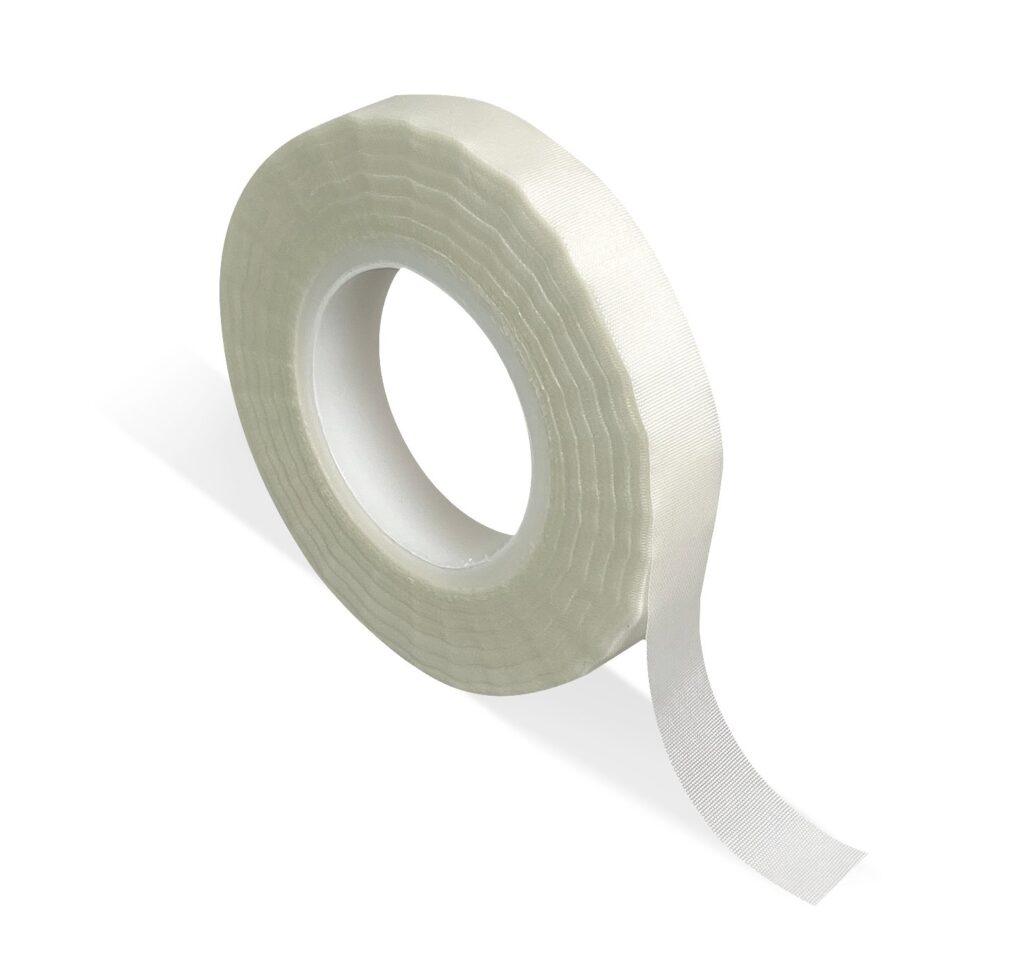
Fiberglass tape is woven from glass fibers, which do not burn or melt until very high temperatures (up to 550°C or 1022°F). The tape is often coated with silicone or acrylic adhesive to improve sticking power.
You’ll find fiberglass tape used for pipe insulation, wrapping exhausts, furnace repairs, and as an electrical insulator in motors and transformers. It is especially good for places where both high heat and strength are needed.
Ptfe Tape (teflon Tape)
PTFE tape, often called Teflon tape, is made from polytetrafluoroethylene. While most people know it as plumber’s tape for sealing pipe threads, high-temperature PTFE tapes are also available. These can handle temperatures from -200°C to 260°C (-328°F to 500°F).
This tape is non-stick, chemically resistant, and does not burn easily. It is used in electronics, heat sealing, and as a release surface in industrial machines.
High-temperature Masking Tape
High-temperature masking tape looks like regular masking tape but is made to survive heat. It usually uses a crepe paper backing with a silicone adhesive. These tapes can handle up to 180°C (356°F) or more.
They’re used for masking off areas during powder coating, painting, and soldering, where normal masking tape would melt or burn. They remove cleanly without leaving glue behind.
Silicone Adhesive Tape
Silicone adhesive tape is made from silicone rubber, which naturally resists heat, chemicals, and weather. Some tapes are self-fusing, meaning they bond to themselves without glue. These tapes can survive temperatures from -54°C to 260°C (-65°F to 500°F).
You’ll find silicone tapes used for emergency repairs, electrical insulation, sealing hoses, and even in medical uses. They stay flexible and strong even after years of exposure to heat.
Credit: makerflo.com
Comparison Of Common Heat Resistant Tapes
Here’s a comparison of the most popular heat resistant tapes, including their max temperature, main uses, and backing materials.
| Type | Max Temperature (°C) | Main Use | Backing Material |
|---|---|---|---|
| Kapton (Polyimide) | 260 | Electronics, 3D printing | Polyimide |
| Aluminum Foil | 150-300 | HVAC, automotive | Aluminum |
| Fiberglass | 550 | Insulation, furnaces | Fiberglass |
| PTFE (Teflon) | 260 | Sealing, heat press | PTFE |
| High-Temp Masking | 180-220 | Painting, powder coating | Crepe paper |
| Silicone Tape | 260 | Repairs, insulation | Silicone rubber |
How To Choose The Right Heat Resistant Tape
To pick the best tape, consider these key factors:
- Maximum temperature: Check the highest temperature the tape will face. Always choose a tape with a higher rating than your application’s max heat.
- Backing material: Polyimide, fiberglass, and aluminum all have different strengths. Fiberglass is strongest but less flexible. Polyimide is thin but handles very high heat.
- Adhesive type: Silicone adhesives resist heat better than acrylic or rubber. For very hot jobs, always choose silicone.
- Thickness and flexibility: For wrapping or conforming to shapes, thinner and flexible tapes work best. For insulation, thicker tapes are better.
- Surface and environment: Some tapes stick better to metals, others to plastics or glass. Also, consider exposure to chemicals, water, or UV light.
- Residue after removal: In electronics or painting, pick tapes that leave no sticky residue.
Common mistake: Many users pick a tape only by the word “heat resistant” on the label. Always check the technical datasheet for the real temperature rating, as “heat resistant” can mean different things for different brands.
Real-world Examples Of Heat Resistant Tape
Here are some practical examples of how these tapes are used:
- Soldering electronics: Kapton tape is wrapped around components to protect them from soldering heat and prevent accidental shorts.
- Powder coating: High-temp masking tape masks off threads or areas that shouldn’t be coated, then peels off cleanly after baking.
- Automotive repairs: Aluminum foil tape is used on exhaust parts and heat shields to reflect engine heat away from sensitive wires or hoses.
- Pipe insulation: Fiberglass tape wraps around steam pipes, boilers, and exhausts to keep heat in and protect workers from burns.
- 3D printing: Kapton tape covers the printer bed for better adhesion of prints and easy removal after cooling.
- Emergency hose repair: Self-fusing silicone tape can seal a leaking radiator hose in minutes, even with hot water flowing.
Durability And Performance: What To Expect
Heat resistant tapes are designed to last, but their performance can vary based on use. For example, Kapton tape can handle repeated heating and cooling without breaking down. Aluminum tape lasts long outdoors but can lose stickiness if not pressed firmly.
Fiberglass tape is tough but can fray if cut with dull tools.
A non-obvious insight: the way you apply the tape matters. Clean the surface first—dust, oil, or even fingerprints can weaken the bond, especially at high temperatures. Press tape firmly and avoid stretching, as stretched tape can shrink or peel off when heated.
Many tapes also resist chemicals, moisture, and UV rays, but always check the manufacturer’s specs if these factors are important.
Credit: www.warmlyyours.com
Heat Resistant Tape Vs. Regular Tape
Here’s how heat resistant tapes stack up against common tapes like duct tape or packing tape.
| Feature | Heat Resistant Tape | Regular Tape |
|---|---|---|
| Max Temperature | Up to 1000°C | Up to 60°C |
| Adhesive | Silicone, acrylic, specialty | Rubber, acrylic |
| Residue | No/low residue | Leaves sticky mess |
| Flexibility | High (some types) | Medium |
| Price | Higher | Lower |
Non-obvious insight: Even some duct tapes labeled “all-weather” are not safe above 70°C (158°F). For any high-heat job, always use real heat resistant tape.
Where To Buy And What To Watch Out For
Heat resistant tapes are sold online, in hardware stores, and through industrial suppliers. Trusted brands include 3M, Tesa, and DuPont for Kapton and specialty tapes.
- Buy from a reliable seller to avoid counterfeit or mislabeled products.
- Check for UL or ASTM certifications if safety is critical.
- For large projects, ask for a sample to test before ordering in bulk.
If you want to learn more about the science behind these tapes, the Wikipedia page on adhesive tape has excellent background information.

Credit: www.conro.com
Frequently Asked Questions
What Temperature Can Heat Resistant Tape Withstand?
Different tapes handle different maximum temperatures. Kapton and PTFE tapes can survive up to 260°C (500°F). Fiberglass tape can go up to 550°C (1022°F), while aluminum foil tapes range from 150°C to over 300°C depending on the product. Always check the package or datasheet for exact ratings.
Is Duct Tape Heat Resistant?
No, standard duct tape is not heat resistant. It usually fails above 60–80°C (140–176°F) and can melt, burn, or lose adhesion. For high temperatures, use tape designed for heat, such as Kapton or aluminum foil tape.
Can I Use Heat Resistant Tape For Electrical Insulation?
Yes, many heat resistant tapes like Kapton, fiberglass, and silicone are used in electrical insulation, especially in motors, transformers, and circuit boards. Always make sure the tape is rated for electrical use and check its voltage rating.
Does Heat Resistant Tape Leave Residue After Removal?
Most high-quality heat resistant tapes, especially Kapton and high-temp masking tapes, are designed to remove cleanly without leaving sticky residue. However, cheap tapes or those with acrylic adhesives may leave some glue behind if exposed to very high heat.
How Do I Know Which Tape To Use For My Project?
First, check the maximum temperature your project will reach. Next, decide if you need flexibility, electrical insulation, or chemical resistance. Choose a tape that matches those needs and is certified for your application. When in doubt, ask the supplier or check technical datasheets.
Using the right heat resistant tape protects your work and gives better results, whether you’re fixing an engine, making electronics, or painting with heat. With the right knowledge, you can choose wisely and avoid costly mistakes.