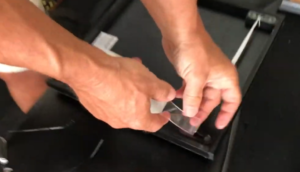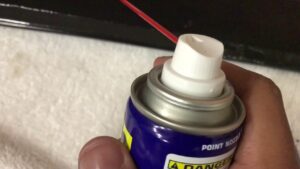
To remove double-sided tape residue, start by gently peeling off any remaining tape. Apply a small amount of rubbing alcohol, adhesive remover, or vegetable oil to a soft cloth and rub the sticky residue in a circular motion. For stubborn spots, warm the area with a hairdryer to soften the adhesive before wiping it away. Finally, clean the surface with soap and water to remove any leftover oils or chemicals, ensuring the surface is smooth and residue-free.
Essential Tools for Residue Removal
Product Why it’s the Best for Tape Residue Key Feature Goo Gone Original Liquid The Gold Standard. Safely dissolves tape adhesive on almost any surface. Citrus-power formula; surface-safe. Flynama Plastic Razor Scraper Best for Walls. Removes gunk without scratching paint or glass. Double-edged plastic blades. 3M Adhesive Eraser Wheel Best for Heavy Duty. Cleans large areas of tape off metal/cars in seconds. Drill-attachment; no chemicals needed.
If you want to know how to remove double sided tape residue without scratches or stains, you are in the right place. I have cleaned tape glue from walls, cars, glass, and wood for years. This guide shows what works, what does not, and how to fix mistakes fast. Read on for clear steps, safe solvents, and pro tips that save time and paint.
what kind of tape is heat resistant?– Best Options for High-Temp Jobs
What you need to get started
A simple kit makes the job fast and safe. Gather these first so you do not pause mid-clean.
How to remove double sided tape residue: a simple step-by-step
Use this safe order first. It works on most surfaces and cuts risk.
- Warm the residue
Hold a hair dryer a few inches away for 20–30 seconds. Move in circles. Warm, do not overheat. - Lift the bulk
Peel with your fingers. Use a plastic card to nudge. Do not gouge. - Add a gentle solvent
Start with oil. Dab a few drops. Wait 1–2 minutes. Wipe in one direction. - Switch if needed
If oil fails, try isopropyl alcohol on a cloth. Work small areas. Re-warm if it resists. - Wipe and wash
When the glue lets go, wash with soapy water. Dry with a clean cloth. - Check for haze
If you see a dull film, re-wash or use a glass cleaner. On cars, use detail spray. - Protect the finish
On wood or cars, add a light wax or polish to restore gloss.
Tip: If you came here to learn how to remove double sided tape residue on paint, test a hidden spot first. Then follow the same order: heat, gentle solvent, then wash.
Surface-specific methods that work
Each surface needs a slight tweak. Here is how to remove double sided tape residue the right way for each one.
Glass and mirrors
- Warm, then scrape with a plastic razor at a low angle.
- Use alcohol or a citrus remover. Avoid metal blades if you can. They can scratch tempered glass edges.
- Finish with glass cleaner to prevent streaks.
Painted walls
- Use light heat. Do not bubble the paint.
- Start with mild dish soap and warm water. Then try oil on a cloth.
- If needed, use a tiny bit of alcohol on flat paint. Blot. Do not rub hard.
- Dry and touch up paint only if needed.
Finished wood and cabinets
- Skip alcohol at first. It can dull some finishes.
- Use oil and gentle rubbing. Wipe with soapy water after.
- For stubborn spots, try citrus adhesive remover. Follow label dwell times.
- Dry fast to protect the finish.
Unfinished wood
- Avoid liquids that soak in. Use heat and a plastic card.
- Try a paste of baking soda and a few drops of oil. Rub light. Vacuum dust and wipe dry.
Metal and appliances
- Heat, then alcohol or citrus remover.
- For thin film, rub with oil first to reduce scratches.
- Polish stainless with a grain-safe motion.
Plastics and acrylic
- Use only low heat. High heat can warp plastic.
- Try oil first. Alcohol can craze some acrylics.
- If needed, use a plastic-safe adhesive remover labeled for plastics.
Cars and clear coat
- Warm the glue. Do not point high heat at one spot.
- Use citrus remover or a detail-safe adhesive remover. Follow car-safe labels.
- A rubber eraser wheel on low speed is great for badges and trim tape. Keep it moving. Do not use on fresh paint.
- Wash and add wax after.
Fabric and upholstery
- Freeze the residue with an ice pack to make it brittle.
- Flake off what you can.
- Dab with a small amount of isopropyl alcohol on the back side first. Blot, do not rub. Rinse and air dry.
Leather and faux leather
- Use a tiny bit of leather-safe cleaner or oil.
- Blot and lift. Do not scrub. Recondition after.
Why this works: Heat softens the adhesive bond. Oil breaks the sticky grip. Alcohol lifts the last film. That is the core of how to remove double sided tape residue on most surfaces.

Solvent guide: what to use and when
Picking the right solvent is key. Here is how to remove double sided tape residue with the lowest risk.
- Oil (cooking oil, baby oil, mineral oil)
Best first step on most surfaces. Safe on paint and wood finishes. Leaves an oily film, so wash after. - Isopropyl alcohol 70–91%
Great on glass, metal, and many plastics. Can dull some wood and soft plastics. Test first. - Citrus adhesive removers
Effective on tough, rubbery glues like outdoor tape. Follow label dwell time. Wipe clean and wash. - Mineral spirits
Good on cured paint and metal. Avoid on raw plastics and fresh paint. Ventilate well. - White vinegar
Mild and safe. Works on thin film and walls. Less power on heavy glue. - Rubber eraser wheel
Top pick for auto trim tape on cured paint. Keep the speed low and the wheel moving.
What to avoid most of the time:
- Acetone or nail polish remover. They can melt plastics and damage paint.
- Abrasive pads. They scratch clear coats, wood, and glass.
Note: Manufacturer guidance for adhesives and paint systems often suggests test spots, gentle heat, and step-up solvents. That aligns with the safe order above.
:max_bytes(150000):strip_icc()/how-to-remove-double-sided-foam-tape-5195063-11-1821a76558a143c186c5127a76efb3d0.jpg)
Heat vs solvents: choosing the right first move
If the residue is thick or fresh, start with heat. Heat loosens the bond so you need less solvent and force. If the residue is thin and old, a solvent can be faster.
Rules of thumb:
- If the tape foam is still attached, add heat first.
- If only a shiny film remains, start with alcohol.
- On delicate paint or wood, heat plus oil is the safest pair.
PAA-style Q&A inside the section:
Will heat damage paint?
Short, low heat is safe on cured paint. Keep the dryer moving and your hand in the airstream.
How warm is warm enough?
If you can hold your hand near the spot, you are in the safe zone. You want soft, not hot.
Can I skip heat on glass?
Yes, if the glue is thin. For thick foam tape, heat still helps a lot.
Clean up stains and haze after the glue is gone
Sometimes the sticky is gone, but a shadow or film stays. Here is how to remove double sided tape residue marks fully.
- Wash with mild dish soap and warm water.
- On glass, use a 1:1 mix of vinegar and water. Wipe dry with microfiber.
- On cars, use a detail spray, then a light wax to even gloss.
- On wood, apply a tiny bit of wood polish to revive sheen.
- If a dark stain remains on porous wood, lightly sand and refinish the small area.
If you see clouding on plastic, stop and switch to a plastic-safe cleaner. Alcohol may have etched the surface.

Safety, testing, and damage control
Good prep prevents costly fixes. Follow these habits every time you work on how to remove double sided tape residue.
- Test in a hidden spot. Wait 10 minutes. Check for dulling or color lift.
- Mask seams and edges with painter’s tape to protect nearby areas.
- Ventilate well. Wear gloves. Keep solvents away from flames.
- On cars, confirm the paint is fully cured. New paint can be soft for 30–60 days.
- If a finish turns tacky, stop. Rinse with soapy water. Let it dry before you try again.
Many paint makers advise the same: use the least aggressive method first, and step up only if needed.
:max_bytes(150000):strip_icc()/how-to-remove-double-sided-foam-tape-5195063-hero-2b356fcf1ca64e3e9d03d637d65c0012.jpg)
Common mistakes to avoid
These errors turn a quick clean into a repair job.
- Using a metal scraper. It leaves lines you cannot buff out on many surfaces.
- Jumping straight to strong solvents. You raise the odds of stains and haze.
- Overheating one spot. This can bubble paint or warp plastic.
- Rubbing in circles with pressure. That grinds grit into the finish.
- Skipping the wash step. Leftover oil or remover attracts dust and leaves smears.
Real-life examples and pro tips
From my field work, here are quick wins and lessons on how to remove double sided tape residue.
- Rental wall rescue
Foam tape pulled paint on a flat wall. I warmed it, used oil, then blotted with soapy water. No repaint needed. Lesson: do not rush or scrub. - Car badge cleanup
A client wanted a clean trunk after badge removal. I used a rubber eraser wheel on low speed, then citrus remover and wax. Result was factory clean. Lesson: keep the wheel moving and cool. - Glass shower fix
Old mounting tape left a hard ridge. I warmed the ridge, scraped with a plastic razor, then wiped with 91% alcohol. No scratches. Lesson: sharp plastic at a low angle beats force.
More pro tips:
- Use dental floss or fishing line to slice foam tape before solvent. It saves time.
- Work in small zones. Remove, wipe, wash, then move on.
- Keep two cloths: one for solvent, one for final clean. Do not mix them.
Eco-friendly and kid-safe options
You can still solve it with gentle items from your kitchen.
- Warm water and mild soap for light film on walls and glass.
- Olive oil or coconut oil to soften glue on many surfaces.
- Vinegar spray for thin residue on glass and tile.
- Baking soda paste for unfinished wood. Wipe and dry well.
These options are slower but safer. They are a solid start if you need a low-fume space. If they fail, step up to alcohol or a labeled adhesive remover.
Quick answers you might be searching for
Here are fast hits that match the most common searches on how to remove double sided tape residue.
What removes double sided tape residue from walls fast?
Try light heat, then oil on a cloth. Wash with soapy water and dab dry.
How do you remove 3M tape residue from a car?
Warm it, use a car-safe citrus remover, then a rubber eraser wheel on low. Wash and wax after.
What takes off sticky residue from plastic without damage?
Start with oil and gentle wipes. If needed, use a plastic-safe adhesive remover and avoid alcohol on soft plastics.
Frequently Asked Questions
How long should I let a solvent sit on the residue?
Start with 1–2 minutes, then test a small wipe. Add time in short steps if it still grips.
Is rubbing alcohol safe on painted walls?
Use sparingly and only on small spots. It can dull flat paint, so test first and blot, do not rub.
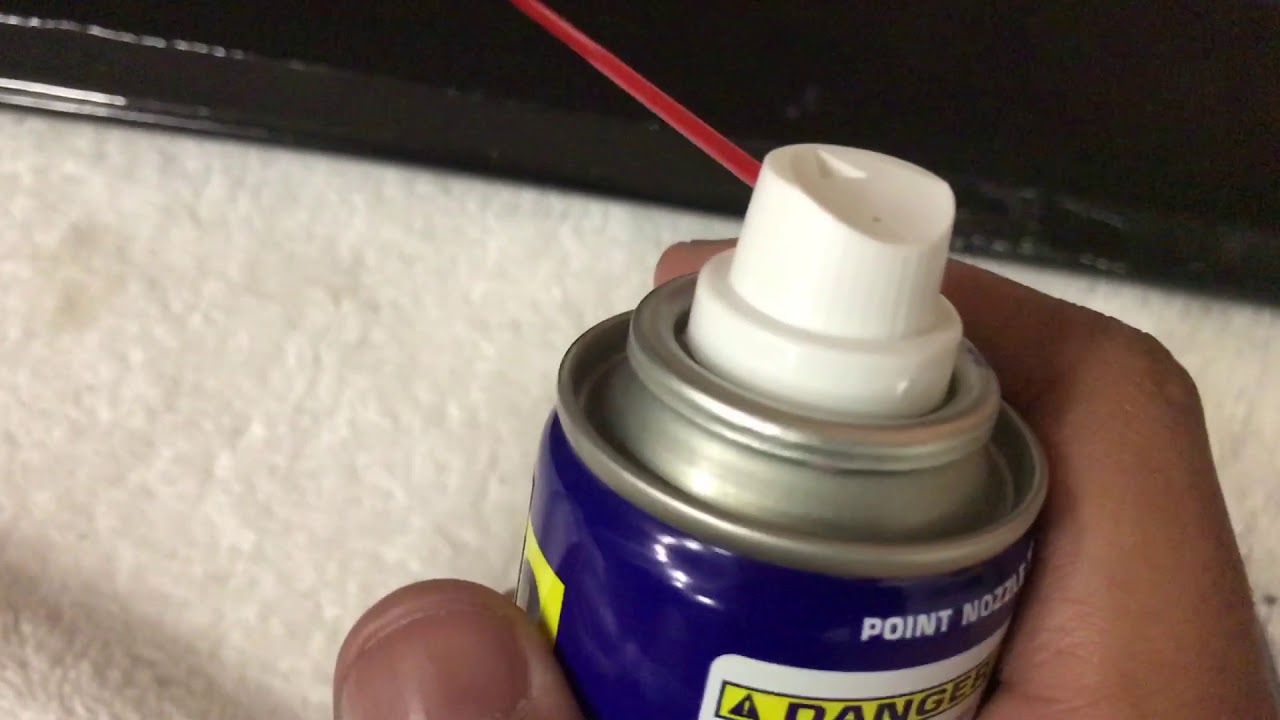
Can I use WD-40 to remove tape residue?
Yes, it works well on metal and some plastics. Wash the area with soapy water after to remove the oily film.
Will vinegar remove tough foam tape glue?
Vinegar helps with thin films but struggles with thick foam. Use heat and a stronger remover if vinegar fails.
How do I remove residue from wood without harming the finish?
Use oil first and gentle wipes, then wash with soapy water. If needed, try a wood-safe citrus remover and test in a hidden spot.
Conclusion
You now know how to remove double sided tape residue with a calm, proven plan. Start with heat, move to gentle oils, then step up to alcohol or a safe remover. Work small, test first, and wash after. Your walls, glass, wood, and car paint will thank you.
Take five minutes to gather your kit today. The next sticky job will be quick and stress free. Want more guides like this? Subscribe for weekly how-tos, or drop a comment with your toughest residue challenge.