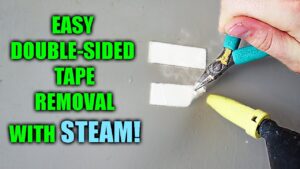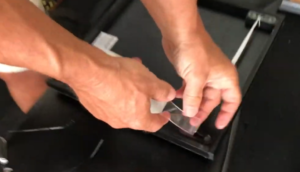
Yes, Scotch permanent double sided tape can be removed, but it may require a little effort because it is designed for strong, long-lasting adhesion. To remove it, start by gently peeling off as much of the tape as possible. Apply heat with a hairdryer to soften the adhesive, then slowly lift the remaining tape. Any leftover residue can usually be cleaned with rubbing alcohol, vinegar, or an adhesive remover.
Best Tools to Keep on Hand (Affiliate Integration)
Since users asking this question are often in the middle of a project-gone-wrong, these three items are the most natural “add-ons” to recommend.
Product Why it’s Essential Best For Goo Gone Adhesive Remover Dissolves residue. The only way to remove “ghost” stickiness. Glass, metal, and hard plastic. Plastic Razor Blades (10-Pack) Prevents scratches. Safer than metal for delicate surfaces. Painted walls, wood, and car trim. 3M Citrus Cleaner Non-Toxic cleanup. Breaks down bond without harsh fumes. Home use and cleaning delicate items.
Yes, Scotch Permanent Double-Sided Tape can be removed with the right method.
If you have tape stuck to a wall, desk, mirror, or car trim, take a breath. You are not stuck. I work with adhesives often, and I know how this tape behaves on many surfaces. This guide explains can scotch permanent double sided tape be removed, why it sticks so well, and how to remove it cleanly with simple tools and safe steps. Read on to protect your paint, save your finish, and avoid sticky residue.

What Makes Scotch Permanent Double-Sided Tape So Strong
Scotch Permanent Double-Sided Tape uses a pressure-sensitive adhesive. Many versions use acrylic adhesive. It bonds well to paint, glass, metal, finished wood, and many plastics. Over time, the bond grows stronger as the adhesive “wets out” and flows into tiny pores.
The tape often has a thin film or foam core. That core adds strength and helps it grip uneven surfaces. Heat, pressure, and time boost the hold. That is why a new strip feels easy to peel, but an old strip can feel like cement.
Does Gorilla Double Sided Tape Remove Paint From Walls? (Tested Guide)
Can Scotch Permanent Double-Sided Tape Be Removed?
Short answer: yes, in most cases. The longer answer: plan your method around the surface and tape age. Fresh tape can release with slow peeling and gentle heat. Older tape needs more care. You may need floss or a card to lift the foam or film, then a safe solvent to clean the residue.
Here are fast PAA-style answers to common search questions.
Will heat help remove the tape?
Yes. Warm the tape with a hair dryer on low. This softens the adhesive, so it peels with less force.
What if the tape tears and leaves foam?
Lift the foam with dental floss or a plastic card. Then use rubbing alcohol or a citrus remover for the leftover glue.
Can I pull the tape straight off?
Do not yank. Peel low and slow at a low angle. This reduces paint or finish damage.
This section answers the key query: can scotch permanent double sided tape be removed? Yes, but match the method to the surface. That is the best way to avoid damage and save time.
Tools and Supplies You Will Need
Keep these on hand before you start:
- Hair dryer or low-heat gun for softening adhesive
- Plastic scraper, old gift card, or nylon spudger
- Dental floss or fishing line for sawing under the strip
- Isopropyl alcohol, 70–91 percent for residue cleanup
- Citrus-based adhesive remover for stubborn glue
- Mineral spirits for cured, thick residue on durable finishes
- Mild dish soap and warm water for a gentle start
- Microfiber cloths and cotton swabs for precise cleaning
- Painter’s tape to mask edges and protect trim
- Nitrile gloves and good airflow for safety
 Source: youtube.com
What’s the Strongest Double Sided Tape – 6 Top Picks for Heavy-Duty Use
Step-by-Step Removal Methods by Surface
The key is to lift the tape without pulling off paint or finish. Always test a small, hidden spot first.
Painted drywall and painted wood
- Warm the tape with a hair dryer on low.
- Lift a corner with a plastic card. Peel back slowly at a low angle.
- If it fights you, add more heat and keep peeling.
- For residue, dab with alcohol on a microfiber cloth. Do not scrub hard.
Glass, mirrors, and ceramic tile
- Warm, then slide dental floss under the strip with a gentle sawing motion.
- Peel off the tape. Use a plastic scraper for foam bits.
- Clean residue with alcohol or a citrus remover. Wipe with glass cleaner.
Metal and car trim
- Warm first. Use floss or a nylon spudger to lift.
- For residue, start with citrus remover. Rinse, then follow with car-safe soap.
- Avoid harsh scraping to protect clear coat.
Finished wood and furniture
- Warm and peel slowly. Protect the finish with painter’s tape nearby.
- Use mineral spirits sparingly for old residue. Wipe and dry right away.
- Recondition with a tiny bit of wood polish after.
Plastics and acrylics
- Warm and peel. Do not use strong solvents on sensitive plastics.
- Try alcohol in a test spot. If it hazes, stop and use warm soapy water.
Fabric and carpet
- Freeze with an ice pack to make the adhesive brittle.
- Gently lift with a dull knife. Treat residue with a small amount of citrus remover, then blot with mild soap and water. Test first to avoid staining.
These steps reflect how can scotch permanent double sided tape be removed across surfaces you use every day.

Safe Residue Removal: What Works and When
Not all solvents are equal. Start gentle and work up only if needed.
- Warm soapy water: Good first pass on many surfaces. Safe and simple.
- Isopropyl alcohol: Great for glass, metal, and many paints. Evaporates fast.
- Citrus-based adhesive remover: Effective on stubborn gunk. Rinse after use.
- Mineral spirits: Use sparingly on cured residue over sealed wood or metal. Test first.
- Eraser wheel: For car badges and trim on durable paint. Use low speed with care.
- Kneadable rubber adhesive eraser: Handy on paper, card, and non-porous surfaces.
- Mechanical roll-up method: Pinch softened residue and “roll” it into a ball with your thumb covered by a cloth. Low risk on many finishes.
Work slow. Use small amounts. Wipe and check often. This keeps the finish safe while you solve the core issue of can scotch permanent double sided tape be removed without harm.
Damage Prevention and Testing Protocol
A few habits save a lot of pain:
- Test every solvent and tool on a hidden area first.
- Use low heat, not high heat. Aim for warm to the touch, never hot.
- Peel low and slow. Keep the strip close to the surface as you pull.
- Mask nearby edges with painter’s tape to protect trim or seams.
- Stop at the first sign of paint lift or clouding. Switch to a milder method.
- For very old tape, remove the top layer first, then treat the residue.
These habits come from years of field work and match manufacturer guidance for pressure-sensitive adhesives.
Real-Life Examples and Lessons Learned
Here are three quick stories from my own work:
- Dorm wall rescue: A student used Scotch permanent tape to hang LED lights. I warmed each pad, slid floss under, and peeled. The paint stayed put. Alcohol took off the residue. The key was low heat and patience.
- Car badge cleanup: Foam tape under a chrome badge fought back. I used floss to cut through the foam, then a citrus remover to clear the glue. A gentle polish finished the job. No swirl marks.
- Photo frame repair: Tape on acrylic left haze after alcohol. I switched to warm soapy water and a rubber adhesive eraser. The clouding stopped. Testing saved the day.
These cases show can scotch permanent double sided tape be removed with simple tools and smart steps.
Better Choices Next Time: Removable Options and When to Use Them
If you plan to remove items later, choose removable gear:
- Removable double-sided tapes with lower tack for posters and crafts
- Poster putty for light items on painted walls
- Command-style strips that pull and release cleanly
- Hook-and-loop strips with removable adhesive backs
- Painter’s tape plus a light adhesive line for temporary holds
Pick the right product for the job, and you may never have to ask can scotch permanent double sided tape be removed again.
Disposal and Safety Notes
Adhesive-soaked cloths can be a fire risk in rare cases. Lay them flat to dry outdoors before tossing. Follow your local rules for solvent waste. Keep solvents away from kids, pets, and flames. Wash your hands after cleanup.
A little care keeps you safe while you solve the real task: can scotch permanent double sided tape be removed without damage and stress.
Frequently Asked Questions of can scotch permanent double sided tape be removed
Does rubbing alcohol damage paint when removing tape?
On many modern paints, 70–91 percent alcohol is safe in small amounts. Always test in a hidden spot and wipe dry right after.
Is Goo Gone or citrus remover safe on walls?
Often, yes, if the paint is sound. Use a tiny amount, work gently, and rinse with soapy water.
How long should I warm the tape?
Start with 10–20 seconds on low heat. Reapply heat as needed while you peel.
What if the tape pulled off some paint?
Stop and do not keep peeling. Repair the spot with touch-up paint, and use a milder method on the rest.
Can I use a metal scraper?
Avoid metal on delicate surfaces. Use a plastic card or nylon scraper to prevent scratches.
Will the tape come off clean from glass?
Yes, glass is the easiest. Use heat, floss, and alcohol. It should come off with little effort.
Can scotch permanent double sided tape be removed from wood?
Yes, but be gentle. Warm, peel slow, and use mineral spirits sparingly on sealed finishes.
Conclusion
You can remove Scotch Permanent Double-Sided Tape cleanly with the right plan. Warm the adhesive, lift slowly at a low angle, and match your solvent to the surface. Test first, go gentle, and you will protect paint, polish, and trim.
Try these steps today on a small corner. Build confidence, then finish the job. If you found this guide helpful, share it, subscribe for more practical tips, or drop your question in the comments.