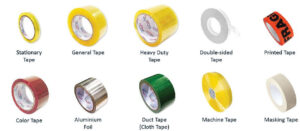
Looking to learn how to choose the right adhesive tape for vinyl? Consider the type of vinyl, surface texture, and how long you need it to stick. For smooth vinyl, double-sided or acrylic tapes work well, while textured surfaces may need stronger foam tapes. Always check for residue-free removal if needed, and test a small area first to ensure proper adhesion without damage.
Vinyl Repair (Patches & Tears)
For repairing inflatables, upholstery, or tents, you need a heavy-duty, waterproof, and flexible repair tape.
- Best Product Type: Clear Vinyl Repair Tape. Look for tapes with a silicone-butyl or elastomer adhesive. These are designed to be airtight and water-resistant.
- Top Pick: XFasten Clear Vinyl Repair Tape
- Why: It is highly elastic, UV-resistant, and can withstand temperature extremes, making it perfect for kayaks, pool floats, and outdoor tents.
Vinyl Flooring
When securing vinyl floor tiles or sheet vinyl, you need a tape that offers a strong bond but won’t ruin the floor’s finish or leave a gummy residue if you ever need to remove it.
- Best Product Type: Double-Sided Carpet/Vinyl Tile Tape (often labeled as “residue-free”).
- Top Pick: All Flooring Now Carpet Tile Tape
- Why: It uses a web-mesh material that provides extreme holding strength for high-traffic areas but lifts cleanly without damaging the vinyl underneath.
Choose plasticizer-resistant acrylic or LSE-specific tape matched to your vinyl and environment.
If you work with vinyl, you know the wrong tape can lift, ooze, or fail fast. In this guide, I’ll show you how to choose the right adhesive tape for vinyl with simple steps, pro tips, and tested picks. I’ve installed wraps, mounted signs, and fixed floor trim on job sites where failure was not an option. Stick with me to learn what really matters and how to make clean, lasting bonds.
Can Scotch Permanent Double Sided Tape Be Removed – Easy Methods That Work
Why vinyl is tricky to stick to
Vinyl is usually PVC, and it behaves in ways that challenge tape. Many vinyls contain plasticizers. These migrate over time and can soften or weaken adhesive. Some vinyl has low surface energy or a textured finish that reduces contact. That is why one adhesive tape for vinyl works great in one case and fails in another.
Temperature swings also matter. Cold makes adhesives stiff. Heat can boost tack but speed up creep. Sunlight and moisture add more stress. To win, you must match the adhesive, the backing, and the job.
Before you pick any adhesive tape for vinyl, confirm the vinyl type. Is it a rigid PVC trim, a flexible banner, a wrap film, or a vinyl floor tile? Each needs a different approach to get a durable bond.

The adhesive types that actually work on vinyl
Not all glues are equal. The adhesive system does most of the heavy lifting.
- Acrylic adhesives. Best long-term for vinyl. They handle UV, heat, and moisture. Look for plasticizer-resistant or modified acrylic when bonding flexible PVC. Solvent acrylics often give higher performance than emulsion acrylics.
- Rubber adhesives. Very high initial grab and great on rough surfaces. But most rubbers are not plasticizer resistant and can ooze or fail on vinyl. Use for short-term indoor fixes only unless the product states it is plasticizer resistant.
- Silicone adhesives. Specialty use. Great for silicone and some high-temperature jobs. Rarely the first pick as adhesive tape for vinyl.
Key performance terms to know:
- Tack. How quickly it grabs. Helpful for fast holds, but high tack alone does not mean long-term strength.
- Peel adhesion. Strength to pull off at a set angle. Tested by standards like ASTM D3330.
- Shear. Resistance to sliding under load. Crucial for hanging or mounting.
- Plasticizer resistance. Ability to withstand vinyl’s migrating oils. This is the deal-breaker metric for many vinyl jobs.
Is acrylic or rubber adhesive better for vinyl?
Acrylic is usually better for long-term bonds on vinyl. Rubber can grab fast but often loses strength as plasticizers move into it.
What is plasticizer migration?
Plasticizers are small molecules in flexible PVC. Over time, they move into the adhesive and can make it soft, oily, or weak.
If you want a set-and-forget choice, a plasticizer-resistant acrylic adhesive tape for vinyl is often the safest path.
Tape construction matters: backing, thickness, and liners
The adhesive is only half the story. The tape construction changes how it handles texture, load, and heat.
- Backing types
- PET film. Thin, stable, and clear. Great for graphics and trims.
- PVC and electrical backings. Conformable and stretchable. Choose products designed for vinyl to avoid residue.
- Foam backings. PE foam or acrylic foam bridge gaps and add stress relief. Helpful on textured vinyl or siding.
- Cloth and gaffer. Strong and hand-tearable. Use with care on vinyl; can leave residue if not plasticizer resistant.
- Thickness
- Thin tapes give a neat edge and look cleaner on graphics.
- Thicker tapes add conformability on grainy or rough vinyl surfaces.
- Acrylic foam tapes spread stress and resist peel in outdoor use.
- Liners
- Paper liners are easy to cut and peel.
- Poly liners resist humidity, good for outdoor installs and clean laydown.
- Some liners have low-friction coatings for smooth release on wide parts.
If you expect heavy sun or heat, a stable film or acrylic foam backing with a plasticizer-resistant adhesive tape for vinyl will usually hold shape and strength better.
A simple step-by-step to choose the right tape
Use this short checklist anytime you need adhesive tape for vinyl.
- Identify the vinyl
- Flexible banner, car wrap, floor tile, wallpaper, siding, or rigid PVC? Note surface texture and gloss.
- Decide permanence
- Temporary, removable, or permanent? Removable tapes use low-tack adhesives; permanent picks need plasticizer resistance.
- Assess the environment
- Indoor or outdoor? UV, rain, salt, or chemicals? High heat near windows? Match adhesive durability to these stresses.
- Define the load
- Shear load, peel, or static holding? Heavy items need high shear and thicker backing.
- Check surface energy and texture
- If water beads like a waxed car, expect lower surface energy. Rough vinyl needs thicker, more conformable tape.
- Choose the adhesive family
- For most permanent jobs, pick plasticizer-resistant acrylic.
- For quick indoor fixes on clean, smooth vinyl, rubber can work short term.
- For low surface energy vinyl or coated vinyl, try LSE-modified acrylic.
- Select backing and thickness
- Thin PET film for trims and decals.
- Acrylic foam for outdoor, textured, or structural mounting.
- PE foam for gap fill where flexibility is needed.
- Plan application
- Apply above 60°F if you can. Use firm pressure with a roller or squeegee, around 15–30 psi. Prime edges if needed using a vinyl-safe primer.
- Test and wait
- Clean with isopropyl alcohol and allow to dry. Apply a small sample. Check after 24–72 hours to confirm no lift. Acrylics gain strength over time.
Examples that work well:
- Car wrap edge sealing. Thin acrylic transfer tape or edge seal tape with plasticizer resistance.
- Vinyl banner hems. Double-sided acrylic on PET with medium thickness. Press hard with a roller.
- Mounting on vinyl siding. Outdoor, UV-stable acrylic foam tape designed for LSE or textured surfaces.
- Vinyl floor transition strips. PVC-compatible tape with plasticizer-resistant acrylic adhesive and strong shear.
With these steps, you can answer how to choose the right adhesive tape for vinyl with confidence every time.
Does Gorilla Double Sided Tape Remove Paint From Walls? (Tested Guide)
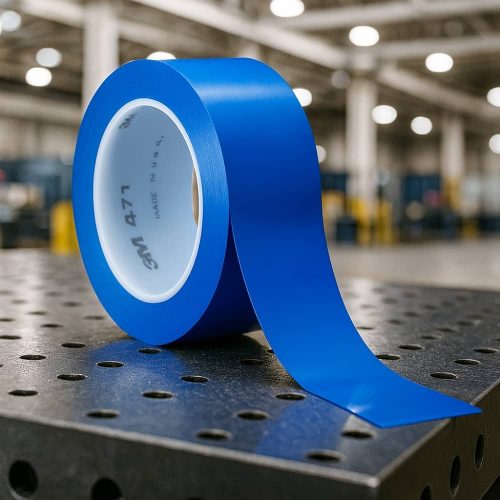
Real-world matches: the right tape for the job
Here are field-tested matches I use when I pick adhesive tape for vinyl on site.
- Wall graphics on vinyl-coated wallpaper
- Low-tack, removable acrylic that peels clean. Test first on an inconspicuous spot.
- Vinyl flooring seams and trims
- Plasticizer-resistant acrylic on a stable film or foam backing. High shear is more important than initial tack.
- Car wrap edge sealing and overlays
- Thin acrylic transfer tape or PET-backed acrylic. Plasticizer resistant. Roll edges well and allow cure time.
- Vinyl banner seams and pole pockets
- Double-sided acrylic, medium to thick. Look for outdoor-rated, UV-stable products made for banners.
- Mounting small fixtures to vinyl window frames
- LSE-modified acrylic foam tape. Clean, prime if needed, and press with firm pressure.
- Cable clips on vinyl siding
- Outdoor-rated acrylic foam tape with LSE capability. Allow full cure before loading cables.
- Repair of flexible PVC inflatables
- Tape is a stopgap only. Use proper PVC patch and solvent for a lasting fix. If you must use tape, pick a plasticizer-resistant acrylic and expect a temporary hold.
These choices solve common pains and show how adhesive tape for vinyl changes with each task. Keep one or two proven tapes on hand so you can respond fast.
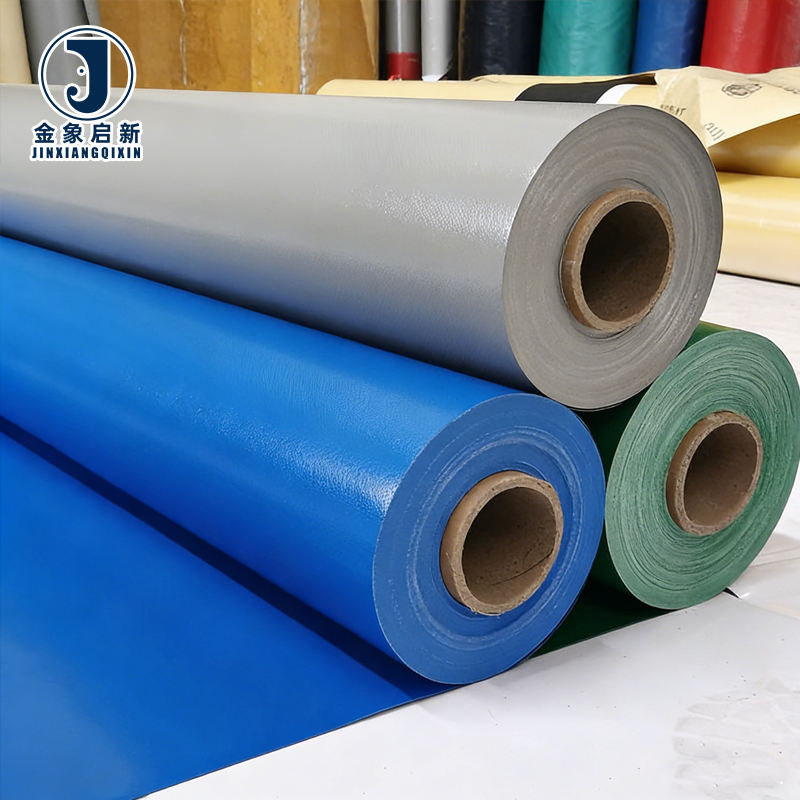
Surface prep, application, and cure: the unskippable steps
Clean surfaces are non-negotiable when using adhesive tape for vinyl. Dust, oils, and release agents kill bonds.
- Cleaning
- Wipe with 70–90% isopropyl alcohol and a lint-free cloth. Avoid harsh solvents that may extract plasticizers.
- For stubborn grime, use a mild detergent first, then alcohol.
- Application
- Aim for 60–100°F. In cold, warm both tape and vinyl if possible.
- Apply firm pressure with a roller or squeegee to wet-out the adhesive.
- Avoid stretching the tape during install. Stretching causes edge lift later.
- Curing
- Acrylic adhesives build strength over 24–72 hours. Do not load the joint early.
- Edge sealing or priming can boost bond in tough spots.
Standards like ASTM D3330 (peel) and ASTM D3654 (shear) describe how labs measure strength. You do not need a lab. Just run a small test strip, wait a day or two, and try to peel at the corner. No lift means you are on the right track.
Common mistakes and how to avoid them
I have seen these errors on job sites and in workshops. They are easy to prevent.
- Using duct tape on vinyl. It grabs fast, then oozes and stains. Choose plasticizer-resistant acrylic instead.
- Ignoring plasticizers. If the vinyl is flexible, assume plasticizers are present and select resistant adhesives.
- Skipping the test. Always test a small patch before full rollout, especially on new films or finishes.
- Applying in the cold. Cold kills tack. Warm the parts and apply pressure.
- Not allowing cure time. Acrylic builds strength slowly. Load it too soon, and it can fail.
- Using indoor-only tape outdoors. UV, heat, and rain will find weak links fast.
Avoid these and your adhesive tape for vinyl will last longer and look cleaner.

Environmental, safety, and compliance notes
Safety and compliance matter, especially in commercial jobs.
- Look for tapes that meet low-VOC or indoor air quality guidelines if used inside.
- For labels and tags applied to vinyl, check UL 969 where needed.
- Confirm RoHS and REACH compliance for sensitive industries.
- For transit or marine use, pick UV-stable and salt-spray-resistant systems.
- Store tape in a cool, dry place and rotate stock. Old tape can lose performance.
These checks are quick and help you pick reliable adhesive tape for vinyl that passes audits and lasts.

Frequently Asked Questions of How to choose the right adhesive tape for vinyl?
Can I use duct tape on vinyl?
You can, but it is not a good idea. Duct tape can leave residue, stain the vinyl, and fail as plasticizers migrate.
What tape sticks best to vinyl banners?
A double-sided acrylic tape with medium thickness and good plasticizer resistance works best. It should be rated for outdoor UV and temperature swings.
Will tape damage vinyl floors?
The wrong tape can. Rubber-based or aggressive tapes may leave marks or pull finish. Use a floor-safe, plasticizer-resistant acrylic and test first.
How long does it take tape to cure on vinyl?
Acrylic adhesives need 24–72 hours to reach most of their strength. Avoid heavy loads or peel stress during this time.
Do I need a primer on vinyl?
Often no, but a vinyl-safe adhesion promoter can help on textured or low-energy vinyl. Test primer in a small area to ensure it does not discolor the surface.
What temperature is best for applying tape to vinyl?
Aim for 60–100°F. Below 50°F, many adhesives get stiff, and bond quality drops unless you use a cold-apply grade.
Which adhesive is most resistant to plasticizers?
Modified or solvent acrylic systems designed for PVC are the best choice. They hold up better than most rubber adhesives over time.
Conclusion
Choosing adhesive tape for vinyl is simple once you match three things: the vinyl type, the environment, and a plasticizer-resistant adhesive. Pick a construction that fits the load and texture, apply with pressure, and allow cure time. Test a small patch, then scale with confidence.
Put this guide to work on your next job. Save a favorite plasticizer-resistant acrylic tape in your kit, and you will solve most vinyl tasks fast. Want more tips and real-world tests? Subscribe, share your use case in the comments, or ask a question and I will help you dial in the perfect tape.