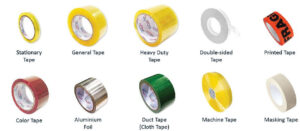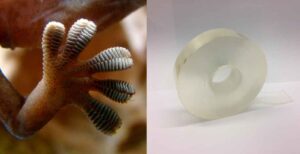
Yes, adhesive tape can stick on curved surfaces, but its effectiveness depends on the tape type and surface material. Flexible tapes like foam, cloth, or silicone-based adhesives conform better to curves, while rigid tapes may lift or peel. For best results, clean the surface, apply firm pressure, and choose a tape designed for uneven or textured surfaces.
Recommended Tapes for Curved Surfaces
If you are working on a project, these types of tapes are designed specifically to conform to contours:
Tape Type Best For Why It Works Flexible Masking Tape Precision painting/airbrushing Extremely pliable, thin material that bends without buckling or lifting. Fine Line Tape Automotive/Detailing Usually PVC or vinyl-based; designed to stretch around tight curves without leaving residue. Crepe Paper Masking Tape General DIY Features a “creped” texture that allows the tape to stretch and expand around gentle contours.
Yes, adhesive tape can stick on curved surfaces when you match tape, prep, and technique.
If you have ever wondered, Can adhesive tape stick on curved surfaces?, you are not alone. I have wrapped everything from bike bars to car emblems, and I’ve tested a lot of tapes along the way. In this guide, I will show you what actually works, why it works, and how to get a clean, lasting bond on curves without fuss or waste.
How tape sticks to curves
Pressure-sensitive adhesives bond when you press them into a surface. The key is wet-out. That means the adhesive flows into tiny peaks and valleys. On a flat panel, that is easy. On a curve, the tape must flex and keep contact all the way around.
Three things matter most on curves. The backing must bend without fighting back. The adhesive must be soft enough to flow. The contact area must be high with firm pressure.
On tight curves, the outer edge stretches while the inner edge compresses. Stiff backings lift at the edges. Soft, conformable tapes handle this better. Heat helps many tapes relax so they sit down without wrinkles.
Can adhesive tape stick on curved surfaces? Yes, if you help the adhesive make full contact. Give it pressure, time, and the right match of tape to surface energy.
How to Choose the Right Adhesive Tape for Vinyl – Avoid Residue and Ensure Adhesion
Key factors that affect success on curves
- Radius of the curve. Tighter curves need softer adhesives and more flexible backings.
- Tape backing. Vinyl, cloth, and foil backings conform. Rigid films resist bending and can lift.
- Adhesive type. Rubber adhesives grab fast. Acrylics often gain strength over time and resist heat and UV.
- Thickness. Foam tapes fill gaps and bridge texture. Thin films can wrinkle on sharp bends.
- Surface energy. Metals and glass are easy. Polyethylene and polypropylene are hard without a primer.
- Cleanliness. Dust, oils, and wax ruin bonds. Clean with isopropyl alcohol and let it dry.
- Temperature. Cold makes adhesives stiff. Warm the tape and surface for better wet-out.
- Pressure and time. Use a roller or your thumb. Hold pressure. Strength grows over 24 to 72 hours.
- Loads. Peel is the enemy on a curve. Aim for shear loads when you can.
Can adhesive tape stick on curved surfaces? It can, when these factors align in your favor.
Best types of tape for curved surfaces
- Vinyl electrical tape. Stretchy, flexible, and great for small radii. Good for grips and wire wraps.
- Gaffer’s tape. Cloth backing, hand-tear, and conforms well. Leaves less residue than duct tape.
- Duct tape. Strong and fast. Works for temporary fixes on pipes and hoses. Can leave residue.
- Painter’s and masking tape. Good for paint lines around bottles and trim. Choose flexible, low-tack grades for delicate areas.
- Washi tape. Lightweight and very flexible for crafts. Low strength and not for load-bearing use.
- Double-sided foam tape. Excellent for helmets, car trim, and uneven curves. 3M VHB and similar tapes are very strong.
- Aluminum and foil tapes. Conform under a squeegee. Great for HVAC curves and reflective shielding.
- Polyimide tape. Heat stable for electronics. Less conformable, so use only on gentle curves.
- Medical tape and kinesiology tape. Made to follow skin curves. Breathable and skin-safe.
From my projects, double-sided foam tape wins for curved mounts. Vinyl electrical tape rules for wraps and spirals. Can adhesive tape stick on curved surfaces? With these tape types, yes, and with less effort.
Preparation and application techniques for curved surfaces
- Clean the surface. Use isopropyl alcohol on a lint-free cloth. Let it dry.
- Warm things up. Use a hair dryer on low. Do not overheat. Warm to the touch is enough.
- Plan the path. Mark start and end points. Avoid sharp transitions.
- Create an anchor. Stick the first inch flat with firm pressure.
- Apply with tension control. On wraps, stretch vinyl tapes a little. Do not over-stretch foam tapes.
- Work in small steps. Press a short section. Smooth from center to edges. Keep contact high.
- Use tools. A small roller or a plastic card boosts pressure and wet-out.
- Add relief cuts. On tight inside curves, tiny V-cuts prevent wrinkles.
- Avoid peel edges. Round the corners of tape ends. Overlap with the last inch aimed in the shear direction.
- Allow dwell time. For strong acrylics and VHB, let it sit 24 hours before loading.
Pro tip from the field: when I mount action cameras to curved helmets, I use double-sided foam pads, steady pressure, and overnight cure. That small pause often makes the bond last for years.
Can Scotch Permanent Double Sided Tape Be Removed – Easy Methods That Work
Real-world examples and lessons learned
I have wrapped bicycle handlebars using vinyl electrical tape. It hugged the bends with no bubbles. A light stretch and thumb pressure were enough.
I have mounted a car emblem on a slightly curved trunk with VHB foam tape. I cleaned, warmed the panel, and pressed for a minute. I left it untouched for a day. It survived rain, sun, and car washes.
I have sealed a curved HVAC elbow with foil tape. A squeegee pass made it conform and shine. No leaks, no lift.
Lessons learned:
- Clean twice when in doubt.
- Warmth and pressure beat more tape.
- Match tape to curve and to the job load.
Can adhesive tape stick on curved surfaces? These jobs show that it can, and it can last.
Quick answers to common searches
Can adhesive tape stick on curved surfaces without heat?
Yes, if the tape is conformable and the curve is gentle. Heat helps on tight bends and with stiffer tapes.
What is the best tape for curved plastic?
Use double-sided acrylic foam for strong bonds. For light duty on ABS or acrylic, flexible painter’s tape works.
How long should I press tape on a curve?
Press each area for 15 to 30 seconds. Full strength can build over 24 to 72 hours.
Troubleshooting and mistakes to avoid
Common problems and fixes:
- Edge lift. Round corners, increase pressure, and add heat during application.
- Wrinkles or tenting. Use relief cuts or switch to a more flexible tape.
- Bubbles. Start from the center and smooth out. Re-lift and re-apply if needed.
- Falls off in the cold. Warm the parts and use a cold-rated adhesive.
- Won’t stick to low-energy plastics. Use an adhesion promoter or choose a tape made for PE or PP.
Mistakes to avoid:
- Stretching foam tape. It can spring back and lift.
- Touching the adhesive. Oils from fingers reduce grip.
- Skipping dwell time. Loads too soon can break the bond.
Can adhesive tape stick on curved surfaces if you had a failure before? Yes. Fix the cause, and try again with better prep and a matched tape.

Safety, removal, and residue tips
Remove tape slowly and at a low angle. Pull back over itself. Warm it to soften the adhesive and reduce damage.
For residue, start with mild soap and water. Move to isopropyl alcohol. On painted or delicate areas, test in a small spot first. Use plastic scrapers, not metal, to avoid scratches.
On skin, use medical-grade tapes. Remove with warm water or approved adhesive removers. If irritation appears, stop use.
Can adhesive tape stick on curved surfaces and still come off clean later? Yes, with the right tape and careful removal.
How to choose the right tape for your curve
Match your use case:
- For tight wraps like cables and grips. Choose vinyl electrical tape.
- For mounting on helmets and car trim. Choose double-sided acrylic foam tape.
- For crafts and labels on bottles. Choose washi or painter’s tape.
- For HVAC elbows and ducts. Choose aluminum foil tape with a squeegee.
- For temporary fixes on hoses. Choose quality duct tape and replace with a proper repair soon.
Quick rule: the tighter the curve, the softer the adhesive and backing should be. When in doubt, test a small strip first. Can adhesive tape stick on curved surfaces? A five-minute test will tell you fast.
Frequently Asked Questions of Can adhesive tape stick on curved surfaces?
Can adhesive tape stick on curved surfaces if the curve is very tight?
Yes, but you need a very conformable tape like vinyl or foam. Use heat and relief cuts to help it settle.
Will painter’s tape bleed paint on a bottle or jar?
Use a flexible, high-quality painter’s tape and press edges well. Paint in thin coats and remove the tape while the paint is still slightly wet.
Do I need a primer for plastic bumpers?
Many bumpers are low-energy plastics. An adhesion promoter can boost grip for acrylic foam tapes.
How long should I wait before loading a foam tape mount?
Wait at least 24 hours at room temperature. For heavy loads or cool rooms, wait 72 hours.
Can I use super-thin film tape on a curved phone edge?
It can work on gentle curves, but thin films may lift on tight bends. Try a micro-foam or flexible vinyl instead.
Conclusion
Can adhesive tape stick on curved surfaces? It can, and it can hold strong when tape type, prep, and technique match the curve. Clean well, add warmth and pressure, and let the bond cure. Those simple steps turn tricky bends into easy wins.
Try a small test today on your project. Choose one of the tapes above, follow the steps, and see the difference. Want more tips and hands-on guides? Subscribe, share your results, or drop a question in the comments.