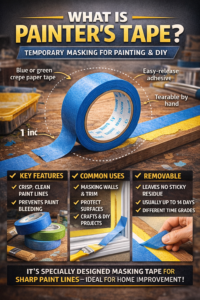
Painters tape is low-tack for clean lines; masking tape grips harder and can leave residue. The main difference between painter’s tape and masking tape is their adhesive strength and surface safety. Painter’s tape is designed to be easily removed without leaving residue or damaging paint, making it ideal for clean lines and delicate surfaces. Masking tape has a stronger adhesive meant for general-purpose use and can leave residue or peel paint if left on too long. For painting projects, painter’s tape is the better choice for a professional, damage-free finish.
If you ask what is difference between painters tape and masking tape, you expect a clear, expert take. I have prepped walls, trim, and cabinets for years. I have tested both in sunny rooms, damp baths, and dusty shops. Here is a full, plain-English guide to help you choose right and get pro results.
The basics: painters tape vs masking tape
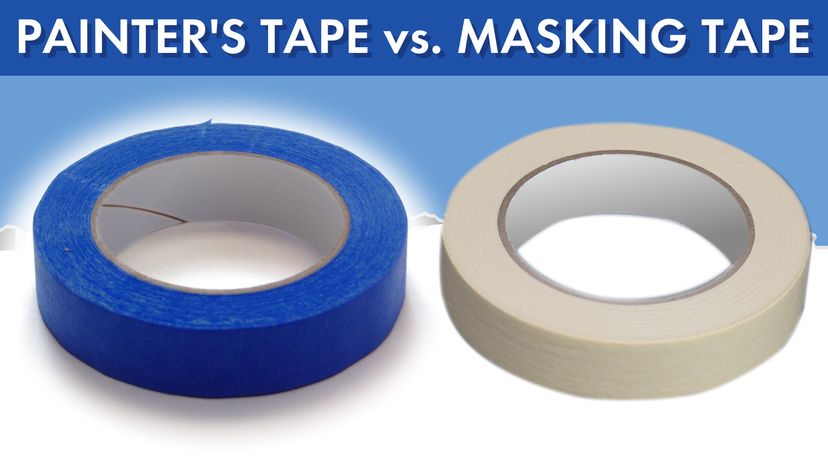
Both are pressure-sensitive paper tapes. But they serve different jobs. Painters tape is made for paint work. It has a special low-tack adhesive that releases cleanly. Masking tape is a general-purpose tape. It sticks harder and is not made for clean paint lines.
If you still wonder what is difference between painters tape and masking tape, think purpose. One is a paint tool. One is a shop helper. Painters tape resists bleed, UV, and long dwell time. Masking tape is better for quick holds and labels.
Key points:
- Painters tape uses low-tack or medium-tack acrylic or rubber adhesive for clean removal.
- Masking tape uses higher-tack rubber adhesive for grip, not for paint lines.
- Painters tape paper backing is smoother and often water and UV resistant.
- Masking tape backing is crepe paper that can wrinkle and bleed.

Adhesive and residue: why it matters
Adhesive is the big deal. It sets how well the tape sticks and how it peels. Painters tape is tuned to stick enough, then release with no residue. Many lines promise clean removal up to 7, 14, or even 60 days. Masking tape grabs fast. But it can leave glue on trim or peel soft paint if left too long.
If a friend asks what is difference between painters tape and masking tape, I say this: think about the glue. Clean removal vs strong hold.
Surface compatibility and paint quality
Walls vary. New drywall, cured paint, stained wood, glass, and metal all behave in their own way. Painters tape is made to work on cured paint, primed drywall, varnished wood, and delicate surfaces. Many versions say delicate surface right on the core. Masking tape can be fine on glass or metal for a short time. But it can pull fibers on drywall or fresh paint.
When you search what is difference between painters tape and masking tape, this is key. Painters tape protects the surface. Masking tape risks damage if misused.
Edge sharpness and paint bleed control
Crisp lines sell the job. Painters tape has a tighter edge and can have a paint-block polymer. It gels when hit by latex, so paint does not creep under. Masking tape edges are rough and porous. That invites bleed.
If you care about what is difference between painters tape and masking tape, look at the line. Painters tape is for crisp edges on trim, ceilings, stripes, and patterns.
Pro tip:
- Seal the edge by pressing with a plastic card.
- For super crisp lines, brush a thin coat of the wall color along the tape edge, let dry, then apply the new color.
Temperature, UV, and time on wall
Heat, light, and time break tape down. Painters tape often lists safe removal windows. Many are UV resistant, so you can leave them on sunlit windows. Masking tape dries out, bakes on, and tears during removal. It can fail in hot rooms, garages, or under work lamps.
If you are weighing what is difference between painters tape and masking tape, timing matters. Painters tape gives a time buffer. Masking tape demands quick turnarounds.
Sizes, grades, and color codes
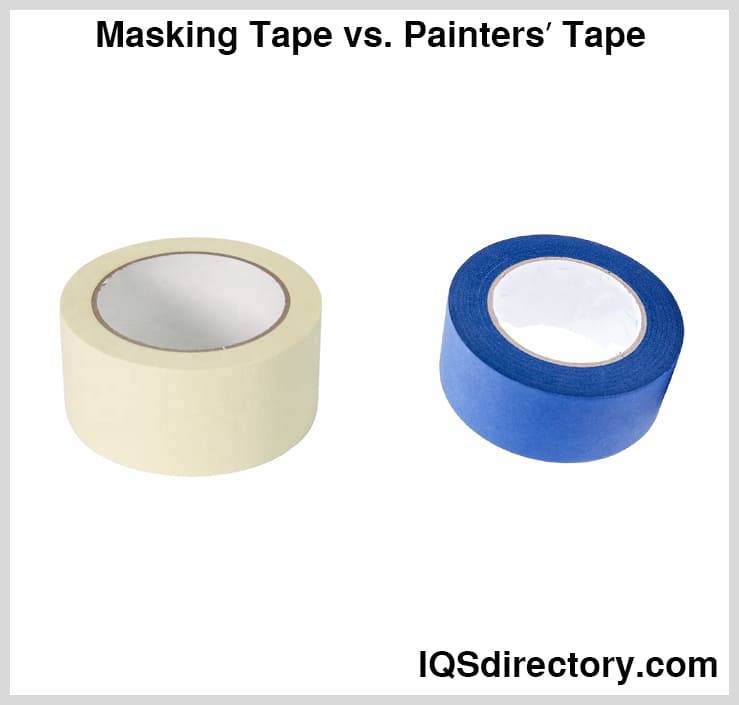
You will see blue, green, purple, and yellow painters tape. Colors are brand signals and often hint at tack level. Purple or yellow can mean delicate. Blue and green are the go-to for walls and trim. Widths range from 0.94 inches to 2 inches or more. Masking tape is sold in many widths too, but grade is about hold, not paint.
Ask yourself what is difference between painters tape and masking tape when you pick a width. Wider tape helps block roller spray and wavering hands. Narrow tape bends better around curves.

Cost, value, and when to use each
Painters tape costs more. But it saves time on touch-ups and cleanup. Masking tape is cheap, which is great for short, non-paint tasks.
Use painters tape when:
- You need sharp lines on walls, trim, or cabinets.
- You work on delicate or fresh paint that has cured per label.
- The job will sit in sunlight or stay taped for days.
Use masking tape when:
- You bundle cords, label parts, or hold drop cloths in place.
- You cover non-painted, hard surfaces for a short time.
- You do quick shop tasks where residue is no issue.
This is the money side of what is difference between painters tape and masking tape. Paying a bit more can prevent a costly redo.
How to apply and remove for best results
Good tape needs good prep. Dust and oil cause fails. So does haste.
Steps:
- Clean the surface with a dry cloth. For greasy spots, use a mild cleaner and let it dry.
- Apply tape in short runs. Overlap edges by a quarter inch.
- Press down the edge with a plastic card or putty knife. This seals the line.
- Paint within the label’s time window. Avoid flooding the edge with paint.
- Remove tape while the last coat is still tacky. Pull at a 45-degree angle, slow and steady.
If a DIYer asks what is difference between painters tape and masking tape, I add this: even the best tape fails if you skip prep.

Common mistakes and how to avoid them
I have made these errors, so you do not have to.
- Leaving masking tape on walls overnight. It fused and tore the next day.
- Taping fresh paint too soon. It lifted because the paint had not cured.
- Skipping edge burnish. That led to bleed on a ceiling line.
- Using narrow tape near a roller. Overspray speckled the wall line.
These blunders show what is difference between painters tape and masking tape in real life. The right product, used right, avoids pain.
Real-life use cases and my lessons learned
When I repainted a nursery, painters tape gave me razor lines where pink met white trim. It stayed on for five days with sun on the window. Zero residue. In a dusty garage, I tried masking tape to hold film on a door. It sagged in heat and left glue streaks. I had to clean the door with mineral spirits.
These small wins and fails taught me what is difference between painters tape and masking tape. Choose for the job, not for the price tag.
Quick comparison snapshot
- Painters tape: low to medium tack, clean removal, crisp edges, UV resistant.
- Masking tape: higher tack, may leave residue, edges can bleed, not UV rated.
- Painters tape: better for walls, trim, ceilings, cabinets, and stripes.
- Masking tape: better for bundling, labels, quick shop tasks, masking non-paint tasks.
- Painters tape stays stable longer. Masking tape should be short-term only.
Keep this in mind when someone asks what is difference between painters tape and masking tape. It is about clean lines, not just stickiness.
Frequently Asked Questions of what is difference between painters tape and masking tape
Is painters tape the same as masking tape?
No. Painters tape is made for paint lines and clean removal. Masking tape is general-purpose and can leave residue or bleed.
Can I use masking tape instead of painters tape on walls?
You can, but it is risky. It may bleed under the edge and can pull paint when removed.
Why does painters tape cost more?
It uses better adhesives and often has edge-seal tech. That costs more to make but saves time and rework.
How long can I leave painters tape on?
Check the label. Many allow 7 to 14 days, and some more, if kept clean and dry.
What surfaces need delicate painters tape?
Freshly cured paint, wallpaper, stained wood, and faux finishes. Delicate tape lowers the chance of lifting.
Will painters tape stick in humid rooms like bathrooms?
Yes, if the surface is clean and dry. Choose a tape rated for moisture and remove within the window.
Conclusion
If you need clean lines and no residue, choose painters tape. If you need a fast hold for a short task, masking tape works. Match the tape to the surface, the paint, and the time on the wall. Press the edge, paint smart, and remove on time. You will get pro results with less stress.
Ready to upgrade your next paint job? Try painters tape on your trim line today, and share your results or questions in the comments.