Wondering is double-sided tape waterproof? Most standard double-sided tapes are not fully waterproof and may lose adhesion when exposed to water or moisture. However, specialized waterproof or outdoor double-sided tapes are designed to resist water, making them suitable for bathrooms, kitchens, or outdoor use. Always check the product label to ensure it meets your water-resistance needs.
Top-Rated Waterproof Double-Sided Tapes on Amazon
If you have a project that involves moisture (like bathroom fixtures, outdoor decor, or home repairs), these products are designed to hold up:
Product Why It’s a Top Choice Best For… 3M VHB Heavy Duty Mounting Tape The “gold standard” for industrial strength; creates an incredible bond that is completely weatherproof and submersible. Mounting car emblems, exterior trim, and heavy outdoor fixtures. Gorilla Tough & Clear Mounting Tape A popular consumer-grade option that is clear, flexible, and specifically formulated to be weather-resistant. DIY home projects, kitchen/bathroom accessories, and glass. XFasten Double-Sided Foam Tape A highly versatile, heavy-duty tape that is specifically marketed as waterproof and UV-resistant. Securing outdoor cameras, license plates, and metal signs.
Is double-sided tape waterproof? Sometimes. It depends on the adhesive, backing, and conditions.
If you’ve asked Is double-sided tape waterproof, you’re likely planning a job that can’t fail. I’ve worked with tapes in bathrooms, kitchens, cars, and outdoor signs. Some hold up like champs in rain and steam. Others peel off after the first shower. In this guide, I’ll break down how water affects tape, which types work best, and how to apply them for the longest life.

What “waterproof” really means for double-sided tape
Is double-sided tape waterproof is not a simple yes or no. Water resistance and waterproof are different. Water-resistant means it can handle splashes or humidity. Waterproof suggests it can block water under pressure or even while submerged. Many tapes are water-resistant. Far fewer are truly waterproof in real life.
Tape performance depends on three parts:
- Adhesive chemistry. Acrylic, rubber, or silicone.
- Backing. Foam, film, or fabric.
- Bond-line design. How well edges are sealed and pressure is applied.
There is no official “IP rating” for tape like gadgets have. Makers test peel, shear, and tack. Some test after soaking, high heat, or salt spray. Look for data like peel strength after water exposure. Be wary of big claims without numbers.
Does adhesive tape leave marks on walls?– Best practices to Prevent Damage
Types of double-sided tape and how they handle water
Is double-sided tape waterproof comes down to type. Here is how the main families behave.
Acrylic foam tapes (often called VHB-style)
- Great in rain, UV, and wide temps. Many can seal seams.
- Good for outdoor signs, trim, and bathroom fixtures.
- They build strength over 24 to 72 hours. Give them time.
Modified acrylic gel or “nano” gel tapes
- Strong tack and often washable. Decent in humidity.
- Not ideal for long soaks or rough, dusty walls.
- Can creep under heat and constant load.
Rubber-based tapes
- Super sticky at first. Budget-friendly.
- Weaker in heat, oils, and water over time.
- Best for dry, indoor tasks on clean, smooth surfaces.
Silicone-based tapes
- Excellent in water, steam, and high heat.
- Often used near engines, ovens, and marine areas.
- Cost more but last in harsh spots.
PE foam tapes (construction-grade)
- Common for bathroom hooks and mirrors.
- Water-resistant, not great for full immersion.
- Performance varies with adhesive type (acrylic is better).
Fabric and craft tapes
- Not made for wet use.
- Fibers wick moisture. Bonds fail fast.
Personal note: I mount bathroom mirrors and shower shelves with acrylic foam tapes. They hold for years when edges are well sealed. Rubber-based tapes failed for me within weeks in steam. That taught me to pick by chemistry, not price.

How “waterproof” is tested and rated in practice
Is double-sided tape waterproof depends on test methods. Tape makers use industry tests to predict life:
- Peel adhesion (like ASTM D3330). How strong the bond is when peeled.
- Shear (like ASTM D3654). How weight pulls across the bond over time.
- Water soak and humidity cycling. How the bond holds after exposure.
- UV and salt spray (like ASTM B117). For outdoor and marine use.
- Temperature cycling. Bonds expand and shrink; weak ones crack.
Two key truths:
- Acrylic and silicone keep more strength after water and heat than rubber.
- Tapes gain strength over time. Many reach peak hold after 72 hours at room temp.
Marketing can blur lines. Always read data sheets. Look for values after aging in water or heat. If numbers are missing, assume only “splash-proof.”
Can Scotch Permanent Double Sided Tape Be Removed – Easy Methods That Work

Real-world use cases, limits, and lessons learned
Is double-sided tape waterproof enough for showers and rain? Often yes, if you pick right and prep well.
What works well:
- Bathrooms. Acrylic foam for hooks, trim, and mirrors. Seal edges if water hits often.
- Kitchens. Splash zones are fine with acrylic or silicone-based.
- Outdoors. House numbers, signs, and trim with UV-stable acrylic foam.
- Marine and cars. Silicone or high-end acrylic on clean, degreased panels.
What goes wrong:
- Sticking to wet, dusty, or chalky paint. Bonds fail fast.
- Using rubber tapes in showers or sun. They soften and let go.
- Bonding to low-energy plastics like PP or PE without primer. They resist stick.
- Cold application. Below 50°F, tack drops a lot.
My story: A shower caddy kept falling with a bargain tape. I cleaned with isopropyl alcohol, warmed the wall, and used a 1-inch wide acrylic foam tape. I pressed hard and waited two days. It has held two years through daily steam.
How to choose and apply tape for wet areas
Is double-sided tape waterproof enough for your job? Use this simple plan:
- Map the environment
- Is it splash, steam, or full immersion?
- What temperature swings will it see?
- Sunlight or chemicals like soap and cleaners?
- Match the chemistry
- Splash/steam: Acrylic foam.
- High heat or constant wet: Silicone-based or premium acrylic.
- Dry indoor crafts: Rubber-based.
- Check the surface
- Glass, metal, tile: Great.
- Painted drywall, stucco, brick: Risky unless sealed or primed.
- PP, PE, powder coat: Use adhesion promoter.
- Size the bond
- More area equals more hold.
- For light indoor loads, a rough rule is 1 inch of acrylic foam per pound. Test on your surface before trusting that rule outdoors.
- Prep like a pro
- Clean with isopropyl alcohol. Let dry.
- Lightly scuff glossy paint if allowed. Wipe clean.
- Warm tape and surface to room temp.
- Apply with pressure
- Line up once. Press hard for 30 to 60 seconds.
- Avoid stress for 24 hours. Strongest hold at 72 hours.
- Manage edges
- Keep water from wicking under the tape.
- Use wider tape or a small bead of sealant at the edge if needed.
Troubleshooting and safe removal in wet settings
Is double-sided tape waterproof if edges start lifting? Not for long. Water will creep in and weaken the bond. Press back with firm pressure and dry heat. If it still lifts, replace with a wider strip or seal the edge.
If adhesion failed:
- Reclean. Remove soap film and oils.
- Switch to acrylic or silicone if you used rubber.
- Add primer on low-energy plastics.
For removal:
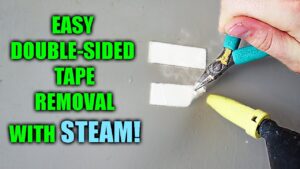
- Warm gently with a hair dryer.
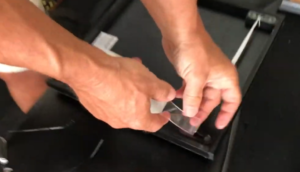
- Use dental floss to saw through the foam.
- Roll off residue with your thumb or use citrus remover or isopropyl alcohol. Test first on finishes.
Cost, lifespan, and when to pick fasteners instead
Is double-sided tape waterproof enough for structural loads? No. When lives or big money are at stake, use screws, anchors, or bolts. Tapes shine for clean looks, sealing, and vibration damping.
Costs and life:
- Acrylic foam costs more but lasts outdoors for years.
- Silicone is pricey but survives steam and heat well.
- Rubber is cheap and short-term. Keep it dry.
Use mechanical fasteners when:
- Loads are heavy or dynamic.
- Surfaces are rough, dirty, or unknown.
- Full immersion is long-term. Epoxies or sealants may be better.
Frequently Asked Questions of Is double-sided tape waterproof
Is double-sided tape waterproof?
Some are water-resistant, and a few perform well in wet areas. Most success comes from acrylic foam or silicone-based tapes, not rubber.
Can I use double-sided tape in the shower?
Yes, with the right type and prep. Use acrylic foam or silicone-based tape on clean tile or glass, press hard, and wait 24 to 72 hours.
Will double-sided tape stick to a wet surface?
No. Surfaces must be clean and dry for a strong bond. Moisture traps can cause early failure.
How long does “waterproof” tape last outdoors?
High-quality acrylic foam tapes can last years in sun and rain. Lifespan drops with heat, UV, salt, and harsh cleaners.
Which surfaces are hardest for tape to stick to?
Low-energy plastics like polypropylene and polyethylene, chalky paint, and dusty concrete. Use primer or seal the surface first.
Can I mount car trim with double-sided tape?
Yes, many car trims use automotive-grade acrylic foam. Clean with isopropyl alcohol, apply in warm temps, and allow cure time.
Is double-sided tape safe for full underwater use?
Not for long-term structural bonds. For underwater, consider marine epoxies or sealants designed for immersion.
Conclusion
Is double-sided tape waterproof is the right question to ask before you start. The real answer is in the match: choose acrylic foam or silicone for wet jobs, prep the surface, size the bond, and give it cure time. Do that, and your mount can last for years.
Ready to pick the right tape for your project? Start with a small test, note the results, and scale up with confidence. Share your setup or questions in the comments so we can fine-tune it together.