Double-sided tape works by using a layer of adhesive on both sides of a thin carrier material. This allows it to stick simultaneously to two surfaces, creating a strong bond. The adhesive forms a secure grip by filling microscopic gaps on the surfaces, holding objects together without visible fasteners. Specialized versions offer extra strength, heat resistance, or removability for different applications
It bonds two surfaces using pressure-sensitive adhesive on both sides.
If you have ever asked, How does double-sided tape work?, you are in the right place. I have used it for signs, car trim, DIY fixes, and lab tests. Here, I break down the science and the how-to. You will learn How does double-sided tape work? in plain words, with real tips you can use today.

What is double-sided tape?
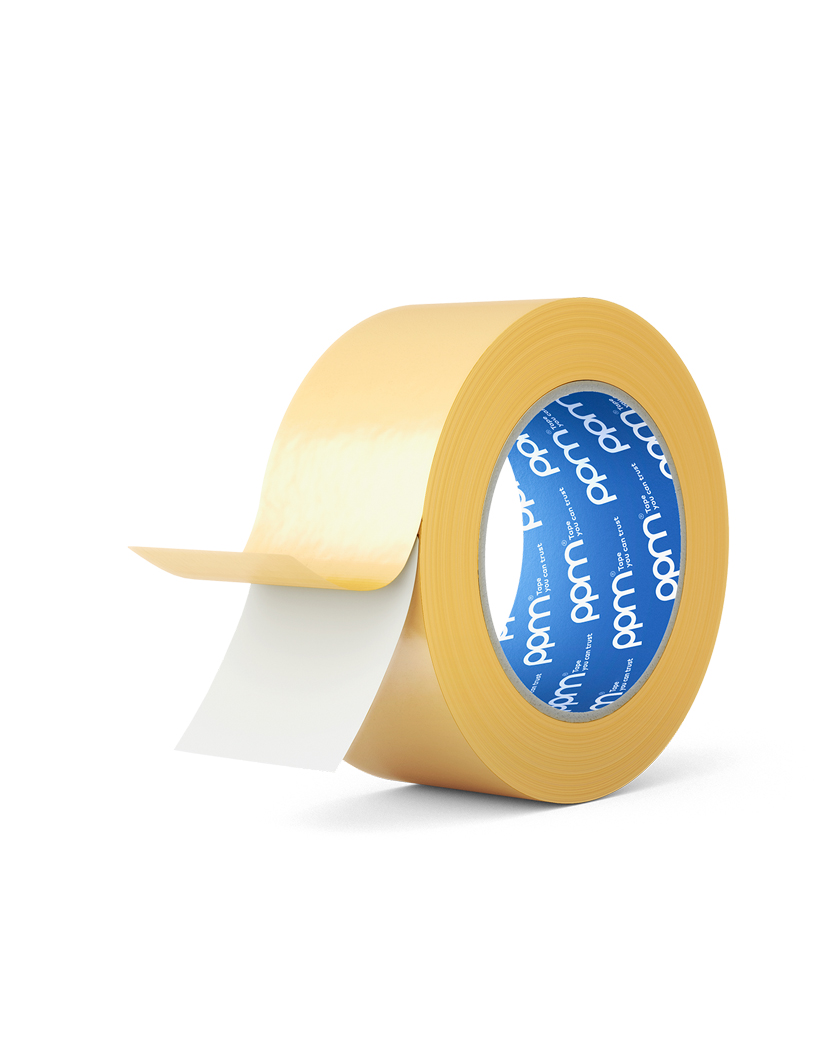
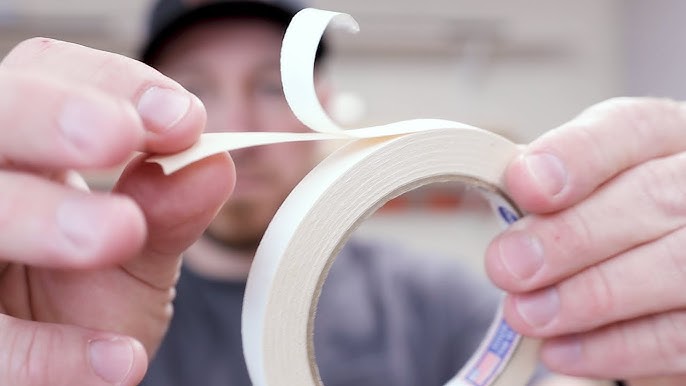
Double-sided tape is a strip with adhesive on both faces. It usually has three parts: a carrier in the middle, adhesive on each side, and a release liner you peel away. The carrier can be foam, film, tissue, or scrim. The adhesive is a pressure-sensitive adhesive that sticks with light pressure.
If you wonder, How does double-sided tape work?, start with this idea. The adhesive flows a tiny bit to wet the surfaces. Then it holds with a mix of stickiness and inner strength. That balance is key for a lasting bond.
Is Double-Sided Tape Waterproof – Pros, Cons & Best Applications
How does double-sided tape work: the science in plain words
Pressure-sensitive adhesives (PSAs) do not cure like glue. They stay slightly soft and sticky. When you press the tape, the PSA wets the surface. This makes lots of contact at a tiny scale, even on small bumps.
The science has three big ideas:
- Wetting. The adhesive must spread over the surface. Clean, smooth, high-energy surfaces like metal and glass are best.
- Viscoelasticity. The adhesive is soft enough to flow, but strong enough not to creep. That balance gives tack, peel strength, and shear strength.
- Time, pressure, and temperature. More pressure, clean surfaces, and warm temps help the bond form. Dwell time often boosts strength over 24–72 hours.
In lab tests, makers use peel and shear tests to rate tapes. You might see data like 20–40 N per 25 mm peel, or high shear holding power. These align with industry methods like ASTM peel and shear tests. This is a helpful way to compare options.
So, how does double-sided tape work? It makes molecular contact, then resists pull and slide due to its inner network. Ask yourself again, How does double-sided tape work?, and you can think: press, wet, set, and hold.

Quick answers people also ask
Does temperature affect the bond?
Yes. Cold makes the adhesive too stiff to flow. Warm rooms help you get good wetting and faster strength build.
Why does tape fail on some plastics?
Low surface energy makes wetting hard. Use a primer, a special LSE tape, or light abrasion to help.
Is pressure really that important?
Yes. Firm, even pressure boosts contact. A roller or squeegee can double effective bond area.
Types of double-sided tape and best uses
Not all tapes are the same. Your choice depends on surface, load, and use time.
Adhesive families:
- Acrylic. Great all-around choice. Good UV, heat, and weather resistance. Best for long-term and outdoors.
- Rubber. Strong initial tack. Good for quick bonds indoors. Not great with heat or UV.
- Silicone. For hard jobs like silicone rubbers or PTFE. Handles high heat. More costly.
Carriers:
- Foam. Fills gaps and handles rough surfaces. Good for mounts and trim.
- Film. Thin and clear. Good for signs, displays, and crafts where looks matter.
- Tissue or scrim. Easy to tear by hand. Good for laminating papers or light parts.
Special classes:
- High-bond acrylic foam (like VHB style). Can replace screws or rivets in many cases. Needs clean prep and firm pressure.
- Removable and repositionable tapes. Lower tack or special microspheres. Good for posters and temporary holds.
In my shop work, acrylic foam held aluminum trim on painted steel for years. It worked because I cleaned well, used a primer, and pressed hard. If you ask, How does double-sided tape work? in that case, the foam filled tiny paint texture while the acrylic gave long-term strength.
Can Scotch Permanent Double Sided Tape Be Removed – Easy Methods That Work
How to get a strong bond step-by-step
Follow this simple plan. It answers, in practice, How does double-sided tape work? for real jobs.
- Clean the surfaces. Use 70–90% isopropyl alcohol and a lint-free cloth. Let dry.
- Improve the surface. Light abrasion helps on paint or composites. Wipe again.
- Prime if needed. For low energy plastics, use a primer from the tape maker.
- Apply at room temperature. Aim for 60–100°F. Warm tape sticks better.
- Use firm pressure. Roll or press for 15–30 seconds. More pressure equals more contact.
- Let it set. Bonds often reach full strength in 24–72 hours. Avoid heavy load early.
- Mind the load path. Shear is stronger than peel. Design so the tape sees shear.
Pro tip from a trade show build: we staged heavy panels with temporary props. After 48 hours, we removed the props. The panels did not budge. Time and pressure made the win.
Real-world lessons and mistakes to avoid
From years of installs and repairs, here is what sticks:
- Do not skip cleaning. Dust is the enemy of wetting. A fast wipe saves a failed bond.
- Match tape to surface. Rubber for fast grab indoors. Acrylic for long life outdoors.
- Avoid peel loads. Use more area and design for shear. Add a small mechanical support if you can.
- Mind heat and cold. A car dash in summer can hit high temps. Choose accordingly.
- Test first. A small sample on scrap tells you more than guesswork.
A story. I once mounted a sign to powder-coated metal with a generic tape. It fell the next day. The fix was a high-bond acrylic foam plus a surface primer. That job stayed up for years. If you keep asking, How does double-sided tape work?, the real answer is this: it works great when you respect prep, pressure, and the right chemistry.
Limitations, removal, and troubleshooting
Limits to note:
- Wet, oily, or dusty surfaces hurt bonds.
- Low surface energy plastics need special tapes or primer.
- High heat, UV, and chemicals can age some adhesives.
- Very heavy static loads need careful design and enough area.
Removal tips:
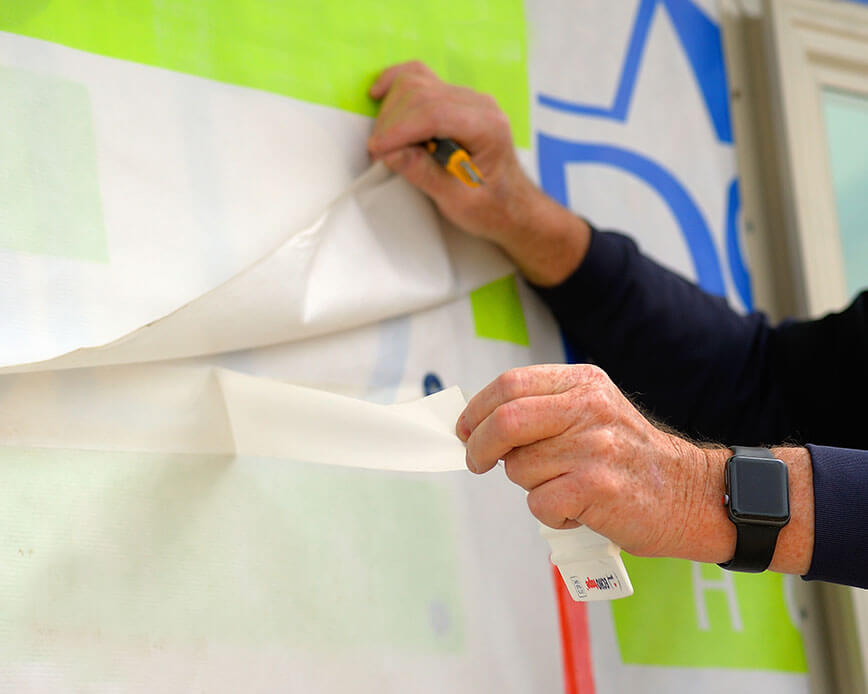
- Use slow peel at a low angle. Stretch-release tapes pull off clean.
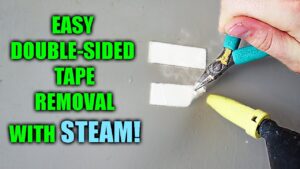
- Warm the tape with a hair dryer to soften the adhesive.
- Use dental floss to saw behind trim. Clean residue with adhesive remover or alcohol.
Troubleshooting:
- If edges lift, increase pressure, use more area, or try a higher-tack tape.
- If parts slip, switch to a higher shear tape or add a mechanical aid.
- If bonds fail late, check for UV, heat, or plasticizers migrating from vinyl.
You might still ask, How does double-sided tape work, when conditions are tough? The truth is, sometimes it needs help: primer, texture, or a different adhesive family. Choose with care.

Frequently Asked Questions of How does double-sided tape work?
How does double-sided tape work on glass and metal?
It wets smooth, high-energy surfaces very well. With firm pressure and clean prep, bonds can be very strong and durable.
Can double-sided tape replace screws?
Sometimes, yes. High-bond acrylic foam tapes can hold large loads if the area is right and surfaces are prepped.
How much weight can double-sided tape hold?
It depends on tape type and area. Makers list data like peel and shear; check datasheets and design with safety margins.
Will it stick to polypropylene or polyethylene?
Standard tapes struggle. Use a tape made for low surface energy plastics, plus primer if advised.
Is it safe for painted walls?
Removable tapes are fine for most walls. Test first in a hidden spot, since some paints or finishes can lift.
How long does it take to reach full strength?
Many tapes build strength over 24–72 hours. Light contact is instant, but heavy loads need that dwell time.
What temperature is best for applying tape?
Room temperature works best. Very cold or very hot conditions can reduce initial tack.
Can I clean residue after removal?
Yes. Try isopropyl alcohol or a citrus adhesive remover. Test first to avoid damage.
Conclusion
Double-sided tape works by wetting surfaces under pressure, then holding with a balanced, viscoelastic grip. When you plan the joint, clean well, and choose the right chemistry, it can rival screws for many jobs.
Take this forward. Match the tape to your surface, load, and environment. Press it well, give it time, and let the bond build. If you found this guide useful, share it, subscribe for more how-tos, or leave a comment with your toughest tape challenge.