Yes, some double-sided tapes are waterproof. Waterproof varieties are specially designed with strong adhesives and moisture-resistant backings, making them suitable for bathrooms, kitchens, and outdoor use. Always check the product specifications, as not all double-sided tapes can withstand water exposure
Top-Rated Waterproof Double-Sided Options
If you need a tape that will survive rain, humidity, or outdoor exposure, look for these specific industry-standard products on Amazon:
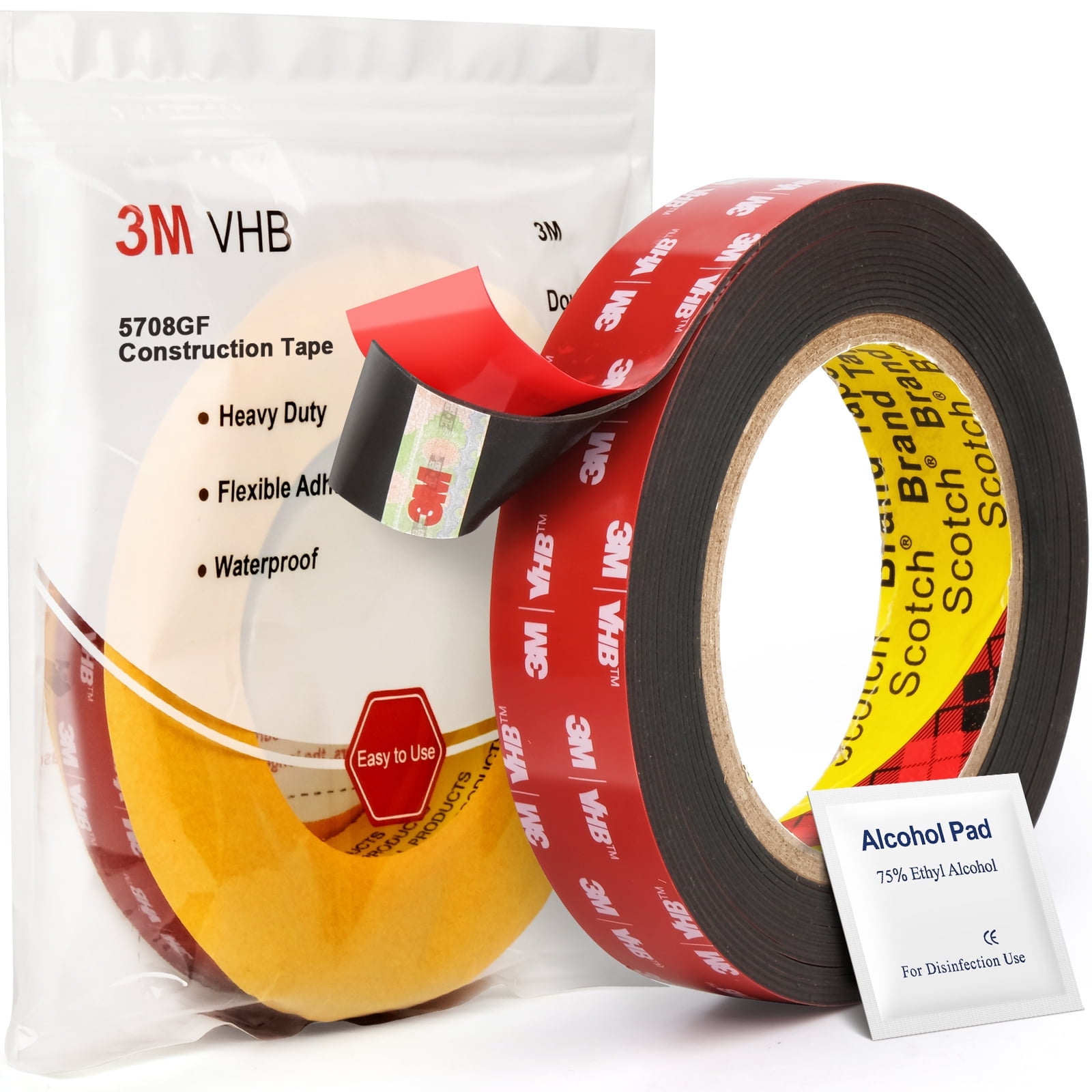
Product Why It’s Recommended Best For… 3M VHB (Very High Bond) Tape The “gold standard” for structural bonding. It is highly resistant to UV, moisture, and extreme temperatures. Automotive trim, solar panels, and permanent outdoor mounting. 3M Automotive Attachment Tape Designed specifically for vehicle exteriors; it is completely unaffected by moisture or car washes. Reattaching car emblems, side moldings, or spoiler trim. Gorilla Heavy Duty Double-Sided Mounting Tape A very popular consumer-grade option that is rated for both indoor and outdoor use on various surfaces. General home repairs, outdoor decor, and metal-to-metal bonds. Nano Tape (Clear Acrylic Gel Tape) Extremely tacky and waterproof; works well on smooth surfaces like glass or tile. Bathroom/shower accessories, light indoor/outdoor mounting.
Most double-sided tapes are water-resistant, but only specific types are waterproof.
If you’ve asked yourself, Is double-sided tape waterproof?, you’re not alone. I’ve tested tapes in showers, cars, and outdoor signs for years. In this guide, I’ll explain what waterproof really means, which tapes survive water, and how to get a bond that lasts. You’ll get clear steps, real examples, and research-backed answers you can trust.
What “waterproof” really means for tape
Waterproof is not magic. It means the tape keeps holding when water is present or even when submerged for a defined time. Many tapes are water-resistant, not waterproof. That small difference matters a lot in the real world.
People often ask, Is double-sided tape waterproof? The truth is, some are. Many are not. Performance depends on the adhesive chemistry, thickness, surface prep, and the environment.
Key ideas to set the stage:
- Water-resistant tapes handle splashes and humidity. They are fine for kitchens, bathrooms, and light outdoor use.
- Waterproof-capable tapes hold under prolonged wetting and sometimes submersion. They need the right adhesive and full cure time.
- Long-term success also depends on heat, UV, detergents, and surface type.
PAA-style quick answers:
Can Double-Sided Tape Stick to Wood? – What Works Best on Wooden Surfaces
Can I use double-sided tape in a shower?
Yes, if it is an acrylic foam or silicone-based tape rated for wet areas. Prep and cure time are vital.
Will tape hold underwater?
Only specialized products will. Most double-sided tapes are not meant for constant submersion.
Does “waterproof” mean it will last forever outside?
No. UV, heat cycles, and movement still age the bond. Choose outdoor-rated tape and follow best practices.
Is double-sided tape waterproof? It can be, if you match tape type to the job and install it right.

Types of double-sided tape and how they handle water
Not all tapes are built the same. Here is a simple breakdown from hands-on use and manufacturer specs.
- Acrylic foam tapes, often called VHB-style: Excellent water resistance. Great for outdoor signs, trim, metal, and glass. Many are the best choice when you need near “waterproof” performance.
- High-bond gel or nano tapes: Good water resistance for light loads. They can absorb water and lose grip in heat. Works for small hooks and cable clips.
- Rubber-based tapes: Strong initial tack but weaker in heat, UV, and water. Better indoors and dry areas.
- Polyethylene foam mounting tapes: Decent splash resistance. Edges can wick water. Fine for indoor décor if not in direct water.
- Silicone adhesive tapes: Very good water and temperature resistance. Great on glass, metals, and some plastics. Often pricier.
- Adhesive transfer tapes and thin films: Water varies by adhesive. Thin profiles limit sealing. Use on smooth, dry indoor surfaces.
From experience, when clients ask, Is double-sided tape waterproof?, I point them first to acrylic foam or silicone options. They give the most reliable wet performance across many surfaces.
How water affects adhesion: the chemistry in plain words
Water weakens some bonds and barely touches others. Why?
- Acrylic adhesives resist moisture and UV. They hold well on metals, glass, and many plastics.
- Rubber adhesives can swell with water and soften with heat or cleaners. They lose strength faster outside.
- Silicone adhesives shrug off water and big temperature swings. They stick well on glass and many metals.
Other factors that matter:
- Surface energy: Low surface energy plastics (PP, PE, some powder coats) are harder to bond. Use LSE-rated tapes or a primer.
- Texture and edges: Rough or porous surfaces can let water creep in at the edge.
- Heat and UV: Heat speeds up failure in water, especially with rubber adhesives.
- Cleaners and chemicals: Soaps, chlorine, oil, and solvents can attack the adhesive.
Is double-sided tape waterproof? It depends on whether the chemistry resists water, heat, and the specific surface you have.
Specs and standards to check before you buy
Labels can be vague. Look for real data.
What to look for:
- Adhesive type: Acrylic or silicone for wet or outdoor use.
- Temperature range: A wide service range helps in showers, cars, and seasons.
- UV resistance: Essential for outdoor use on signs and trim.
- Peel and shear data: Often listed from tests like ASTM D3330 (peel) and ASTM D3654 (shear).
- Thickness: Thicker acrylic foam can bridge gaps and seal edges better.
- Manufacturer statements: Outdoor-rated, water-resistant, or suitable for wet areas. Check technical data sheets, not just the box.
- IP context: IP67/68 are enclosure ratings (IEC 60529), not tape ratings. Tapes can help form seals used in rated assemblies, but the tape itself is not given an IP score.
If your project hinges on water exposure, ask vendors for technical sheets. Is double-sided tape waterproof? The spec sheet usually tells you faster than the marketing copy.

Real-world use cases: what actually works
I have tested many setups over the years.
- Bathroom and shower: Acrylic foam tape held a stainless hook in a shower for 18 months and counting. A cheap foam tape failed in three weeks once steam and soap hit it.
- Mirrors and glass: Acrylic foam or silicone adhesive tapes worked well. Rubber-based tapes slipped over time due to condensation.
- Outdoor signs and house numbers: VHB-style tape on painted metal numbers lasted over three winters on a mailbox. Still solid.
- Cars: Gel tapes inside a hot dashboard sagged and let a phone mount fall. Switch to UV-stable acrylic foam for better results.
- Boats and RVs: Silicone or marine-grade tapes resist water and temperature swings. Always clean and dry the surface first.
Is double-sided tape waterproof? It can be, as long as you choose the right adhesive and respect the environment it will face.
Installation best practices for wet or humid areas
Good prep is half the battle. The other half is patience.
- Clean the surface: Wipe with isopropyl alcohol and let it dry. Remove oil and soap film.
- Keep it dry at install: Do not apply to a wet or steamy surface.
- Warm it up: Room temperature helps the adhesive begin to flow and wet-out.
- Use pressure: Firm, even pressure improves contact. Aim for full contact with no bubbles.
- Let it cure: Many high-bond tapes reach most strength after 24 hours and full strength by 72 hours.
- Seal the edge if needed: If edges face water, consider an edge sealant or position the tape away from direct spray.
- Mind the load: Vertical loads need higher shear strength and more surface area.
Is double-sided tape waterproof? With the right tape and these steps, your odds go way up.
Simple ways to test water resistance at home
You can test before you commit.
- Soak test: Bond two clean scraps. Let it cure 72 hours. Soak for a day. Try to peel. Note any softening.
- Shower test: Mount a small hook on tile away from grout lines. Run hot showers for a week. Watch for slip.
- Edge exposure test: Stick tape to a wet-prone edge and check for wicking or bubbles.
If a small test fails, scale up your prep or switch tape. Is double-sided tape waterproof? Let your test prove it.
When you need more than tape
Sometimes tape is not the right call.
- Mechanical fasteners: Screws, anchors, or rivets for heavy loads or constant submersion.
- Construction adhesives: Polyurethane or MS polymer adhesives for outdoor, wet bonding.
- Silicone sealant: Great for sealing edges and bonding glass and metal in wet areas.
- Butyl tape: Excellent for sealing laps and flanges. Stays flexible and water-tight.
- Epoxy or marine adhesives: Best for submerged or structural bonds on boats and pools.
Ask yourself again: Is double-sided tape waterproof for this job? If not, move to a sealant or mechanical solution.
Common mistakes and how to fix them
Learn from the errors I still see.
- Sticking to damp or dirty surfaces: Clean with alcohol and let dry. Try again.
- Using the wrong tape: Choose acrylic foam or silicone for wet jobs. Avoid basic foam indoors-only tapes.
- Skipping cure time: Give it 24 to 72 hours before stressing the bond.
- Ignoring surface type: For low surface energy plastics, use an LSE-rated tape or a primer.
- Expecting miracles: Tape is strong, but it has limits. Use proper area and load paths.
Is double-sided tape waterproof? It stands a chance if you avoid these traps.
Frequently Asked Questions of Is double-sided tape waterproof?
Is double-sided tape waterproof?
Some types are. Acrylic foam and silicone-based tapes can handle water very well when installed right.
Which double-sided tape works best in the shower?
Pick an acrylic foam tape rated for wet areas, or a silicone adhesive tape. Clean the tile and allow full cure.
Can I use double-sided tape on plastic outdoors?
Yes, but choose an LSE-rated acrylic foam tape for plastics like PP or PE. Prime if needed and avoid direct edge exposure.
How long should I wait before getting the tape wet?
Wait at least 24 hours, and 72 hours is safer for full strength. Keep it dry and under light load during this time.
Will double-sided tape hold underwater on a boat?
Most will not. Use marine-grade tapes, butyl, or a dedicated marine adhesive for true underwater contact.
How do I remove water-resistant tape without damage?
Warm the tape with a hair dryer and peel slowly at a low angle. Clean residue with adhesive remover or isopropyl alcohol.
Does UV exposure matter if the tape is waterproof?
Yes. Sun can age adhesives even if they resist water. Choose outdoor-rated tape with UV resistance.
Conclusion
Water can be cruel to adhesives, but the right choice makes it a non-issue. Acrylic foam and silicone-based tapes offer the best shot at a bond that survives showers, storms, and seasons. Prep well, apply pressure, and allow cure time, and your project should hold strong.
If you came asking, Is double-sided tape waterproof?, you now know when it is, when it is not, and what to use instead. Try a small test, follow the steps, and pick materials that match your environment. Want more practical guides like this? Subscribe, share your results, or drop a question so we can solve your next sticky challenge together.