The short answer is yes, adhesive tape can stick to metal, but success depends entirely on the type of adhesive and the condition of the metal surface. Metal is a “high surface energy” material, meaning most adhesives want to flow across and bond to it easily. However, factors like oxidation (rust), oil films, and temperature can cause standard tapes to fail.
Expert Recommended Adhesive Tapes for Metal
When you need a bond that won’t fail, these specialized tapes are the industry standards for metal-to-metal or metal-to-surface applications.
Product Why It’s the Best Choice Best For… 3M VHB Tape (Very High Bond) An industrial-strength acrylic foam tape that actually replaces screws and rivets. It creates a permanent, waterproof seal that gets stronger over time. Heavy-duty mounting, automotive trim, and outdoor metal signage. Gorilla All-Weather Duct Tape Features a highly concentrated rubber-based adhesive that is thicker than standard duct tape, allowing it to “grip” into the micro-textures of metal. Quick repairs on gutters, RV roofs, and metal sheds. Nashua 322 Multi-Purpose Foil Tape This is a metal-backed tape with a specialized aggressive adhesive designed to withstand high heat and humidity. Sealing metal ductwork (HVAC), dryer vents, and insulation.
Yes. Adhesive tape sticks to metal when clean, dry, and matched to conditions.
If you have ever asked, can adhesive tape stick to metal, you are in the right place. I work with metals and tapes in real jobs, from shop fixes to field installs. In this guide, I explain how and why tape bonds to metal, which tapes to use, how to prep, and what to avoid. You will get practical steps, real examples, and test-backed advice so your bond lasts
How tape actually sticks to metal: the science in plain English
Can adhesive tape stick to metal? Yes, when the adhesive wets the surface and holds under load. Metals have high surface energy, which helps many adhesives spread and grip. The tape flows into tiny peaks and valleys, then resists peel and shear.
There are three common adhesive families you will see on tape.
- Rubber adhesives grab fast and stick well to many metals, but they age in heat and UV.
- Acrylic adhesives build strength over time, handle weather, and resist cold and chemicals.
- Silicone adhesives handle very high heat and low surface energy, but cost more.
In lab tests, peel adhesion (ASTM D3330) and shear/tensile (ASTM D1002-style or similar) on aluminum or steel help rate bond strength. In the field, surface prep, pressure, and dwell time matter more than the label on the roll.
Can Adhesive Tape Stick to Glass? – Common Problems and Easy Fixes
What affects whether tape sticks to metal?
People ask, can adhesive tape stick to metal in all cases? It depends on a few key factors. Get these right, and even tough jobs hold strong.
- Cleanliness. Oil, dust, mill scale, or oxidation block wetting. Any film weakens the bond.
- Texture. Light abrasion can improve grip. Deep rust or loose paint kills adhesion.
- Surface energy and coatings. Bare aluminum or steel bond well. Powder coat and fluoropolymers need special adhesives.
- Temperature. Most tapes apply best above 60°F. Cold makes adhesives stiff and weak.
- Pressure and time. Firm pressure helps wetting. Many acrylics need 24–72 hours to reach full strength.
- Load and direction. Shear loads are safer than peel. Dynamic peel is the fastest way to fail.
- Moisture, UV, and chemicals. Choose adhesives that resist the environment you face.
So, can adhesive tape stick to metal on rusty steel? Not well. Clean, abrade, and prime if needed for a reliable bond.

Choosing the right tape for metal jobs
Can adhesive tape stick to metal without the “right” tape? It might, but results can be poor. Match tape chemistry and thickness to the job so it holds up.
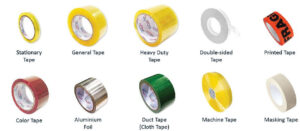
- General-purpose duct tape. Quick grab on clean metal. Not for heat, UV, or long-term loads.
- Foil tape (aluminum). Great for HVAC ducts, flues, and heat reflectors. Check temperature and UL listings.
- Electrical PVC tape. Works on dry indoor metal. Avoid heat and oil exposure.
- Painters/masking tape. Short-term holds on smooth metal. Remove within hours or days.
- Double-sided foam tape. Conforms to uneven metal. Good for signs and trim with light loads.
- Acrylic foam (VHB-style) tape. Structural-grade for panels and trim. Needs clean prep and dwell time.
- Transfer/ATG tape. Thin adhesive layer for smooth metal in crafts and light assembly.
- High-temperature polyimide (Kapton) tape. Great for solder masks and electronics on metal.
- Silicone adhesive tapes. Best for nonstick metals and high heat.
Tip from the field: I keep one roll of acrylic foam tape for metal brackets and trim, and one roll of foil tape for ducts. Those two solve 80% of my metal tape needs.

Step-by-step: make tape actually stick to metal
If you want a sure answer to can adhesive tape stick to metal, follow these prep steps. They sound simple, but they work.
- Inspect and clean
- Remove loose paint, rust, and scale.
- Degrease with isopropyl alcohol (70–90%) and a lint-free wipe. Change wipes often.
- For heavy oils, use a compatible solvent first, then alcohol.
- Light abrasion (if allowed)
- Scuff with fine Scotch-Brite or 400–600 grit sandpaper.
- Wipe away dust. Do not gouge soft metals.
- Dry and warm the parts
- Apply above 60°F when possible.
- Avoid condensation. If the metal feels cooler than the air, wait or warm it.
- Primer when needed
- On tough coatings or low-energy finishes, use the tape maker’s primer.
- Let it flash off per the instructions.
- Apply tape with firm pressure
- Lay tape without stretching.
- Use a roller or thumb to apply firm, even pressure. Aim for full contact without bubbles.
- Let it build strength
- Many acrylics need 24 hours for a strong bond, 72 hours for full strength.
- Support the parts to reduce peel during this time.
- Test before you trust
- Do a small peel test on scrap metal or in a hidden spot.
- If it lifts too easy, improve cleaning or try a different adhesive.
Pro tip: Peel is the enemy. Design your bond so forces are in shear. A small flange or overlap can turn a risky peel into a safe shear.
Real-world examples and lessons learned
I once mounted aluminum cable clips in a hot warehouse. Can adhesive tape stick to metal in that heat? Yes, but the first try failed. I had wiped with a dirty rag, then applied in cool morning air. When the sun hit, the clips peeled.
I redid the job with fresh alcohol wipes, light abrasion, and an acrylic foam tape rated for heat. I rolled it hard and let it cure 48 hours before loading. Those clips have stayed up for years.
Another case: HVAC seam sealing on galvanized ducts. General duct tape fell after a season. Foil tape with a rated acrylic adhesive and proper squeegee pressure solved it on day one.
Lesson: process beats guesswork. Clean, pressure, dwell, and the right tape answer can adhesive tape stick to metal over time.
How to Make Tape Stick Better on Smooth Surfaces – Easy Tips That Work
Troubleshooting: why tape won’t stick to metal (and how to fix it)
Can adhesive tape stick to metal if you skip prep? Not for long. Here is how to find and fix the cause.
- It peels at the edge. Likely dirt, oil, or low pressure. Reclean, use a roller, and consider a primer.
- It lifts in cold. Adhesive too firm. Warm the parts, choose a cold-weather or rubber adhesive.
- It slides under load. Shear too high or heat too much. Add mechanical support or use thicker/acrylic foam tape.
- Bubbles show up. Trapped air or rough metal. Reapply with slower, firmer pressure, or use a conformable foam tape.
Removal and residue
- Warm the tape to soften the adhesive.
- Peel back low and slow at 45–90 degrees.
- Remove residue with adhesive remover or citrus gel, then a final alcohol wipe.
Safety, durability, and limits you should respect
Can adhesive tape stick to metal for structural loads? Sometimes, with the right foam acrylics and design, but test it. Do not hang life-safety loads from tape alone unless the system is rated and approved.
- Temperature. Check continuous and peak ratings. Silicones and polyimide handle heat; rubber does not.
- Fire and smoke. Use tapes with proper listings for ducts or plenum spaces.
- Corrosion. Trapped moisture under tape can stain steel or aluminum edges. Seal perimeters on outdoor bonds.
- Sun and chemicals. Use UV-stable adhesives and backings. Check resistance to fuels and cleaners.
When stakes are high, follow data sheets and standards. Industry tests like peel and shear on metal are there for a reason.

Frequently Asked Questions of Can adhesive tape stick to metal?
Can adhesive tape stick to metal long term?
Yes, if you clean, apply pressure, and choose the right adhesive. Acrylic foam tapes last years outdoors when used within their ratings.
Can adhesive tape stick to metal in cold weather?
It can, but application is harder. Warm the parts and pick a cold-weather or rubber-based adhesive.
Can adhesive tape stick to metal that is painted or powder coated?
Yes, but coatings can be low-energy. Light abrasion, primer, and an acrylic adhesive help the bond.
Can adhesive tape stick to metal exposed to heat?
Use high-temp rated tapes like foil with acrylic, polyimide, or silicone adhesives. Always check the continuous and peak temperature limits.
Can adhesive tape stick to metal underwater?
Most standard tapes will not hold underwater long term. Use a tape made for wet or submerged use and prep as directed.
Does thickness matter when taping to metal?
Yes. Thicker, foam-like tapes bridge gaps and reduce peel stress. Thin transfer tapes work best on smooth, flat metal.
Will stainless steel hold tape as well as aluminum?
Often yes, but oils and fingerprints on stainless reduce adhesion. Clean well and consider an acrylic adhesive for best results.
Conclusion
Can adhesive tape stick to metal? With clean prep, firm pressure, the right adhesive, and enough cure time, the answer is a confident yes. Metals are great bonding surfaces when you respect the basics.
Start small: clean a test spot, apply tape with real pressure, and check it the next day. Once you see a solid bond, scale up with confidence. If you found this helpful, subscribe for more hands-on how-tos, or drop a comment with your use case so I can help you pick the perfect tape.