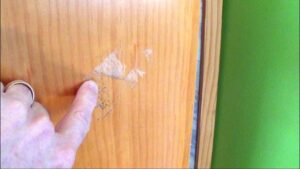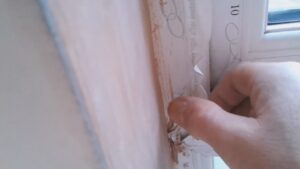
Yes, WD-40 can dissolve and loosen stubborn duct tape residue on many surfaces.
If you’ve been wrestling with sticky glue after peeling off duct tape, you’re not alone. I’ve cleaned adhesive on cars, glass, wood, and laptops for years, and I know what works and what doesn’t. In this guide, we’ll answer does wd-40 remove duct tape residue in depth, show you exactly how to use it, where to be careful, and what to try instead when needed. Expect clear steps, expert tips, and real-world results you can trust.
How duct tape adhesive sticks and why residue remains
Duct tape adhesive is pressure-sensitive. It uses rubber and resins that flow into tiny surface pores. When you pull the tape, a thin film of glue often stays behind.
Heat, sun, and time make things worse. The adhesive oxidizes and hardens. It bonds tighter to the surface. That’s why old residue feels like black gum.
Solvents and oils help because they soften that rubbery layer. Then the glue lets go and wipes off with less force.

Does WD-40 remove duct tape residue? How it works
If you wonder, does wd-40 remove duct tape residue, the simple answer is usually yes. WD-40 is a blend of light oils and petroleum distillates. These penetrate the gummy layer and weaken the bond.
The oils keep the adhesive from re-sticking as you wipe. The solvent part dissolves tacky compounds so you can lift them. On fresh residue, it can work in under a minute. On baked-on gunk, it needs more time and light scraping.
From my own use on car bumpers and metal ladders, WD-40 clears residue fast with a soft cloth. The key is patience and a proper final clean to remove the oily film, so dust does not cling later.
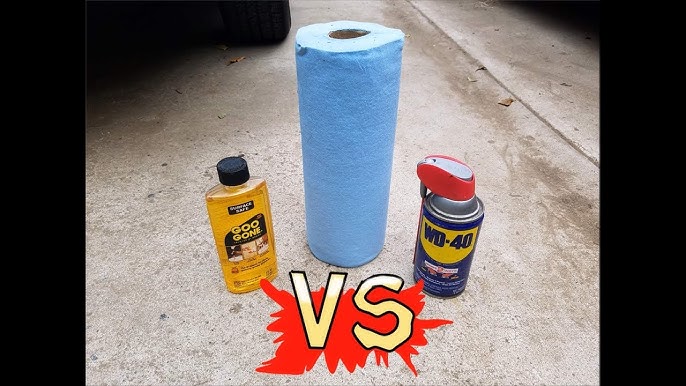
If your goal is fast cleanup and you’re asking, does wd-40 remove duct tape residue, it is a top first choice on metal, glass, and many paints.
How To Get Duct Tape Residue Off Wood Floors: Best Solution That Work
Fast answers: People also ask
- How long should WD-40 sit on residue? Let it dwell 1 to 3 minutes. Add more time for old, dry glue.
- Will WD-40 remove duct tape residue from a car? Yes, on most automotive paint. Test first and wash after to remove the film.
- Can WD-40 damage surfaces? It is safe on many surfaces, but it may stain porous materials and some plastics. Always spot test.
Step-by-step: How to use WD-40 to remove duct tape residue
Follow this simple method to get clean results and avoid damage.
- Warm and lift
- Warm the area with a hair dryer. Peel off as much tape as you can.
- Prep and protect
- Work in a ventilated area. Wear nitrile gloves. Mask nearby fabric or porous trim.
- Apply WD-40 right
- Spray a small amount on a cloth, not the surface, for delicate areas. For metal or glass, a light direct spray is fine.
- If you ask, does wd-40 remove duct tape residue fast, giving it 1 to 3 minutes to soak makes a big difference.
- Agitate gently
- Use a microfiber cloth and small circles. For stubborn spots, use a plastic scraper or an old credit card at a shallow angle.
- Reapply if needed
- Add a little more WD-40 and repeat. Do not force it with a metal blade.
- Final clean
- Wipe the area with warm soapy water or a 50% isopropyl alcohol mix to remove the oily film.
- Dry with a clean towel and check for any haze.
Pro tip: If the residue smears, you are halfway there. Keep working in small passes and switch to a clean section of cloth often.

Surface-by-surface guide
Different materials call for small tweaks. Here is what I use in the field.
- Automotive paint
- Does wd-40 remove duct tape residue on car paint? Yes, in most cases.
- Spray on cloth, dab, wait 1 to 2 minutes, wipe. Wash and re-wax the spot, since WD-40 can strip wax.
- Glass and mirrors
- Easy win. Spray lightly, wait, then wipe with microfiber. Finish with glass cleaner to remove any film.
- Stainless steel and finished metal
- Apply on cloth. Wipe with the grain. Finish with soapy water, then dry to avoid streaks.
- Finished wood and lacquer
- Use minimal product on a cloth. Test in a hidden spot. Clean with a mild wood-safe soap after.
- Unfinished wood, stone, and concrete
- Avoid if possible. Oils can soak in and stain. Try a gel citrus remover or a paste of baking soda and oil as a safer bet. Blot, do not rub.
- Plastics
- Test first. Some plastics, like polycarbonate and ABS, can haze or craze with certain solvents. Go slow, use light pressure, and stop if the surface dulls.
- Electronics and screens
- Do not spray directly. Use a tiny amount on a cloth away from vents. Many screens have coatings that can be harmed; default to isopropyl alcohol on a microfiber cloth.
If you’re asking, does wd-40 remove duct tape residue on every surface, the honest answer is no. It works on many, but not all. When in doubt, spot test, use less, and clean the area after.

Alternatives when WD-40 is not ideal
Sometimes you want another tool. Here are good options and when to use them.
- Isopropyl alcohol (70% to 91%)
- Safe on most plastics and glass. Great for light residue. Evaporates clean.
- Citrus-based removers
- Effective on heavy glue. Better on porous surfaces than thin solvents. Wipe and wash after.
- Mineral spirits or naphtha
- Stronger for aged adhesives on metal and some paints. Ventilate well and test first.
- Cooking oil or peanut butter
- Mild and handy in a pinch. Good for skin or simple messes. Degrease after.
- Heat and scrape
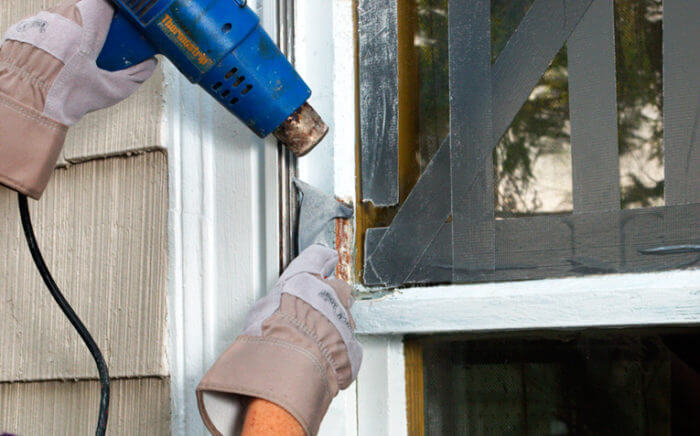
- A hair dryer softens the glue so a plastic scraper can lift it with no chemicals.
- Vinegar
- Mild and safe on many surfaces. Less effective on rubber-based duct tape, but useful as a final rinse.
If you still wonder, does wd-40 remove duct tape residue better than these, the answer is often yes on metal, paint, and glass. But citrus gels and alcohol can be safer on plastics and porous materials.

Safety, testing, and cleanup
Good results come from small checks and clean finishes.
- Test first
- Pick a hidden corner. Apply a tiny amount. Look for dulling, haze, or swelling.
- Work smart
- Ventilate. Keep away from flames. Wear gloves to protect skin.
- Use the right tools
- Microfiber cloths, plastic scraper, cotton swabs for edges, and a mild soap for final cleanup.
- Finish clean
- WD-40 leaves a light film. Wash it off so dust will not stick and to restore shine.
As a trust check, product safety sheets list WD-40 as a mix of hydrocarbons and oil. That aligns with how it softens rubber adhesives. Still, be open about limits: porous materials can stain, and certain plastics may react.
Troubleshooting sticky edge cases
Old, sun-baked residue can fight back. Try this plan.
- Cold weather
- Warm the surface first. Adhesives harden in the cold and resist solvents.
- Thick, blackened glue
- Lift the top layer with a plastic scraper after softening. Reapply and wipe the fresh layer below.
- Textured surfaces
- Use a soft brush with WD-40 to reach grooves. Wipe residue as it lifts.
- Painted drywall
- Avoid strong solvents. Use gentle heat, a damp cloth, and patience. Touch-up paint may be needed.
- Fabric and carpet
- Skip WD-40 unless you plan to deep clean. It can leave oil marks. Use citrus gel and blot, then rinse.
Whenever you’re stuck and ask again, does wd-40 remove duct tape residue in these tricky cases, it still helps, but you may need heat, time, and a gentler follow-up cleaner.
Real-world examples and lessons learned
Here are quick wins and mistakes I have seen and made.
- Car bumper fix
- Old racing tape left gray smear lines. WD-40 on a cloth, 2-minute dwell, gentle wipe, then car wash. Paint looked great, but the wax was gone in that spot, so I reapplied wax.
- Stainless fridge clean
- A label left a gummy patch. Cloth-only application, light strokes with the grain, then a stainless cleaner. Zero streaks.
- Plastic cautionary tale
- A client used too much solvent on a polycarbonate visor. It hazed. Since then, I test and go with alcohol first on plastics.
Lesson learned: if you ask does wd-40 remove duct tape residue and want a clean, fast job, pair it with heat and a final soap wipe. That combo saves time and protects finishes.
Frequently Asked Questions of does wd-40 remove duct tape residue
Is WD-40 safe for car paint when removing tape residue?
Yes, on most factory paints. Test in a small spot first, work gently, then wash and re-wax the area.
Can I use WD-40 on plastic to remove duct tape residue?
Sometimes. It works on many plastics, but some can haze, so spot test and use little product.
How long should I let WD-40 sit on duct tape glue?
Give it 1 to 3 minutes. Old, baked-on residue may need a second round and light scraping.
What should I do after WD-40 removes the residue?
Wash with warm soapy water or wipe with isopropyl alcohol. This removes the oily film so dust will not stick.
What if WD-40 does not work on very old residue?
Use heat first, then WD-40. If it still resists, try a citrus-based gel or mineral spirits on a safe surface.
Will WD-40 stain wood or stone?
It can on porous materials. Avoid or test carefully, and consider a gel remover instead.
Does WD-40 leave a smell or film?
Yes, a light oily film. Clean with soap and water or glass cleaner to remove any residue.
Conclusion
WD-40 is a reliable way to break down duct tape residue on many non-porous surfaces. Use heat, apply a small amount, wait a minute or two, and wipe with a soft cloth. Finish with a quick wash to remove the film.
If you were asking does wd-40 remove duct tape residue, now you know how and when to use it, plus safer options for tricky materials. Try the steps on a small test spot today. If this guide helped, share it, subscribe for more smart cleanup tips, or leave a comment with your results.