Use mild heat, rubbing alcohol, and microfiber to lift duct tape residue safely.
If you want to know how to remove duct tape residue from car interior without harming leather, plastic, or fabric, you’re in the right place. I’ve cleaned hundreds of dashboards, door cards, and center consoles as a detailer. This guide blends hands-on experience with proven methods so you can fix sticky messes fast and protect your cabin for the long run.
Why duct tape residue sticks in your car
Duct tape adhesive is rubber-based and pressure-sensitive. Heat, sun exposure, and time push it into pores and textures on plastic, vinyl, leather, and fabric. That is why quick peels leave a gray smear that feels like gum.
Different interior materials react in different ways. Soft-touch plastics can haze if you use harsh chemicals. Coated leather can dry out or discolor. Headliners can stain if you soak them. Knowing how to remove duct tape residue from car interior starts with knowing your surface and choosing the safest route.
5 Best double-sided tape for carpets – Keep Rugs & Mats Secure
Tools and materials you actually need
Aim for gentle first, stronger second. Gather these before you start:
- Microfiber towels for wiping and buffing
- Plastic scraper or an old credit card for lifting residue
- Cotton swabs for seams and tight spots
- Isopropyl alcohol 70–91% for controlled cleaning
- Citrus-based adhesive remover labeled safe for automotive interiors
- Dedicated interior cleaner or APC diluted for plastics and vinyl
- pH-balanced leather cleaner and a quality leather conditioner
- Mild dish soap and warm water for fabric and final wipe-downs
- Hair dryer or a heat gun on low to soften adhesive
- Distilled water in a spray bottle for rinsing and blotting
- Painter’s tape to test tack and lift residue by tapping
- Nitrile gloves to protect skin and prevent oils transferring
Safety notes I apply on every job:
- Always test in a hidden area first.
- Ventilate well and avoid open flames when using solvents.
- Never jump straight to strong solvents like acetone or lacquer thinner on interior parts.
With the right kit, how to remove duct tape residue from car interior becomes simple, controlled, and low risk.

Step-by-step: How to remove duct tape residue from car interior by surface
Start with this quick prep. Peel any remaining tape slowly at a low angle. Warm the area with a hair dryer for 10–20 seconds to soften the glue. Then try to roll the residue with a clean finger. If it pills up, you need less chemical and less time.
Plastic and vinyl trim
- Warm the spot. Keep the dryer moving.
- Roll the softened adhesive with your finger. Use painter’s tape to dab-lift stubborn bits.
- Dampen a microfiber with 70% isopropyl alcohol. Wipe lightly. Flip to a clean side often.
- If needed, apply a tiny amount of citrus adhesive remover to a cloth, not the panel. Work in small circles.
- Follow with an interior cleaner to remove any oils, then wipe with distilled water.
- Finish with a UV protectant if the piece is exposed to sun.
This is my go-to method when clients ask how to remove duct tape residue from car interior plastics and door panels.
Coated and genuine leather
- Warm gently. Keep the dryer 8–12 inches away. Do not overheat.
- Use a cotton swab with a drop of 70% isopropyl alcohol. Work only on the residue, not the surrounding leather.
- Wipe away loosened glue with a damp microfiber.
- Clean the area with a leather cleaner. Dry with a towel.
- Condition to restore moisture and sheen.
I learned the hard way early in my career: rushing with too much solvent can leave a light spot on coated leather. Less is more, and conditioning after is non-negotiable when learning how to remove duct tape residue from car interior seats or armrests.
Fabric and headliner
- Avoid soaking. The headliner has a foam backing that can let stains spread.
- Use an ice pack in a bag to firm up soft adhesive. Gently scrape with a plastic card.
- Tap with painter’s tape to lift small bits.
- Spot treat with a mild dish soap solution. Blot with a microfiber. Do not rub.
- For leftover haze, use a cotton swab lightly damp with 70% alcohol. Blot dry and let air out with a fan.
This gentle approach prevents rings and sagging while you figure out how to remove duct tape residue from car interior fabric without making a bigger stain.
Piano black trim, screens, and glass
- Piano black plastics scratch in a blink. Use only soft microfiber and 70% alcohol sparingly.
- For touchscreens, use electronics-safe screen cleaner or distilled water on a microfiber. Avoid ammonia.
- On interior glass, warm the glue, then use a razor blade only if it is safe and you are experienced. Keep the glass wet with soapy water and use a shallow angle.
When clients ask how to remove duct tape residue from car interior screens, I always say to avoid strong solvents and pressure. Treat them like a smartphone screen, but gentler.
Wrap-up tip: Work in small sections. Replace dirty towels often. The goal is to lift, not smear.
Stubborn residue fixes and pro tips that actually work
Aged residue hardens and bonds to pores. Patience beats force.
- Dwell time matters. Lay a microfiber damp with citrus remover over the spot for 2–5 minutes. Then lift.
- Use petroleum jelly on plastics. Rub a pea-sized amount in, wait 10 minutes, then wipe and clean with an interior cleaner.
- Try a kneadable art eraser on textured plastic. Dab and roll. It can pull adhesive without chemicals.
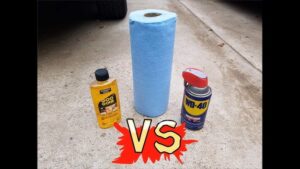
- WD-40 can work in a pinch on plastics and vinyl. Apply to a cloth, not the part, and follow with soap and water to remove the oil film.
- Steam on low, with distance, can soften glue safely on plastics. Keep it moving to avoid moisture buildup.
These are the last steps I try before reaching for stronger, heptane-based adhesive removers labeled safe for interiors. And even then, I test twice. That careful mindset is key in how to remove duct tape residue from car interior without causing new problems.
What not to do
Avoid these common mistakes. They cause haze, stains, or worse.
- Do not use acetone, lacquer thinner, or nail polish remover on interior trim or leather.
- Do not attack the residue with a metal scraper, steel wool, or magic eraser on glossy plastics.
- Do not overheat leather or vinyl. Warping and shine spots are permanent.
- Do not soak headliners or seat foam. Blot only.
- Do not mix chemicals. Clean with soap and water between different products.
Following these guardrails keeps you on the safe path for how to remove duct tape residue from car interior parts that are costly to replace.
Clean-up, aftercare, and prevention
Once the residue is gone, remove any leftover oils. Then protect the area so future cleanups are easier.
- Plastics and vinyl. Wipe with interior cleaner, rinse with distilled water, dry, then apply a UV dressing.
- Leather. Clean, let dry, and condition. Buff off excess to avoid slick spots.
- Fabric. Blot with clean water to remove soap, then air dry. Brush fibers to restore texture.
Prevention tips I share with customers:
- Use painter’s tape or low-tack gaffer tape inside the cabin if you must tape something.
- Create a barrier first. Place a strip of painter’s tape under duct tape if stronger hold is needed.
- Remove tape as soon as possible. Heat bakes adhesive deeper.
- Keep a small kit in the trunk. Microfiber, 70% alcohol, and painter’s tape can solve problems on the spot.
These habits cut your time in half the next time you face how to remove duct tape residue from car interior panels or seats.

Quick questions people also ask
Here are fast answers to common search intent questions.
- Will rubbing alcohol damage my dash? Used sparingly on a damp cloth, 70% alcohol is safe for most plastics. Always test first and follow with an interior cleaner.
- Can I use Goo Gone inside my car? Choose a version labeled safe for automotive interiors. Apply to a cloth, work small, and clean any residue.
- Is heat or solvent better first? Start with mild heat to soften and lift. Add solvent only if needed and escalate slowly.
Frequently Asked Questions of how to remove duct tape residue from car interior
What removes duct tape residue from plastic the fastest?
Heat, finger rolling, and 70% isopropyl alcohol on a microfiber work fast. For stubborn bits, a small amount of citrus adhesive remover helps.
How do I get duct tape residue off leather without damage?
Use gentle heat, then a cotton swab with a drop of 70% alcohol only on the glue. Clean with a leather cleaner and condition right after.
Can vinegar remove duct tape residue inside a car?
White vinegar can soften some adhesives, but it is weaker and can leave a smell. Alcohol or citrus removers are more reliable and easier to clean up.
Is WD-40 safe on my dashboard?
It can loosen adhesive on plastics and vinyl when used on a cloth. Always clean the area with soap and water after to remove the oily film.
How do I remove residue from the headliner without staining?
Avoid soaking. Firm up the glue with an ice pack, scrape gently with a plastic card, then blot with mild soap solution. Let it air dry.
What if the residue is years old and rock hard?
Use controlled dwell time with a citrus remover covered by a towel for a few minutes. Repeat gentle cycles of heat, lift, and clean rather than forcing it in one pass.
Conclusion
Sticky residue does not have to be a nightmare. With heat, patience, the right cleaner, and a gentle touch, you can remove duct tape residue and keep your interior looking factory fresh. Start small, test first, and protect the surface when you are done.
Ready to put this to work? Grab a microfiber and a hair dryer, try one surface today, and share your results or questions in the comments so others can learn from your win.