When To Peel Off Painter Tape?
Peel painter’s tape when the paint is tacky, not fully cured—usually within 1–2 hours. You should peel off painter’s tape while the paint is still slightly wet or just beginning to dry, usually within one to two hours after painting. Removing the tape too late can cause dried paint to tear or peel away with the tape. Pull the tape back slowly at a 45-degree angle for clean lines. If the paint has already dried, lightly score the edge with a utility knife before removing the tape to avoid damage.
If crisp lines matter, timing is everything. In this guide, I’ll show you exactly when to peel off painter tape for a clean edge every time. You’ll learn what pros do, how weather changes the plan, and how to fix common mistakes without drama. By the end, you will know when to peel off painter tape in any room, with any paint, and on any surface.
:max_bytes(150000):strip_icc()/when-to-remove-painters-tape-1822387_hero_-cdbfc6df578747658eb700b88c68e9c1.jpg)
Why timing matters for clean paint lines
Getting a sharp line is not luck. It is about the bond between paint, tape, and the surface. Paint forms a thin film that can bridge over the tape edge. If that film cures hard, it can tear the wall when you pull the tape.
Most manufacturers suggest removing tape while paint is still soft. That sweet spot is soon after the last coat sets. This is why the exact moment of when to peel off painter tape makes such a big difference.
How to know when to peel off painter tape by paint and conditions
The right time depends on paint type, surface, temperature, and humidity. Here is a simple guide I use on jobs.
- Latex wall paint: Peel 30–90 minutes after the last coat. Touch the paint near the tape. It should feel dry on top but still soft under.
- Oil-based paint: Peel sooner than you think. Aim for 2–3 hours after the last coat, before it hard-cures.
- Trim and door enamel: These set fast on edges. Peel within 45–90 minutes to avoid chipping.
- Spray paint and lacquer: These flash quick. Test at 20–40 minutes. Peel as soon as it loses its shine but is not brittle.
- Primer: Peel within 30–60 minutes, unless the label says otherwise.
- Caulk lines with tape: Smooth the bead, then peel tape at once, within 2–10 minutes.
Weather shifts the window. In hot, dry rooms, paint sets fast. In cold, damp rooms, it can take much longer. Always test the edge before you commit. If you search for when to peel off painter tape, you will see many answers. The key is this simple test: peel when paint is set but not cured.
Step-by-step: the clean removal method pros use
Follow this process to remove tape without tears or residue.
- Check the edge. Lightly press a fingernail into the paint near the tape. If it dents, but does not smear, you are good.
- Score the line. Run a sharp utility knife along the tape edge with a gentle hand. This breaks any paint bridge.
- Pull at 45 degrees. Lift the tape back over itself, not straight out, for a clean release.
- Go slow and steady. Keep the angle as you pull. Do not yank.
- Use heat if needed. If the tape fights you, warm it with a hair dryer on low for a few seconds.
- Catch bleeds early. If you see a bleed, press a damp cloth to soften it, then razor it clean.
- Remove in sections. Long runs are harder to control. Cut and remove in 2–3 foot pieces.
- Keep hands clean. Oils can smudge fresh paint. Wipe hands if needed.
- Bag the tape. Used tape can transfer paint. Toss it right away.
- Touch up while soft. If a nick appears, dab it with a small artist brush at once.
This method works for walls, trim, cabinets, glass, and floors. It locks in the right timing for when to peel off painter tape and saves repairs later.
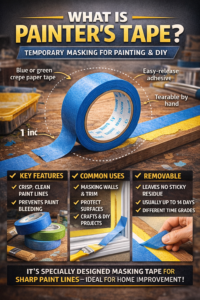
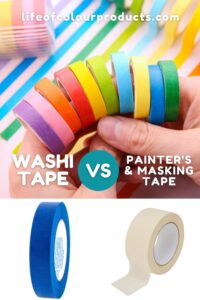
Painter’s tapes remove cleanly after the job is done – up to a certain amount of time – while masking tapes tend to leave residue behind
Factors that change when to peel off painter tape
Many little things shift the timing by minutes or hours. Watch these factors.
- Temperature: Warm rooms speed set time. Cool rooms slow it down.
- Humidity: High humidity keeps paint soft. Plan for a longer wait.
- Paint sheen: Gloss and semi-gloss can bridge more. Peel a bit sooner.
- Surface texture: Heavy texture grips paint. Score the line every time.
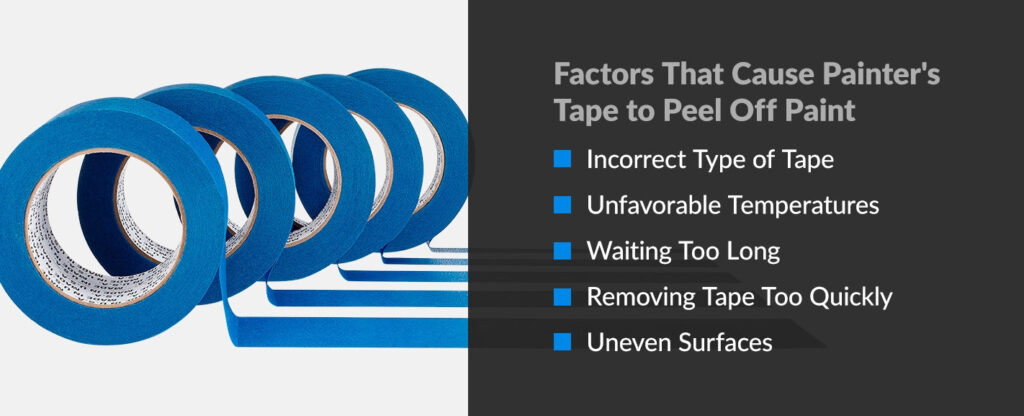
- Tape type: Delicate-surface tape has weaker adhesive. It can stay longer but still peel best while paint is soft.
- Sunlight: Direct sun bakes tape. Remove sooner to avoid residue.
I keep a small timer on site. I label each wall and note the finish time. That habit has saved me countless times when deciding when to peel off painter tape.
:max_bytes(150000):strip_icc()/when-to-remove-painters-tape-1822387_02_-79991c40bd5b4a7891db24b02439646e.jpg)
Real-world cases and pro tips
Different tasks call for small tweaks. Here is what works for me in the field.
- Two-tone walls and stripes: Roll the stripe, then peel those stripe lines right away. Do not wait for the base to cure more.
- Cabinets and doors: Enamel levels out as it sets. Score and peel 45–75 minutes after the last pass.
- Window glass: Peel early to avoid brittle paint on glass. If it dries, use a sharp razor at a shallow angle.
- Floors and baseboards: Let paint set enough that it will not drip when tape lifts. Then peel within 60–90 minutes.
- Caulk masking: Always peel tape before the caulk skins. This is often within minutes.
- Exterior work: Wind and sun speed things up. Test at 20–40 minutes. Peel sooner rather than later.
These patterns will help you judge when to peel off painter tape even in tricky spots. Small tests beat guesses every time.

Mistakes to avoid and how to fix them
I have made these mistakes so you do not have to. Here is how to fix them fast.
- Leaving tape on overnight: This can glue the tape to the surface. Score, warm with a hair dryer, and pull slow at 45 degrees.
- Tearing paint from the wall: The paint bridged and cured. Score deeper along the line and pull back over itself. Touch up right away.
- Paint bleed under the tape: The tape was not sealed. Next time, burnish the edge with a putty knife. For now, shave the bleed with a razor and touch up.
- Sticky residue: Use citrus adhesive remover or warm soapy water on a cloth. Test a small spot first.
- Wrong tape for the surface: Delicate finishes need delicate tape. Switch to a low-tack tape for fresh paint, wallpaper, or lacquered trim.
If you are unsure about when to peel off painter tape on a delicate wall, do a test strip in a low spot first.
Tools and prep that make removal easy
Good prep sets you up for a clean pull and a crisp line.
- Choose the right tape: Standard blue for most walls, delicate-surface tape for fresh paint or finishes, and exterior tape for sun and heat.
- Clean the surface: Dust and grease cause bleed. Wipe with a damp cloth and let dry.
- Burnish the edge: Press the tape edge with a putty knife for a tight seal.
- Keep a sharp blade: A fresh utility blade makes scoring safe and clean.
- Have a timer and a test card: Roll paint on a small card and watch how it sets. Use that to time when to peel off painter tape on the wall.
These small habits raise your success rate and reduce touch-ups. They also take the guesswork out of when to peel off painter tape on long runs and corners.
Frequently Asked Questions of when to peel off painter tape
How long should I wait before removing painter’s tape?
Aim for 30–90 minutes after your final coat with latex paint. Peel while the paint is set but not fully cured.
Should I remove tape when the paint is wet or dry?
Remove when the paint feels dry on top but still soft under. This avoids tearing and gives cleaner lines.
What angle should I pull the tape?
Pull the tape back over itself at about 45 degrees. Go slow and keep steady tension.
What if I left the tape on overnight?
Score the edge with a sharp blade and warm the tape with a hair dryer. Peel slowly to reduce damage.
Can I reuse painter’s tape?
No. Used tape loses grip and may leave lint or paint bits. Always use fresh tape for clean edges.
What tape should I use on fresh paint?
Use a delicate-surface tape labeled for fresh paint. It has lower tack and reduces the risk of lifting.
How do temperature and humidity affect timing?
Warm, dry air speeds drying, so peel sooner. Cool, humid air slows drying, so test and wait longer.
Conclusion
Clean lines come from smart timing and gentle removal. Peel tape as the paint sets, not after it cures hard. Score the edge, pull at 45 degrees, and adjust for your room’s conditions. If you remember one thing, remember this: the best moment is sooner than you think.
Put these steps to work on your next wall or trim project. Test a small area, time your coats, and trust your eyes and hands. Want more paint tips and tool guides? Subscribe for updates or drop your questions in the comments.