Adhesive Tape vs Double Sided Tape: Adhesive tape sticks on one side, making it ideal for sealing and packaging. Double-sided tape has adhesive on both sides, allowing you to bond two surfaces together invisibly. Choose adhesive tape for simple fixes and double-sided tape for mounting or crafting projects.
Top-Rated Adhesive Products on Amazon
Whether you are looking for an industrial-strength hold or a delicate craft bond, these options are the gold standard on Amazon.
Product Type Best For… Gorilla Tough & Wide Duct Tape Single-Sided Heavy-duty repairs, patching, and sealing uneven surfaces. 3M Scotch Double-Sided Mounting Tape Double-Sided Mounting signs, hooks, and decor to walls without nails. FrogTape Multi-Surface Painter’s Tape Single-Sided Achieving crisp, clean lines during painting projects. XFasten Double-Sided Carpet Tape Double-Sided Securing rugs and floor mats to prevent slipping.
Quick Comparison Table Of Adhesive Tape vs. Double-Sided Tape
| Feature | Single-Sided Adhesive Tape | Double-Sided Tape |
| Primary Function | Sealing, masking, bundling, or repairing. | Mounting, bonding, and invisible attachment. |
| Visibility | Visible (the backing faces out). | Hidden (sandwiched between surfaces). |
| Structure | One side is adhesive, the other is backing. | Adhesive on both sides of a central core. |
| Best For | Packing boxes, painting edges, bundling wires. | Mounting photos, crafts, signs, and trim. |
| Strength | Relies on the physical bond of the tape strip. | Relies on the cohesive bond between two surfaces. |
Adhesive tape sticks on one side; double sided tape bonds two surfaces invisibly.
If you have ever asked which one to use for mounting, packing, or crafting, this guide is for you. I work with tapes in real projects, from light decor to load-bearing fixes. Below, we break down adhesive tape vs double sided tape with clear tests, use cases, pros, and limits. You will learn how to pick the right tape, apply it well, and avoid damage or wasted money. Stay with me, and you will feel confident about adhesive tape vs double sided tape in minutes.
What Is Adhesive Tape?
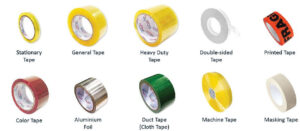
Adhesive tape is a pressure-sensitive strip with adhesive on one side and a backing on the other. It sticks with light pressure and does not need heat, water, or cure time. The backing can be paper, film, cloth, or foil.
Common types and uses:
- Masking tape for paint lines and quick labels.
- Packaging tape for sealing boxes in shipping and storage.
- Duct tape for temporary repairs on fabric, plastic, or ducts.
- Electrical PVC tape for wire insulation and color coding.
- Foil tape for HVAC seams and heat reflection.
Key traits:
- One-sided bond and easy inspection from the outside.
- Fast to place and remove for short-term jobs.
- Lower cost per foot than most double sided options.
Adhesive Tape Vs PVC Tape– Pros, Cons, and Which One Should You Choose?
What Is Double Sided Tape?
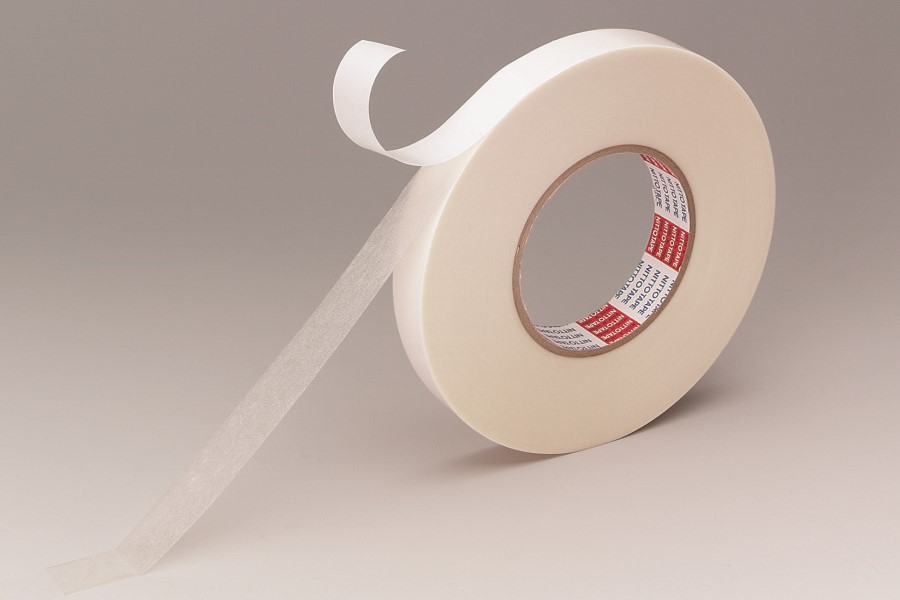
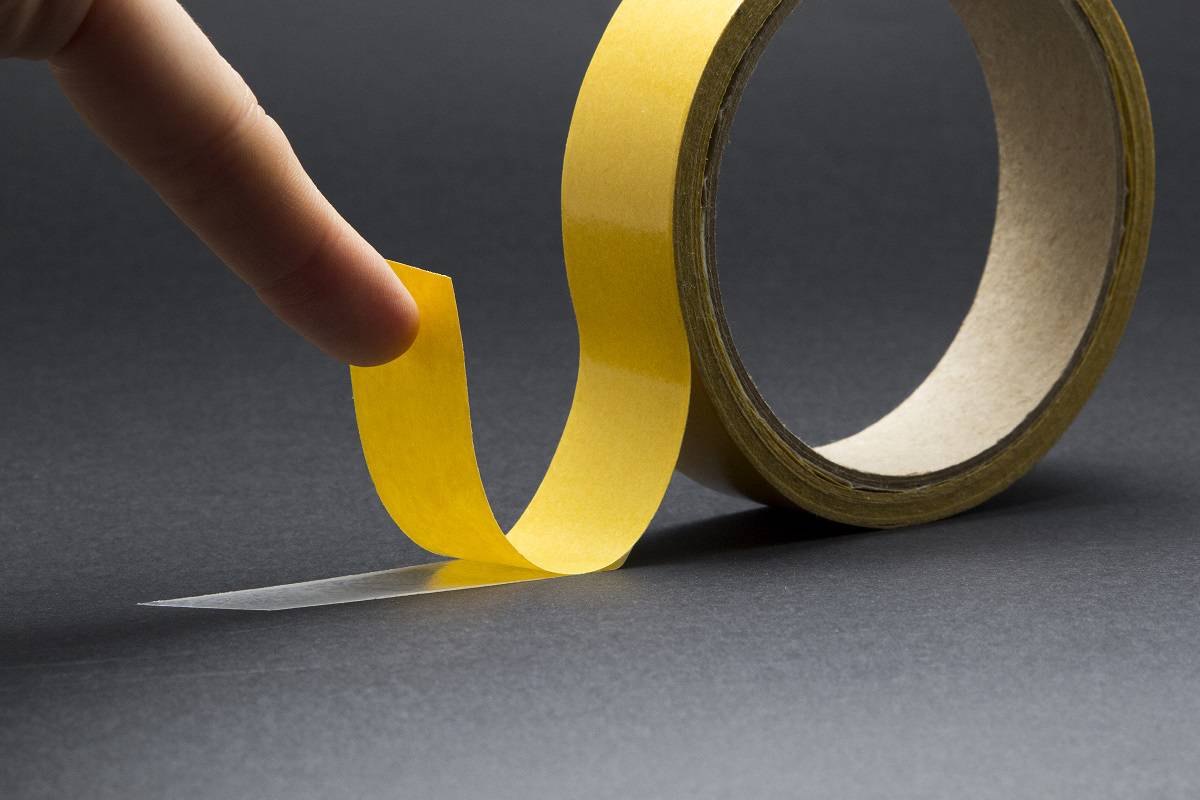
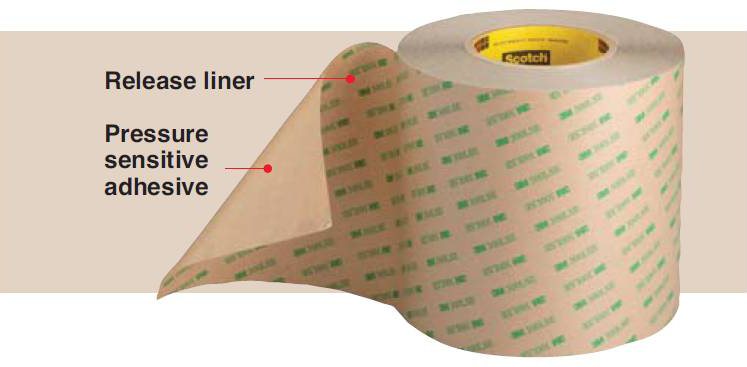
Double sided tape has adhesive on both sides, often with a carrier and a release liner. It bonds two surfaces face to face, so the tape stays hidden. Many grades exist, from thin film to thick foam.
Common types and uses:
- Thin film for posters, trim, and crafts.
- Tissue or paper for mailers and marketing.
- Foam mounting tape for wall hooks and signs.
- High-bond acrylic foam for nameplates and panels.
- Carpet tape for rugs and trade show floors.
Key traits:
- Clean look because the bond is invisible.
- High initial tack and strong long-term hold.
- Some grades can replace screws in light builds.
Adhesive Tape vs Double Sided Tape: Key Differences
If you compare adhesive tape vs double sided tape, think about construction, force, and finish.
Core differences:
- Visibility. Adhesive tape shows on the outside. Double sided tape hides in the joint.
- Purpose. Adhesive tape secures, seals, or masks. Double sided tape mounts or laminates.
- Strength. Double sided foam and acrylic grades often have higher peel and shear than basic one-sided tapes.
- Removal. Painter’s tape is made for clean peel. Many double sided tapes can leave residue or pull paint if overcured.
- Cost. One-sided tapes are cheaper per roll. Double sided tapes cost more per square inch due to liners and high-grade adhesives.
Typical performance ranges based on industry test methods:
- Peel adhesion (ASTM D3330). Masking tape: about 25–40 oz/in. Packaging tape: about 40–60 oz/in. Double sided foam: about 70–150 oz/in.
- Shear resistance (ASTM D3654). High-bond double sided often holds long-term loads better than basic one-sided tapes.
- Temperature. Rubber adhesives work best near room temp. Acrylics hold from cold to hot and resist UV.
When I trial a new tape, I run a small peel test on off-cuts. A 24-hour dwell tells the truth. That habit has saved me from wall damage more than once.
How To Choose Between Adhesive Tape vs Double Sided Tape
Use this simple path to pick the right one quickly.
Start with your goal:
- Need a seal, label, or wrap you can see and lift later? Choose adhesive tape.
- Need a clean, hidden mount or lamination? Choose double sided tape.
Match tape to surface:
- Painted drywall, paper, and wood: low to medium tack. Try removable painter’s tape or foam mounting tape rated for walls.
- Metals, glass, and plastics: clean, high-energy surfaces can use acrylics. For low-energy plastics like PP or PE, look for LSE-rated adhesives.
- Outdoors and sun: use acrylic or silicone. Avoid basic rubber.
Check load and time:
- Light and short term: masking or thin double sided works.
- Heavy or long term: high-bond acrylic foam with proper prep.
Budget and cleanup:
- Tight budget or frequent changes: one-sided tapes or removable double sided strips.
- Permanent look: double sided high-bond.
Two quick PAA-style answers:
- Can double sided tape replace screws? For light loads and broad contact, yes. For heavy loads or safety items, no.
- Is adhesive tape reusable? Most PSAs are not. Some specialty tabs are designed to be removable, not reusable.
Keep the phrase in mind: adhesive tape vs double sided tape comes down to seen seal vs hidden bond.
How To Clean Surfaces After Removing Tape– Safe Methods for Walls, Glass & Wood
Surface Prep, Application, and Removal Tips
Good prep beats buying stronger tape. Here is my field-tested checklist.
Prep:
- Clean with isopropyl alcohol and a lint-free cloth. Let it dry.
- Remove dust, oils, and loose paint. Smooth rough spots if needed.
- Test a small area, especially on painted walls or varnished wood.
Application:
- Warm to room temp. Cold kills tack.
- Apply firm, even pressure for 5–15 seconds to wet-out the adhesive.
- For double sided, press both sides. More contact equals more strength.
- Allow dwell time. Many acrylics reach full strength after 24–72 hours.
Removal:
- Pull low and slow, back over itself at 180 degrees.
- Warm with a hair dryer to soften adhesive if needed.
- Lift residue with citrus cleaner or adhesive remover, then wash.
Mistakes I learned from:
- I once hung a mirror with basic foam tape. It crept down in heat. Always check the weight rating.
- Old masking tape bled under paint on a humid day. Fresh tape and firm edge sealing fixed it the next time.
Strength, Temperature, and Durability Comparison
Understanding lab numbers helps you choose with confidence.
Key metrics and what they mean:
- Peel adhesion (ASTM D3330). How hard it is to peel tape from a surface.
- Shear (ASTM D3654). How long it resists sliding under load.
- Tack. How fast it grabs on contact.
General ranges to expect:
- Rubber PSAs. High tack, moderate peel, fair shear. Good near 50–80°F. Limited UV and heat.
- Acrylic PSAs. Medium to high peel and shear. Work from about -20°F to 250°F. Strong UV and weather hold.
- Silicone PSAs. Great on silicone and for high heat up to about 400°F. Lower peel on common materials.
Durability cues:
- UV resistance. Acrylics win outdoors. Rubber yellows and dries out faster.
- Moisture. Closed-cell foam tapes resist water better than open-cell types.
- Aging. Look for datasheets with long-term shear and temperature cycling results.
These values are common in manufacturer datasheets and tested under standards like ASTM D3330 and D3654. Always confirm the exact grade you plan to use.
Cost, Sustainability, and Safety
Money, waste, and risk matter as much as strength.
Cost notes:
- One-sided tapes are cheap per yard and easy to stock.
- Double sided tapes cost more but can replace fasteners, spackle, and time.
Sustainability:
- Paper masking and water-activated paper tapes are easier to recycle with cartons.
- Release liners from double sided tapes add waste. Look for liner recycling where available.
- Solvent-free acrylics reduce VOCs. Many brands publish low-VOC data.
Safety:
- Avoid using tape for life-safety loads such as heavy mirrors over beds.
- Check fire behavior standards for HVAC and electrical tapes if code applies.
- On walls, choose removable grades to avoid paint tear-out.
Common Mistakes and Fixes
Avoid these traps with adhesive tape vs double sided tape.
Mistakes to watch:
- Using rubber adhesive outdoors in sun. It fails early.
- Skipping surface cleaning. Dust kills bond more than you think.
- Overloading small tape areas. Load per square inch matters.
Easy fixes:
- Switch to acrylic or silicone for heat and UV.
- Increase contact area or use thicker foam to bridge gaps.
- Wait for cure time before stress, especially with high-bond acrylics.

Real-Life Examples and Case Studies
Here are quick stories that map to real choices I see often.
Home decor on painted drywall:
- Use removable foam mounting strips rated for the weight.
- Press for 30 seconds and let sit before adding load.
- Avoid cheap carpet tape on walls. It can rip paint.
Shipping and storage:
- Use packaging tape with acrylic adhesive for temperature swings.
- Seal center seam first, then edges for strength.
Crafts and trim:
- Thin double sided film works for paper and photos without bulk.
- For fabric, try double sided fabric tape designed for textiles.
Auto and appliances:
- Use high-bond acrylic foam to mount trim and badges.
- Clean with alcohol and apply in warm conditions. Avoid edges where water can intrude.
These choices show the heart of adhesive tape vs double sided tape: visible seal versus hidden mount, matched to surface and load.
Frequently Asked Questions of adhesive tape vs double sided tape
Is double sided tape stronger than regular adhesive tape?
Often yes, especially foam and acrylic grades. They spread load across two surfaces and have higher shear strength.
Can I use adhesive tape on walls without damage?
Yes if you pick low-tack painter’s tape and remove within the time on the label. Press lightly and test first on a hidden spot.
Will double sided tape hold in the bathroom?
Choose waterproof acrylic foam or a grade rated for moisture. Clean well and allow full cure time before steam exposure.
What is the best tape for cardboard boxes?
Acrylic packaging tape bonds well to recycled cartons and survives heat and cold. Apply with firm pressure over dust-free flaps.
How do I remove sticky residue?
Warm the adhesive and roll it off with your thumb. Use a citrus remover for the last film, then wash with mild soap.
Does temperature affect tape strength?
Yes. Cold reduces tack and hot can soften adhesives. Acrylics handle the widest range with good UV resistance.
Can tape replace nails for wall hooks?
For light loads, yes if the tape is rated for that weight. For heavy or valuable items, use anchors or screws.
Conclusion
Choosing between adhesive tape vs double sided tape is simple once you know the goal, surface, and load. One-sided tapes shine for sealing, masking, and quick fixes. Double sided tapes win for clean, hidden mounts and long-term bonds when matched to the right material.
Test small, prep well, and let the bond build. Use the tips here to save time, avoid damage, and get a cleaner look. Ready to level up your projects? Try the decision steps above, share your results, and subscribe for more hands-on guides.