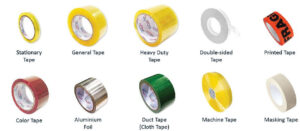
Adhesive Tape vs PVC Tape: Adhesive tape is a general category of tapes that stick to surfaces using various adhesives, suitable for light-duty sealing, packaging, or repairs. PVC tape, made from durable polyvinyl chloride, is thicker, more flexible, and resistant to water, heat, and abrasion—ideal for electrical insulation, heavy-duty sealing, and outdoor use. Choose based on strength, surface type, and durability needs.
Recommended Tapes By Expert
Product Why It’s Recommended Best For… 3M Super 33+ PVC Electrical Tape The professional gold standard. It is incredibly stretchy, cold-weather resistant, and maintains a perfect seal for years. Electrical work, outdoor wire repair, and plumbing seals. Gorilla All-Weather Duct Tape A heavy-duty, polyethylene-coated cloth tape. It is much thicker and stronger than standard adhesive tapes. Rough outdoor repairs, bundling heavy objects, and emergency fixes. ScotchBlue Original Painter’s Tape A classic paper-based adhesive tape. It is engineered not to stick too hard, so it won’t damage your surfaces. Painting, labeling, and temporary holding on delicate walls.
Picking the right tape can save time, money, and stress. In this guide, I break down adhesive tape vs PVC tape with clear tests, use cases, and pro tips. You will learn when each shines, when they fail, and how to buy with confidence.
What Is Adhesive Tape?
Adhesive tape is a broad family. It means any pressure-sensitive tape that sticks with light pressure. The adhesive can be rubber, acrylic, or silicone. The backing can be paper, film, cloth, or foam.
Common types include:
- Packaging tape for boxes
- Masking tape for paint edges
- Duct tape for quick repairs
- Double-sided and foam tape for mounting
- Filament tape for strapping and bundling
- Painter’s tape for clean removal
How it works:
- Backing gives strength and shape
- Adhesive provides tack and bond
- Release coating lets the roll unwind
You can tune performance by mixing backings and adhesives. That is why “adhesive tape” covers so many jobs. In short, it is a big toolkit, not one product. This is key in adhesive tape vs PVC tape decisions.
How To Clean Surfaces After Removing Tape– Safe Methods for Walls, Glass & Wood
What Is PVC Tape?
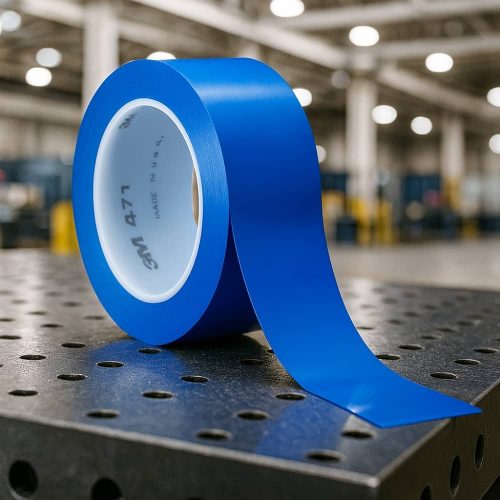
PVC tape uses a polyvinyl chloride film as the backing. It is soft, stretchy, and conforms well. Most people know it as electrical tape. It wraps wire splices and harnesses with a tight, clean seal.
Key traits:
- High stretch and rebound to seal around curves
- Good abrasion and moisture resistance
- Often flame retardant and self-extinguishing
- Rubber-based adhesive for quick stick
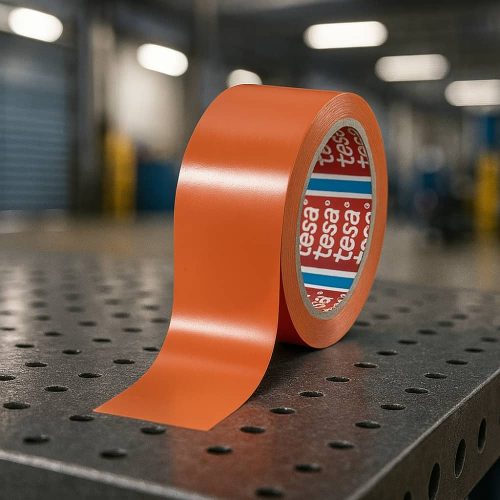
- Many colors for phase ID and safety coding
Quality PVC electrical tapes often meet UL 510. Typical ratings cover up to 600 V and 80°C service. Premium grades go to 105°C. This makes a clear case in adhesive tape vs PVC tape when safety and insulation matter.

Adhesive Tape vs PVC Tape: Key Differences
Both stick. But the build and job fit are not the same. Here is how adhesive tape vs PVC tape compare.
- Backing
PVC is vinyl. It stretches and fits odd shapes. General adhesive tapes can be paper, film, or cloth. They may tear or not conform as well. - Stretch and conformability
PVC can stretch 150 to 250 percent. Many film tapes do not. Masking and paper tapes can tear on bends. - Adhesive chemistry
PVC tape often uses rubber adhesive. It grabs fast. Many packaging and outdoor tapes use acrylic. They hold better in heat and UV. - Heat and cold
PVC electrical tape is fine to about 80°C. Some reach 105°C. Acrylic-backed tapes can go hotter. Silicone tapes can handle very high heat. - Moisture, oil, and UV
PVC resists water and many oils. It can age from UV outdoors. Acrylic tapes are better in sun over time. - Electrical safety
PVC electrical tape has dielectric strength. It is used for up to 600 V when listed. Most adhesive tapes have no electrical rating. - Residue and clean removal
Painter’s tapes and some acrylic tapes remove clean. PVC can leave residue if left in heat or on low-energy plastics. - Standards and compliance
Electrical PVC grades target UL 510 and IEC norms. Other adhesive tapes follow ASTM tests for peel, shear, and tack.
These gaps shape the right pick in adhesive tape vs PVC tape.
Which One Should You Use? A Practical Decision Guide
Match the tape to the job. Use this plain guide for adhesive tape vs PVC tape.
- Sealing boxes
Pick packaging tape with acrylic adhesive. It holds in cold and heat. PVC electrical tape is the wrong tool here. - Electrical insulation and wire harnessing
Choose PVC electrical tape that meets UL 510. Use color codes for phases or ID. - Color coding and floor marking
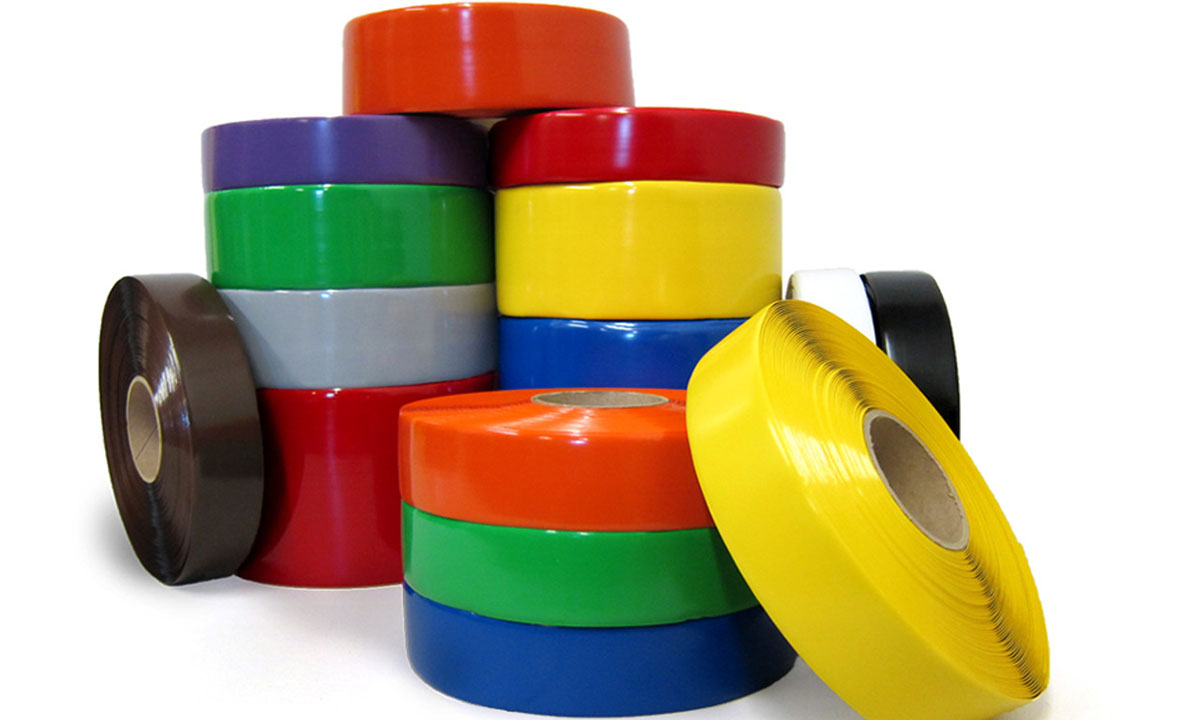
PVC works well for smooth floors and pipes. For heavy traffic, use thicker floor marking tape. - Plumbing and moisture
PVC resists splash and humidity. For pressurized threads, use PTFE thread seal tape. Do not use PVC electrical tape for pressure seals. - Automotive and marine
PVC is great for wire looms and bends. For long sun exposure, use UV-stable wraps or acrylic films. - Painting and clean removal
Use painter’s tape or masking tape. They remove clean with less residue than PVC. - High heat
Use high-temp acrylic or silicone tape. PVC can soften near its rating. - Mounting and load
Use double-sided acrylic foam or a VHB-style tape. PVC is not for structural bonds.
A simple rule for adhesive tape vs PVC tape: if you need insulation, stretch, and wrap, think PVC. If you need sealing, mounting, or clean removal, use a fit-for-purpose adhesive tape.
Performance Metrics and Testing That Matter
Do not guess. Check data sheets and standards. This helps you compare adhesive tape vs PVC tape with facts.
Core tests for many adhesive tapes:
- Peel adhesion by ASTM D3330
Shows how well the tape sticks to steel or other panels. - Shear holding power by ASTM D3654
Shows how the tape holds under load over time. - Tensile strength and elongation by ASTM D3759
Backbone strength and stretch. - Tack by ASTM D3121 or loop tack methods
How fast it grabs on contact.
Electrical PVC tape checkpoints:
- UL 510 listing
Look for 600 V rating and temp class. Common are 80°C and 105°C. - Dielectric strength
Shows insulation ability in volts per mil. - Flame performance
Self-extinguishing behavior is often needed.
Typical values you may see:
- PVC electrical tape thickness around 7 mils
- Stretch over 150 percent
- Service temp to 80°C, premium to 105°C
- Peel adhesion 20 to 30 oz/in for many rubber systems
Use these ranges as guides. Always test on your surface before a full roll-out.

Environmental, Health, and Safety Considerations
PVC has chlorine and uses plasticizers. It can form acidic fumes if it burns. Many grades meet RoHS and REACH, but check documents.
Things to weigh in adhesive tape vs PVC tape:
- VOCs and odor
Rubber adhesives can have more smell. Low-VOC acrylics are gentler indoors. - Sun and aging
PVC can harden over time in UV. Acrylic adhesives and UV-stable films last longer outdoors. - Recycling and disposal
Most tapes are hard to recycle. Paper-backed tapes with rubber resin can be better for waste streams. - Codes and industry rules
For electrical work, use listed PVC electrical tape. For food or clean zones, ask for low-residue and compliant materials.
Pick the safest tape that still fits the job. Store rolls cool and dry. This keeps performance steady.
Cost, Sourcing, and Buying Tips
Price matters, but failure costs more. Here is how I buy smart for adhesive tape vs PVC tape.
- Compare total cost
If a cheaper tape needs two wraps, it is not cheaper. - Read the TDS and SDS
Check peel, shear, temp range, flame data, and compliance. - Ask for samples
Test on your real surface. Try it in heat, cold, and humidity. - Watch core size and length
Do not mix 1-inch and 3-inch cores on site by mistake. - Store right
Keep rolls in bags at room temp. Rotate stock within 12 to 24 months. - Buy listed electrical tape
Look for clear UL 510 marks for safety audits.
Typical pricing:
- PVC electrical tape
Low to mid cost per roll, more for premium 105°C. - Packaging and painter’s tapes
Often cheaper per yard, but grades vary a lot.
Sourcing well beats guesswork every time.
Why is Blue Painters Tape So Expensive? – What Makes It Worth the Price
Real-World Lessons Learned
I learned adhesive tape vs PVC tape by fixing a lot of small messes.
- Cold warehouse, warm office
A cheap packaging tape looked fine in the office. In the cold dock, it popped off boxes. We switched to a cold-temp acrylic tape. Problem solved. - Residue surprise
We used PVC tape to bundle cables for a trade show. After a week under lights, it left residue on racks. Next time we used a clean-removal cable wrap and labels. - Compliance check
A team used unlisted vinyl for wire splices. It failed a safety audit. We replaced it with UL 510 PVC tapes in the right colors and temp class. - Overkill costs
We used premium PVC for floor marks. Forklifts chewed it up. We changed to heavy-duty floor tape made for traffic. Fewer changes, lower cost.
These small wins shape my advice: test, verify, and pick the right tool, not the nearest roll.
PAA-Style Quick Answers
Is PVC tape the same as electrical tape?
Most electrical tapes are PVC, but not all PVC tapes are electrical grade. Look for UL 510 to be sure it is safe for wire insulation.
Can PVC tape replace packaging tape?
No. PVC electrical tape is not for box sealing. Use acrylic packaging tape for better hold and cleaner seals.
Which tape is best for outdoor use?
Acrylic-based adhesive tapes often last longer in sun and heat. PVC works outdoors but can age faster under UV.
Frequently Asked Questions of adhesive tape vs PVC tape
Is adhesive tape the same as PVC tape?
No. Adhesive tape is a big category. PVC tape is one type that uses a vinyl backing, often for electrical work.
How many times should I wrap PVC electrical tape on a splice?
Two to three tight half-lapped wraps are common. Follow the connector maker’s guide and your local code.
Does PVC tape stick to polyethylene or polypropylene?
Not well. These are low-energy plastics. Use a tape designed for LSE surfaces or prime the area.
What is the temperature range for general PVC electrical tape?
Most are rated to 80°C. Premium grades can reach 105°C. Always check the data sheet.
Will painter’s tape replace PVC for wires?
No. Painter’s tape is not an insulator and may fail fast on cables. Use listed PVC electrical tape for wire work.
Is acrylic adhesive better than rubber adhesive?
It depends on the job. Acrylic wins for heat, UV, and aging. Rubber grabs fast and bonds well to many indoor surfaces.
Can I print or write on PVC tape?
Yes, with the right ink or marker. For labels or barcodes, use printable films or dedicated cable markers.
Conclusion
Adhesive tape vs PVC tape comes down to purpose. If you need stretch, conformability, and insulation, PVC electrical tape is your go-to. For clean removal, long sun life, or box sealing, pick a purpose-built adhesive tape with the right adhesive and backing.
Test on your surface, read the data sheet, and buy for the real conditions you face. Take this guide, try a small trial, and lock in a tape choice that saves time and prevents rework. If you found this helpful, share it, subscribe for more practical guides, or drop your use case in the comments so I can help you choose.