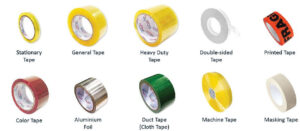
Best choices: polyimide, thin acrylic double-sided, and ESD conductive grid tapes.
If you build or repair electronics, you already know tiny parts can bring big headaches. Frames lift. Cables creep. Static zaps a chip. A clean, thin, heat-stable tape saves the day. I’ve spent years fixing phones, laptops, and boards on tight deadlines. I learned that the best adhesive tapes for electronics manufacturing must grab fast, release clean, and survive heat and stress. In this review, I break down the standouts for screen assembly, flex cable work, and ESD-safe handling. I also share simple buying tips so you pick with confidence, whether you run a small bench or a full line.
Kaisiking 2mm LCD Repair Tape + Tweezers
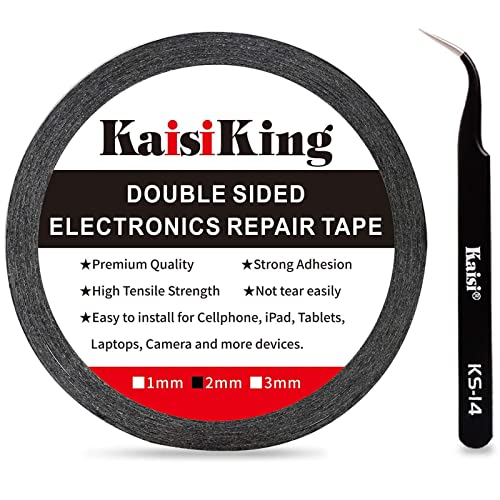
This 2mm Kaisiking double-sided tape hits the sweet spot for narrow seams and tight bezels. The roll lays down clean, with a thin acrylic adhesive that grips glass, PET, and metal. It is made for LCD and digitizer frames where a wide tape would press into sensors. Because it is so slim, I can snake it right along the frame without trimming.
On phones and tablets, I use it to tack screens, secure tiny brackets, and hold flex cables in place. The bond is firm yet not goopy, which saves rework time. It tolerates light heat cycles during curing and reflow-adjacent work. The included tweezers are basic, but they help with precise placement on small edges.
Pros:
- 2mm width is ideal for slim bezels and tight channels
- Thin acrylic adhesive lays flat and resists squeeze-out
- Clean removal with less residue during rework
- Good tack on glass, PET films, and metal frames
- Comes with tweezers for easy handling
Cons:
- Not for high-temperature masking or solder work
- Single width only; no 3mm option in this listing
- Not an ESD-safe product for handling live boards
My Recommendation
If you assemble screens or replace digitizers, this is a smart bench staple. The narrow width helps avoid compression over sensors and front cameras. It is the kind of tape I grab when a 3mm strip is just a touch too wide. It plays well with most frames and glass, which keeps installs neat and fast.
For anyone hunting the best adhesive tapes for electronics manufacturing, this Kaisiking roll checks many boxes: thin build, clean release, and a practical width for consumer devices. It is best for repair shops, DIYers, and light manufacturing cells that do phones and tablets. Stock a couple of rolls so you do not need to trim wider tape each time.
| Best for | Why |
|---|---|
| Narrow smartphone bezels | 2mm fits tight edges without trimming |
| LCD/digitizer frames | Thin acrylic adhesive grips glass and PET |
| Quick bench repairs | Clean removal saves time on rework |
Kaisiking 2/3mm LCD Repair Tape, 50M + Tweezers

This dual-width set covers two of the most-used sizes: 2mm and 3mm. I keep both on my bench because frame channels vary by model. The adhesive is the same dependable, thin acrylic style you see in high-volume repair rooms. It bonds without bulk, so screens seat flush and stay aligned.
The 50-meter length per roll goes a long way. That helps if you run a small shop or build rigs where consistency matters. I also like the control the tweezers give on curved corners. For many mixed-device workflows, this combo is the better buy than a single-width roll.
Pros:
- Two essential widths: 2mm and 3mm for broader fit
- Long 50M rolls reduce changeovers and cost per use
- Thin, even adhesive for clean, low-profile bonds
- Good adhesion to glass, plastics, and metals
- Handy tweezers simplify taping small parts
Cons:
- Not rated for very high heat or solder masking
- No wider sizes for chassis pads or larger bezels
- Adhesion can drop on oily or dusty surfaces (prep well)
My Recommendation
Pick this set if you need flexibility without overbuying. The 2/3mm pairing solves most frame and cable holds in phone and tablet work. It is a solid entry if you want the best adhesive tapes for electronics manufacturing on a budget. You can cover narrow seams and give a little extra bite where 2mm feels too thin.
I suggest this combo for repair technicians, prototyping labs, and small EMS teams doing light assembly. It balances cost, coverage, and control. Add an ESD-safe tape for board work, and you have a complete taping kit for everyday jobs.
| Best for | Why |
|---|---|
| Mixed device repairs | Two widths cover more frame channels |
| Long-run tasks | 50M length offers great value per job |
| Prototyping | Thin tape holds parts without adding height |
PATIKIL 1-inch Grid ESD Tape, 39 Yds

ESD-safe tape is a must when you handle boards and sensitive ICs. This 1-inch PATIKIL conductive grid tape offers a visible anti-static pattern and a conductive adhesive. I use wider ESD tape for sealing trays, fixing ESD bags, and tacking foam or pads to carts or benches. It helps bleed off charge and reduce risk during handling.
The 2.36 mil thickness strikes a nice balance. Thin enough to conform. Strong enough to hold. The acrylic adhesive bonds to common surfaces like PET and coated board edges. For shops that follow ESD control programs, this tape supports safer workflows without slowing you down.
Pros:
- Conductive grid with ESD-safe adhesive
- 1-inch width covers labels, bags, and tray seals
- Good clarity of pattern for quick visual checks
- Conforms well while staying tear-resistant
- Useful on carts, bins, and bench surfaces
Cons:
- Too wide for small component hold-downs
- Not a thermal mask; avoid direct solder heat
- Needs proper grounding in your ESD program
My Recommendation
If you run any board-level work, add this roll to your kit. It complements thin double-sided tape by managing static during build and move steps. In my lines, ESD tape helps cut rework caused by random zaps. That keeps quality high and repairs predictable.
For teams comparing the best adhesive tapes for electronics manufacturing, you need at least one ESD-safe option. Use this wide PATIKIL tape for packaging, staging, and larger hold-downs on ESD-safe surfaces. Pair it with a narrow ESD roll for small parts if you do a lot of fine work.
| Best for | Why |
|---|---|
| ESD bag and tray sealing | 1-inch width and conductive adhesive |
| Bench and cart use | Visible grid aids compliance checks |
| Safe board handling | Helps bleed charge during movement |
PATIKIL 1/4-inch Grid ESD Tape, 39 Yds

This 1/4-inch PATIKIL ESD tape is the precise cousin to the 1-inch roll. It uses the same conductive grid and ESD-safe adhesive but fits small surfaces. I use it to secure wires, short flexes, and labels on static-sensitive assemblies. The narrow width keeps tape exactly where I want it, without touching nearby parts.
It is also great for bundling small cable runs on test rigs. The acrylic adhesive sticks well, yet I can peel it off when I need to change a setup. The 39-yard length lasts a while even with daily use. If you work near open PCBs, this is a smart, safe choice.
Pros:
- Narrow 1/4-inch width for tight board areas
- Conductive grid helps drain static
- Adheres to plastics and coated metals
- Clean removal for rework and test changes
- Complements wider ESD tapes for full coverage
Cons:
- Not suited for high-heat zones
- Too narrow for bag sealing or labels
- Conductivity depends on proper ESD ground paths
My Recommendation
Choose this tape if you need ESD safety on small parts. It gives you control where wide tapes would overlap components. In my experience, adding narrow ESD tape reduces stray contact and keeps assemblies clean. It is a simple upgrade to your ESD toolkit.
When people ask for the best adhesive tapes for electronics manufacturing, I tell them to pair sizes. This 1/4-inch PATIKIL tape handles close work, while a 1-inch roll covers bags and trays. Buy both if you manage boards and flex circuits on a daily basis.
| Best for | Why |
|---|---|
| Board-level ESD tasks | Narrow width avoids component overlap |
| Wire and flex routing | Clean hold without bulk |
| Test setups | Easy to remove and reposition |
XUMAKI 2/3mm LCD Repair Tape, 50M + Tweezers

The XUMAKI 2mm and 3mm combo rivals other thin acrylic options for screen assembly. The adhesive coat is even, which helps prevent lumps under glass. I use it for front panel work, bezel trims, and cable anchoring in phones and small tablets. The 50-meter length per roll keeps jobs moving without surprise runouts.
Application is smooth with minimal stringing. If you prep the frame with isopropyl and a lint-free wipe, the bond is strong and steady. The tweezers give you decent control on curves and around sensor areas. It is a reliable choice when you want a straightforward, no-drama bond.
Pros:
- Two widths solve most smartphone and tablet needs
- Thin, uniform adhesive coat for flat seating
- Good value with 50M per roll
- Low residue during rework
- Easy laydown and handling with included tweezers
Cons:
- Not meant for high-heat masking or soldering
- No very narrow (1mm) option in this combo
- Surface prep is key to avoid lift in corners
My Recommendation
Pick XUMAKI if you want a dependable, budget-friendly pair of widths for screens and trims. It works well for daily repairs and mid-volume builds. For anyone building a kit of the best adhesive tapes for electronics manufacturing, this set fills a core need: thin, strong, and easy to use.
I suggest it for repair pros, student labs, and small OEM prototype benches. It gives you confidence on fit and finish without adding height. Add an ESD tape and a heat mask tape, and you will cover most tasks you meet in a modern electronics workspace.
| Best for | Why |
|---|---|
| Front panel installs | Thin adhesive for flush glass seating |
| Bezel and trim bonding | 2/3mm widths suit common channels |
| Routine repairs | Long rolls and low residue |
5 Best Body Adhesive Tape: Top Picks, Uses & Tips 2026
How to Choose the Right Tape for Electronics Work
Great tape saves time, parts, and labor. The wrong tape costs all three. Here is how I pick tape that works on my bench and on the line.
Start with the job type. Screen and trim bonding calls for thin double-sided acrylic tape. Cable and foam pads may want a little more thickness. Board handling needs ESD-safe tape. Solder masking or heat shielding calls for polyimide (Kapton) tape.
Check temperature and environment. Thin acrylic double-sided tape suits most phone and tablet installs. It can handle warm curing and daily heat swings. For higher temps near solder or hot spots, switch to polyimide with silicone adhesive. For outdoor or rugged gear, consider stronger acrylics or structural tapes designed for harsh use.
Mind your surface energy. Glass and metals bond fast. Certain plastics need a primer or a more aggressive adhesive. Always clean with isopropyl alcohol. Let it flash off. Dust and oil kill bonds more than anything else.
Size matters. Buy narrow widths for frames and flex cables. Use wider rolls for pads, covers, and packaging. Stock 2mm and 3mm for common phones. Keep 1/4-inch and 1-inch ESD tape to support safe board moves.
Think about rework. In fast shops, you will redo a job now and then. Choose tapes that pull clean without much residue. It saves sensors, keeps foam intact, and cuts cleanup time.
Follow ESD controls where needed. Use ESD-safe tapes on and around live boards. Make sure your benches, mats, and wrist straps meet your program’s rules. Tape works best inside a full system that includes ground paths, monitoring, and training.
Finally, test on scrap parts. I always try a new tape on a broken frame or spare glass. It takes minutes and can prevent a bad bond on a real device. Simple tests pay off in real jobs.
My Test Notes and Tips for 2026 Shops
I judge electronics tape by a few simple checks. First, liner peel and laydown. It should release clean and track straight. Second, initial tack. I press with a roller and see if the bond grabs fast without sliding. Third, cure and heat. I warm the part gently to see if edges lift.
Then I do a pull test. I look for even resistance and minimal residue. If it leaves strings or chunks, I move on. For ESD tape, I confirm continuity to ground on a mat and check the grid pattern visibility. It is quick, but it tells me a lot.
In 2026, devices are thinner and seals are tighter. That makes thin acrylic tapes with even coats more valuable. ESD compliance is also a bigger deal as nodes shrink. Keep both in mind when you decide what to stock. The best adhesive tapes for electronics manufacturing still follow the same rules: fit, stick, survive, and release clean when needed.
Frequently Seen Mistakes (And Easy Fixes)
Over-taping is common. Many techs use 5mm where 2mm would do. That causes squeeze-out and misalignment. Pick the right width and do a dry fit first. Another mistake is skipping surface prep. A 10-second wipe with alcohol makes a huge difference.
Do not use non-ESD tape on open boards. It is a silent risk that shows up as random fails. Also avoid pulling liner with dirty gloves. Oils end up in the bond line. Keep gloves clean or use tweezers for the liner.
Finally, do not rush the first minute. After laydown, hold pressure and give the bond a moment to set. A small roller helps. That one step boosts strength and keeps corners from lifting.
Cost and Value: Where to Spend
For phones and tablets, thin acrylic double-sided tape brings the best return. You spend a little for a stable bond that saves call-backs. For ESD control, tape is cheap insurance. One failed board costs far more than a roll of ESD tape.
Buy staple widths in pairs. Keep backups so you never stop work mid-job. Longer rolls tend to lower cost per meter and cut downtime. In my kits, I keep 2mm, 3mm, 1/4-inch ESD, and 1-inch ESD on hand at all times.
If you work near heat, add polyimide tape as a shield. It protects parts during hot air work and keeps nearby foam safe. It is not in the product list here, but it belongs in your drawer.
Quality Checks Before You Commit
Do a small peel test on every new batch. You want steady peel force, not sudden jumps. Check for uniform adhesive. Thin spots cause weak corners. Thick spots add height and interfere with fit.
Look at liner quality. A good liner peels without tearing or stretching. If you fight the liner, you lose precision. Also check storage. Keep rolls in a dry, cool place, in sealed bags. Heat and dust age adhesive faster than you think.
Record what works. In my shop notes, I track tape types per device model. That way, I can repeat success and cut guesswork. Over time, you build a playbook that makes each job faster and safer.
Compliance and Safety Pointers
If you run an ESD program, match tape choices to your audits. Use ESD tape where boards are open. Confirm ground paths on mats and carts. Keep an eye on humidity and footwear. Tape is one piece of the chain.
For adhesives, avoid skin contact. Use gloves. Ventilate well if you heat parts during cure. If you cut strips, use a safe cutter and keep blades sharp for clean edges.
For long-term assemblies, check your device requirements. Some plastics and rubbers migrate. If in doubt, test for outgassing or residue. A fast bench test protects the final build.
FAQs Of best adhesive tapes for electronics manufacturing
What tape should I use for LCD and digitizer bonding?
Use thin acrylic double-sided tape in 2mm or 3mm widths. It seats glass flush and holds frames secure.
Do I need ESD-safe tape for board work?
Yes. Use ESD-safe conductive grid tape on and around open PCBs to reduce static risk.
How do I get a stronger bond on plastic?
Clean with isopropyl alcohol. Apply firm pressure with a roller. If needed, use a primer made for low-energy plastics.
Will these tapes handle soldering heat?
No. For high heat or solder masking, pick polyimide (Kapton) tape with a heat-rated adhesive.
How can I avoid residue during rework?
Choose thin, quality acrylic tapes. Clean the surface first. Warm gently before lifting to reduce residue.
Final Verdict: Which Should You Buy?
For screen and trim work, pick Kaisiking 2/3mm or XUMAKI 2/3mm. They give thin bonds, clean seats, and long rolls for value.
For board safety, get PATIKIL ESD tape in 1-inch and 1/4-inch. Together, they round out the best adhesive tapes for electronics manufacturing across repair and light assembly.