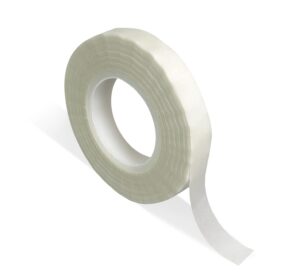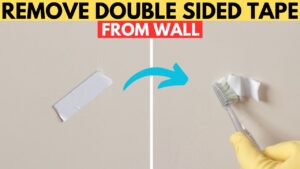
Yes, standard adhesive tape can stick to fabric, but it usually creates a weak bond that fails quickly when the material bends, stretches, or gets damp. Household tapes peel away because textiles are made of flexible, textured yarns rather than smooth surfaces. Whether adhesive tape sticks to fabric depends on the glue formulation, the weave of the textile, and how much movement the joined area must handle during regular use.
How Tape Adheres to Textile Fibers
Adhesive tape sticks to fabric by flowing into the microscopic gaps between individual yarn strands, but that bond behaves very differently from tape applied to solid plastic, glass, or finished wood. On rigid materials, adhesive makes continuous contact across the surface. When you press tape onto a textile, the adhesive only touches the highest peaks of the woven threads. Because the actual contact area is tiny, ordinary household tape pulls free with minimal effort.
Different fabric constructions dramatically change this surface grip. Tight, flat weaves allow for broader adhesive contact, while loose knits and high-pile goods pull the glue away before it sets.
Which Tapes Hold Best on Different Materials
Choice depends on whether you need a temporary fix or a permanent seam. General-purpose office tapes and standard paper masking tapes fail almost immediately on textiles. In contrast, heavy cloth-backed tapes, natural rubber blends, and dedicated fusible webs create functional bonds by using thicker adhesive masses that sink past the surface lint.
9 Best Adhesive Tape: Tested & Ranked for Every DIY Project and Repair
| Tape Type | Adhesive Base | Bond Duration on Fabric | Best Textile Matches | Removal Behavior |
|---|---|---|---|---|
| Fusible Hemming Web | Polyamide or Copolyester | Permanent | Medium-weight cotton, linen, polyester blends | Non-removable once heat-set |
| Gaffer Tape | Synthetic rubber | 1 to 5 days | Heavy canvas, stage costumes, denim | Pulls away clean without gummy residue |
| Duct Tape | Natural rubber blend | 12 to 48 hours | Coarse outdoor canvas, rough tarps | Leaves sticky residue; damages fine knits |
| Fashion / Body Tape | Hypoallergenic acrylic | 6 to 12 hours | Silk, satin, cotton, rayon | Peels away cleanly with gentle tension |
| Medical Cloth Tape | Zinc oxide rubber or acrylic | 1 to 3 days | Knitted cottons, woven bandages | Minimal residue; pulls away delicate fuzz |
| Painter’s Tape | Acrylic | Less than 2 hours | Smooth poplin, dense twill | Falls off with light garment movement |
Fusible hemming webs provide the only truly permanent hold on clothing because they don’t rely on standard pressure-sensitive adhesives. Heavy-duty gaffer tape serves as the most dependable temporary option for stage clothing, drapery, and thick utility garments.
How to Apply Tape to Fabric for Maximum Hold
Applying tape to cloth requires specific surface preparation and firm pressure to force the adhesive compound deep into the weave. Skipping surface prep drastically reduces the holding power of even the most aggressive construction adhesives.
- Clean and dry the targeted fabric. Wash the item without liquid fabric softener or dryer sheets, which deposit slick silicone oils onto individual threads. If you’re working on an item that can’t be washed, brush the repair area thoroughly with a clean, dry lint brush to lift loose dust and dead yarn fragments.
- Smooth the surface over a hard backing. Lay the fabric perfectly flat over an unyielding workstation, such as a smooth wooden tabletop or a flat plastic cutting board. Never apply tape while a garment is resting over cushions, a mattress, or an uneven lap, because soft backing prevents you from exerting sufficient downward force.
- Cut the tape with clean scissors. Avoid tearing the tape by hand across the grain. Tearing stretches the edges of plastic film and frays the backing yarns of cloth tapes, which creates lifted corners that snag against surrounding objects and trigger premature peeling.
- Round all sharp corners. Clip the four sharp right angles off each strip of tape using scissors to create smooth, curved ends. Round profiles eliminate pointed edges, which are the primary failure points where moving fabric creates high peeling stress.
- Position the strip without stretching. Lay the tape down without pulling it taut along its length. If you stretch an adhesive strip during application, the elastic carrier backing will constantly fight to snap back to its original length, causing the tape to buckle and pull away from the cloth within minutes.
- Press down firmly with continuous friction. Rub the back of the tape vigorously using the smooth side of a plastic card, a bone folder, or the heel of your thumb for at least thirty seconds. Pressure-sensitive adhesives need mechanical force to flow around the yarns, and the slight friction heat helps the adhesive mass soften and grip individual fibers.
Tip: If the textile has a raised weave, rub the tape firmly in both directions along the grain to press the adhesive into the recessed channels between threads.
What Causes Tape to Fail on Textiles?
Tape failure on textiles happens because fabrics are structurally active surfaces that fight against stationary adhesives. Understanding these mechanical and chemical friction points helps you select the right method before ruining a garment with the wrong adhesive strip.
Why does my tape peel off as soon as I move?
Textiles stretch, drape, and twist in three dimensions whenever a person walks, sits, or reaches. Plastic tape films can’t stretch at the same rate as fabric. When the fabric under the tape elongates, the adhesive experiences massive shear stress right at the boundary lines.
Why won’t tape stick to my fleece or wool?
High-pile textiles present millions of tiny, flexible fiber tips rather than a continuous flat plane. When you press adhesive against fleece, velvet, or brushed wool, the glue grabs only the loose outer ends of these hair-like structures. Under lateral tension, these fibers pull completely out of the yarn twist. The tape releases instantly because the fibers themselves lack structural anchorage, leaving the adhesive surface clogged with useless fuzz that prevents any reapplication.
Why does water ruin the adhesive bond immediately?
Water disrupts adhesive bonds via capillary wicking and surface tension changes. Fabrics are porous networks that pull moisture along individual yarns via capillary action. As sweat, rain, or laundry water moves through the cloth, it migrates underneath the tape line.
Is It Safe to Use Tape on Delicate Fabrics?
Applying adhesive tape to delicate, sheer, or antique textiles carries a high risk of permanent damage through yarn displacement and chemical staining. Sheer materials such as silk chiffon, organza, satin, and loose open knits are held together by light thread friction rather than heavy chemical bonding. When you rip a pressure-sensitive adhesive strip off a silk or rayon weave, the glue often holds onto the yarns tighter than the yarns hold onto each other.
Old and delicate natural fibers are also vulnerable to chemical degradation caused by low-grade rubber adhesives. Many industrial adhesives emit acidic compounds as they break down over time.
If you must temporarily hold an expensive or fragile garment in place, bypass duct tape, packing tape, and heavy utility products entirely. Instead, use medical-grade silicone skin tapes or specialty fashion strips built with light acrylic adhesives.
Temporary Solutions vs. Permanent Alternatives
Adhesive tape is fundamentally an emergency tool for textiles, not a replacement for proper garment construction. Deciding whether to use a quick strip of tape or a permanent sewing repair comes down to how long you need the repair to hold, whether the piece must be laundered, and how much mechanical stress the seam must bear.
Use Adhesive Tape When
Tape excels at rapid, short-term adjustments that only need to last for a single day or an evening event. It serves as an ideal quick fix when a pant hem drops unexpectedly right before a business meeting, when stage curtains require light dressing adjustments, or when clothing must be temporarily secured against skin gaps during photography sessions. Tape is also useful for holding tricky appliques, zippers, or patches perfectly still while you guide them under a sewing machine needle.
Use Sewing or Liquid Glues When
Permanent alterations, load-bearing repairs, and any garments destined for hot-water washing machines demand needle and thread or flexible polymer glues. Standard pressure-sensitive tapes disintegrate during laundry cycles, gumming up washing machine pumps with gooey adhesive lumps and leaving stubborn stains on surrounding garments.
For high-stress points like ripped pant seats, coat armpits, or backpack straps, sewing remains the only truly structural repair method.
Cleaning Tape Residue Left on Clothing
Removing a strip of tape often leaves behind a sticky, discolored patch of adhesive residue, particularly if the tape remained on the garment for several days or was exposed to direct sunlight. Removing this gunk requires targeted household solvents that break down sticky polymers without stripping the underlying fabric dyes.
Tip: Never press an iron onto tape residue or toss a stained shirt into a hot clothes dryer, as excessive heat bakes the adhesive resins permanently into the core yarns.
Begin by testing your chosen solvent on a hidden interior seam allowance to ensure the liquid won’t bleed the textile dyes or dissolve synthetic filaments. For common cottons, denims, and sturdy polyester blends, apply a few drops of vegetable oil, mineral oil, or high-proof isopropyl alcohol directly to the sticky patch. Let the solvent sit undisturbed for five to ten minutes to penetrate and soften the hardened rubber base.
Once the adhesive mass softens, use the dull edge of a butter knife or the side of an old plastic card to scrape the gummy paste away from the weave, working strictly in the direction of the yarn grain. After lifting the bulk adhesive, rub a concentrated drop of grease-cutting liquid dish soap directly into the fabric to break down the remaining oils.
Frequently Asked Questions
Can double-sided tape hold up a dropped hem permanently?
No, standard double-sided tape can’t hold a dropped hem permanently. It works as an emergency hold for an evening, but body heat and walking friction quickly loosen the adhesive. The tape will completely detach and leave gummy residues during the first cycle through a washing machine.
Will duct tape ruin my clothes if left on too long?
Yes, duct tape will permanently ruin delicate clothing if left attached for more than a couple of days. Its thick, soft rubber adhesive penetrates deep between yarn strands and cures into a hardened, gummy film that discolors fabric and resists normal laundry detergents and standard stain removers.
Can I wash clothes with hemming tape on them?
Yes, you can wash clothing joined with heat-activated fusible hemming tape. These polymer webs melt deep around the textile fibers under a hot iron and harden into a water-resistant bond. They routinely withstand standard washing machines and tumble dryers set to low or medium heat.
Does electrical tape work as a temporary fabric patch?
Electrical tape works poorly as a fabric patch because its smooth vinyl backing lacks breathability and stretches too easily. While the aggressive rubber adhesive might stick initially to flat synthetic weaves, normal fabric movement quickly pulls the edges loose, leaving behind a sticky, black residue.
How do I remove fashion tape residue from silk?
To lift fashion tape residue from silk safely, avoid oily solvents or rubbing alcohol that leave water rings. Lay the garment flat, place a clean piece of cotton cloth over the spot, and gently rub an ice cube over the area to freeze and stiffen the remaining glue.
Can masking tape be used to mark cut lines on fabric?
Yes, standard paper masking tape works well for marking cut lines and stabilizing hems on woven fabrics. It provides a crisp edge for scissors and peels away easily without pulling threads, provided you remove the tape as soon as you finish cutting your pattern pieces.
Next Steps for Garment Alterations
Keep a roll of pressure-sensitive fabric tape in your travel kit for fast emergency repairs when you’re away from home, but plan to replace those quick fixes with permanent needle-and-thread stitches before washing the garment. Inspecting the weave density and fiber content of your clothing beforehand helps you choose the right adhesive for the job, protecting your wardrobe from torn threads and stubborn chemical residues.