Yes, double-sided tape can stick to wood, especially smooth, finished, or sealed surfaces. Its strong adhesive bonds well with clean, dry wood, making it ideal for mounting lightweight objects or crafting projects. For rough or porous wood, a tape with stronger adhesive or surface preparation may be needed to ensure a secure hold
Yes, double-sided tape can stick to wood, but prep, tape type, and finish matter.
Wood is not all the same. Some tape bonds on the first try. Some fails fast. In this guide, I share what works, what fails, and how to make a clean, strong bond. If you have asked, Can double-sided tape stick to wood?, you will leave with a clear answer and a plan that works in real life.
How Does Double-Sided Tape Work? – A Beginner’s Guide to Sticky Solutions
How double-sided tape bonds to wood
Pressure-sensitive tape grabs when you press it in place. The adhesive flows into tiny surface pits and holds with tack. On wood, that bond depends on surface energy, roughness, and finish type. Acrylic adhesives handle wood best, because they wet out and cure in place over time.
Unfinished wood is porous. It can drink in adhesive and lower bond strength. Sealed or finished wood is smoother, but some coatings are slick. Oil-based varnish and wax can fight adhesion. That is why so many people ask, Can double-sided tape stick to wood?, and get mixed results.
Rubber adhesives give high initial tack but age faster. Acrylics gain strength over 24 to 72 hours and last longer. Silicone handles heat and very low surface energy, but it is rare for indoor wood tasks. Good pressure, clean surfaces, and time are the magic trio here.

The best types of double-sided tape for wood
Not all tape is equal. Pick by weight, finish, and where you will use it.
- Acrylic foam mounting tape: Great for finished wood and uneven grain. It fills gaps, takes load in shear, and resists heat and UV.
- Cloth or fiber-reinforced tape: Strong and flexible. Good for indoor jigs, carpet, and trim holds.
- Heavy-duty mounting tape strips: Easy to use for small hooks, signs, and frames. Check the weight per strip.
- Transparent gel or nano tape: High tack on smooth, sealed wood. Reusable, but can leave marks on soft finishes.
- Thin acrylic transfer tape: Best when you need an ultra-thin bond between flat, sealed wood and a panel.
If you ever wondered, Can double-sided tape stick to wood?, the answer is yes when you match tape type to the surface. Pick acrylic foam for long-term holds. Use cloth or carpet tape for quick jobs. For outdoor wood, use UV and weather-rated acrylics only.
Key factors that decide if it will stick
Several details make or break the bond. Keep these in mind before you peel the liner.
- Wood state: Unfinished wood is dusty and porous. Finished wood is smoother but may be oily or waxed.
- Finish type: Polyurethane and lacquer bond well when clean. Oil, wax, or silicone polishes block adhesion.
- Surface texture: Slight micro-roughness helps. Heavy grain or saw marks can reduce contact area.
- Temperature: Most tapes like 68 to 100°F. Cold wood feels dry and hard; adhesion drops fast.
- Humidity and moisture: Damp wood outgasses and weakens tack. Let wood reach room conditions.
- Load type: Shear loads are best. Peel and cleave loads are worst. Overhangs and torque need more area.
- Dwell time: Acrylics build strength over 1 to 3 days. Do not stress the joint too soon.
So, Can double-sided tape stick to wood? Yes, when you control finish, temperature, and load direction.
Surface prep and application steps for a strong hold
I have hung frames, LED channels, and cable raceways on wood with tape. Prep and pressure decide the win. Here is the simple process I trust.
- Clean the wood: Wipe with a dry, lint-free cloth to remove dust. Then use isopropyl alcohol and let it dry.
- Knock down fibers: For raw wood, a quick 220-grit pass helps. Vacuum and wipe again.
- Seal if needed: On very porous wood, use a thin sanding sealer or a light shellac coat. Let it cure.
- Warm the materials: Work near room temp. Cold tape does not flow well.
- Apply tape strips: Cover enough area for the weight. Keep strips near edges to fight peel.
- Press with force: Use a roller or firm hand pressure for 30 to 60 seconds. Aim for full contact.
- Wait for strength: Support the item and let it rest for 24 to 72 hours before full load.
Follow this, and the answer to Can double-sided tape stick to wood? turns from maybe to yes, even for tricky finishes.
How much weight can it hold on wood?
Load ratings vary by tape and wood. Always test on a small area first. Here are field-tested ranges I use as a starting point.
- Thin acrylic mounting tapes: About 0.5 to 1 pound per square inch in shear on sealed wood.
- Foam acrylic tapes: Often 1 to 4 pounds per square inch in shear on smooth, sealed wood.
- Cloth or carpet tapes: Great tack, but long-term creep can happen. Use for light, temporary holds.
- Gel or nano tapes: Strong tack on flat sealed wood. Plan for 0.5 to 1.5 pounds per square inch, and expect more residue risk.
Real-life examples from my shop and sets:
- Picture frames and plaques: Use acrylic foam strips along the top and bottom rails. Keep the load in shear.
- Cable clips and channels: Thin acrylic tape works well on finished trim.
- Under-desk power strips: Foam acrylic or gel tape holds if you press hard and support for a day.
- Rugs on hardwood: Use wood-safe carpet tape on the rug only, not on the finish.
If you test and scale area, Can double-sided tape stick to wood? Yes, even for medium loads in the right setup.
Removing tape from wood without damage
Removal is part of smart planning. You want clean wood and a safe finish after.
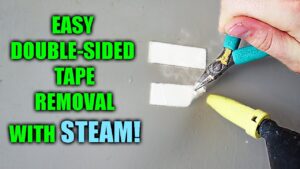
- Soften the bond: Warm the tape with a hair dryer on low. Heat makes most adhesives more flexible.
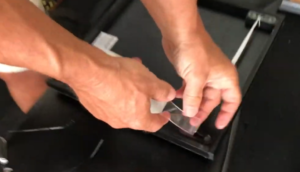
- Work the edge: Slide dental floss behind the part with a gentle sawing motion. Keep the angle low.
- Roll the residue: Use a finger to roll off softened glue. Add a little citrus cleaner if needed.
- Clean the surface: Wipe with a soft cloth and mild soap. For stubborn spots on sealed wood, try mineral spirits, then re-wipe.
- Protect soft finishes: Test all solvents on a hidden area. Avoid harsh scrapers on soft varnish.
Can double-sided tape stick to wood and still come off clean? Yes, if you use heat, patience, and the right cleaner.
Common mistakes to avoid
These are the pitfalls I see most often, and how to dodge them.
- Sticking to dusty, raw wood: Seal or at least sand and clean before taping.
- Using the wrong tape: Rubber tape on oily finishes lifts fast. Use acrylic on sealed wood.
- Not enough pressure: Poor wet-out leads to weak bonds. Roll the tape with real force.
- Loading in peel: A downward pull at an edge will fail. Switch the design to shear.
- Rushing the cure: Full strength often needs a day or two. Support the item while it sets.
Ask yourself, Can double-sided tape stick to wood in this spot? If the load peels, the answer is no. If it is in shear and well-prepped, the answer is yes.
Is Double-Sided Tape Waterproof – Pros, Cons & Best Applications
Frequently Asked Questions of 23. Can double-sided tape stick to wood?
Can double-sided tape stick to wood if the wood is unfinished?
Yes, but the bond is weaker because raw wood is porous and dusty. Light sanding, cleaning, and a thin sealer boost adhesion a lot.
Will tape damage my wood finish when I remove it?
It can if the finish is soft or waxed. Warm the tape, go slow, and test a small area first to reduce risk.
Which tape works best on stained and sealed wood?
Acrylic foam mounting tape is a strong choice on stained, sealed wood. It fills minor gaps and builds strength over 24 to 72 hours.
Can double-sided tape stick to wood outdoors?
Yes with a weather-rated acrylic tape on sealed wood. Avoid rubber-based tapes outside; heat and UV break them down.
How much pressure should I use when applying tape?
Firm, even pressure is key. Use a roller or your palm for 30 to 60 seconds to ensure full contact.
Can double-sided tape stick to wood shelves holding small items?
It can for light items if loads are in shear and area is enough. For anything heavy or valuable, use screws or brackets instead.
What if the tape does not stick to my wood at all?
Check for wax, oil, or polish and clean with alcohol. If it is still slick, lightly scuff the surface or apply a compatible primer.
Conclusion
Can double-sided tape stick to wood? Yes, when you choose the right tape, clean the surface, apply firm pressure, and let it cure. Control finish, temperature, and load direction, and even small contact areas can hold more than you think.
Start with a quick test, scale the tape area to your load, and give it time to set. Then enjoy a clean, fast, and tool-free bond. Try one of the methods today, and share your results or questions in the comments.