Can I Use Painters Tape for Laminate Flooring?
Yes, you can use painter’s tape on laminate flooring, but it should be done carefully. Choose a low-adhesive or delicate-surface painter’s tape to avoid leaving residue or damaging the floor’s finish. Apply the tape gently and avoid leaving it on for more than a few hours or overnight. Always test a small, inconspicuous area first to ensure it won’t peel or mark the laminate. Painter’s tape is useful for temporary marking, protecting edges during painting, or securing rugs while working.
The Best Painter’s Tape for Laminate Flooring
When working with laminate, the “standard” tan masking tape is your enemy—the adhesive is too aggressive. To protect your floors without stripping the finish, you need a low-tack, delicate surface tape.
Top Recommendations for Laminate Surfaces
Best Overall Best for Long Projects Best Budget Value ScotchBlue Delicate Surface FrogTape Yellow Sensitive Lichamp Delicate Masking 60-day clean removal; won’t pull up finish. PaintBlock technology prevents bleeds. Reliable low-tack for large areas. Our Top Pick: ScotchBlue Delicate Surface Painter’s Tape
If you are wondering, “Can I use painter’s tape for laminate flooring?” this is the specific roll you want. Unlike the standard blue tape, this “Delicate Surface” version is engineered with a lower adhesion level specifically for floors and wood finishes.
- Why it works: It features a 60-day clean removal guarantee, meaning you don’t have to rush the job.
- Pro Tip: Even with delicate tape, always pull the tape back at a $45^\circ$ angle to the floor to ensure the cleanest release.
Are you planning a laminate flooring project and wondering if painter’s tape is the right choice for the job? You might think it’s a simple tool, but using the wrong tape can cause damage or leave sticky residue on your beautiful floors.
What if you could protect your laminate while making your installation or painting work easier and cleaner? You’ll discover whether painter’s tape is safe for laminate flooring, which types work best, and smart tips to avoid costly mistakes. Keep reading to make sure your floors stay flawless every step of the way!
Painter’s Tape Types
Choosing the right painter’s tape matters for laminate flooring projects. Different tapes serve different purposes. Some tapes stick firmly but may harm delicate surfaces. Others protect floors without leaving residue or damage. Knowing tape types helps pick the best fit for your laminate floor.
Common Painter’s Tape Varieties
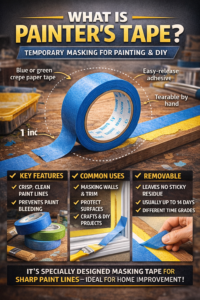
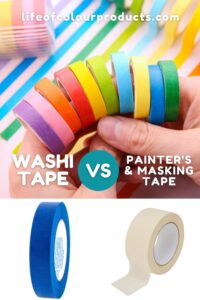
Standard painter’s tape is easy to find in stores. It comes in various widths and adhesive strengths. Blue painter’s tape is popular for walls and trim. It offers good adhesion and clean removal. However, it may stick too much on laminate floors. Green painter’s tape is gentler and better for delicate surfaces. Masking tape is cheaper but can leave sticky residue. Testing a small area first prevents surprises.
Specialized Floor Protection Tapes
Floor protection tapes are designed for delicate flooring types. These tapes use low-tack adhesives to avoid damage. They come in colors like blue or green and often have “no residue” labels. Some tapes are made to withstand foot traffic and moisture. They work well on laminate, hardwood, and vinyl floors. Using specialized floor tape ensures the finish stays intact. These tapes also remove cleanly without peeling off floor coatings.
Can I Use Painters Tape for Baseboards?– What Painters Recommend
Laminate Flooring Surface
Laminate flooring has a unique surface that affects how materials like painter’s tape interact with it. Understanding this surface helps decide if painter’s tape is a safe choice for your flooring project.
The surface of laminate flooring is designed to be durable and visually appealing. It often has a protective layer that resists scratches and moisture. This layer also affects how tape sticks and removes from the floor.
Laminate Finish Characteristics
Laminate floors usually have a sealed finish that prevents stains and damage. This finish is smooth and glossy or matte, depending on the product. The finish protects the core material but can be sensitive to adhesive tapes.
Strong adhesives may lift or damage the finish when removed. Painter’s tape is less sticky than duct tape but still may cause issues if left on too long. Choosing the right tape with gentle adhesive helps avoid damage.
Surface Texture Impact
Laminate flooring can have different textures, from smooth to embossed. Smooth surfaces allow tape to stick evenly but increase the risk of residue. Textured surfaces may reduce contact area, leading to weaker tape hold.
Surface texture also influences how easily tape peels off. On rough textures, tape can catch on edges and pull off the finish. Testing tape on a small hidden area is a smart way to check for any problems before full use.
Tape Compatibility With Laminate
Choosing the right tape for laminate flooring matters a lot. Some tapes stick too hard and damage the floor surface. Others peel off easily without leaving marks. Knowing which tapes work best protects your laminate and keeps it looking new. This section covers tape compatibility with laminate flooring to help you select safe options.
Safe Tape Options
Painters tape designed for delicate surfaces works well on laminate floors. These tapes have gentle adhesives that do not damage the floor finish. Blue painter’s tape and green Frog Tape are popular choices. They hold firmly but peel off cleanly without residue. Use these tapes for masking edges or protecting areas during painting or repairs.
Floor protection tape made specifically for laminate and vinyl floors is another safe option. This tape guards the floor while allowing easy removal. It prevents scratches or stains during construction or moving furniture. Always check that the tape label states it is safe for laminate.
Tapes To Avoid
Do not use duct tape or heavy-duty packaging tape on laminate flooring. Their strong adhesives can pull off the finish and leave sticky residue. Masking tape meant for rough surfaces also risks damage. Avoid tapes with aggressive glue as they may peel the laminate coating.
Avoid tapes that are hard to remove or leave behind residue. These create extra cleaning work and can harm your floor. Test any new tape on a small hidden spot first. Remove it after a few minutes to see if it lifts the finish or leaves marks.

Can I Use Painters Tape For Plastic?– Safe Tapes & Best Practices Explained
Potential Risks Using Painter’s Tape
Using painter’s tape on laminate flooring might seem like a good idea for protecting surfaces or marking areas. The tape’s adhesive is designed to peel off cleanly from walls and trim. But laminate floors have different materials and finishes that react differently to adhesives. Understanding the risks can help avoid costly damage and extra cleanup.
Adhesive Residue Issues
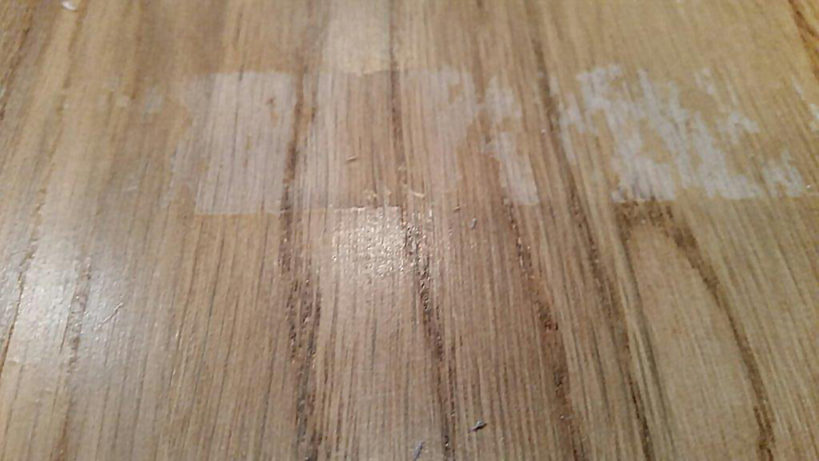
Painters tape adhesive can sometimes leave sticky residue on laminate floors. This residue attracts dirt and dust, making the floor look dirty. Removing the residue can be tricky and may require harsh cleaning products. These cleaners might harm the laminate’s finish over time. Also, residue buildup can cause uneven spots on the floor surface.
Surface Damage Possibilities
Laminate floors have a protective top layer that can peel or discolor from tape removal. Strong adhesive or leaving tape too long increases this risk. Pulling the tape off quickly can lift the laminate’s surface or cause scratches. Heat or sunlight can make the tape stick harder, raising the chance of damage. Always test tape on a small area before applying broadly.
Applying Tape Correctly
Applying tape correctly is essential for protecting your laminate flooring during painting or renovation. Using painter’s tape the right way prevents damage and ensures clean, sharp lines. Careful preparation and careful removal keep your floors safe and looking great.
Preparation Steps
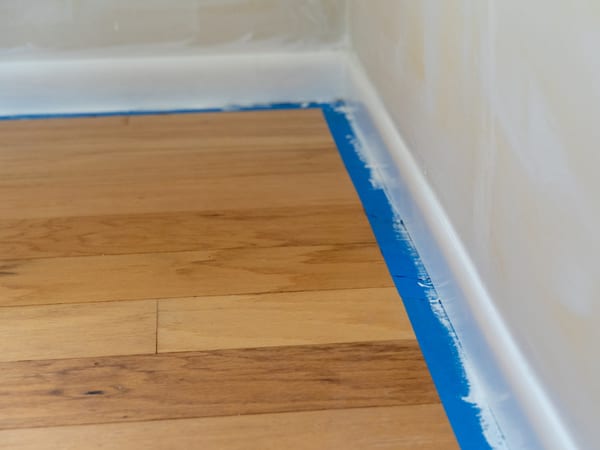
Start by cleaning the laminate surface thoroughly. Remove dust, dirt, and grease with a mild cleaner. Make sure the floor is dry before applying tape. Choose a painter’s tape designed for delicate surfaces to avoid residue. Apply the tape slowly, pressing firmly along edges and corners. Avoid stretching the tape, as it can lift the finish. Seal the edges well to prevent paint from bleeding under the tape.
Proper Tape Removal Techniques
Remove the tape as soon as the paint is dry to the touch. Pull the tape back slowly at a 45-degree angle. Avoid pulling the tape straight up to prevent lifting the floor finish. If the tape resists, warm it slightly with a hairdryer to soften the adhesive. Remove any leftover adhesive gently with a soft cloth and a mild cleaner. Do not use harsh chemicals or abrasive tools on laminate floors.
Can I Use Painters Tape for Glass?– Avoid Streaks, Residue & Paint Bleed
Alternative Floor Protection Methods
Protecting laminate flooring during painting or renovation is important. Painters tape alone may not always be the best option. Alternative floor protection methods offer safer and more effective results. These methods prevent damage like scratches, stains, or adhesive marks on your laminate floors. Below are two practical options you can consider for better floor care.
Using Masking Paper
Masking paper is a simple, affordable floor protection choice. It covers large areas quickly and blocks paint splatters. Lay the paper flat and tape down the edges using painter’s tape. The paper absorbs drips and prevents paint from reaching the floor. It is easy to remove without leaving residue. Masking paper also allows air circulation, reducing moisture buildup under the protection layer.
Specialized Floor Coverings
Specialized floor coverings are designed specifically for laminate and hardwood floors. These include plastic films, mats, and foam underlays. They protect against scratches, spills, and heavy foot traffic. These coverings are often non-slip and reusable. Many come with adhesive backing that won’t damage the floor finish. Using specialized coverings ensures safe, durable protection during any home project.
Expert Tips And Recommendations
Using painter’s tape on laminate flooring requires careful thought. The right approach protects your floor and ensures clean lines. Experts share tips to help you choose the best tape and apply it properly. These guidelines prevent damage and improve your project outcome.
Choosing The Right Tape Brand
Select a tape designed for delicate surfaces. Some brands offer low-tack options that peel off easily. Frog Tape and ScotchBlue are popular for laminate floors. Avoid cheap tapes that leave sticky residue. Test the tape on a small area first. This check helps confirm it won’t harm the floor finish.
Timing And Environmental Factors
Apply painter’s tape only on a clean, dry floor. Dust or moisture reduce tape adhesion and cause lifting. Remove the tape within 24 hours to avoid adhesive buildup. Work in a room with stable temperature and low humidity. Heat or dampness can weaken the tape’s stickiness or damage the floor surface.
Credit: patrickdaigleflooring.com
Frequently Asked Questions
What Tape Is Safe For Laminate Floors?
Use painter’s tape labeled safe for laminate floors, like Frog Tape or blue floor protection tape. Avoid duct tape.
What Should You Not Use On Laminate Floors?
Avoid using wax, polish, abrasive cleaners, and excessive water on laminate floors. These can cause damage and dull the surface. Use gentle, laminate-safe cleaners instead.
Can You Put Painters Tape On Vinyl Flooring?
Yes, you can use painter’s tape on vinyl flooring. Choose a high-quality tape and apply it only on clean, dry surfaces to avoid damage. Remove the tape carefully after painting to prevent residue or peeling. Avoid leaving tape on vinyl floors for extended periods.
Is It Safe To Put Painters Tape On Hardwood Floors?
Painter’s tape can damage hardwood floors by pulling off the finish. Use low-adhesion tape like Frog Tape and test a small area first. Avoid leaving tape on for long to protect the polyurethane finish.
Conclusion
Painters tape can work for laminate flooring, but choose carefully. Use tape made for delicate surfaces to avoid damage. Avoid strong adhesives that may peel the finish. Test a small area before applying widely. Proper tape protects your floor during painting or repairs.
Always remove tape slowly to prevent lifting. Protect your laminate with the right materials for best results. This simple step keeps floors safe and looking great.