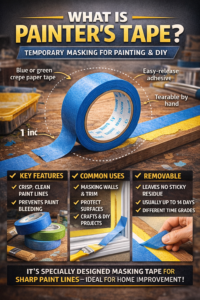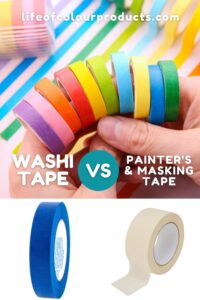
Can I Use Painters Tape For Plastic?
Yes, you can use painter’s tape on plastic, but adhesion may vary depending on the plastic surface. Smooth or glossy plastics often prevent painter’s tape from sticking firmly, which can lead to paint bleed or lifting. Cleaning the surface beforehand and pressing the tape down securely improves results, but for best performance on plastic, a tape designed for delicate or slick surfaces may work better.
The Solution: Best Painter’s Tape for Plastic Projects
Since plastic is incredibly smooth, standard masking tape often fails to create a tight seal. To get those crisp lines on PVC, outdoor furniture, or 3D prints, you need a high-adhesion tape designed for “hard-to-stick” surfaces.
Top Pick for Plastic Best for Fine Detail Best Budget Option FrogTape Multi-Surface Tamiya Masking Tape ScotchBlue Original Why: PaintBlock technology reacts with paint to seal the edge. Why: Best for models and small plastic parts. Why: Reliable for large, flat plastic sheets. Our Top Pick: FrogTape Multi-Surface with Paint Block
If you’re asking “Can I use painters tape for plastic?” the answer is only “yes” if the tape can prevent capillary action (paint creeping under the tape).
- The Secret Sauce: FrogTape contains a super-absorbent polymer that turns into a gel when it touches water-based paint, creating a literal microscopic dam.
Yes—use low‑tack painter’s tape on clean plastic, test first, and remove early.
If you’ve ever asked can i use painters tape for plastic, you’re in the right place. I’ve masked car bumpers, PVC trim, and clear acrylic without lifting paint or leaving gunk. In this guide, I break down what works, what fails, and the simple steps that make tape stick well to plastic and release clean.
Can I Use Painters Tape for Stainless Steel?– Safe Masking Tips Explained
What really happens when tape meets plastic
Plastic is slick, and many plastics have low surface energy. That means some adhesives struggle to grab. Add mold-release residue from manufacturing or silicone from cleaners, and even the best tape can fail.
Heat and sun also matter. UV can dry out adhesive. Heat can soften it and make it ooze. Both can leave residue if you wait too long to remove the tape.
If you came here wondering can i use painters tape for plastic, you can. But you must pick the right tape, prep the surface, and time removal. Do that, and you get crisp lines without damage.
Types of painter’s tape that work on plastic
There is no single “best” painter’s tape for all plastics. The bond you need depends on the plastic type, texture, and paint.
- Delicate-surface painter’s tape. Low-tack adhesive. Great for acrylic, polycarbonate, and freshly painted plastic. It reduces the chance of stress marks or pull.
- Multi-surface painter’s tape. Medium tack. Good for ABS, painted plastic, and many trims. Use when you need a firmer hold on light texture.
- UV-resistant, clean-removal tape. Holds up better outdoors and in sunlight. Choose this if you are masking plastic outdoors or near windows.
- Edge-seal or gel line tapes. They help stop paint bleed on slick plastic. Helpful with spray paint and thin coatings.
Adhesives differ too. Acrylic adhesives resist UV and stay stable on many plastics. Rubber adhesives grab fast but can leave residue if left long or heated. If you ask, can i use painters tape for plastic in the sun, pick a UV-rated, acrylic-based tape and plan for quick removal.
Can I Use Painters Tape For Trim?– – How to Get Clean, Sharp Edges
Match the tape to the plastic
Not all plastics behave the same. Use this quick guide before you decide can i use painters tape for plastic on your project.
- Polyethylene and polypropylene. Think storage bins and many tarps. Very low surface energy. Tape may lift. Use a higher-tack painter’s tape labeled for difficult surfaces, press edges well, and test first.
- PVC and vinyl. Can contain plasticizers that migrate into adhesive. Good short-term hold, but long dwell times can leave residue. Remove within 24 to 48 hours.
- Acrylic and polycarbonate. Clear and glossy. Prone to stress marks. Use delicate-surface tape. Do not burnish too hard. Remove as soon as the paint sets.
- ABS and painted plastics. Common on trims and appliances. Medium-tack painter’s tape often works well. Clean carefully before masking.
- Textured plastics. Tape grips peaks, not valleys. Use a slightly higher-tack tape, and press the edge with a plastic card to seal.
When you wonder can i use painters tape for plastic parts on cars, know that many bumpers are TPO or PP blends. Pick a tape made for automotive masking or a multi-surface tape with UV resistance, and do a small test on a hidden spot.
Prep and application checklist for clean lines
Surface prep is the make-or-break step. If you skip it, even the right tape can fail.
- Wash the plastic. Use mild dish soap and warm water. Rinse well and dry.
- Wipe with isopropyl alcohol. Use 70 to 90 percent. Avoid ammonia or silicone-based cleaners.
- De-dust and de-static. A clean microfiber or tack cloth helps. Static attracts dust to edges.
- Test a small strip. Stick, wait 15 minutes, and peel. Look for residue or lift.
- Apply in short runs. Shorter pieces resist edge lift on curves.
- Seal the edge. Press with a plastic card or clean fingernail. Do not stretch the tape.
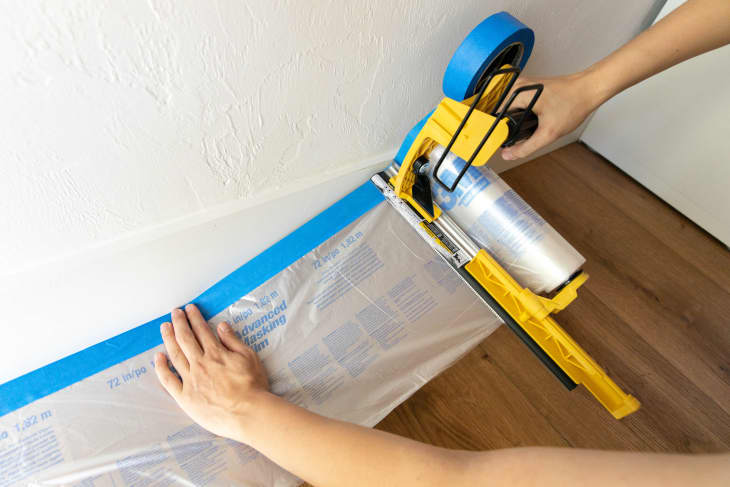
- Mask smart. Overlap pieces by about a quarter inch. Use masking film or paper to cover large areas.
If you still wonder can i use painters tape for plastic without paint bleed, edge sealing and thin, light coats of paint are your best friends.
Can I Use Painters Tape for Painting?– How to Get Professional Results
Removal best practices and residue fixes
Clean removal is about timing and angle. Do not rip tape off like a bandage.
- Remove at the right time. Peel when the paint is dry to the touch but not fully cured, unless the tape says “curesafe.” Check labels.
- Pull low and slow. Peel at 45 to 90 degrees back over itself. Keep the free edge close to the surface.
- Use gentle heat if needed. A warm hair dryer can soften adhesive. Keep it moving and warm, not hot.
- Tackle residue safely. Start with soap and water. Next try isopropyl alcohol. For tough spots, use a plastic-safe adhesive remover. Avoid acetone and strong solvents on most plastics.
If you are still asking can i use painters tape for plastic without sticky mess, the key is to remove within the tape’s clean-removal window and avoid heat and sun.
Real projects, real results: what worked and what failed
I’ve masked a cloudy polycarbonate headlight to restore it. Delicate-surface tape held well and left no marks when I pulled it after sanding and polishing. The edge stayed sharp.
On a sunbaked PVC trim, I used a medium-tack tape for an outdoor repaint. I left it on for three hot days. It left residue. Lesson learned: on PVC, remove within a day, or shade the area.
I also tried masking a slick polyethylene bin. The tape kept lifting. I solved it by switching to a higher-tack painter’s tape, cleaning with alcohol, and adding a light edge of spray adhesive on scrap to compare. For most readers asking can i use painters tape for plastic bins, expect a tougher bond and plan for careful testing.
Good alternatives when tape struggles on plastic
Sometimes tape is not the hero. If can i use painters tape for plastic feels like a stretch for your surface, try these:
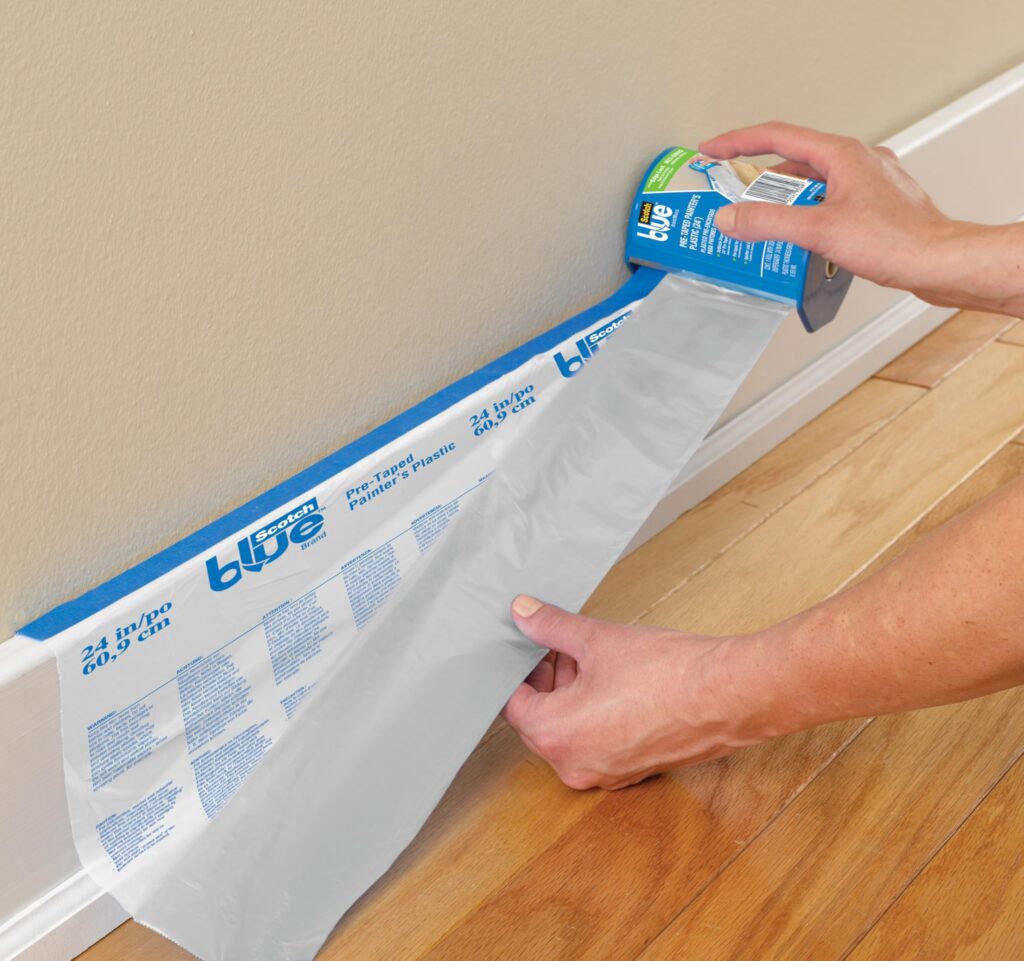
- Pre-taped masking film. Static-cling film with a tape edge. Great for large plastic parts and quick draping.
- Low-tack masking film only. Static holds it to some plastics for dust or overspray control.
- Liquid mask or frisket. Brush or spray on, then peel. Useful on models and plastics with complex curves.
- Removable vinyl stencils. They conform and give sharp lines on smooth plastics.
- Putty masks. Painter’s putty or masking putty forms soft edges and seals odd shapes.
- Silicone caps and plugs. Protect holes, studs, and threads on plastic parts during paint.
These options help when you ask can i use painters tape for plastic and the answer is “not well on this piece.”
Safety, environment, and cost tips
Painter’s tape is simple, but small choices add up to better results and less waste.
- Ventilation. Many tapes have low VOCs, but paint and cleaners may not. Keep air moving.
- Temperature. Aim for 50 to 90°F. Cold reduces tack. Heat speeds residue.
- Sunlight. UV breaks down adhesive. Store tape in a cool, dark place. Do not leave it on plastic in direct sun.
- Shelf life. Old tape can dry out or ooze. Date your rolls. Replace if edges feel gummy or dusty.
- Cost control. Buy the right width. Use narrow tape for edges and cheap film or paper to cover wide areas.
If you keep asking can i use painters tape for plastic and still save money, plan your masking path, use short strips on curves, and cover big areas with film, not more tape.
Frequently Asked Questions of can i use painters tape for plastic
Will painter’s tape damage plastic?
It can if the tack is too high or the tape stays on too long. Choose delicate or UV-rated tape and remove within the clean-removal window.
Which painter’s tape sticks best to plastic?
Acrylic-adhesive, UV-resistant tapes work well on many plastics. For very slick plastics like polyethylene, try a higher-tack painter’s tape and test first.
How long can I leave painter’s tape on plastic?
Keep it short, often 24 to 48 hours, unless the label says longer. Heat and sun shorten that window.
How do I stop paint bleed on plastic?
Clean well, press the edge, and use thin coats. Edge-seal tapes or a light mist coat in the base color can also lock the edge.
Can I use painter’s tape on a car bumper or headlights?
Yes, but use delicate-surface tape on clear lenses and a UV-rated tape on bumpers. Test on a hidden spot and remove soon after painting.
Does painter’s tape stick to plastic tarps and sheeting?
It can, but the hold is weak on many polyethylene sheets. Use pre-taped masking film or clip the sheet in place if the tape lifts.
Can I spray paint plastic with tape on it?
Yes. Apply thin coats and pull the tape when the paint sets but is not rock hard. This reduces tearing and residue.
Conclusion
You asked can i use painters tape for plastic, and now you know how to do it right. Pick the right tape, prep with care, and time your removal. That trio is your recipe for sharp lines and no sticky mess.
Try a small test on your next project. Keep notes on which tape works on each plastic in your space. Ready to tackle more? Subscribe for more how-tos, ask a question in the comments, or share your own masking wins and lessons.