Can I Use Painters Tape For Trim?
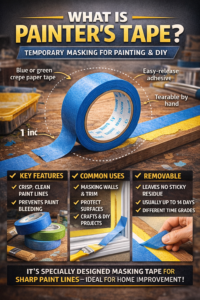
Yes, you can use painter’s tape for trim to achieve clean, sharp paint lines and protect surfaces from accidental splatters. Choose a tape labeled for delicate surfaces or trim, and apply it firmly along the edges without stretching. Remove the tape shortly after painting while the paint is still slightly wet to prevent peeling or tearing. Proper prep and careful removal ensure a professional-looking finish on baseboards, moldings, and door frames.
The Pro’s Choice: Which Tape Should You Use for Trim?
While you can use standard masking tape for some projects, it often leaves a sticky residue or allows paint to bleed through. For crisp, professional lines on baseboards and crown molding, you need a tape designed for precision.
Best for Crisp Lines Best for Delicate/Fresh Surfaces Best Value Multi-Pack FrogTape Green ScotchBlue Sharp Lines Lichamp Blue 3-Pack PaintBlock technology reacts with paint to seal edges. Great for trim that was painted within the last week. Good for large rooms on a budget. My Recommendation: FrogTape Multi-Surface Painter’s Tape
If you are asking “can I use painters tape for trim” because you want that perfect, sharp edge, FrogTape is the industry standard. Unlike traditional tapes, it’s treated with a super-absorbent polymer that reacts with the water in latex paint to form a micro-barrier.
- The Edge: It prevents “paint bleed” entirely.
- Removal: It can stay on for up to 21 days and still pull away cleanly without damaging your wood finish.
Yes, you can use painter’s tape on trim if you prep and apply it right.
If you’ve ever asked can i use painters tape for trim, you’re not alone. I’ve painted hundreds of rooms and miles of baseboards, windows, and doors. In this guide, I’ll show you exactly how to get razor-sharp lines, avoid paint bleed, and protect delicate finishes. Stick with me, and you’ll paint trim like a pro with simple, proven steps.
How painter’s tape works on trim
Painter’s tape uses a pressure-sensitive adhesive that grips the surface without bonding too hard. That’s how it leaves clean lines and peels off without damage. Many tapes also have edge-seal tech that helps stop paint bleed.
Trim is unique. It often has semi-gloss or gloss paint, fine details, and tight edges near walls. That calls for the right tape, good prep, and the correct removal timing. If you’re asking can i use painters tape for trim and expect pro results, you must follow a method, not a guess.
Can I Use Painters Tape for Painting?– How to Get Professional Results
Pros and cons of using painter’s tape on trim
Using tape on trim has real upsides. It also has traps that can ruin a finish.
Pros:
- Crisp paint lines on baseboards, window trim, and door casings
- Protection for stained wood and delicate details
- Faster work for DIYers who don’t cut in well yet
- More control when painting near tight corners or hardware
Cons:
- Risk of paint bleed if the edge is not sealed
- Possible lifting on uncured or dusty paint
- Residue if the wrong tape or long dwell time is used
- More setup time versus freehand cutting
If you’ve wondered can i use painters tape for trim with glossy enamel, you can. Just match the tape to the surface and remove it on time.
Choosing the right painter’s tape for trim
The best tape depends on the surface, sheen, and age of the paint.
What to consider:
- Adhesion level. Use delicate-surface tape on fresh paint or fragile finishes. Use standard tape on cured semi-gloss or gloss.
- Width. Use 1.41 to 1.88 inches for most trim. Wider tape gives a safer buffer.
- Surface type. For stained wood or varnish, choose a gentle, clean-release tape.
- UV and time rating. If tape will sit in sun or stay on for days, use UV-resistant tape with a longer safe removal window.
- Temperature. Cold rooms can weaken adhesion. Warm tape with your hands for better stick.
I keep three types on hand: delicate-surface for fresh paint, clean-release for most trim, and exterior-grade for doors or windows with sun exposure. That simple setup has saved me from many “why did this bleed?” moments when clients ask can i use painters tape for trim in tricky spaces.

Prep: the step that makes or breaks clean lines
Tape can’t fix a dirty or unstable surface. Clean, dry, and sound trim gives the best edge.
Do this before taping:
- Wipe trim with a damp microfiber cloth to remove dust and oils.
- Degloss glossy spots if needed with a light scuff using a fine sanding sponge.
- Repair gaps with paintable caulk and let it set.
- Check cure time. Most latex paint needs at least 7 days to cure. Many enamel trims take longer. If you ask can i use painters tape for trim on fresh paint, only with delicate-surface tape and a gentle touch.
- Test a small spot first. Press, paint, and remove to confirm no lifting.
A few minutes of prep beats hours of touch-ups later.
Step-by-step: how to tape and paint trim like a pro
Follow this simple process for sharp, reliable lines.
- Clean and dry the surface.
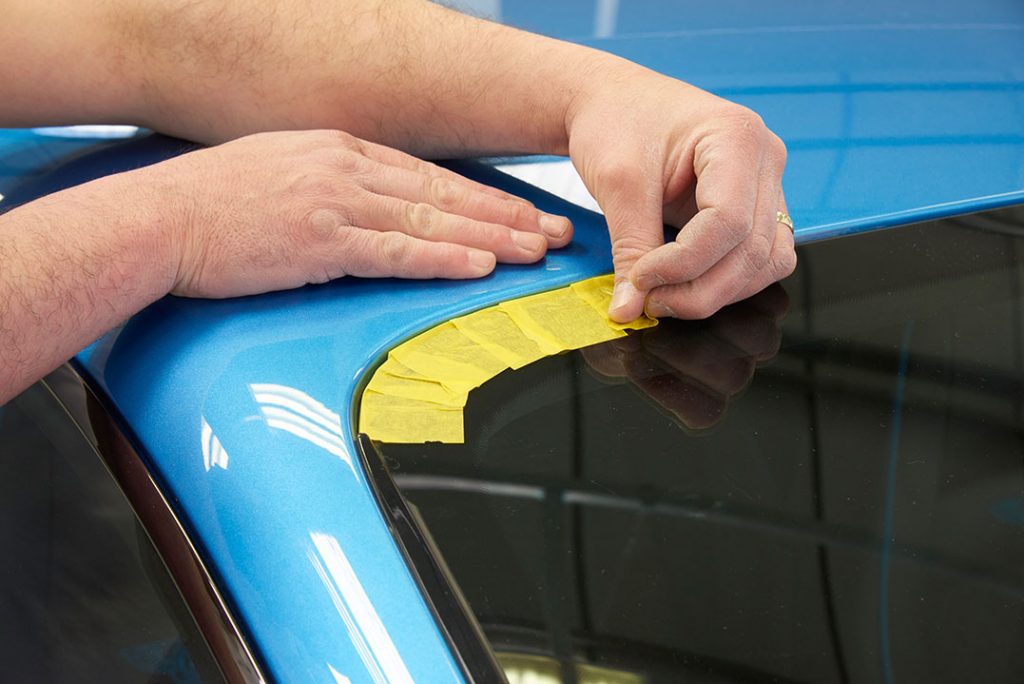
- Apply tape in short runs. Overlap the ends slightly.
- Align tape so the edge sits exactly where you want the paint line.
- Burnish the edge. Press firmly along the paint line with a plastic card or your fingernail.
- Optional pro trick: Run a whisper-thin bead of clear paintable caulk along the tape edge. Wipe off the extra. This seals micro-gaps and stops bleed.
- Paint from the tape onto the wall or trim, not into the tape edge. Use light coats.
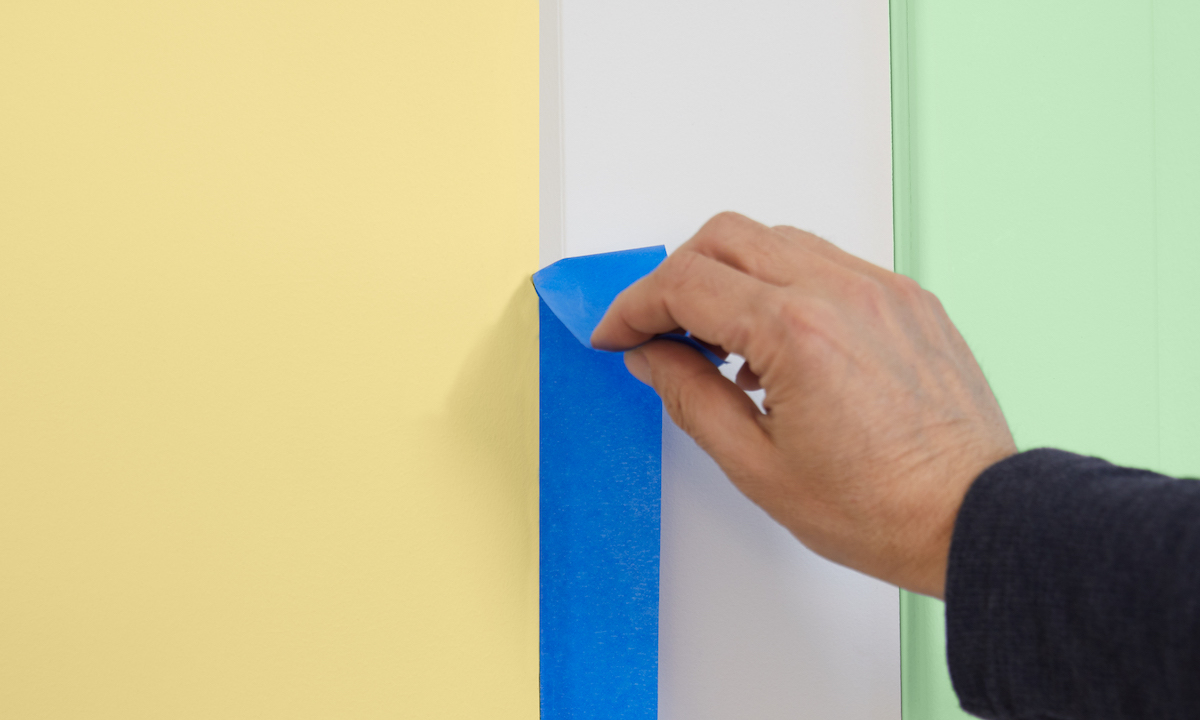
- Remove tape while the paint is still slightly damp. Pull back on itself at a 45-degree angle.
- If paint has dried, score the edge with a sharp utility knife before removal.
- Touch up any spots with an angled sash brush.
- Step back and admire those crisp lines.
When people ask me can i use painters tape for trim without bleed, this is the exact method I teach. The caulk-seal trick is a game changer.
Can I Use Painters Tape On Wallpaper?– Risks, Alternatives
Common mistakes to avoid
Certain habits cause most tape problems.
- Stretching tape during application. It will lift and gap as it relaxes.
- Leaving tape on too long. Adhesive can bond harder and tear the finish.
- Using high-tack tape on delicate or freshly painted trim.
- Painting heavy, wet coats that flood under the edge.
- Skipping burnishing. That light pressure sets the edge and stops seepage.
If you keep asking can i use painters tape for trim and skip these fixes, you’ll keep fighting the same mess.
When to skip tape and cut in by hand
Tape is a tool, not a rule. Sometimes cutting in is faster.
Try freehand cutting when:
- The wall-to-trim line is straight and easy to see.
- You have a quality 2-inch angled sash brush.
- The surface is fragile or not fully cured.
I often blend both. I tape long baseboards for speed, then freehand around tight profiles and hinges. If a client asks can i use painters tape for trim on detailed crown, I say yes for the long runs, but cut in the curves.
Troubleshooting: bleed, residue, and lifted paint
Even with care, things happen. Here’s how to fix them.
Paint bleed:
- Score the line with a sharp blade and peel the tape slowly.
- Touch up with a fine brush. For larger bleeds, lightly sand, prime, and repaint.
Adhesive residue:
- Try warm soapy water and a soft cloth first.
- If needed, use a gentle adhesive remover rated safe for cured paint. Test a hidden spot.
Lifted paint:
- Sand the edge smooth. Spot-prime the bare area. Repaint in thin coats.
- Next time, ask can i use painters tape for trim on uncured paint? Only with delicate tape and short dwell time.
Cost, time, and results: is tape worth it?
A quality roll of tape often costs a few dollars and runs about 60 yards. A typical room may use one to two rolls for baseboards, windows, and doors. That small cost can save hours of scraping and touch-ups.
Tape also levels the field for DIY painters. If your hand is not steady, tape delivers pro-level lines with less stress. Many clients start by asking can i use painters tape for trim to speed up the job. After one room, they rarely go back.
Frequently Asked Questions of can i use painters tape for trim
Can I use painter’s tape on freshly painted trim?
Yes, but only after the paint has cured, not just dried. Use a delicate-surface tape and remove it soon after painting.
Will painter’s tape damage stained wood trim?
It shouldn’t if you choose clean-release or delicate tape. Test a small hidden area first and avoid long dwell times.
How do I stop paint bleed under the tape?
Burnish the edge and apply thin coats. For perfect lines, use a tiny bead of clear paintable caulk to seal the tape edge.
When should I remove the tape from trim?
Remove it while the paint is slightly damp to the touch. If the paint is dry, score the edge before peeling.
What width of painter’s tape should I use on trim?
Use 1.41 to 1.88 inches for most trim. Wider tape gives more protection on floors and walls.
Can I reuse painter’s tape on more than one trim run?
No. Once removed, it loses clean adhesion and can cause bleed or lifting. Use a fresh piece each time.
Is cutting in faster than using tape on trim?
It can be for skilled painters on simple lines. For most DIYers, tape is safer and still fast with good prep.
Conclusion
You asked can i use painters tape for trim, and the answer is yes—when you prep right, pick the right tape, and remove it at the right time. Clean the surface, burnish the edge, and consider the light caulk-seal trick. Those small steps deliver crisp lines and fewer touch-ups.
Try one room with this method. Measure your time, check your edges, and see the difference. If you found this helpful, subscribe for more paint tips, or drop a question in the comments so we can tackle your next project together.