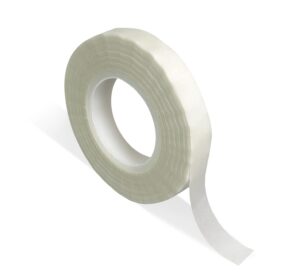
Common problems with tape dispensers usually involve adhesive buildup on the cutting blade, tension springs losing their snap, or the roll of tape becoming stuck to the spindle.
These issues prevent the tape from pulling smoothly or cutting cleanly, which often stops the roll from rotating entirely. Most of these mechanical failures occur because of sticky residue accumulation, worn-out plastic parts, or improper loading of the tape roll, all of which you can usually fix without specialized tools.
We Tested 9 Best Water Activated Tape Dispensers for Reliable Packaging
Why Do Tape Dispensers Get Stuck or Fail?
Most tape dispensers fail because the adhesive from the tape builds up on the cutting teeth or the internal rollers over time. This sticky residue acts like glue, holding the tape back and making it difficult to pull a new piece. Once the tape loses its ability to slide over the guide, the user often pulls harder, which can bend the plastic teeth or stretch the tension spring inside the spindle.
Adhesive Buildup on the Cutting Blade
The cutting blade is the most common point of failure. If you use the dispenser frequently, small amounts of adhesive rub off the tape and onto the metal teeth. Over weeks or months, this creates a thick, gummy layer that dulls the blade and catches the tape before it can be cut. You might notice the tape snagging or tearing unevenly instead of snapping off with a clean edge.
Tension Spring Fatigue
Many desktop dispensers use a spring-loaded hub to keep the roll from spinning too freely. If this spring loses its tension, the tape roll will spin loosely and unwind itself, causing a tangled mess. Conversely, if the spring is too tight or becomes jammed with debris, the roll won’t turn at all. This forces the tape to stretch and snap before it even leaves the spool.
Spindle Misalignment
The central spindle that holds the roll must remain perfectly centered for the tape to feed correctly. If the plastic tabs holding the spindle in place snap or become bent, the roll will tilt to one side. This causes the edge of the tape to rub against the side of the dispenser housing, creating friction that makes the tape hard to pull.
How to Fix a Tape Dispenser That Won’t Work
You can resolve most mechanical issues by cleaning the parts and checking the alignment of the roll. Follow these steps to restore your dispenser to normal operation:
- Remove the tape roll carefully to avoid tearing it further. If the tape is stuck, use a thin, blunt tool to gently lift the edge of the roll away from the plastic housing.
- Clean the cutting blade using a cotton swab dipped in a small amount of isopropyl alcohol. Rub the teeth until the sticky residue is gone, as this is often the only thing preventing a clean cut. If you see dark, gummy buildup, use a toothpick to scrape the base of the teeth before swabbing.
- Wipe down the rollers or the guide post with the same alcohol-dampened swab. Any dust or adhesive on these surfaces creates drag that slows down the feeding process.
- Check the spindle tension by spinning the empty hub with your finger. If it feels gritty, look for small pieces of plastic or tape scraps trapped in the mechanism and remove them with tweezers. A common mistake is ignoring the hub’s internal spring; if the hub wobbles, the tension is likely lost, and you should replace the unit.
- Realign the roll by ensuring it’s pushed fully onto the center of the hub. It should sit flush against the back wall of the dispenser without tilting. If the roll leans, it will catch on the housing, causing the tape to shred at the edges.
- Test the feed by pulling a few inches of tape. If the resistance remains high, ensure the tape isn’t threaded underneath the guide bar instead of over it.
Tip: If the blade teeth are permanently bent, they won’t cut effectively. You can sometimes straighten them with needle-nose pliers, but be careful not to snap the metal.
Is It Safe to Do This Yourself?
It’s safe to repair a tape dispenser yourself because these devices contain no internal electrical parts or high-pressure springs. You’re only dealing with simple mechanical friction and adhesive residue, which don’t pose a risk of injury. However, you should avoid using sharp knives to scrape the blade, as this can easily slip and cause a cut on your fingers.
If the dispenser is a heavy-duty industrial model, it may have a larger, sharper blade that requires extra caution. Always treat the serrated edge as if it were a knife. If you’re unsure about the sharpness of the blade, avoid touching it directly and use a folded piece of paper to press against it while cleaning.
Most people make the mistake of using metal screwdrivers to pry open stuck rollers. This often cracks the plastic housing, permanently ruining the alignment. If the roller resists, use a plastic putty knife instead. If the resistance persists, the axle is likely warped, and further force will only shatter the frame.
When Should You Replace the Dispenser?
You should replace a tape dispenser if the plastic housing has cracked or if the mounting points for the spindle have broken off. While cleaning and alignment fixes work for temporary jams, structural damage to the body of the dispenser is difficult to repair. A cracked base often leads to the unit sliding around on your desk, which makes one-handed operation impossible.
If the blade is made of thin, cheap metal that has rusted or lost its serrated edge, a replacement is usually more cost-effective than trying to sharpen it. You can identify a terminal failure if the tape roll consistently leans into the side wall despite being loaded correctly, as this indicates the internal support arms have warped beyond repair.
Comparison of Common Dispenser Issues
| Issue | Typical Cause | Best Solution |
|---|---|---|
| Tape tears unevenly | Adhesive on blade | Clean teeth with alcohol |
| Roll spins too fast | Weak tension spring | Replace or adjust hub |
| Tape pulls with high friction | Sticky rollers | Wipe rollers with solvent |
| Roll leans to one side | Broken spindle tab | Replace the unit |
| Blade won’t cut at all | Dull or bent teeth | Straighten or replace blade |
Common Mistakes That Cause Tape Dispenser Problems
One of the most frequent mistakes is overloading the dispenser with a roll that’s too wide or too heavy for the hub. If you force a large industrial roll onto a lightweight plastic desktop dispenser, the added weight will eventually snap the plastic spindle support.
Always check the maximum roll width and diameter recommended by the manufacturer. If your roll exceeds the hub’s width by more than a quarter-inch, the tape will drift, causing uneven edges that lead to frequent tearing during use.
Another error is failing to thread the tape over the guide bar. Many people thread the tape directly from the roll to the blade, which creates a sharp angle. This causes the tape to snap because it lacks the support of the guide bar to distribute the tension.
Always ensure the tape passes over the designated roller or bar before reaching the cutting teeth. If the tape isn’t perfectly flush against the guide, you’ll notice the adhesive strip curling back on itself, which wastes material and creates a sticky mess inside the mechanism.
Finally, avoid using harsh chemicals like paint thinner or acetone to clean the plastic housing. These solvents can melt the plastic, making it brittle and prone to cracking. Stick to mild cleaners like isopropyl alcohol or warm soapy water.
Dry the parts completely before loading a new roll to prevent moisture from ruining the adhesive. If the housing feels tacky after cleaning, you have used too much solvent; wipe it down immediately with a dry cloth to prevent long-term structural degradation.
Frequently Asked Questions
Why does the tape stick to the blade instead of cutting?
The tape sticks to the blade because adhesive has built up on the metal teeth, creating a gummy surface. This residue grips the tape rather than letting it slide past the sharp edges. Cleaning the teeth with a cotton swab and rubbing alcohol will remove the stickiness and restore the cutting action.
How do I stop the roll from spinning too fast?
If your roll spins too freely, the tension spring inside the hub is likely loose or worn out. You can sometimes add a small piece of folded paper or a thin rubber band behind the roll to create more friction. If that doesn’t work, the internal spring mechanism has likely failed and requires a replacement.
Can I sharpen the cutting blade myself?
You can’t effectively sharpen a serrated dispenser blade once it has dulled, as the teeth are too small for standard sharpening tools. While you can use needle-nose pliers to straighten individual bent teeth, a blade that has lost its edge is usually at the end of its life and needs replacing.
Is it normal for tape to keep snapping?
Tape snapping is a sign of too much tension or an obstruction in the feed path. Check that the tape isn’t caught on the side of the housing and that it’s threaded over the guide bar. If the tape is old, the adhesive may have dried out, making the plastic backing brittle and prone to breaking.
Are industrial tape dispensers different from home ones?
Industrial dispensers are built with thicker plastic or metal to handle constant use and heavier rolls of tape. They often feature adjustable tension knobs that allow you to set the resistance level, which is a feature rarely found in basic home models. These adjustments ensure consistent performance in shipping environments.
What should I do if the tape roll keeps tilting?
A tilting roll is usually caused by a broken spindle support or a bent hub. If the plastic tabs that hold the roll in place are no longer rigid, the roll will continue to lean regardless of how you load it. This is a structural failure, and in most cases, the dispenser is no longer reliable and should be replaced.
Conclusion
Keeping your workspace organized depends on tools that work when you need them. By cleaning the cutting teeth regularly and ensuring your tape rolls are sized correctly for your specific dispenser, you avoid the frustration of a jammed roll. If you find yourself cleaning the mechanism more than once a month, consider upgrading to a weighted, metal-based model.