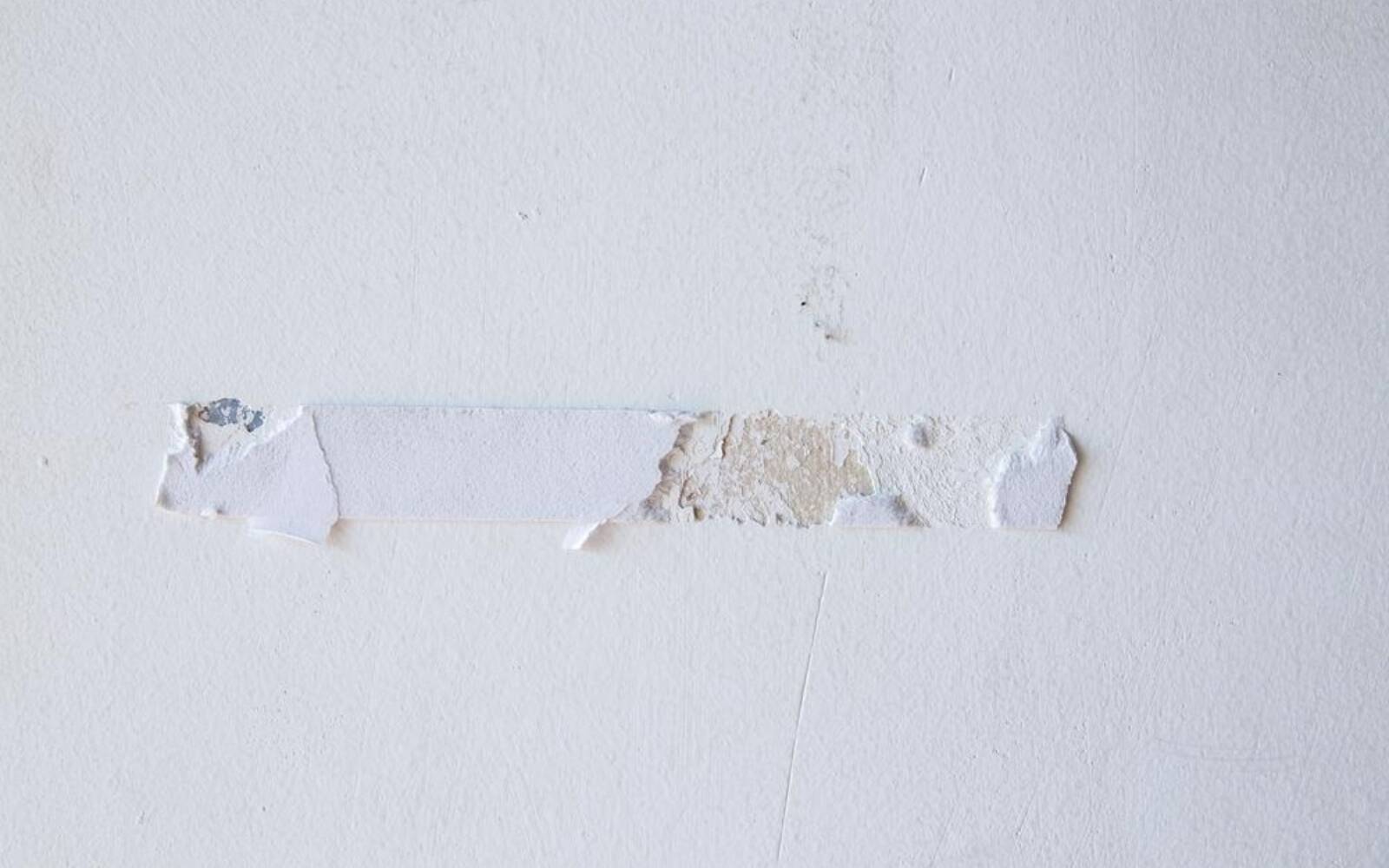
Yes, adhesive tape can leave marks on walls, especially if it’s left on for a long time or if the paint is delicate. Residue, discoloration, or peeling paint can occur when removing the tape. To minimize damage, peel slowly at a 45° angle, use low-tack tape for painted surfaces, and clean any leftover adhesive with mild soap, rubbing alcohol, or a gentle adhesive remover.
Recommended “Wall-Safe” Tapes
If you need to hang decorations or mark walls, use these specialized products instead of standard tapes:
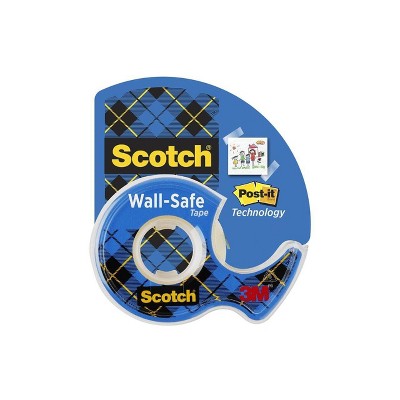
Tape Type Best For… Safe Duration 3M Command Strips Hanging lightweight frames and decor. Up to 12 months FrogTape Delicate Surface Fresh paint, wallpaper, or delicate trims. Up to 60 days Scotch Wall-Safe Tape Photos, paper, and temporary lightweight decor. Up to 30–60 days Blue Painter’s Tape General masking for painting projects. 14–21 days
Yes, adhesive tape can leave marks or peel paint, but results vary.
If you’ve ever asked, Does adhesive tape leave marks on walls? you’re not alone. I’ve tested tapes across apartments, studios, and job sites, and the results are not all the same. This guide breaks down the science, the variables, and the real-world fixes so you can make smart choices. By the end, you’ll know exactly when tape is safe, when it’s risky, and how to prevent damage without guesswork.
What actually causes tape marks on walls
The honest answer to Does adhesive tape leave marks on walls? is that it depends on chemistry, paint, and conditions. Tape residue and paint lift happen when adhesive bonds become stronger than the paint film or when adhesive softens and spreads.
Key factors that raise the chance of marks:
- Adhesive chemistry Rubber-based adhesives grab fast and can ooze over time. Acrylic adhesives bond cleaner and resist UV but may need more pressure to stick.
- Paint type and finish Flat and matte paints are more porous and fragile. Semi-gloss and gloss are harder and less likely to peel, once fully cured.
- Paint cure time Fresh paint needs 7 to 30 days to cure. Tape can fuse with uncured paint and pull it off.
- Dwell time The longer tape sits, the more it cold-flows into pores, raising residue risk.
- Pressure, heat, and humidity High pressure, warm rooms, sunlight, and steam can drive adhesive deeper and weaken paint.
- Wall substrate and texture Drywall with thin or old paint is fragile. Textured walls reduce contact area but can trap residue in valleys.
If you are wondering, does adhesive tape leave marks on walls under normal use, the risk is low with the right tape on cured, clean, hard-finish paint for short periods.
Adhesive Tape Vs Double Sided Tape– Choosing the Right Tape for Your Needs
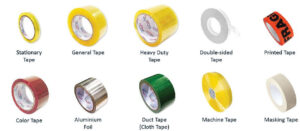
Types of tape and their residue risk
So, does adhesive tape leave marks on walls with each type? Not equally. Each tape has a different tack profile and removal window.
- Painter’s tape (blue or green) Low-tack acrylic for clean removal. Many versions claim 14–60 days, but safer at 7–21 days indoors on cured paint.
- Masking tape Beige, rubber-based, high tack. Fine for masking wood or metal. High risk of residue and paint peel on walls, even after a few days.
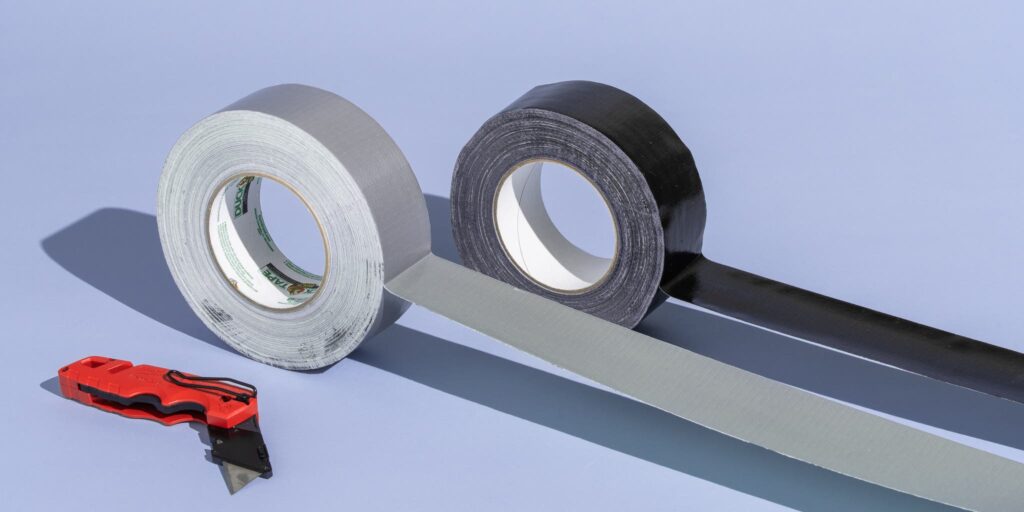
- Duct tape Very high tack rubber adhesive. Strong hold, high residue, and often pulls paint. Avoid on painted drywall.
- Packing tape Clear box tape with hot-melt or acrylic. Can yellow, leave lines, and tear paint on removal. Not for walls.
- Double-sided foam tape Very aggressive. Can rip paint and paper face of drywall. Use only on durable surfaces.
- Mounting strips and hooks (removable) Designed to stretch-release cleanly. Safer when used with weight and surface guidelines, but humidity and dust can cause failure.
- Washi tape Low-tack paper tape. Often safe for short-term decor on cured paint, yet can still mark delicate matte finishes.
- Gaffer tape Cloth tape with rubber adhesive. Cleaner than duct tape but still risky over time on walls.
Tip Check the adhesion rating on spec sheets. For delicate walls, look for low-tack products under about 20 oz/in peel adhesion. When possible, choose acrylic over rubber if clean removal is your top goal.

How to choose tape that won’t damage painted walls
If you need to hang decor and wonder, does adhesive tape leave marks on walls, choose based on paint, time, and tape chemistry. Use a fast checklist before you stick anything up.
- Confirm the paint is fully cured at least 7 days for latex, 14 to 30 for specialty finishes. Read the paint can for cure time.
- Match finish and fragility Flat and eggshell need lower tack than satin or semi-gloss.
- Check the product label Look for “delicate surface” or “clean removal.” Verify the removal window.
- Read technical data sheets Aim for lower peel adhesion values and UV-resistant acrylic for sunny rooms.
- Clean the wall Lightly dust and wipe with a dry microfiber cloth. Oils and dust cause uneven bonding and staining.
- Test first Place a 1-inch strip in a hidden spot for 24 hours. Remove at a low angle. If paint lifts or leaves haze, do not use.
Does adhesive tape leave marks on walls if you follow this list? Your odds drop a lot when you test, pick low-tack tape, and use it for short periods.
Adhesive Tape Vs PVC Tape– Pros, Cons, and Which One Should You Choose?
Best practices for applying and removing tape without marks
Follow these steps if you care about the question, does adhesive tape leave marks on walls?
- Prep the surface Make sure it is dry, room temperature, and clean.
- Use gentle pressure Press just enough to stick. Do not burnish hard on delicate paint.
- Avoid stretching tape Stretched tape tries to return to size and can lift paint.
- Limit dwell time Keep it under a week for most tapes, shorter in heat or sun.
- Remove slowly Pull the tape back on itself at 45 to 90 degrees. Go slow.
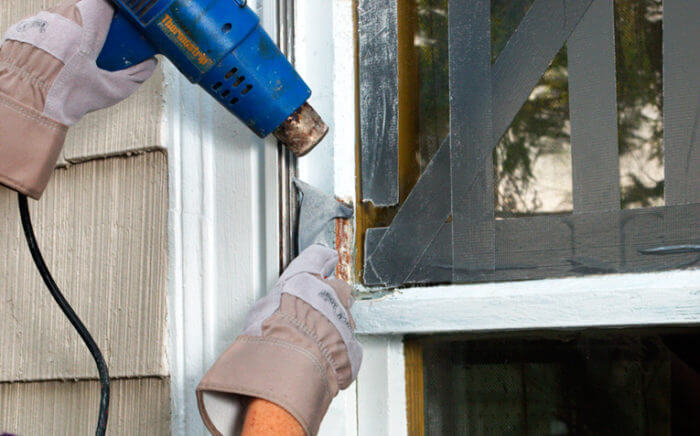
- Warm stubborn tape Use a hair dryer on low for a few seconds to soften adhesive.
- For painter’s tape after painting Score the edge with a sharp blade, then pull back while paint is tacky or fully cured per label.
Does adhesive tape leave marks on walls when removed right? Most of the time, no—if you go slow, warm gently, and pull at a low angle.
Safe ways to remove tape residue and stains
If it happened and you are thinking, does adhesive tape leave marks on walls forever, the answer is usually no. Work from gentle to stronger methods, and test every step in a hidden spot.
Start dry and mechanical:
- Roll it off Use a fingertip to roll softened adhesive into a ball.
- Use a plastic scraper A plastic card can lift residue without gouging paint.
- Try an art eraser A white vinyl eraser can pick up tacky spots.
Move to mild liquids:
- Warm soapy water Lightly dampen a cloth, blot, and lift. Do not soak flat paint.
- Isopropyl alcohol 70% Use a cotton swab on small spots. Wipe, then dry. May dull very matte finishes.
- Citrus adhesive remover Use sparingly. Blot, wait 30–60 seconds, then wipe. Rinse with a damp cloth.
- Mineral spirits Safer on oil-based paint or trim. Can haze latex paint. Test first and ventilate.
If paint lifted:
- Feather-sand lightly Use 320–400 grit on the lifted edge.
- Spot prime Seal the area so touch-up blends.
- Touch up with matching paint Stir well and apply thin coats.
Honest note Some marks are “ghosting” where dirt outlined the tape. Clean the whole area for an even look, or repaint if needed.
Real-world lessons from the field
I learned the hard way that the question does adhesive tape leave marks on walls has a real answer. In my dorm, duct tape held a string of lights for a week and took a palm-sized patch of paint with it. Lesson learned Use painter’s tape or removable strips, and never on fresh paint.
On a client job, delicate-surface painter’s tape over paint cured for only 48 hours still lifted tiny flakes. The paint maker recommended seven days to cure. Waiting solved it.
At home, washi tape worked great for a kids’ art wall for two weeks on satin paint. In a humid bathroom, removable hooks failed and left light residue. Proper surface prep and sticking within weight limits matter more than the brand.
If you keep asking, does adhesive tape leave marks on walls in real spaces, remember this rule Short time, low tack, cured paint, and slow removal.
PAA-style quick answers
Will painter’s tape damage walls?
Usually not, if the paint is fully cured and you remove it on time. Choose a delicate-surface line for flat or fresh walls.
How long can I leave tape on a wall?
Keep it as short as possible. Even “60-day” tapes are safer under 21 days indoors, and less in heat or sun.
Does humidity affect tape residue?
Yes. Moist air softens adhesives and weakens paint, raising residue and peel risk. Ventilate and reduce steam in bathrooms.
Frequently Asked Questions of Does adhesive tape leave marks on walls?
Does adhesive tape leave marks on walls?
It can, especially with rubber-based tapes, fresh paint, or long dwell times. Use low-tack, test first, and remove slowly to reduce the risk.
Which tape is safest for painted drywall?
Delicate-surface painter’s tape with acrylic adhesive is the safest. Use it on cured paint and remove it within the maker’s window.
Can I use tape on fresh paint?
Avoid tape for at least 7 days on latex and longer for specialty finishes. Fresh paint is soft and very easy to peel.
How do I remove sticky residue without ruining paint?
Start dry, then try warm soapy water or a dab of isopropyl alcohol. Test first, and avoid soaking matte paint.
Do Command-style strips leave marks on walls?
They are designed for clean removal when used by the instructions. Press firmly for 30 seconds, wait an hour before loading, and pull the tab straight down to release.
Will tape damage textured walls?
Texture lowers contact but traps residue in grooves. Use delicate tape, short dwell time, and a gentle removal angle.
Does sunlight make tape marks worse?
Yes. UV and heat can harden or ooze adhesives, causing stains and tough residue. Keep taped areas out of direct sun when possible.
Can I prevent paint peel when removing tape after painting?
Score the paint edge with a blade and pull tape back on itself at a low angle. Remove while paint is slightly tacky or fully cured per label.
Conclusion
You now have a clear, field-tested answer to “does adhesive tape leave marks on walls.” It can, but you can prevent damage by picking the right tape, testing first, limiting time, and removing it with care. When marks happen, start gentle, step up slowly, and patch only if needed.
Put this into action on your next project. Choose a low-tack tape, run a 24-hour test, and set a calendar reminder for removal. Want more smart home fixes? Subscribe, share your tape wins and fails in the comments, and let’s solve the next sticky problem together.