The main difference between duct tape vs scotch tape is that the former uses a heavy-duty fabric backing for structural repairs, while the latter uses a thin plastic film for light-duty sealing. Choosing the right tape depends on whether you need high tensile strength for a mechanical fix or a clear, low-profile bond for paper and crafts.
Core Differences Between Duct Tape and Scotch Tape
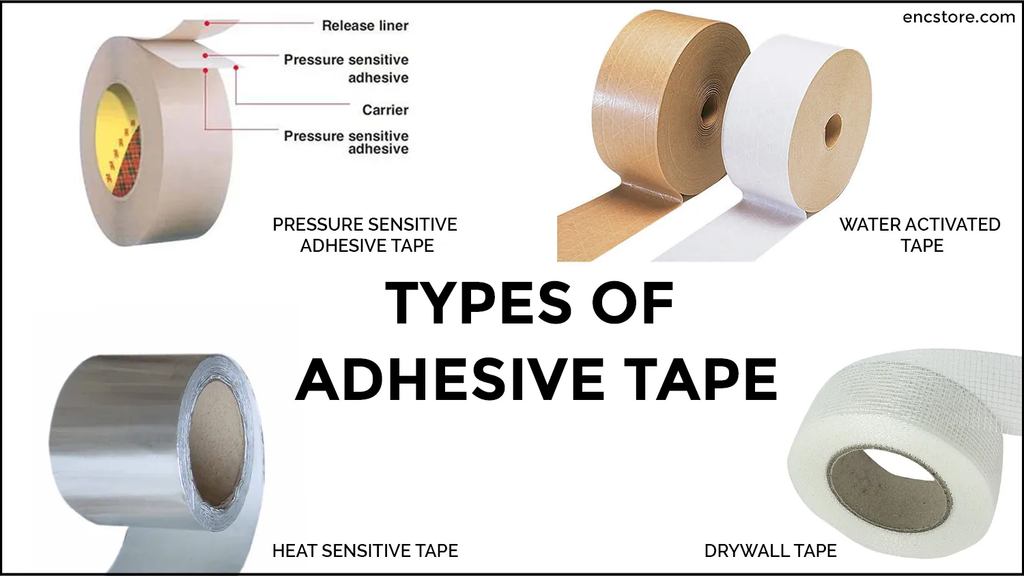
Duct tape is built for durability, featuring a tough, water-resistant exterior. Scotch tape, or clear office tape, is designed for transparency and ease of use in indoor environments.
| Feature | Duct Tape | Scotch Tape |
|---|---|---|
| Backing Material | Fabric/Cloth Mesh | Cellulose or Polypropylene |
| Primary Use | Heavy-duty repairs | Paper and gift wrapping |
| Transparency | Opaque | Transparent |
| Removal | Often leaves residue | Usually clean removal |
How Duct Tape Is Constructed
This tape relies on a multi-layered design to handle stress and environmental exposure. It isn’t meant for delicate surfaces or long-term archival storage.
The Role of the Fabric Mesh
The core of duct tape is a woven fabric mesh, often made of polyester or cotton. This mesh provides the high tensile strength needed to hold objects together under tension. Without this layer, the tape would snap easily when pulled.
Understanding Rubber Based Adhesives
Duct tape uses a thick layer of rubber-based adhesive that flows into surface textures. This allows it to stick to rough materials like brick or wood. Because the adhesive is aggressive, it often leaves a sticky residue when removed.
The Engineering Behind Scotch Tape
Scotch tape is engineered for light tasks where appearance and ease of tearing are important. It’s thin enough to remain nearly invisible on paper.
Cellulose and Plastic Film Backings
Most office tapes use a thin backing made of cellulose or biaxially oriented polypropylene. These materials provide just enough structure to prevent the tape from tangling while being thin enough to cut with a simple plastic dispenser.
Acrylic Adhesive Properties
Unlike the rubber adhesives on duct tape, scotch tape typically uses acrylic adhesives. These are designed to be stable over time and resist yellowing. They offer a lower initial “tack” but provide a clean, long-lasting bond on smooth surfaces.
When to Choose Duct Tape for Repairs
Use this tape when you need to bundle items, seal non-pressurized joints, or perform a temporary patch on a sturdy surface. If you’re working on a project that will face moisture or physical impact, the fabric backing offers the necessary protection.
Ideal Applications for Scotch Tape
This tape is best for light-duty office and household tasks. It works well for sealing envelopes, repairing torn documents, or wrapping gifts. Because it’s thin, it isn’t suitable for heavy loads or high-heat environments.
Tested 10 Best Electrical Tapes for Professional and Home Repairs
Comparing Tensile Strength and Durability
Duct tape is significantly stronger than scotch tape due to its woven mesh. In standardized testing by the American Society for Testing and Materials, pressure-sensitive tapes are measured for their peel adhesion and tensile properties. If you need to hang something heavy, always choose duct tape; if you use scotch tape, it will fail under even light weight.
Temperature Resistance and Environmental Factors
Rubber adhesives on duct tape can soften in extreme heat, causing the tape to slide or leave excess glue. Conversely, the film on scotch tape may become brittle in very cold air. If your project will sit in direct sunlight, the UV rays will eventually break down the adhesive on both types.
Residue Removal and Surface Compatibility
If you accidentally apply duct tape to a finished wall, you risk pulling off the paint. Scotch tape is safer for delicate surfaces, but it can still leave a mark if left in place for years. Always test a small, hidden area before applying tape to expensive materials.
Limitations of Pressure Sensitive Adhesives
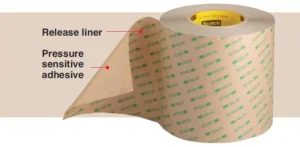
These tapes only work if you apply firm pressure during installation. If you don’t press the tape down, the adhesive won’t fully contact the surface. This is a common mistake that leads to the tape peeling off prematurely.
Cost Effectiveness and Industrial Use Cases
Duct tape is an industrial-grade tool that offers value for money in building and repair trades. Scotch tape is a consumer product that’s inexpensive but lacks the structural integrity for industrial applications. If you’re doing a large-scale project, buy duct tape in bulk to save on costs.
Frequently Asked Questions
Can duct tape be used to repair electrical wiring?
No, you should never use duct tape for electrical repairs. It isn’t rated for insulation and can pose a fire or shock hazard; use only tape specifically labeled for electrical use.
Does scotch tape lose its stickiness over time?
Yes, the adhesive eventually loses its properties as it reacts with oxygen and light. This process is much slower in high-quality acrylic tapes compared to cheap, generic versions.
Is there a waterproof version of scotch tape?
Most standard scotch tapes aren’t waterproof. Some specialty tapes for outdoor use exist, but they aren’t the same as the clear tape used in offices.
How do you safely remove old duct tape residue from painted walls?
Use a gentle citrus-based cleaner or a light application of heat from a hair dryer to soften the glue. Never scrape the wall with a metal tool, as this will damage the surface beneath the paint.
Conclusion
When choosing between these two options, consider the weight of the object and the texture of the surface. Duct tape provides the strength for heavy tasks, while scotch tape is the better choice for light, indoor work where a clean finish matters most.