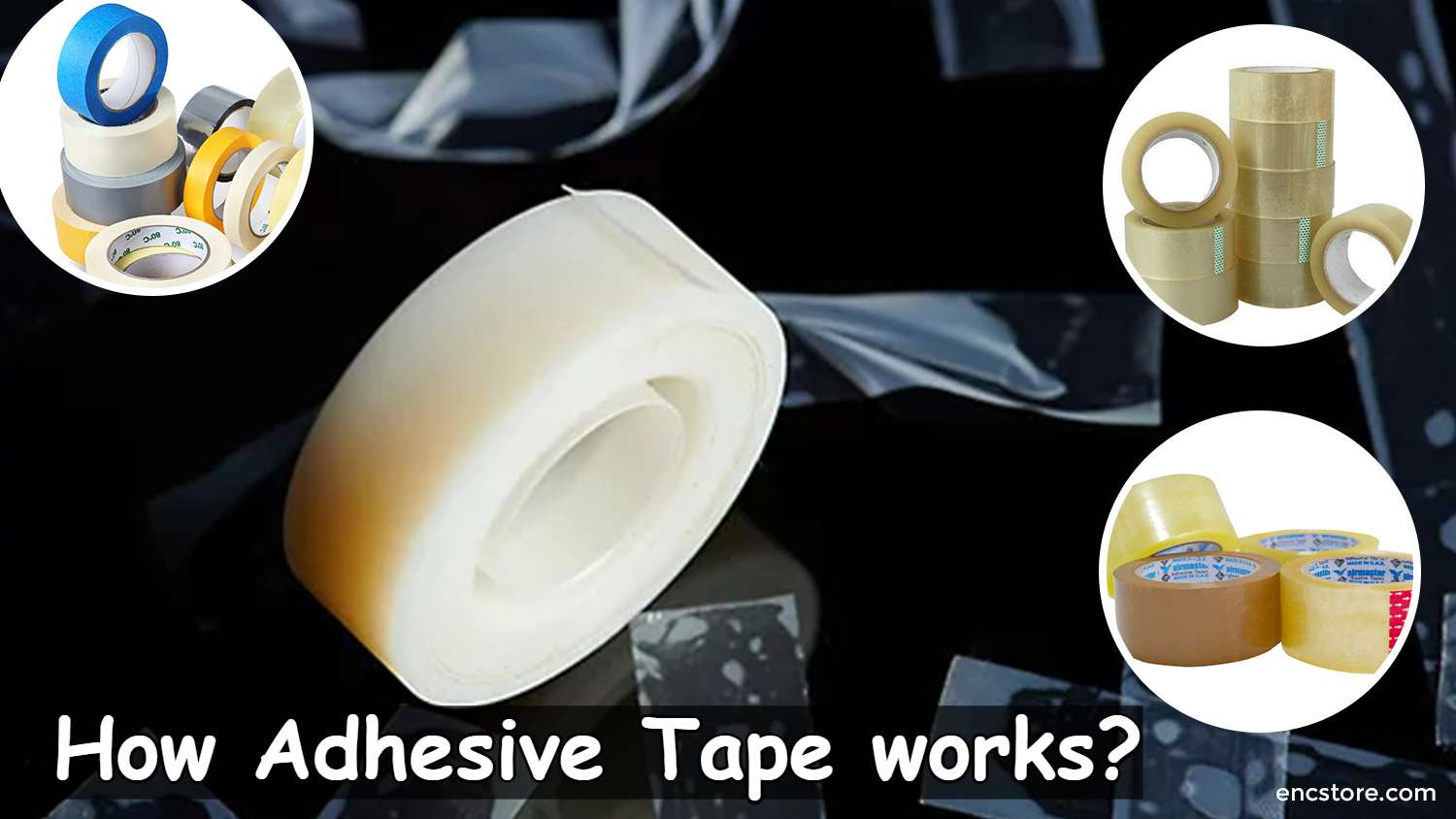
Adhesive tape works by using a sticky layer, called an adhesive, that bonds to surfaces through tack, adhesion, and cohesion. The adhesive molecules create temporary or permanent attractions with the surface at a microscopic level, allowing the tape to stick. Pressure applied when pressing the tape enhances contact, improving the bond. Different tapes use various adhesives—such as rubber, acrylic, or silicone—designed for specific surfaces, temperatures, and strengths, making them suitable for tasks from simple paper sticking to heavy-duty industrial applications.
The “Stickiness” Scale: Choosing the Right Tape
Type of Bond Best Tape Product Primary Use Permanent/Structural 3M VHB Mounting Tape Replacing screws and nails. Temporary/Removable Scotch Blue Painter’s Tape Clean removal without residue. Heavy-Duty Repair Gorilla Black Duct Tape Weatherproof, uneven surfaces.
Adhesive tape sticks by viscoelastic flow and weak molecular attractions under pressure.
Curious minds often ask: how does adhesive tape work? I’ve spent years building products and fixing things with tapes, from painter’s tape to industrial foams. In this guide, I’ll break down the science in clear, simple steps. You’ll learn how adhesives grab, why pressure matters, and how to get a stronger bond every time. Stick around to master the everyday magic behind adhesive tape.
What is Adhesive Tape?– Definition, Types & Sticky Solutions
What is adhesive tape?
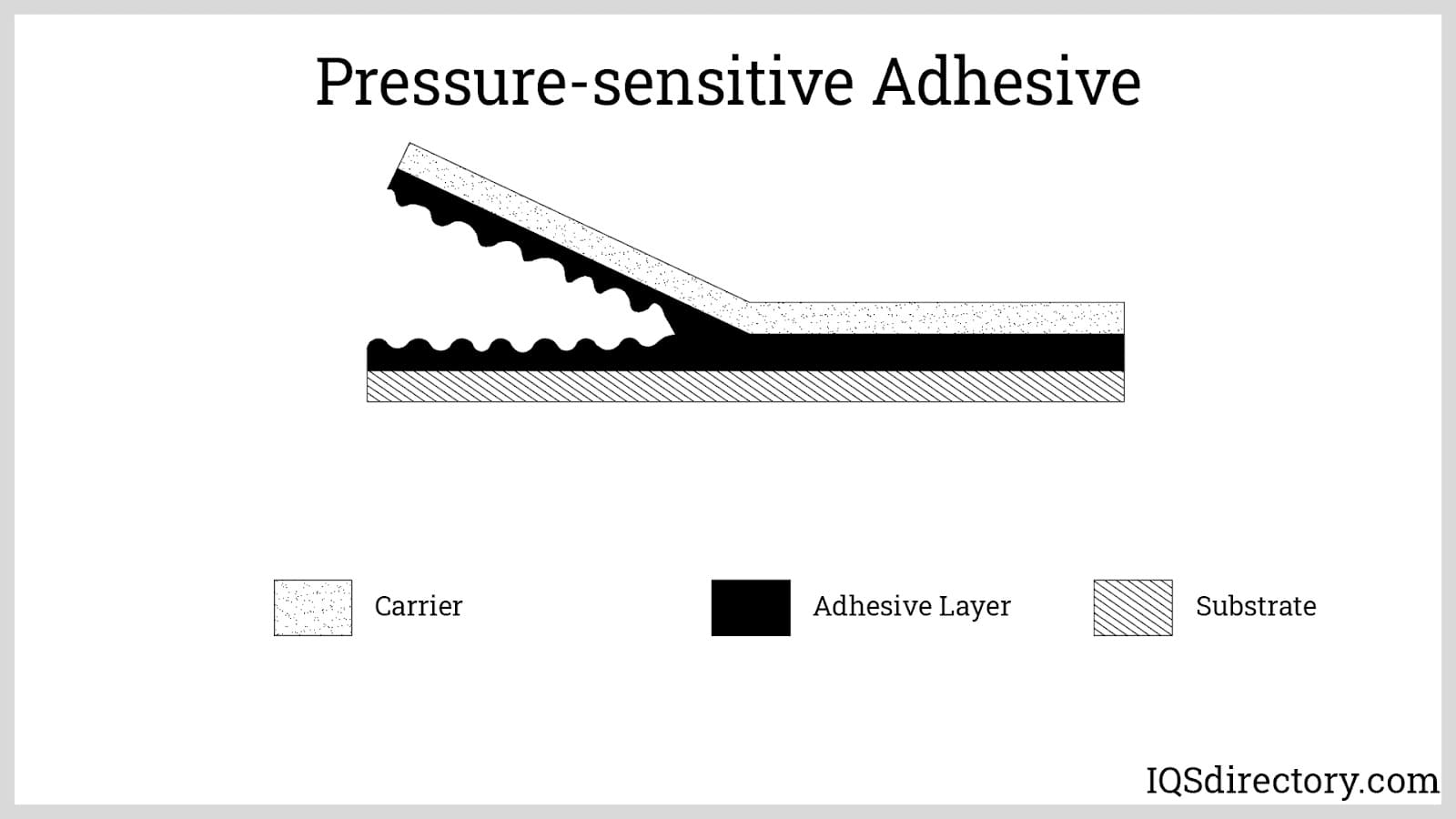
If you’ve ever wondered how does adhesive tape work, start with its layers. Most tapes are pressure-sensitive adhesives, also called PSAs. They stick when you press them, without heat or water.
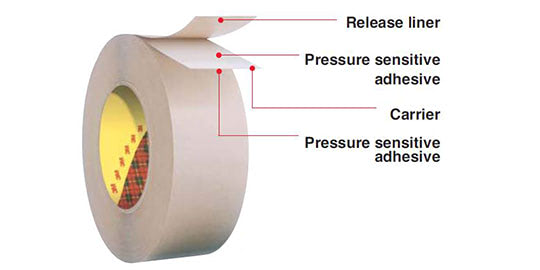
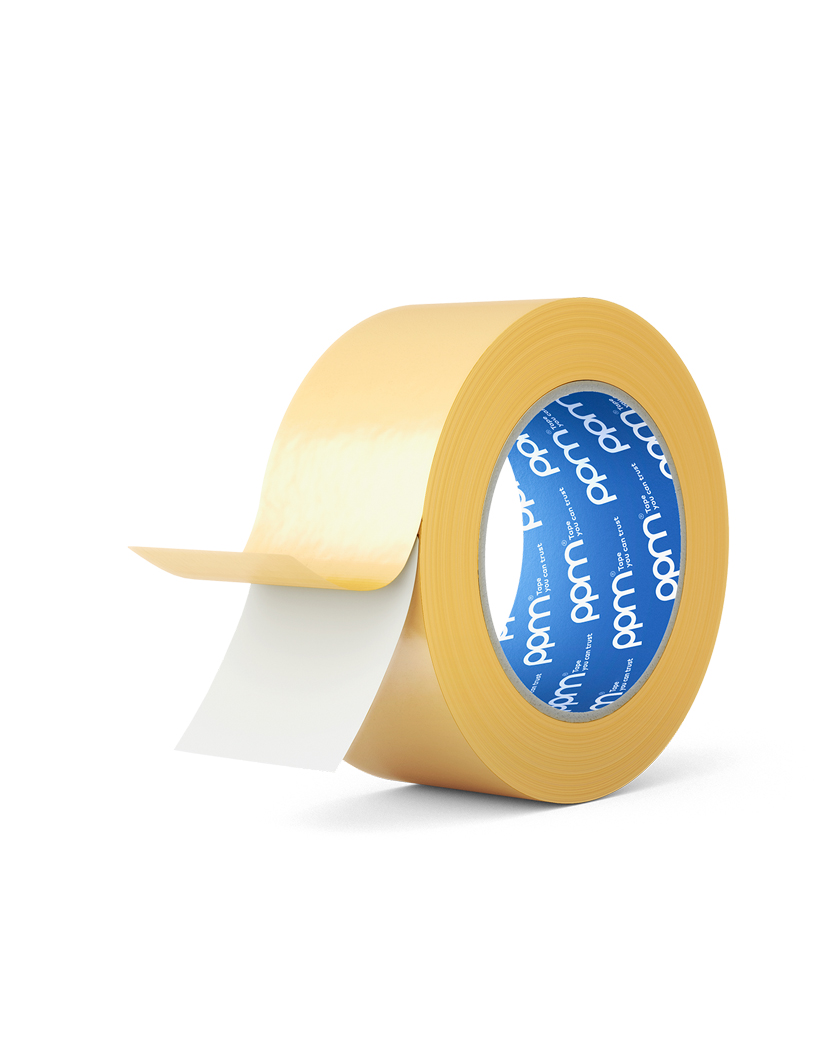
A typical roll has a backing, an adhesive layer, and a release coating so it unwinds. Some tapes add a primer between adhesive and backing for strength. The backing can be paper, film, cloth, or foam. The adhesive is a soft, sticky polymer blend that flows into tiny surface pits.
I like to think of tape as a soft shoe sole. It molds to the ground to gain grip. Tape does the same with your wall, plastic, or glass. Its softness helps it wet the surface and build contact.
The science behind the stick: adhesion, cohesion, and viscoelasticity
Let’s tighten the focus on how does adhesive tape work at a molecular level. PSAs are viscoelastic. They behave like a liquid and a solid at the same time. When you press the tape, the adhesive flows a bit like honey. When you try to peel it, it resists like rubber.
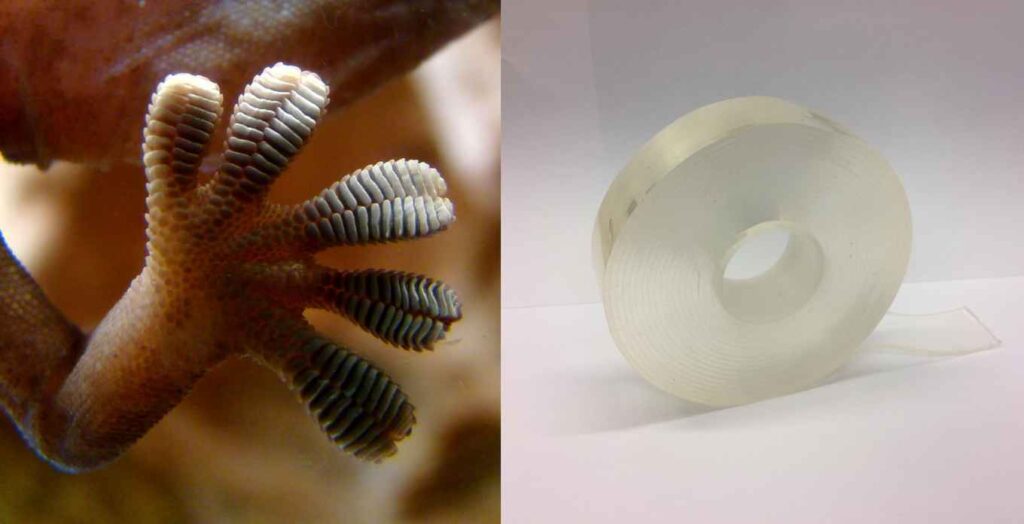
Adhesion comes from close contact. At very short distances, van der Waals forces pull surfaces together. Cohesion is the internal strength of the adhesive itself. Great tape balances both: strong grip to the surface and strong hold inside the adhesive.
Rate matters. Peel fast and some tapes let go. Peel slow and the adhesive stretches and holds. This is why a slow, steady pull often works better than a snap. In labs, we test peel, shear, and tack to map this behavior.
Personal note: I once tested two identical labels. The one pressed firmly for five seconds held through the night. The one tapped on with a finger fell by morning. Same tape, different pressure and time.
Why pressure helps and what surface energy means
Another angle on how does adhesive tape work is surface energy. High-energy surfaces like metals and glass are easy for tape to wet and grip. Low-energy plastics, like polyethylene and polypropylene, are harder. The adhesive beads up and makes less contact.
Pressure is your friend. It pushes the adhesive into microscopic valleys. More contact means more force holding the bond. Temperature helps too. Warm adhesive flows better and builds contact faster.
In practice, press with firm, even strokes. Rollers work great. Hold pressure for a few seconds. Allow dwell time. Bonds often get stronger over the first 24 to 72 hours as the adhesive relaxes and increases contact.
Does temperature affect stick?
Yes. Most PSAs like room temperature. Cold makes them stiff and less tacky. Gentle warmth helps flow and wet-out.
Is more pressure always better?
Up to a point. Firm pressure boosts contact. Crushing or stretching the backing can hurt the bond. Even, firm strokes win.
Why doesn’t tape stick to silicone?
Silicone has very low surface energy. Most adhesives cannot wet it. You need a silicone adhesive or a special primer.
Types of adhesive tape and when to use each
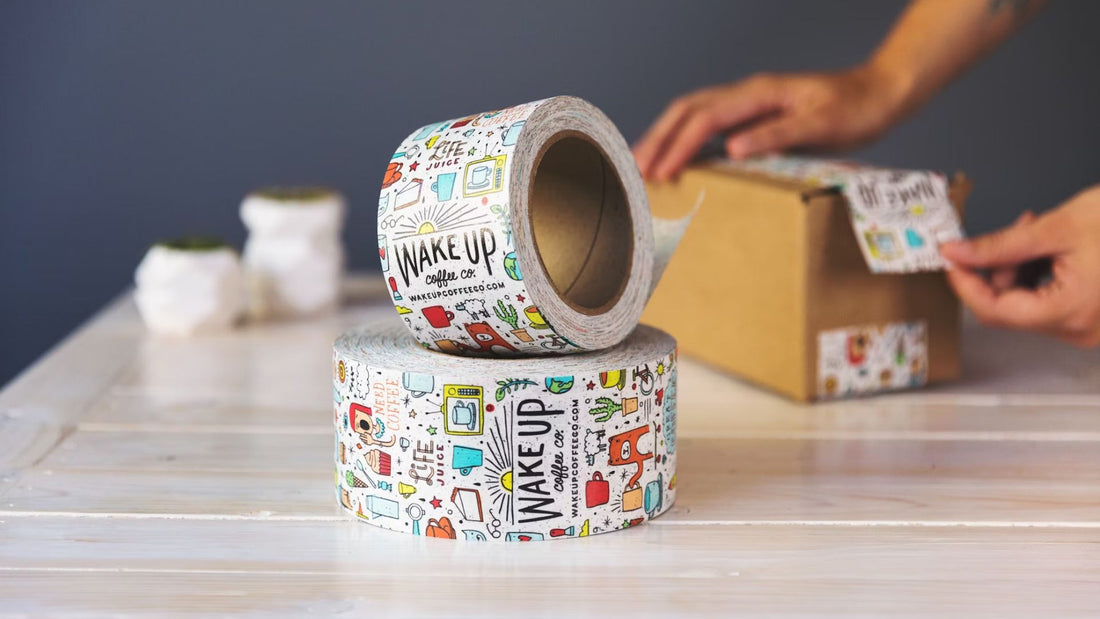
To answer how does adhesive tape work in real life, match the tape to the job. Different chemistries shine in different spots.
- Rubber-based PSA
- Very tacky and fast grab.
- Great on many plastics and cardboard.
- Lower temperature and UV resistance.
- Acrylic PSA
- Good shear and aging.
- Handles UV, heat, and cold better.
- Builds strength over time.
- Silicone PSA
- Sticks to silicone, fluoros, and low-energy surfaces.
- High temperature tolerance.
- Often higher cost.
Common formats and uses:
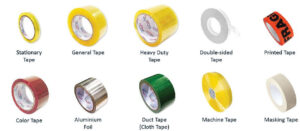
- Painter’s tape: Clean removal from walls. Short-term masking.
- Masking tape: Paper backing for paint lines and bundling.
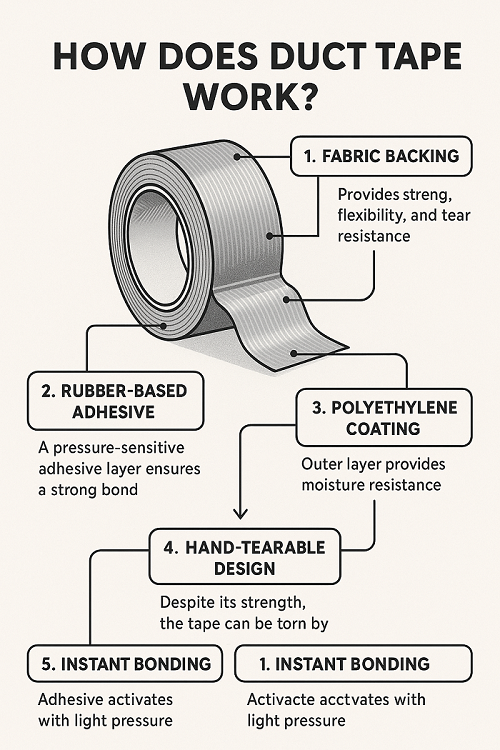
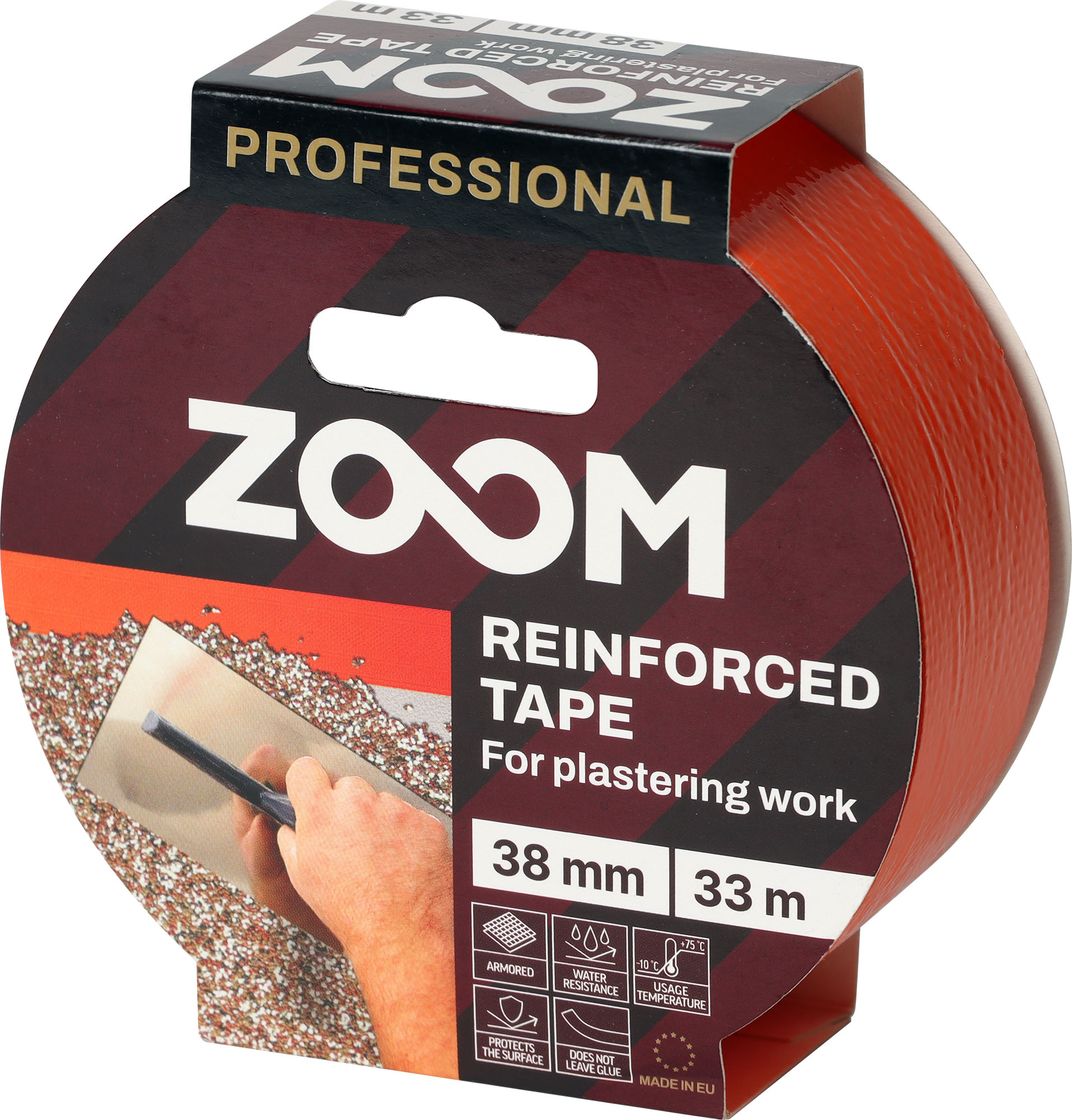
- Duct tape: Cloth-reinforced, general repairs, not for clean removal.
- Electrical tape: PVC backing, stretch and conform, electrical insulation.
- Double-sided film tape: Mounting light items on smooth surfaces.
- Foam tapes and VHB-style tapes: Gap-filling, high shear, semi-structural mounting.
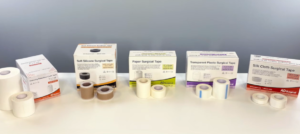
- Medical tapes: Skin-friendly, breathable, easy removal.
Tip from the field: For mirrors or panels, I choose high-bond acrylic foam. It excels in shear. For quick packaging, rubber-based tapes feel grabbier right away.

Real-world factors that change performance
In day-to-day use, how does adhesive tape work depends on conditions. These factors often decide success or failure.
- Cleanliness: Oils, dust, and release agents block contact. Even fingerprints weaken bonds.
- Texture: Rough surfaces lower contact. Foam tapes fill gaps better than thin films.
- Load direction: Shear loads are tape-friendly. Peel loads are risky.
- Time: Bonds grow with dwell. Give it hours, not seconds, when possible.
- Temperature and humidity: Cold slows flow. Heat can soften. Moisture can interfere.
- UV and aging: Some adhesives yellow or harden with light and time.
- Thickness: Thicker adhesives can conform better but may creep more.
Example: I once mounted a cable clip to a dusty concrete wall. It fell in a day. After a wipe with isopropyl alcohol and a switch to foam tape, it held for months.
How to make tape stick better: step-by-step
If you ask how does adhesive tape work and how to make it work better, a simple process helps.
- Clean the surface. Use isopropyl alcohol and a lint-free wipe. Let it dry.
- Warm it up. Bring tape and surface to room temperature. Slight warmth aids flow.
- Apply with pressure. Use firm, even strokes or a roller for 5 to 15 seconds.
- Design for shear. Whenever possible, orient the load along the plane of the tape.
- Allow dwell time. Expect full strength after 24 to 72 hours.
- Use primers if needed. On low-energy plastics, a primer can boost adhesion.
- Test a small area. Check for residue, paint lift, or weak hold before the full job.
- Avoid stretching the tape. Elastic recoil can lift edges later.
Pro tip: For bathroom hooks, I press hard, then tape the edges with painter’s tape for a day to prevent early peel. I remove the painter’s tape after the bond gains strength.
Limits, failure modes, and safety notes
Understanding where and how does adhesive tape work also means knowing its limits.
- Creep: Under constant load, adhesives can flow and slip. Watch vertical loads.
- Peel at edges: Wind, vibration, or handling can start a peel. Round corners to reduce edge lift.
- Residue or paint lift: Test first on painted walls and delicate surfaces.
- Heat and chemicals: Solvents and high heat can soften or dissolve adhesives.
- Skin use: Choose medical-grade tapes for skin. Remove slowly and support the skin.
When I mounted a small metal shelf with foam tape alone, it held at first but sagged over weeks. Switching to a mechanical fastener plus tape solved it. Tape is great, but not always a substitute for screws or anchors.
Sustainability, storage, and shelf life
A final lens on how does adhesive tape work is how long it keeps working.
Storage best practices:
- Keep rolls in a cool, dry place.
- Seal in a bag to limit dust and moisture.
- Store flat to avoid edge damage and telescoping.
- Avoid direct sunlight and heat.
Shelf life varies by chemistry. Rubber adhesives age faster. Acrylics last longer. Check dates if you rely on peak strength. For greener choices, paper tapes and water-activated gummed tapes use less plastic and can aid recycling workflows.
If a roll feels dry or loses tack, cut back a few wraps. Fresh adhesive inside often still performs well.
Common troubleshooting and quick fixes
When results fall short, revisit the basics of how does adhesive tape work and fix weak links.
- Tape won’t stick to plastic
- Clean with isopropyl alcohol.
- Warm the surface and use a primer or a tape designed for low-energy plastics.
- Edges lifting
- Round the corners.
- Add more pressure and allow dwell time.
- Falls off overnight
- Increase contact area or switch to a thicker or foam adhesive.
- Reorient the load to reduce peel.
- Leaves residue
- Use painter’s tape or a low-tack variant for delicate surfaces.
- Remove slow and low at 180 degrees. Use citrus cleaner if needed.
- Sticks too fast, misaligned
- Lightly tack first to align, then apply full pressure.
- Use spacers or tabs to position before final set.
Small habit, big gain: I always carry alcohol wipes and a small roller. Those two tools fix most tape problems before they start.
Frequently Asked Questions of How does adhesive tape work?
Does adhesive tape work better over time?
Yes. Many PSAs build strength in the first 24 to 72 hours. The adhesive relaxes and increases contact with the surface.
Can I use tape for heavy items on walls?
Sometimes. Use high-bond foam tapes and design for shear. For real weight, add mechanical fasteners.
Why does tape fail in the cold?
Cold stiffens the adhesive so it cannot flow and wet the surface. Warm the tape and the surface for a better bond.
How do I remove tape without damage?
Peel slow, low, and steady at about 180 degrees. Warm the tape and support the surface to reduce paint lift.
What’s the difference between tack, peel, and shear?
Tack is the first grab. Peel is resistance to lifting an edge. Shear is holding strength along the plane of the tape.
Will tape stick to brick or concrete?
Yes, with the right tape. Use thick foam or construction-grade acrylic and clean the surface well.
Is duct tape waterproof?
It is water resistant but not fully waterproof. For wet or submerged use, choose a tape designed for water sealing.
Conclusion
Adhesive tape works because a soft, viscoelastic adhesive flows into tiny surface features and forms countless weak molecular bonds. With the right pressure, temperature, and time, those small forces add up to strong, reliable holds. When you match the tape to the job and control the surface, your results soar.
Try the steps in this guide on your next fix or DIY mount. Notice how a clean surface, firm pressure, and dwell time change the game. Want more practical tips like this? Subscribe for fresh how-tos, or leave a question and I’ll help you pick the perfect tape for your project.