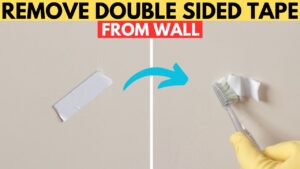
After removing tape, clean surfaces after removing tape by wiping with a soft cloth and warm soapy water to remove residue. For stubborn adhesive, use rubbing alcohol or vinegar, then rinse and dry the area to restore a smooth, clean surface.
Lift residue with heat, gentle solvent, and soft wiping to protect surfaces.
When people ask How to clean surfaces after removing tape?, they want safe, simple steps that work on many materials. I have cleaned sticky messes on painted walls, wood trim, glass, and even laptops for years. This guide explains what causes residue, the right tools, the order of actions, and what to avoid, so you can finish the job without damage.
Understanding Tape Residue And Why It Sticks
Most tape glue softens with heat and hardens when cool. It bonds to pores, paint, and texture. Rushing, pulling at a sharp angle, or leaving tape on too long makes the bond stronger.
If you wonder How to clean surfaces after removing tape?, start by reading the surface. Is it glossy or matte? Is it sealed or porous? Know the finish and you can choose the safest method.
Different tapes use different adhesives. Painter’s tape is weaker. Duct tape and packing tape are stronger and oil based. Labels may use acrylic glue that turns gummy with heat. Knowing this helps you pick the right solvent and speed.
Tools And Supplies You Actually Need
Gather simple tools first. This avoids panic once the glue starts to move.
- Hair dryer or heat gun on low for softening glue
- Plastic scraper, old credit card, or plastic razor blade for lifting
- Microfiber cloths and cotton swabs for gentle wiping
- Mild dish soap and warm water for final clean
- White vinegar or isopropyl alcohol for light residue
- Citrus adhesive remover, mineral spirits, or Goo Gone for tough spots
- Baking soda for a gentle paste on textured areas
- Olive oil or coconut oil for sensitive finishes
- Magic eraser used very lightly on hard surfaces only
- Painter’s tape for testing and blot-lifting loose bits
Having a small kit ready makes How to clean surfaces after removing tape? much easier and safer.
Surface-By-Surface Methods That Work
Every surface responds a little differently. Use these steps to tailor your approach.
Painted walls and trim
- Warm the residue with a hair dryer for 20 to 30 seconds.
- Lift with a plastic card at a shallow angle. Do not gouge.
- Dab a cloth with warm soapy water. Wipe in short strokes.
- If sticky remains, try a few drops of vinegar or alcohol on a cloth. Test in a corner first.
- Pat dry and inspect under bright light.
If you ask How to clean surfaces after removing tape? on flat paint, be extra gentle. Flat paint scuffs fast.
Finished wood and cabinets
- Warm slightly with low heat, moving the dryer to avoid softening the finish.
- Use a drop of cooking oil on a cloth. Work with the grain.
- Wipe clean with mild soapy water. Dry at once.
- For stubborn glue, use a tiny amount of mineral spirits on a cloth. Test first.
Glass, mirrors, and metal
- Heat is optional here. Many residues scrape off clean.
- Use a plastic blade at a very low angle. Mist water to reduce friction.
- Wipe with alcohol for a streak-free finish.
Plastics and appliances
- Avoid strong solvents that can haze plastic.
- Warm gently. Use oil or a citrus remover in small amounts.
- Wipe with soapy water and rinse well.
Electronics and screens
- Never soak. Unplug first.
- Use a tiny bit of isopropyl alcohol on a microfiber cloth. Avoid edges and ports.
- Lift residue with slow, light strokes.
These routines cover most real cases of How to clean surfaces after removing tape? without harm.
A Simple Step-By-Step Process For Any Surface
Think in layers. Start mild. Increase only if needed.
- Test in a hidden spot. Watch for dulling, color rub-off, or swelling.
- Warm the residue briefly. Keep the tool moving.
- Lift mechanically with a plastic card. Do not dig or pry hard.
- Wipe with warm soapy water. Pat dry.
- Try a mild solvent like vinegar or alcohol. Apply to the cloth, not the surface.
- Use a stronger remover only if needed. Work slow and ventilate.
- Neutralize and clean with soapy water again. Dry fully.
- Inspect in daylight. Repeat steps on small areas, not the whole surface.
Follow this order whenever you face How to clean surfaces after removing tape?. It keeps risk low.
Why is Blue Painters Tape So Expensive? – What Makes It Worth the Price
The “Pantry First” Approach (Gentle)
Before buying anything, try these methods to avoid damaging delicate finishes:
- Cooking Oil/Coconut Oil: Apply a small amount, let it “dwell” (soak in) for 10–15 minutes, then gently roll the adhesive off with your fingers or a soft cloth. This is the safest method for wood and plastics.
- Warm Soapy Water: Ideal for non-porous surfaces like glass or ceramic. Soak a rag in hot, soapy water and hold it over the area to soften the glue before wiping.
- Pencil Eraser: For small, stubborn spots on hard surfaces, friction from a standard rubber eraser can “ball up” the adhesive so it wipes away easily.
Safe Solvents: What To Use, When, And Why
Choose the least aggressive option that still works. Always test first.
- Warm water and dish soap remove dust and loosen light glue.
- White vinegar softens many acrylic adhesives without heavy fumes.
- Isopropyl alcohol flashes off fast and is safe on glass and most metals.
- Citrus adhesive removers cut oily glue but can soften some paints and plastics.
- Mineral spirits work on stubborn, oil-based residues on sealed wood and metal.
- Cooking oils and peanut butter are gentle options on finished wood, but clean well after to remove the oily film.
- Baking soda paste helps on texture, but rinse to prevent haze.
Your solvent choice is a big part of How to clean surfaces after removing tape?. Pick with care and go slow.
Prevention Tips So You Avoid Sticky Cleanup Next Time
The best cleanup is avoiding residue in the first place.
- Use the right tape for the job. Painter’s tape for walls. Low-tack for delicate areas.
- Do not leave tape on for weeks. Remove within the maker’s window.
- Warm the tape before you peel. Pull back on itself at a 45-degree angle.
- Seal paint fully before taping. Fresh paint needs curing time.
- For labels, stick them on a sacrificial card or tag, not the item.
If someone asks How to clean surfaces after removing tape?, I also teach them how to prevent it. It saves time and stress.

Common Mistakes To Avoid
Small errors cause big damage. Steer clear of these traps.
- Scraping with metal blades that score paint, glass, or wood
- Jumping straight to harsh solvents without testing
- Soaking porous surfaces that swell or stain
- Rubbing hard on flat paint and creating shiny burnish marks
- Mixing chemicals that can react or leave films
A calm, gentle plan is the heart of How to clean surfaces after removing tape?.

Troubleshooting: Stains, Dull Spots, Or Peeling Paint
Sometimes residue lifts but a blemish remains. Here is how I fix it.
- Dull spots on paint: Lightly clean, let dry, then touch up with matching paint.
- Oily halos on wood: Wipe with a mild soap solution, then buff dry. A tiny bit of furniture polish can even the sheen.
- Cloudy plastic: Use plastic polish with a soft pad. Avoid more solvent.
- Sticky shadows on glass: Alcohol wipe, then razor at a very shallow angle with care.
- Peeling paint: Stop. Patch and repaint rather than forcing more cleaning.
This is a real part of How to clean surfaces after removing tape?. Sometimes repair beats more scrubbing.
Safety And Environmental Considerations
Adhesive removers can be flammable and have fumes. Ventilate well. Keep away from sparks or flames. Wear gloves if your skin is sensitive.
Dispose of oily rags in a sealed metal can to avoid fire risk. Keep chemicals away from kids and pets. Read labels and follow local rules for disposal.
When planning How to clean surfaces after removing tape?, safety is as important as results.
Frequently Asked Questions of How to clean surfaces after removing tape?
Will heat damage paint or finishes?
Low, brief heat is usually safe. Keep the dryer moving and test first to avoid softening paint or varnish.
Can I use WD-40 to remove tape residue?
It works on many metals and some plastics, but it leaves an oily film. Clean with soapy water after and avoid on fresh paint.
What if the residue is very old and brittle?
Warm it longer, then lift gently with a plastic card. Use a citrus remover in small amounts and repeat short passes instead of one long scrub.
Is rubbing alcohol safe on all surfaces?
It is safe on glass and many metals. Test on paint and plastics because it can dull some finishes.
How do I avoid streaks on glass after cleaning?
Wipe with alcohol and a lint-free cloth. Finish with a dry microfiber to polish and remove haze.
Can I remove tape residue from car paint?
Yes, but test everything and avoid harsh solvents. Start with heat, then use car-safe adhesive remover and finish with a wash and wax.
How soon can I tape over fresh paint again?
Wait until paint cures per the label, often 7 to 30 days. Use delicate surface painter’s tape and remove it soon after painting.
What is the safest option for wood furniture?
Start with a drop of cooking oil and gentle wiping with the grain. Clean with soapy water and dry right away.
Will a magic eraser help?
On hard, glossy surfaces it can. Use very light pressure, and avoid on matte paint or soft plastics to prevent burnishing.
Can vinegar remove all types of adhesive?
No. It helps with many water-based and acrylic residues. Oil-based adhesives may need alcohol, citrus remover, or mineral spirits.
Conclusion
You now have a clear plan to remove sticky residue without drama. Start mild with heat, lift with a plastic card, try gentle cleaners, and only then reach for stronger solvents. Test first, work small, and protect the finish you worked hard to keep.
Put these steps to use on your next project today. If this helped, share it, subscribe for more how-tos, or drop a question so I can help with your exact sticky situation.