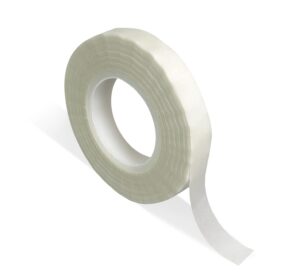
To remove double-sided tape adhesive, start by gently peeling off as much tape as possible. Apply a small amount of rubbing alcohol, adhesive remover, or warm soapy water to soften the sticky residue. Let it sit for a few minutes, then rub with a soft cloth or plastic scraper until the adhesive lifts. For stubborn spots, repeating the process or using a little vegetable oil or WD‑40 can help. Always clean the surface afterward with mild soap and water to remove any leftover residue.
Essential Tools for Removing Stubborn Residue
1. The Professional Choice: Goo Gone Adhesive Remover
If you are wondering how to remove double sided tape adhesive from glass, tile, or metal, this is the gold standard. It uses citrus-based oils to penetrate the “foam” part of the tape that usually stays stuck behind.
- Pro Tip: Let it sit on the residue for 5–10 minutes before wiping; it does the hard work for you.
2. The Secret Weapon: FULUDI Plastic Razor Scraper
Using your fingernails or a metal knife can ruin your surfaces. A plastic scraper is the best tool for removing double sided tape because it provides the leverage needed to “plow” through the adhesive without scratching the paint or glass underneath.
If you want to learn how to remove double sided tape adhesive without damage, you are in the right place. I’ve taken off miles of sticky foam and gunk from walls, cars, glass, and gadgets. I’ll show you clear, tested methods, when to use heat, which solvent is safe, and the tricks that make the job fast, clean, and stress-free.
How to Remove Double Sided Tape Residue (2025) – Quick & Easy Methods
How Double-Sided Tape Adhesive Works
Double-sided tape uses pressure sensitive adhesive. It softens with heat and dissolves with the right solvent. The base can be rubber, acrylic, or silicone, each with different strengths and sensitivities.
Age, sun, and pressure change the bond. Old tape turns brittle and leaves stubborn residue. Warm rooms make it tacky. Cold rooms make it stiff and hard to lift.
Knowing how to remove double sided tape adhesive starts with spotting the surface. Paint, glass, plastic, wood, and car clear coats all react in their own way. This helps you choose a safe method.
Tools and Materials You’ll Need
For how to remove double sided tape adhesive, gather simple, safe tools before you start.
- Hair dryer or low-temp heat gun
- Plastic scraper, old credit card, or a nylon spudger
- Dental floss or thin fishing line
- Microfiber cloths and paper towels
- Mild dish soap and warm water
- Isopropyl alcohol, 70–91 percent
- Citrus-based adhesive remover
- Mineral spirits for finished wood and some metals
- Acetone or nail polish remover for glass and bare metal only
- Ice pack for chilling thick foam tape
- Nitrile gloves and good ventilation
Tip from my bench: A plastic razor blade saves paint and plastics where metal blades would scratch.

Step-by-Step: How to Remove Double Sided Tape Adhesive on Any Surface
Below are safe, repeatable steps that work. This is how to remove double sided tape adhesive in a calm, controlled way, and protect your finish.
Painted walls and sealed drywall
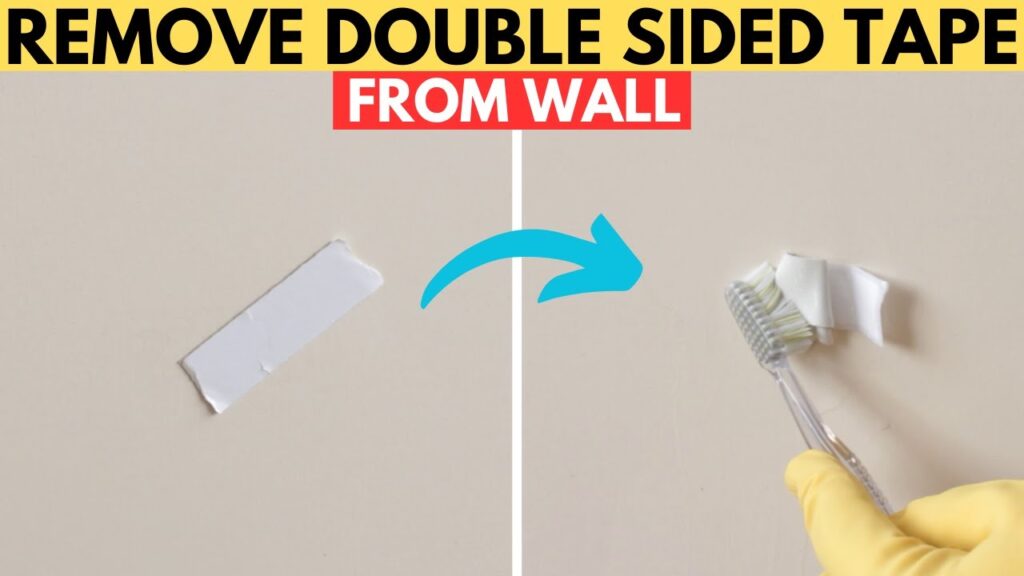
Here is how to remove double sided tape adhesive on painted walls.
- Warm the tape with a hair dryer for 30 to 60 seconds.
- Work dental floss behind an edge and saw gently to lift the foam.
- Roll off soft residue with your thumb or a plastic scraper.
- Wipe with a cloth dampened with warm soapy water, then alcohol.
- If needed, dab citrus remover for 1 minute, then wipe clean.
Pro tip: Pull low and slow at a 45-degree angle to reduce paint lift.
Glass and metal
Here is how to remove double sided tape adhesive on glass and metal.
- Warm with a hair dryer or lay an ice pack to embrittle thick foam.
- Peel or scrape with a plastic blade. Avoid steel razor unless you are trained.
- Use alcohol first. If still sticky, use a small amount of acetone on glass or bare metal only.
- Finish with glass cleaner for a streak-free look.
Finished wood and furniture
Here is how to remove double sided tape adhesive on finished wood.
- Test a hidden spot with alcohol or mineral spirits.
- Warm the area and lift the tape with a plastic scraper.
- Use mineral spirits on a cloth to loosen residue.
- Buff dry and, if needed, apply a little furniture polish to restore sheen.
Avoid acetone. It can cloud or strip finishes.
Plastics, acrylic, and electronics
Here is how to remove double sided tape adhesive on plastic and acrylic.
- Use low heat only. High heat can warp plastic.
- Lift edges with a nylon spudger or old card.
- Try alcohol first. If clouding starts, stop at once.
- Citrus remover is often safe. Test first and keep contact time short.
Never use acetone on polycarbonate or acrylic. It can craze or crack.
Fabric and carpet
Here is how to remove double sided tape adhesive on fabric.
- Freeze residue with an ice pack to make it brittle.
- Flake off the chunks. Use a spoon edge.
- Dab alcohol on the back side of the fabric. Blot, do not rub.
- Hand wash with mild soap. Air dry flat.
Auto paint and trim
Here is how to remove double sided tape adhesive on car paint and trim.
- Warm with a hair dryer. Avoid heat guns near clear coats.
- Use dental floss to cut foam badges and trim tape.
- Wipe residue with a paint-safe adhesive remover or mild citrus remover.
- Wash, then wax or seal the spot to restore gloss.
If residue is heavy on trim, an automotive eraser wheel on a drill can help. Keep speed low and move the wheel to avoid heat buildup.
Solvent Guide, Risks, and Safety
Small amounts of the right solvent make the job easy. Use the least aggressive option that works. Check the product label and the surface care guide.
- Soapy water. Safe on most surfaces. Loosens light tack.
- Isopropyl alcohol. Good first step for most finishes. Evaporates clean.
- Citrus-based adhesive remover. Strong on sticky residue. Test on plastics and fresh auto paint.
- Mineral spirits. Safer for cured wood finishes and metal. Not for plastics.
- Acetone. Very strong. Use only on glass and bare metal, never on paint or plastic.
- WD-type water displacers. Can help on metal. May stain porous surfaces.
Safety first:
- Ventilate well and wear nitrile gloves.
- Keep solvents away from flames and hot tools.
- Do not mix solvents.
- Test a small, hidden area and wait five minutes.
- Read the product safety data sheet for hazards and first aid.
These best practices come from shop standards and manufacturer guidance. They reduce risk while keeping results consistent.

Heat, Cold, and Mechanical Methods That Work
Heat softens pressure sensitive adhesive so it lets go. Cold makes thick foam tapes brittle so they crack and lift.
Effective methods:
- Hair dryer. Gentle and safe for paint, wood, and plastic. Keep moving.
- Low-temp heat gun. For outdoor use and metal. Stay at a distance.
- Steam. Helps on glass and tile. Avoid on wood and electronics.
- Ice pack. Good for fabric and thick foam pads.
- Plastic scraper and floss. Lift tape without scratching.
From my own shop: I once removed a wide foam tape from a glass table. Gentle heat, dental floss, then a two-minute soak with citrus remover. The foam slid off in ribbons, and alcohol gave me a streak-free finish.
If you wonder how to remove double sided tape adhesive fast, combine heat to lift the bulk, then a brief solvent pass to erase the haze.
Troubleshooting Stubborn Residue
Some adhesive fights back. Here is how to remove double sided tape adhesive when it will not budge on the first try.
Common problems and fixes:
- Old, oxidized glue. Cycle heat, scrape, then solvent. Repeat in short passes.
- Foam crumbs that smear. Roll them off with your thumb, not a cloth.
- Haze on plastic. Stop solvent use. Switch to warm soapy water and time.
- Paint lifting. Stop at once. Use low heat only and pull tape flatter and slower.
- Heavy car trim residue. Use an eraser wheel at low speed. Keep moving to avoid heat.
Know when to pause. If finish dulls or a test spot fails, change methods. Better to leave a thin film for a second pass than to damage the surface.

Prevention: Make Future Removal Easy
The best lesson from how to remove double sided tape adhesive is to plan for clean release next time.
Smart habits:
- Use removable mounting strips for walls and decor.
- Clean and dry surfaces before taping. Oil makes removal worse.
- For cars and finished wood, wax the area first. Adhesive bonds less.
- Choose the right tape grade. Acrylic foam for outdoors, removable for paint.
- Warm tape during install and press firmly. Even pressure reduces edge bleed.
- Note the removal tab direction so you can pull it low and slow later.
I label the install date on bigger projects. If I have to remove it within a year, it is much easier.

Frequently Asked Questions of how to remove double sided tape adhesive
Will vinegar remove double-sided tape residue?
It can help on glass, tile, and metal. For most jobs, isopropyl alcohol or a citrus remover works faster and leaves less odor.
What is the safest method for painted walls?
Start with low heat, floss, and a plastic scraper. Clean the haze with warm soapy water, then a light wipe of alcohol.
Can I use a razor blade on glass?
Yes, with care and a fresh blade at a shallow angle. Wet the area and keep strokes gentle to avoid scratches.
How do I remove adhesive from plastic without damage?
Use low heat and alcohol first. If that fails, test a citrus remover with short contact time and wipe fast.
Is Goo-type citrus remover safe on car paint?
Often yes, but test first and keep contact brief. Wash and wax after to restore protection.
How long should I let solvent sit on residue?
One to three minutes is enough for most adhesives. Longer soaks raise the risk of finish damage.
What if the tape lifted some paint?
Stop, let the area cool, and reassess. You may need light sanding and touch-up paint rather than more solvent.
Conclusion
You now know how to remove double sided tape adhesive with calm, simple steps. Warm it to lift, choose the mildest solvent that works, and use plastic tools to protect your surface. Test, go slow, and repeat short passes for a clean, safe finish.
Take one small project today and try the heat-then-wipe method. Share what worked for you, subscribe for more practical guides, or leave a question so I can help with your exact surface and tape type.