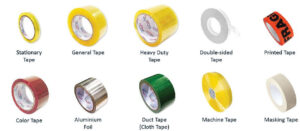
Adhesive tape can provide basic electrical insulation, but it is not always a reliable long-term insulator. Standard tapes like masking or packing tape are not designed to handle heat or electrical current and may degrade over time. Electrical tape, however, is specifically made to insulate wires and resist heat and moisture. For safety and durability, always use tape rated for insulation purposes, especially in electrical applications.
Top Recommended Insulation Products
If you are working on a DIY project, skip the office tape and use these industry-standard insulators available on Amazon.
Product Best For… Why it’s a “Real” Insulator 3M Super 33+ Vinyl Tape Professional Wiring Flame retardant and handles up to 600V. Liquid Electrical Tape Tight Spaces/Irregular Shapes Creates an airtight, waterproof seal where tape won’t fit. Heat Shrink Tubing Kit Permanent Repairs Provides the most secure, “factory-finish” insulation.
High-Temperature Tape Comparison Table
| Tape Type | Max Temp Limit | Best For… |
| Kapton (Polyimide) | 260°C (500°F) | Electronics, 3D printing, and circuit boards. |
| Aluminum Foil Tape | 150°C (300°F) | HVAC ducts, water heaters, and thermal insulation. |
| Glass Cloth Tape | 230°C (450°F) | Heavy-duty electrical insulation and oven seals. |
| Teflon (PTFE) Tape | 260°C (500°F) | Heat sealers, vacuum baggers, and friction reduction. |
Adhesive tape can insulate in a pinch, but only certain types are safe.
Is adhesive tape a good insulator? The answer depends on the tape, the voltage, and the heat it faces. I work with electronics and repairs, and I have tested many tapes in the field and in the lab. In this guide, I’ll show you when tape works, when it fails, and what to use instead so you can make a smart, safe choice.
What Surfaces Can Adhesive Tape Stick To?– Tips for Best Adhesion
What it means to “insulate” in the real world
Insulation stops the flow of energy. In this topic, that is usually electric current, but it can also be heat. A good electrical insulator has high dielectric strength. It resists voltage without breaking down. It also stays stable under heat, cold, and moisture.
Key ideas you should know:
- Dielectric strength: How much voltage a thin layer can hold back before it arcs.
- Leakage: Tiny currents that can still flow through or along a surface.
- Temperature rating: How hot it can get before glue softens or the backing fails.
- Listing and standards: Look for ratings like UL 510 and IEC 60454 for electrical tapes.
This frames the core question: Is adhesive tape a good insulator? It depends on material, thickness, and conditions.
Types of adhesive tape and how well they insulate
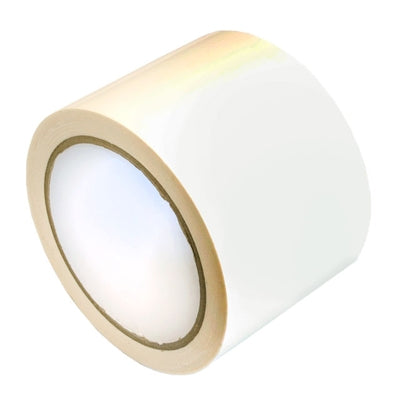
Not all tapes are equal. Some are made to insulate. Others are not.
PVC electrical tape
- Purpose: Electrical insulation on wires and splices.
- Strengths: Stretches well, seals, resists moisture. Typical working ratings cover household circuits when used as listed.
- Notes: Look for UL-listed, 600 V rated, and a wide temperature range.
Masking tape (paper)
- Purpose: Painting and labeling.
- Strengths: Easy to tear and write on.
- Limits: Paper absorbs water. Adhesive dries out. Poor long-term insulation. Avoid for live wires.
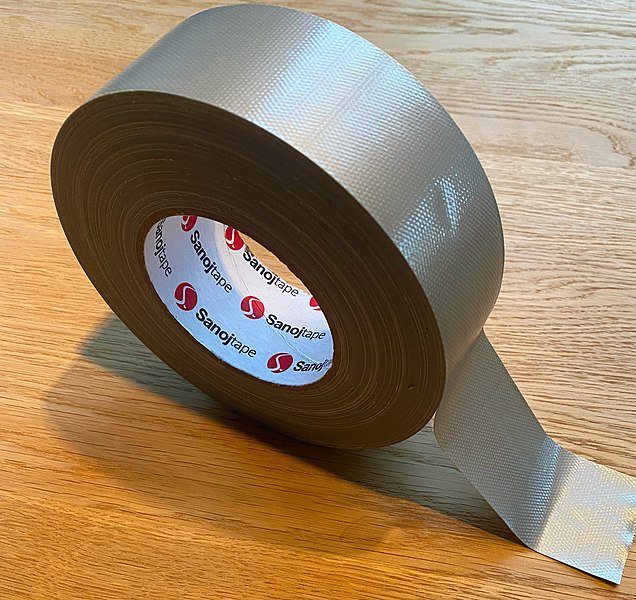
Duct tape (cloth with PE film)
- Purpose: Sealing and general fixes.
- Strengths: Strong and sticky.
- Limits: Not an electrical product. Cloth wicks moisture. Some adhesives contain carbon black, which can leak current.
Packing tape (BOPP)
- Purpose: Boxes and shipping.
- Strengths: Thin plastic film with decent dielectric strength.
- Limits: Adhesive creeps. Edges lift. Static buildup is common. Not safe for wiring.
Kapton tape (polyimide)
- Purpose: High-heat electrical and electronic work.
- Strengths: Excellent dielectric strength and heat resistance. Great for coils, motors, 3D printers, and PCBs.
- Limits: Adhesive can vary by brand. Choose a grade made for electrical use.
PTFE tape (thread seal tape)
- Purpose: Pipe threads.
- Strengths: PTFE is a great insulator and heat resistant.
- Limits: It is not adhesive. It is slippery and thin. Not for wire splices.
Foil tapes and EMI tapes
- Purpose: Shielding and ducts.
- Strengths: Conductive metal or conductive adhesive.
- Limits: Many are conductive by design. These are not insulators.
Is adhesive tape a good insulator? Only when it is made for electrical insulation and used within its rating.
Can adhesive tape hold heavy objects?– Weight Limits & Best Types
Is adhesive tape a good insulator? The practical answer
The short answer to “Is adhesive tape a good insulator?” is mixed. Electrical tape, Kapton, and a few specialty tapes are good insulators. Many other tapes are not.
- When it can be good
- Low-voltage electronics and auto harnesses with proper electrical tape.
- High-temperature masking on PCBs with polyimide tape.
- Bundling and strain relief where the tape is listed for the job.
- When it is not good
- Mains splices without proper connectors.
- Wet, greasy, or hot spots where glue softens.
- Long-term outdoor use with non-listed tapes.
If you ask, Is adhesive tape a good insulator for mains voltage in home wiring, the safe answer is no, unless it is a listed electrical tape used as part of a proper splice or termination. For hobby circuits, Is adhesive tape a good insulator? Sometimes. Use electrical tape or polyimide within their limits.
What the numbers say:
- Electrical PVC tape is commonly listed to 600 V. It has high dielectric strength across its thickness and is tested to standards.
- Polyimide film shows very high dielectric strength and keeps it at high heat.
- Masking, duct, and packing tapes have no electrical listing. Their glue can age fast. Their moisture uptake is high. Risk rises over time.
Real-world use cases, tips, and lessons learned
I have used tape in cars, drones, and appliances. Some wins, some fails.
- Win: Automotive harness repair with quality electrical tape.
- I cleaned the wire, staggered the splices, and wrapped with stretch and overlap. It held for years in heat and vibration.
- Fail: A PC fan lead wrapped in masking tape.
- It worked for a week, then the tape dried and peeled. The wire shorted on the case.
- Win: 3D printer bed wiring secured with polyimide tape.
- The tape handled heat and flex. The joint stayed clean and safe.
- Lesson: Tape + dirt = trouble. Clean surfaces. Use the right tape. Add strain relief.
Is adhesive tape a good insulator in a car? With proper electrical tape and prep, yes for minor repairs. For fuel-pump or ABS lines, use proper connectors and boots.

Limits, risks, and code issues you should not ignore
Tape is thin. It ages. It moves. Know the risks.
- Heat: Adhesive can ooze, shrink, or char. Hot spots cause breakdown.
- Moisture: Water tracks along edges and fibers. Leakage rises fast.
- Mechanical stress: Movement cuts insulation at sharp edges.
- UV and oil: Sun and chemicals weaken both film and glue.
- Standards and code: Many codes require listed splicing devices. Tape alone is not a legal “splice” in most mains wiring.
Is adhesive tape a good insulator for permanent building wiring? No. Use proper connectors, insulation boots, or heat-shrink and follow local code.
How to test tape insulation at home (safe, simple checks)
You can do a few basic checks without special gear. Be careful and test on low-voltage setups only.
- Visual check
- Look for even wrap, full coverage, and no sharp corners.
- Continuity and short check
- With the device off, use a multimeter to confirm no shorts.
- Leakage hint
- On DC circuits, measure if any stray current flows where it should not. If you see drift, your wrap may be damp or dirty.
- Heat check
- Power the circuit under load. Touch near the wrap. Warm is normal. Hot is not. If it smells, fix it.
Better labs use a megohmmeter and high-pot testers. For home users, keep tests simple and safe.
Is adhesive tape a good insulator after your tests pass? It may be fine for low-voltage use. Recheck it after a week and after a month.
Better options when you need reliable insulation
Sometimes you should skip tape and use a stronger method.
- Heat-shrink tubing
- Great for splices and connectors. Choose adhesive-lined for a seal.
- Wire connectors and terminals
- Crimp or lever connectors are fast, safe, and code-friendly.
- Liquid electrical tape
- Seals odd shapes. Use in clean, dry areas.
- Sleeving and boots
- Silicone or fiberglass sleeves handle heat and abrasion.
- Polyimide or fiberglass tapes
- For motors, coils, and high-heat parts where listings apply.
Is adhesive tape a good insulator compared to heat-shrink? For quick fixes, maybe. For lasting safety, heat-shrink wins.
Buying checklist and pro application tips
If you must use tape, choose well and wrap right.
What to look for:
- UL or IEC listing for electrical insulation.
- Voltage rating and dielectric strength.
- Temperature range and adhesion data.
- Backing type: PVC for general use, polyimide for heat.
- Brand reputation and datasheets.
How to wrap like a pro:
- Clean and dry the area.
- Start with a half overlap. Stretch the tape slightly.
- Taper the ends to avoid lift.
- Add strain relief so the joint does not bend at one spot.
- Label the repair with date and tape type.
Is adhesive tape a good insulator when applied this way? It is far better, and often good enough for low-voltage repairs.

Frequently Asked Questions of Is adhesive tape a good insulator?
Is adhesive tape a good insulator?
It can be, but only certain types. Use UL-listed electrical tape or polyimide tape for real insulation jobs.
Can I use duct tape on electrical wires?
No. Duct tape is not an electrical product. It absorbs moisture and can leak current over time.
Is masking tape safe for temporary fixes?
It is not reliable. Paper absorbs water and the glue dries fast, so failures happen soon.
What tape should I use near high heat?
Use polyimide tape or fiberglass sleeves. Choose products with clear temperature ratings and electrical listings.
Will packing tape insulate low-voltage circuits?
It can block contact for a moment, but it is not a safe insulator. The adhesive creeps and edges lift.
Is electrical tape enough for a home mains splice?
No. Use approved connectors and enclosures. Tape can dress the joint, but it is not a compliant splice on its own.
How many layers of electrical tape do I need?
Two to three tight wraps with overlap is common. Follow the tape maker’s guide and check for full coverage.
Conclusion
Adhesive tape can insulate, but only the right tape, used the right way, in the right place. Electrical PVC tape and polyimide tape work well within their ratings. General tapes like masking, duct, and packing tape do not. Ask yourself the key question each time: Is adhesive tape a good insulator for this exact job, voltage, heat, and environment?
Make safer repairs today. Choose listed products, prep the surface, and wrap with care. Want more guides like this? Subscribe, share your project, or drop a question in the comments.