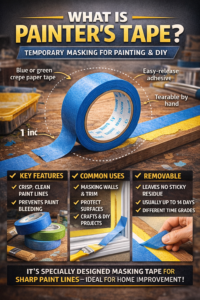
Painters Tape vs Scotch Tape: Painters tape is specifically designed to provide clean paint lines without leaving residue, thanks to its low-adhesion, easy-peel surface. Scotch tape, on the other hand, offers stronger adhesion for general-purpose use but can leave sticky residue and damage surfaces when removed. Painters tape reduces paint bleed and ensures smoother, professional-looking edges, making it ideal for painting projects, whereas Scotch tape is better suited for everyday sealing, wrapping, or light repairs.
It’s a rainy Sunday afternoon, and I’m standing in front of a half-painted accent wall in my living room. I reach for the drawer, hoping to grab the right adhesive, but I’m met with two rolls staring back at me like they’re waiting for a decision. I’ve been here before. I’ve used the wrong tape and watched in horror as it peeled off a layer of fresh paint or left a sticky, gray residue that mocked me for weeks. It’s that sharp, sinking feeling of realizing you’ve just traded an hour of project work for three hours of repairs.
What’s the Actual Difference Between Painters Tape and Scotch Tape?
Painters tape uses a low-tack, pressure-sensitive adhesive designed to stick firmly while painting and release cleanly without pulling up paint or drywall. Scotch tape uses a stronger, permanent-style adhesive—great for paper, terrible for walls. Same category, completely different jobs. Think of one as a polite houseguest that knows when to leave, and the other as someone who glues themselves to your couch and refuses to budge.
How painters tape is made (and why the color matters)
I’ve come to love the feel of painter’s tape. It has that slightly stretchy, crepe paper backing that just loves to conform to corners. It’s designed to be “tacky but gentle.” You press it down to form a seal, but it doesn’t try to become one with the wall.
The colors actually mean something, too. I usually reach for the blue roll for standard indoor work. If I’m working on a rougher surface or something outside, I grab the green. And if I need a razor-sharp paint line? That’s where the yellow FrogTape comes in; it uses special technology to lock the edge. There is honestly nothing more satisfying than that crinkle-tear sound followed by a perfectly clean peel on a crisp Saturday morning. It’s a tiny win that makes the whole project feel worth it.
How Scotch tape is made (and why “magic” isn’t just marketing)
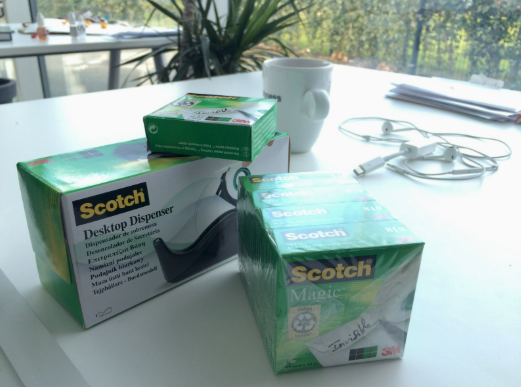
Then, there is Scotch tape. It’s made from a stiffer film, like cellulose acetate, which is why it’s so transparent and tears so neatly. The adhesive is aggressive—it’s made to bond permanently to paper or cardboard.
“Magic” tape isn’t just a clever name. It has a matte finish that lets you write on it and cuts down on that annoying glare. But keep it away from your walls. Honestly, using standard clear tape on a painted wall is basically like applying a wax strip to your drywall. It’s built to stay, and it will take whatever it’s attached to with it when it goes. Plus, it’s not heat-resistant; that old photo you taped to the fridge five years ago? The tape has likely yellowed and turned into a brittle, impossible-to-remove mess.
Painters Tape vs Scotch Tape for Painting — No Contest, But Here’s Why
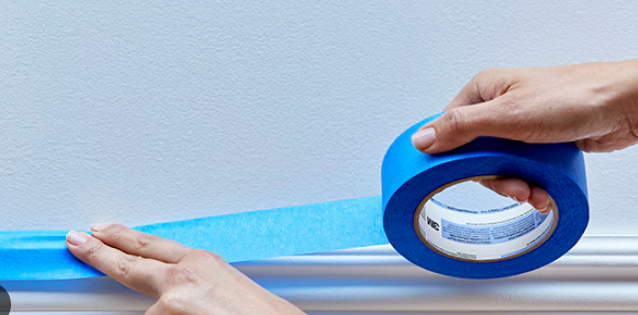
For any painting project — walls, trim, ceilings, or cabinets — painters tape wins completely. It is engineered to create a paint barrier, stay put under humid conditions, and lift off without drama when the job is done. Scotch tape will bond to your wall like a barnacle, lift paint on removal, and laugh at you from across the room.
How to get perfectly clean paint lines
The secret isn’t just the tape; it’s the technique. I always press the edge down firmly with a credit card to stop paint bleed. For extra-sharp lines, I seal the tape edge with a thin coat of the base wall color first. Once that dries, I apply my new color.
When it’s time to peel, I pull at a 45-degree angle while the paint is still slightly tacky. If you wait until it is bone dry, the tape can sometimes snap the paint film. I learned this the hard way on a holiday weekend, rushing to finish an accent wall before guests arrived. Also, never leave the tape on for more than 14 days. Even the best low-tack adhesive will eventually become too clingy for your drywall.
Which painter’s tape brand actually works best?
I have tried them all, and my tape drawer tells a clear story:
- 3M ScotchBlue: This is my reliable standard. It works on most surfaces and is available everywhere.
- FrogTape (Yellow): This is my premium pick. It uses PaintBlock technology to seal edges, which is a game-changer.
- 3M ScotchBlue with Edge-Lock: I reach for this specifically on textured surfaces like popcorn ceilings or orange-peel walls.
I used to think all blue tape was the same, but the first time I used FrogTape, the difference was shocking. The lines were so crisp I didn’t have to touch them up with a small brush. While FrogTape costs about 20% more than basic options, it is worth every penny for trim or detailed work.
For Wrapping Gifts and Paper Crafts — Scotch Tape’s Time to Shine
On wrapping paper, cardstock, and gift boxes, Scotch tape — especially Scotch Magic — is exactly right. It grips paper without tearing, disappears visually, and holds folds securely through shipping and handling. Painters tape on a Christmas present is technically possible, but it looks like someone wrapped the gift with bandages. Context is everything.
Scotch Magic Tape vs regular clear Scotch tape
When I am in a midnight, Christmas Eve wrapping scramble, I only want one thing in my hand: Scotch Magic Tape.
- Scotch Magic: It has a matte finish that is nearly invisible on most paper. It doesn’t reflect light, so your photos of the gifts look great.
- Regular clear Scotch: This tape has a high-gloss finish. It creates a distracting glare that makes your taping job look messy and obvious.
Stick to the matte version for a professional look.
When painters tape is surprisingly useful for crafts
I keep a roll of painters tape near my desk because it is actually a hero in disguise for non-painting tasks:
- Watercolor resist: It blocks color perfectly and peels off without tearing your wet paper.
- Wall mounting: I use it to hang notes or photos temporarily. It holds well and leaves zero residue behind.
- Labeling: You can write on it with a Sharpie and remove it cleanly when you reorganize your bins.
- The “Emergency” Fix: I once used it to hold a broken cabinet hinge in place for six months. It held up surprisingly well, though I definitely recommend a real repair eventually!
Surface Compatibility: What Each Tape Does (and Destroys) on Different Materials
The surface you are taping matters enormously. Fresh paint, wallpaper, delicate wood finishes, and latex surfaces are all vulnerable to Scotch tape’s aggressive adhesive. Painters tape was designed to play nice with these surfaces. Flip the script on glass, metal, or sealed tile, and Scotch tape often holds better, while painters tape may slide or lift prematurely. Always check your surface type before you press that roll down.
Where painters tape is safe — and where it still fails
I have learned this the hard way. Painters tape is generally safe for fresh drywall, latex paint, plaster, and bare wood. However, it can be risky on flat or matte paints because they are highly absorbent.
- Safe: Drywall, plaster, and standard wallpaper.
- Risky: Chalk paint or lime wash walls. Always test a small, hidden patch first.
- Fails: Greasy or dusty surfaces.
I once tried to tape off a baseboard without cleaning it first. Because of the dust, the tape didn’t seal well, and when I pulled it off, I found that half the paint had actually stuck to the adhesive. It was a messy, frustrating afternoon. Always wipe your surfaces down before you start.
Where Scotch tape is fine — and where it’s a disaster
Scotch tape is excellent for paper, cardboard, and glass. But if you use it on a painted wall, you are asking for trouble. Even a small note can peel off the paint when you remove the tape.
- Safe: Paper, cardboard, and laminated surfaces.
- Risky: Wood furniture and older wallpaper.
- Disaster: Any porous surface.
The worst part is the “sticky ghost” marks left behind. If you leave Scotch tape on wood or paint, it can leave a residue that is nearly impossible to clean without damaging the finish. You might end up needing Goo Gone just to save your sanity.
Adhesive Strength, Residue, and the Sticky Truth About Long-Term Use
Scotch tape has significantly higher adhesive tack—great for permanent bonds on paper, bad news for anything you want to remove intact. Painters tape is engineered to release cleanly for up to 14 days on most surfaces. Beyond that, heat, humidity, and sunlight start degrading the adhesive, and things get messy—literally. It is vital to understand that time is not your friend when it comes to adhesives.
The science of low-tack vs high-tack adhesives
You don’t need a chemistry degree to understand the basics of how these tapes hold onto things:
- Tack: This is the instant “grab” you feel the moment the tape touches a surface.
- Peel Strength: This is the force needed to pull the tape off. It is very different from tack.
Painters tape is designed with moderate tack and very low peel strength. It holds just enough to stay in place. Scotch tape, however, is the opposite. It might feel easy to apply, but its peel strength increases drastically once it cures.
Pro-tip: Heat and time are the enemies. When you leave tape in a warm spot, the adhesive can migrate into porous materials like wood or drywall. Once that happens, it becomes almost impossible to remove cleanly.
How to remove tape residue without ruining the surface beneath
If you find yourself with a sticky mess, don’t panic. I have dealt with this many times:
- Fresh residue: Use a cloth with a bit of rubbing alcohol. Use a gentle, circular motion.
- Old or stubborn residue: Apply a little Goo Gone and let it sit for 2 minutes before wiping.
- Painted walls: Try olive oil or coconut oil, but test it on a hidden spot first to ensure it won’t stain.
What NOT to do: Never scrape with metal on painted drywall. It seems obvious in hindsight, but when you are in the heat of the moment, it is tempting. Also, think about your holiday schedule. If you leave decorations up from December until March, that extra time in the sun and heat means the residue will be significantly harder to clean off later.
Quick Comparison: Painters Tape vs Scotch Tape at a Glance
If you need one quick reference before you run to the hardware store or kitchen drawer, here it is. Use painters tape for anything involving paint, delicate surfaces, or temporary adhesion. Use Scotch tape for paper, gifts, crafts, and fixing things you don’t mind staying fixed. When in doubt, painters tape does less damage. That is the honest, short version to keep you out of trouble.
| Use Case | Surface Type | Adhesive Strength | Removal | Residue Risk | Best For |
| Painting | Painted Walls | Low-Moderate | Easy (Clean) | Very Low | Painters Tape |
| Gift Wrap | Paper/Cardboard | High | Difficult | Moderate | Scotch Tape |
| Crafts | Various | Moderate | Variable | Low-Medium | Painters Tape |
| Quick Fixes | Hard Surfaces | High | Permanent | High | Scotch Tape |
Can You Use Painters Tape Instead of Scotch Tape (or Vice Versa) in a Pinch?
Yes, but only with full awareness of the trade-offs. Painters tape can wrap a gift in a crisis, but it looks low-budget and may not hold folds securely. Scotch tape can technically mask a paint line, but expect paint bleed and possible wall damage on removal. Swapping them works once; relying on it is how rooms get ruined and holiday mornings get stressful.
When painters tape substitutes for Scotch tape — and holds up
I have definitely reached for the blue roll when my desk drawer was empty. It works surprisingly well for:
- Labeling: Use it on storage bins, cardboard boxes, or charging cords. It is easy to write on and peels off without a fight.
- Securing rugs: It holds mats in place on hard floors for a few days without damaging the wood.
- Craft projects: Use it for masking designs where you know you’ll need to remove the tape soon.
Note: It will look a bit goofy—like you’re moving house—but it is perfectly functional for low-stakes tasks.
When Scotch tape substitutes for painters tape — and fails
I once tried using Scotch tape to mask a baseboard. Never again. It works for simple tasks like holding paper templates on wood or keeping stencils flat on paper. However, using it to mask walls is a disaster. If your latex paint is less than 30 days old, the high-tack adhesive will likely rip the paint right off. I have seen grown adults cry over a baseboard. It was because of Scotch tape.
The Overlooked Tapes Worth Knowing (Beyond the Blue and the Clear)
The painters tape vs Scotch tape conversation is really just the tip of the adhesive aisle. There is also double-sided tape, drafting tape, washi tape, floor masking tape, and heat-resistant tapes—each solving a specific problem better than either of the two most-grabbed rolls. Knowing even one or two of these extras saves real headaches on specific jobs and helps you keep your home looking its best.
Washi tape — the fun middle ground
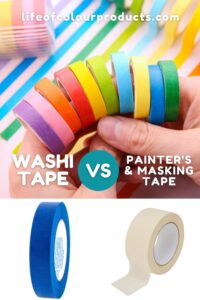
Washi tape is like the artistic cousin of painters tape. It is low-tack, decorative, and comes in every pattern you can imagine. I love using it for journaling, marking my calendar, or letting my kids decorate their room. Because it won’t damage most walls in the short term, it is my go-to choice for gallery walls or seasonal displays.
Double-sided tape — the third option nobody mentions
Double-sided tape is a secret weapon that almost nobody talks about.
- Gift wrapping: It creates invisible seams that look cleaner than any surface tape.
- Mounting items: It is perfect for hanging lightweight photos or art. Command Strips are basically the heavy-duty version of this.
- Hemming fabric: Tailor’s double-stick tape is a real product that has saved me from embarrassing wardrobe malfunctions more than once.
Frequently Asked Questions About Painters Tape vs Scotch Tape
Is painters tape the same as masking tape?
No. Masking tape is the older, rougher version with a stronger, less predictable adhesive. Painters tape, like the common blue variety, is engineered with a finer adhesive for a clean release that won’t tear your paint job.
Will Scotch tape damage painted walls?
Yes, it likely will. Scotch tape has high-tack adhesive that bonds aggressively to latex paint, especially if the paint is fresh (under 30 days old) or eggshell finish. You risk peeling the paint right off the wall.
How long can you leave painters tape on?
Most painters tapes are rated for 14 days of clean removal. Premium versions like FrogTape can last up to 21 days. Be careful: high heat or direct sunlight will degrade the adhesive much faster, making it difficult to remove.
Can painters tape be used for gift wrapping?
Technically, yes. It will hold paper, but it looks clunky and lacks the professional finish of Scotch Magic tape. Only use it as a last-resort backup when you are in a holiday time-crunch at 11pm.
Which tape is better for walls: painters tape or Scotch tape?
Always painters tape. Its low-tack design is specifically made to protect your walls. Using Scotch tape on a painted surface is a calculated risk that is rarely worth the inevitable repair work.
Does painters tape work on glass?
Yes, it works beautifully on glass and removes without leaving a sticky mess. It is actually standard practice to use it on windows while painting to protect the glass from stray brush strokes or spray.
The Right Tape for the Right Moment — A Simple Way to Remember It
Painters tape lives in the garage, near the drop cloths and rollers, for surfaces you care about. Scotch tape lives on the desk or in the junk drawer, for paper and quick fixes. They are not competing; they are just solving different problems. Buy both, know which drawer each one goes in, and you will never accidentally ruin a wall or a gift wrap again.
I remember rummaging through that same junk drawer months later, finally seeing both tapes properly labeled and stored in their right places. It felt like a small win for home maintenance.