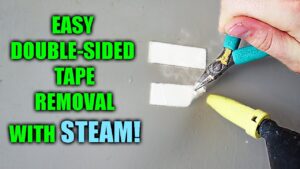
What is Double Sided Tape?
Double-sided tape is a type of adhesive tape that has sticky surfaces on both sides, allowing it to bond two surfaces together without visible tape on the outside. It is commonly used for mounting, crafting, scrapbooking, and industrial applications where a clean, seamless appearance is desired. Double-sided tape comes in various strengths, thicknesses, and materials, including foam, paper, and acrylic, to suit different surfaces and weight-bearing needs.
Introduction to Double Sided Tape
Have you ever peeled a strip of tape and wondered why it only sticks on one side? It feels like a missed opportunity. I used to think the same thing until I “flipped the script” and discovered the magic of double sided tape.
To put it simply, it is a strip with adhesive on both sides. It lets you bond two surfaces together while staying completely hidden. No messy glue drops or bulky tape loops are needed.
I first fell in love with it on a rainy Sunday in my living room. I was trying to hang photos, but I didn’t want to ruin my freshly painted walls with nails. This tape was a game-changer. It’s perfect for:
- Everyday tasks: Hanging pictures or fixing a loose rug.
- Quick crafts: Making last-minute birthday cards that look professional.
- Stress-free fixes: No mess, no fuss—just instant stickiness that holds firm.
History and Evolution of Double Sided Tape
Who knew sticky stuff could have such a cool story? I certainly didn’t until I started digging into how my favorite DIY tool came to be.
Origins of Adhesive Tapes
The journey started with early experiments using glue and cellulose-based adhesives. Back then, things were pretty messy! It wasn’t until the 1960s that we saw the first commercial double sided tapes. This was a huge leap in tape history, moving us away from sticky pots of goo to a clean, dry adhesive innovation that anyone could use at home.
Modern Innovations
Today, the tech has gone way beyond my craft drawer. We now have formulas that can withstand high heat or hold up heavy objects. I’ve seen specialty tapes used in everything from sleek electronics to tough car parts.
For instance, I once met some car enthusiasts in Detroit. They didn’t use bolts to attach sleek trim to their vehicles; they used industrial-strength double sided tape. It’s strong enough for a speeding car, yet simple enough for my scrapbooking. It’s amazing to see how far a little strip of “sticky” has come!
How to Remove Double Sided Tape Adhesive – Quick and Easy Techniques
Types of Double Sided Tape
The best way to choose a tape is to know your project. In my years of DIY, I have learned that not all tapes are the same. Some stick forever, some help with bumps, and others are just for paper. Using the wrong one can lead to a messy floor and a broken frame, so let’s look at the main types I keep in my toolkit.
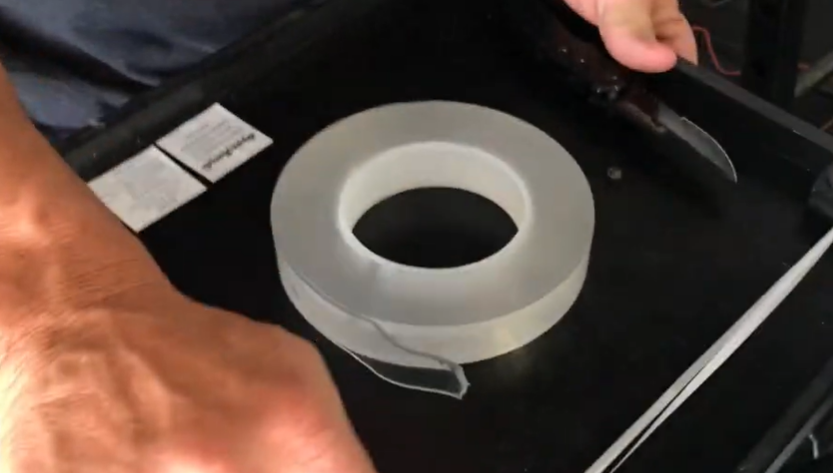
Foam Double Sided Tape
This is my go-to for walls that aren’t perfectly flat. It has a squishy core that fills in gaps. Last Saturday, I used it to mount a lightweight shelf in my bedroom. The wall was a bit bumpy, but the foam hugged the surface perfectly.
- Best for: Uneven surfaces and adding a bit of cushion.
- Bonus: It kills vibrations, so it’s great for things that might rattle.
Paper Double Sided Tape
This tape is very thin and easy to tear with your hands. I use this most often during the holidays when I make DIY greeting cards. It keeps the paper flat without adding any bulk. If you love scrapbooking, this is your best friend.
- Best for: Paper, photos, and light crafts.
- Feel: It is very low-profile and invisible under thin sheets.
Acrylic Double Sided Tape
If you want a bond that feels like a serious commitment, this is it. It is thick, clear, and very strong. I once used it to fix an outdoor sign on a hot summer day. Even in the rain and sun, it didn’t budge. It feels slightly stiff to the touch, which tells you it means business.
- Best for: Glass, metal, and outdoor use.
- Strength: Highly weather-resistant and long-lasting.
Specialty Tapes
Sometimes, you need something very specific. I’ve seen automotive tape hold car trims in place through car washes. There is even medical-grade tape. A friend of mine who works in a hospital told me they use it to keep devices on skin without causing any pain.
- Industrial Bonding: For heavy-duty construction tasks.
- Electronics: Special thin tapes that hold phone screens in place.
How Double Sided Tape Works
Double sided tape works through a mix of clever chemistry and physical pressure. It is essentially a “sandwich” of stickiness. Most tapes I use rely on a carrier—like paper or foam—coated on both sides with acrylic, rubber, or silicone-based adhesives.
I’ve found that the real “magic” happens when you press down. Many of these are pressure-activated. This means the bond gets stronger the more you firm it up. There is a weirdly high level of satisfaction in that “perfect snap” when two surfaces finally grab hold of each other.
One thing I learned the hard way: always peel the backing slowly. If you rush it, you end up with a “sticky finger fiasco” where the tape bonds to you instead of the wall!
Common Uses of Double Sided Tape
If your daily life involves fixing, decorating, or building, this tape is your best friend. It is a toolkit in a roll that replaces messy glues and sharp nails. I use it constantly because it keeps my projects looking clean and professional.
Home and Decor
I use this tape all over my house. It is perfect for hanging photos, mirrors, or light frames without putting holes in the drywall. Last holiday season, I used it to string up lights and banners. The best part? Everything stayed up, and I didn’t ruin the paint when I took it down. It’s also a lifesaver for fixing rug corners that refuse to stay flat.
Crafts and DIY Projects
In my craft room, this stuff is king. When I’m scrapbooking or making cards, paper double sided tape keeps things neat. If I want a “3D” look, I’ll use a bit of foam tape to lift an image off the page. It adds depth and makes a simple card look like I bought it at a fancy shop.
Automotive and Industrial Applications
Believe it or not, your car is likely held together by this tape! It is used to secure trims, badges, and even parts of the dashboard.
I remember a weekend car DIY trip to Houston to help a friend. We had to fix a loose door trim. Instead of using dozens of tiny, annoying plastic clips that always break, we used a high-strength industrial tape. It was faster, easier, and that trim hasn’t moved an inch since. It’s even used in electronics to hold tiny parts inside your phone without using bulky screws.
How to Remove Double Sided Tape Residue (2025) – Quick & Easy Methods
Advantages of Double Sided Tape
The main benefit of double sided tape is that it creates a strong, invisible bond without the mess of liquid glue. I love it because it keeps my projects looking clean and professional. There are no wet smudges to wipe away and no bulky tape loops showing on the edges.
In my experience, it is a total lifesaver for these reasons:
- Total Versatility: I have used it on paper, metal, plastic, and even smooth wood. It sticks to almost anything.
- Easy to Use: You just peel and press. Most types are easy to remove if you change your mind later.
- Better Safety: It reduces the need for sharp nails or screws. I feel much safer hanging decor in a child’s room knowing there are no metal points involved.
Limitations and Things to Watch Out For
Even my favorite sticky hero has its weak spots. Double sided tape is amazing, but it is not a “one size fits all” fix. I have had a few moments where things didn’t go as planned, usually because I ignored the rules of the road.
First, watch out for surface compatibility. If a wall is oily, wet, or very dusty, the tape will slide right off. I once tried to tape a note to a greasy kitchen backsplash, and it fell before I even walked away! Also, pay attention to weight limits. If you try to hang a heavy mirror with thin paper tape, you will hear a crash in the middle of the night.
Finally, there are residue issues. Some cheap tapes leave a gummy, sticky mess behind. My pro tip? Always test a tiny patch in a hidden spot before you go all in.
Tips and Tricks for Using Double Sided Tape Effectively
To stick things like a pro, you need more than just good tape; you need a good plan. Over the years, I have picked up a few hacks that make a huge difference.
- Prep is Key: Always clean your surfaces first. A quick wipe with rubbing alcohol removes dirt that kills the stickiness.
- Pressure is Magic: Don’t just touch it; press it! Apply firm, even pressure for ten seconds to lock the bond.
- Sharp Tools: Use scissors for clean edges. Tearing it with your teeth or fingers can warp the adhesive.
- Layer for 3D: In my craft projects, I layer foam tape. It creates a cool 3D effect that makes images pop.
I even have a funny story from a busy Monday morning. I once lost my car keys on a wooden table. I couldn’t find them anywhere! I finally found them stuck to the bottom of a coaster because a bit of tape had leaked. At least I knew the tape was working!
Safety and Storage Tips
I have learned that how you store your tape is just as important as how you use it. If you want your double sided tape to stay sticky, you have to treat it right. I once left a roll on my sunny porch during a holiday weekend, and the heat turned the adhesive into a gooey mess. It was a sad day for my DIY plans!
To keep your tape in top shape, follow these simple rules:
- Keep it Cool: Store your rolls in a cool, dry place like a drawer or a plastic bin.
- Hide from the Sun: Direct sunlight can degrade the glue, making it brittle or way too runny.
- Watch the Kids: Sticky fingers deserve care too! Keep tape away from children and pets who might think it’s a toy.
Choosing the Right Double Sided Tape for Your Project
The best way to choose your tape is to match the adhesive to your specific task. In my experience, picking the wrong side is usually why things fall down. It is all about the surface type and the weight of what you are sticking.
Imagine it is 10 PM on a Tuesday. You are in your kitchen trying to hang a heavy party banner. If you use thin paper tape, that banner will fall before the guests arrive. Here is how I make the choice:
- Check the Surface: Is it smooth like glass or rough like wood? Use foam tape for bumpy spots.
- Check the Weight: For heavy mirrors or outdoor signs, go with strong acrylic tape. It feels stiff and holds tight.
- Inside or Outside?: If your project will face rain or heat, make sure the label says “weather-resistant.”
Conclusion
In short, double sided tape is a versatile and powerful tool that belongs in every home. It is easy to use, hides perfectly, and saves you from the hassle of nails and messy glue. I use it for everything from fixing my rugs to building complex crafts.
Just remember to clean your surfaces and press down hard to lock that bond. Stick wisely, and your life will be a lot less messy!
FAQs about Double Sided Tape
Q1: What is double sided tape?
A: Tape coated with adhesive on both sides, used to stick two surfaces together invisibly.
Q2: What surfaces can it stick to?
A: Paper, wood, metal, plastic, glass, and some fabrics—clean and dry surfaces work best.
Q3: Is it removable?
A: Some types are removable without residue, but strong tapes (like acrylic) may leave marks.
Q4: Can it hold heavy objects?
A: Standard tapes are for lightweight items; foam or industrial tapes handle heavier loads.
Q5: Where is it commonly used?
A: Crafts, home décor, automotive trims, electronics assembly, and temporary fixes.
Q6: How should it be stored?
A: Keep in a cool, dry place away from sunlight and dust for best performance.
Q7: Can I use it outdoors?
A: Only certain weather-resistant or acrylic tapes are suitable for outdoor use.