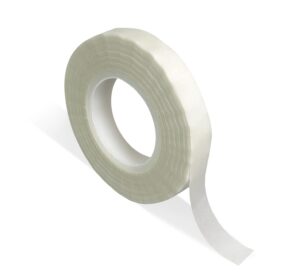
Kinesiology tape is a stretchy cotton strip that lifts your skin slightly to help reduce pain and support muscles without limiting movement. You might see it in bright colors on athletes, but regular people use it for everyday aches too.
This guide explains what kinesiology tape is and who benefits most from using it. We will look at the simple steps to put it on yourself and warn you about situations where you should see a doctor instead.
Who actually needs kinesiology tape
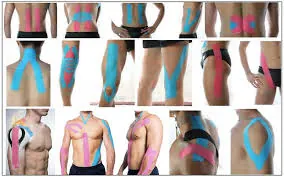
You probably saw this colorful tape on TV during the Olympics and wondered if you need it for your weekend run. Others want a drug-free way to manage chronic back pain or swollen ankles.
This page is for active adults who have minor muscle strains, joint stiffness, or swelling they want to manage at home. It helps runners, office workers, and parents needing extra support. If you have a broken bone, a deep cut, or severe nerve damage, this tape isn’t for you and you need a doctor immediately. We assume you have a minor soft tissue issue and want to stay active while it heals.
What changes how well it works
The tape itself doesn’t heal you; your body does the work while the tape creates space under your skin. If your skin has oil, lotion, or hair, the tape will peel off in hours instead of staying for days. You must clean the area with alcohol and shave thick hair so the glue sticks properly to your skin.
The second factor is the tension you use when applying the strip. Too much stretch pulls the skin too hard and causes blisters or irritation, while too little stretch does nothing at all. Most mistakes happen because people pull too hard; aim for 15 to 25 percent stretch. You can find the right feel by stretching the middle of the strip until it feels firm but not tight.
The third factor is the direction you apply it relative to your muscle. Putting it from the muscle start to the end helps calm an overworked muscle, while the opposite direction can help wake up a weak one. Check a diagram for your muscle group before cutting.
How to apply kinesiology tape yourself
You can apply this tape at home in less than ten minutes if you follow the right order. Here are the steps to do it safely and effectively.
- Clean your skin with rubbing alcohol and let it dry completely so no oil remains.
- Cut one or two strips to the length you need and round the corners so they don’t catch on clothes.
- Tear the paper backing in the middle of the strip to expose the center section first.
- Stick the center down with zero stretch, holding the ends in your hands without touching the glue yet.
- Peel one paper end off and lay that tail down with about 20 percent stretch over the sore spot.
- Lay the final tail down with no stretch at all to anchor it firmly to your skin.
- Rub the whole strip vigorously with your hand for ten seconds to warm up the glue.
The single judgment call that separates a good job from a bad one is knowing when to stop stretching. If you feel the skin pulling hard or turning white, you have stretched it too much and should remove it immediately. Never apply tape over open wounds, rashes, or areas where you can’t feel sensation, as this can cause serious skin damage.
Best Scissors To Cut KT Tape: Tested 7 Best Scissors for Cutting Kinesiology Tape
Different ways to use the tape
Not every injury needs the same shape or pattern of tape to feel better. The method depends on whether you need joint support, swelling reduction, or pain relief. This table shows the common situations and the best approach for each one.
| Situation | Best Pattern | Effort Level | Watch For |
|---|---|---|---|
| Small joint pain | Single I-strip | Low | Skin lifting at edges |
| Large muscle strain | Two parallel strips | Medium | Blisters from too much stretch |
| Swelling after injury | Fan or web cut | High | Tape getting wet too soon |
| Posture support | Long Y-strip | Medium | Restriction when breathing deep |
| Knee stability | X-shape cross | High | Rolling down when bending leg |
Each pattern serves a different purpose, so don’t use a knee pattern on your shoulder. The fan cut is great for moving fluid away from a bruise, while the I-strip is better for supporting a tired tendon. You’ll know it’s working if the pain decreases when you move, not just when you rest.
Secrets for better results
Experienced users know that timing matters just as much as the technique you use. Beginners often apply tape too soon, but the glue needs time to set. Apply the tape at least thirty minutes before you start sweating so the adhesive bonds fully to your skin.
Preparation and removal details
Another detail pros handle differently is how they remove the tape. Pulling it off quickly hurts and damages the skin. Instead, soak the tape with baby oil or warm soapy water and peel it slowly in the direction of your hair growth.
Checking the fit
While the tape is on, check the edges every few hours for the first day. If you see red lines under the tape that don’t go away after pressing gently, the tension is too high. Remove it immediately to avoid a blister.
8 Best Scissors For Cutting Double Sided Tape: Mess-Free Cuts
Troubleshooting common problems
Even when you follow the steps, skin reactions or premature wetting can undermine the application. This table matches what you might see with the likely cause and the quick fix you can try at home.
| What you notice | What it usually means | What to do first | How to stop it happening again |
|---|---|---|---|
| Edges peeling up | Oil or lotion on skin | Press down firmly after drying | Clean skin with alcohol first |
| Itchy red rash | Allergic reaction to glue | Remove tape immediately | Try a different brand next time |
| Blisters under tape | Stretched too tightly | Cut tape and peel off gently | Use less stretch on application |
| No pain relief | Wrong direction applied | Remove and reapply opposite way | Check muscle origin and insertion |
| Tape falls off fast | Sweating too soon | Dry area and re-stick edges | Wait 30 mins before exercise |
If you see a rash that spreads beyond the tape area, stop using the product entirely and wash the skin with cool water. Always test a small piece on your arm before using a full strip on your back or leg.
Safety rules and limits
There are no strict laws against buying this tape, but medical groups have clear rules on who should use it.
People with active cancer, blood clots, or open infections should never use this tape without a doctor’s permission. The lifting action on the skin could theoretically move fluid in ways that are dangerous for these conditions.
Also, don’t leave the tape on for more than five days at a time, as dead skin builds up underneath and can cause infection. If you have sensitive skin, limit wear time to two days and give your skin a break in between.
Time and money costs
Buying a roll of quality tape is inexpensive relative to a visit to a physical therapist, and one roll lasts for about three to five applications depending on the size of the area. The real cost is your time spent learning the correct patterns, which might take a few tries to get right.
If you apply it wrong, you waste the strip and have to cut a new one, so practice on a non-painful area first. Cheap tapes often have weak glue that fails in humidity, costing more over time. Invest in a reputable brand sold at sports stores or pharmacies to ensure the adhesive holds through sweat and showers.
Caring for your skin afterwards
Once you finish your activity or the five-day limit, you need to remove the tape carefully to keep your skin healthy. Leave the tape on while showering to let water and soap loosen the glue. After removal, wash the area with mild soap to remove any sticky residue and apply a gentle moisturizer.
Check your skin for any red marks or bumps before applying a new strip. If the skin looks raw or irritated, wait at least twenty-four hours before taping that spot again. If the tape gets dirty or smelly, take it off immediately regardless of how many days it has been on.
When to skip this method
Don’t use kinesiology tape if you have a fracture, a dislocated joint, or severe swelling that makes your limb look deformed. These injuries need immediate medical attention and immobilization, not flexible tape. Using tape on a broken bone could allow movement that causes further damage to nerves or blood vessels.
Also, skip this method if you have known allergies to acrylic adhesives or latex, as most tapes contain these materials. If you try a small patch and your skin turns bright red or swells up, wash it off and don’t use that brand again. People with fragile skin due to age or medication should avoid strong adhesives entirely to prevent tearing.
Frequently asked questions
How long does kinesiology tape last?
It typically stays on for three to five days if applied correctly on clean, dry skin. Showering and swimming usually don’t affect it, but heavy sweating or friction from tight clothes might loosen the edges sooner.
Is it safe to sleep with tape on?
Yes, you can sleep with it on as long as you don’t feel numbness or tingling in your limbs. If the tape feels too tight when you lie down, remove it immediately to restore proper blood flow.
Can I cut the tape myself?
Yes, you should cut the strips to your needed length and always round the corners to prevent them from catching on clothing. Pre-cut strips are available, but custom cutting lets you fit the tape exactly to your muscle shape.
Does the color of the tape matter?
No, the color is purely cosmetic and doesn’t change how the tape works or how strong it is. Blue, pink, black, and beige tapes all have the same elasticity and adhesive properties from the same manufacturer.
What happens if I get it wet?
Water doesn’t ruin the tape, and you can shower or swim while wearing it. However, you should pat it dry with a towel afterward rather than rubbing it hard, which might lift the edges.
Why does my skin itch under the tape?
Itching usually means the tape was applied with too much tension or your skin is reacting to the adhesive. Remove the tape immediately and wash the area; if the itching persists, consult a doctor before trying again.
Do I need to shave before applying?
You don’t need to shave completely smooth, but very hairy areas will prevent the glue from sticking well. Trimming thick hair with scissors or shaving lightly helps the tape adhere securely without pulling your hair later.
Your next step with kinesiology tape
Start by cleaning a small, non-painful area of your skin and applying one short strip to test how your body reacts. You should feel slight support and no pain within an hour if the tension is correct. If you see blisters, severe redness, or increased pain, stop using the tape and seek help from a medical professional.
Conclusion
Give it a try next time you feel a little sore. You don’t need to be a pro athlete to benefit from this simple trick. Just listen to your body, apply the tape gently, and keep moving forward with more comfort in your day.