Use low-tack painter’s tape made for delicate surfaces on fully cured paint.
You want clean walls and clean results. I’ve tested dozens of tapes on fresh makeovers and old rentals. In this guide, we’ll dig into what tape is safe for painted walls, and why it matters. You’ll learn the science behind adhesion, the right tape for your surface, and pro tips to avoid peeled paint or sticky residue.
How paint and adhesion affect what tape is safe for painted walls
When people ask what tape is safe for painted walls, I start with the paint itself. Tape is only as safe as the surface allows. If the paint is soft, dusty, or not cured, even gentle tape can lift it.
Here’s what changes the risk:
- Paint cure time: Most latex paints need 14 to 30 days to cure. Tape on uncured paint can pull color or sheen.
- Sheen and type: Flat and matte are delicate. Eggshell and satin hold better. Oil-based paint resists more than latex.
- Surface prep: Dust, grease, and chalky residue make tape stick unevenly. That leads to lifted chips.
- Climate: Heat, sun, and humidity raise tack over time. UV can harden adhesives.
- Adhesive chemistry: Rubber-based adhesives grab fast but can tear paint. Acrylic adhesives are more stable, with cleaner release.
Key takeaway: what tape is safe for painted walls depends on cured paint, clean surfaces, and low-tack adhesives with a clean-removal window.
Types of tape that are safe on painted walls
The short list of what tape is safe for painted walls includes gentle painter’s tapes and a few specialty options. Here’s how they differ in real life use.
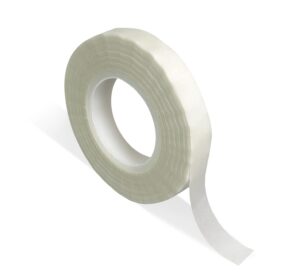
- Delicate-surface painter’s tape (often purple or pink): Built for fresh paint (after it cures), flat/matte, accent walls, and wallpaper. Clean removal windows often range from 7 to 60 days. My go-to for murals, stripes, and gallery walls.
- Multi-surface painter’s tape (often blue): Medium tack. Great on cured eggshell, satin, and semi-gloss. Ideal for trim masking. Avoid on fragile finishes.
- Washi tape: Thin, paper-based, low tack. Nice for light decor, kids’ art, and labels. Works best on smooth, cured paint. Test first on matte walls.
- Drafting/artist tape: Low-tack paper tape from art stores. Safe for short-term positioning and light holding. Remove within a few days.
- Poster tape and removable mounting squares: Some are safe on paint, others are not. Check labels for “removable” and “paint-safe.” Many are best for short-term use.
- What to avoid on painted walls: Duct tape, packing tape, clear office tape, electrical tape, and high-tack masking tape. These can tear paint or leave residue.
If you want one simple rule for what tape is safe for painted walls, start with delicate-surface painter’s tape. Then match the tape to your wall finish and the time it will stay up
How to test what tape is safe for painted walls at home
A small patch test beats a repair job every time. To figure out what tape is safe for painted walls, follow this quick routine that I use on client projects.
- Check the cure: Confirm the paint is at least 14 to 30 days old. When unsure, wait longer.
- Clean the spot: Wipe with a barely damp microfiber cloth. Let it dry.
- De-tack the tape: Press the tape to clean fabric once to lower stick if needed.
- Apply a sample: Use a 2-inch strip in a low-visibility spot. Smooth lightly with a finger only.
- Wait and check: Leave for 30 minutes. Remove at a 45-degree angle, low and slow. No lift? Try a longer test for your real timeline.
- Remove right: Pull back on itself at 45 degrees. Warm stubborn tape with a hair dryer on low to soften adhesive.
If any paint lifts, switch to a gentler tape or use non-tape options like removable hooks or poster putty.
Use cases: choosing what tape is safe for painted walls by task
Different jobs need different tapes. Here’s how I match them in the field.
- Painting crisp lines on matte walls: Delicate-surface painter’s tape. Burnish edges with a plastic card, not a fingernail.
- Temporary decor and party banners: Washi tape or delicate painter’s tape. Keep up for a few days.
- Hanging art or frames: Skip tape. Use removable adhesive strips rated for paint, and follow weight limits.
- Cable routing and labels: Use cord clips or low-tack washi for labels. Avoid duct or electrical tape.
- Kids’ art display: Washi tape or reusable putty for light pieces. Rotate often.
When clients ask what tape is safe for painted walls in rentals, I suggest delicate painter’s tape for short stints and removable hooks for anything heavier.
Common mistakes when choosing what tape is safe for painted walls
I see the same errors again and again. Avoid these and you’ll avoid repairs.
- Leaving tape up for weeks: Tack increases over time. Respect the clean-removal window on the roll.
- Pressing too hard: Extra pressure drives adhesive into paint pores. Light pressure is enough.
- Using old or sun-baked tape: Aged adhesive gets gummy and can tear paint.
- Taping uncured paint: Even gentle tape can lift fresh finishes.
- Ignoring surface dust: Dust breaks the bond and leads to jagged lifts.
If you’re unsure what tape is safe for painted walls, run a patch test and remove within a day.
Buying guide: labels that signal what tape is safe for painted walls
Product packaging hides great clues. Here’s how to read it fast.
- Delicate surface or low tack: Look for “delicate,” “low tack,” or “for cured walls.” This is your safest start.
- Clean removal days: You’ll see 7, 14, 21, 60, or even 60+ day claims. Shorter windows often mean gentler adhesives.
- UV and indoor rating: UV resistance helps if tape sees sunlight. Indoor-only tapes can harden in bright light.
- Width options: Narrow tape delivers tighter curves. Wider tape protects better but can raise removal force.
- Temperature range: If your space swings hot or cold, pick a tape rated for it.
- Storage notes: Keep tape cool and dry. Heat or sun in a garage can ruin adhesive.
These cues help you decide what tape is safe for painted walls before you even open the roll.
Special surfaces and conditions
Some walls need extra care. Adjust your plan to avoid damage.
- Fresh paint under 30 days: Avoid tape if you can. If you must, test the gentlest painter’s tape and remove the same day.
- Textured or orange-peel walls: Tape seals can fail. Use delicate painter’s tape, press lightly, and test first.
- Chalk, limewash, or specialty finishes: These are fragile. Prefer clamps, stands, or removable hooks designed for such surfaces.
- High humidity bathrooms and kitchens: Tack rises with moisture. Shorten the time tape stays up.
- Primed but not painted walls: Primer can pull. Paint first, let it cure, then tape.
On complex surfaces, what tape is safe for painted walls may change day to day with heat and humidity. When in doubt, test and time-limit.
Frequently Asked Questions of what tape is safe for painted walls
What tape is safe for painted walls if the paint is new?
Wait 14 to 30 days after painting before using tape. Then choose a delicate-surface painter’s tape and remove it within the same day.
Can washi tape damage paint?
It’s low tack and often safe on cured, smooth walls. Test a small area first and remove within a few days to be safe.
Is blue painter’s tape safe on matte paint?
Use a delicate-surface version for matte or flat finishes. Standard blue tape can be too strong for fragile sheens.
How do I stop tape from peeling paint?
Clean the wall, de-tack the tape, and apply light pressure. Remove at a low 45-degree angle, pulling back on itself, and warm if needed.
What can I use instead of tape for hanging items?
Use removable adhesive hooks, picture hanging strips, or reusable putty. These are made for painted walls and rated by weight.
Conclusion
Safe taping is simple when you match the tape to the paint, respect cure time, and test first. Delicate-surface painter’s tape and washi tape cover most needs, and clean removal comes from light pressure and slow, angled pulls.
Try one tip today: run a 2-inch patch test with delicate painter’s tape where you plan to use it. If it passes, you’re set. Want more smart home tips like this? Subscribe, share your results in the comments, and tell me which tape worked best on your walls.