What Will Remove Duct Tape Glue
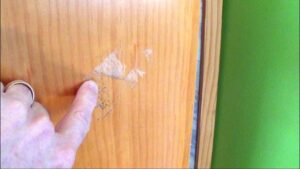
Anyone who has used duct tape knows that the sticky residue it leaves behind can be a real headache. Whether it’s on glass, plastic, metal, wood, or even fabric, duct tape glue often seems more stubborn than the tape itself. But don’t worry—there are several proven ways to remove this sticky mess safely and efficiently. Let’s look at what really works, why, and how to avoid damaging your surfaces.
What Will Remove Duct Tape Glue
The most effective ways to remove duct tape glue are using rubbing alcohol, cooking oils, commercial adhesive removers, vinegar, baking soda paste, heat, and even simple soap and water. Each method has its strengths and works better on certain surfaces. Always test your chosen method on a small, hidden spot first to prevent damage.
Why Duct Tape Glue Is So Stubborn
Duct tape glue is made to be strong and long-lasting. Its adhesive is a mix of natural and synthetic rubber, plasticizers, and tackifiers. This combination is great for sticking but not for removing. Over time, the glue can harden, dry out, or get even stickier, making it harder to clean.
Temperature, humidity, and the type of surface also affect how stubborn the residue is.
Rubbing Alcohol: The Universal Cleaner
Rubbing alcohol, or isopropyl alcohol, is a great first choice. It breaks down glue without harming most surfaces like glass, metal, or plastic.
- Soak a soft cloth or cotton ball with rubbing alcohol.
- Press it onto the sticky area for 1–2 minutes.
- Rub gently until the glue comes off.
- Wipe with a clean, damp cloth to remove any alcohol left behind.
Alcohol evaporates fast, so it rarely leaves marks or stains. However, avoid using it on painted or varnished wood, as it can dull the finish.
Pro tip: If the glue is old and dry, let the alcohol sit longer—up to 10 minutes.
Cooking Oils: Gentle And Natural
Everyday oils like olive oil, coconut oil, or vegetable oil can soften duct tape glue. This is a safe method for skin, wood, and delicate surfaces.
- Apply a few drops of oil to the residue.
- Wait 5–10 minutes for the oil to penetrate.
- Rub gently with a soft cloth or your finger.
- Wash the area with soap and water to remove any oily film.
Cooking oils work by loosening the glue’s grip. However, be careful with porous surfaces like unsealed wood or fabric, as oil can leave stains.
Commercial Adhesive Removers
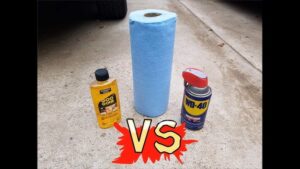
For tough jobs, adhesive removers like Goo Gone or WD-40 are very effective. These products are made to break down sticky substances quickly.
- Apply the remover directly to the glue.
- Let it soak for 2–5 minutes.
- Wipe away with a cloth or paper towel.
Some removers have a strong smell, so use them in a well-ventilated area. Always read the label to ensure it’s safe for your surface.
Quick Comparison: Alcohol Vs. Oil Vs. Commercial Remover
Here’s a simple guide to help you pick the right method:
| Method | Best Surfaces | Works Fast? | Risk of Damage |
|---|---|---|---|
| Rubbing Alcohol | Glass, Metal, Plastic | Yes | Low (not for painted wood) |
| Cooking Oil | Skin, Wood, Delicate Items | Moderate | Possible oil stains |
| Adhesive Remover | Most surfaces | Yes | Check instructions |
Vinegar: The Simple Acid Trick
White vinegar is a mild acid that can dissolve sticky glue. It works best on smooth surfaces like glass, tiles, and some plastics.
- Soak a cloth in vinegar and place it over the glue for 5–10 minutes.
- Wipe away the softened residue.
- Rinse with water.
Vinegar is safe, cheap, and leaves no chemical smell. On the downside, it may not be strong enough for very old or thick glue.
Baking Soda Paste: For Tough Residue
If the glue is dry or caked on, a baking soda paste can help scrub it off without scratching.
- Mix baking soda with a small amount of water or oil to make a thick paste.
- Apply the paste to the glue.
- Let it sit for 10–15 minutes.
- Rub gently with a cloth or sponge.
- Rinse with water.
The paste acts as a gentle abrasive. It works well on metal, glass, and hard plastics but avoid using on soft plastics or polished wood.
Heat: The Secret Weapon
Heat softens duct tape glue, making it easier to wipe away. A hair dryer or heat gun works best.
- Set the dryer to medium heat.
- Hold it a few inches from the glue for 30–60 seconds.
- Use a cloth or scraper to peel off the softened glue.
Be careful not to overheat plastic or painted surfaces, as they can warp or discolor.
Heat Method: Best Surfaces And Safety
| Surface | Can Use Heat? | Warning |
|---|---|---|
| Glass | Yes | None |
| Metal | Yes | Use gloves, gets hot fast |
| Plastic | Sometimes | Keep heat low |
| Painted Wood | Not recommended | Paint may bubble |
Soap And Water: For Light Residue
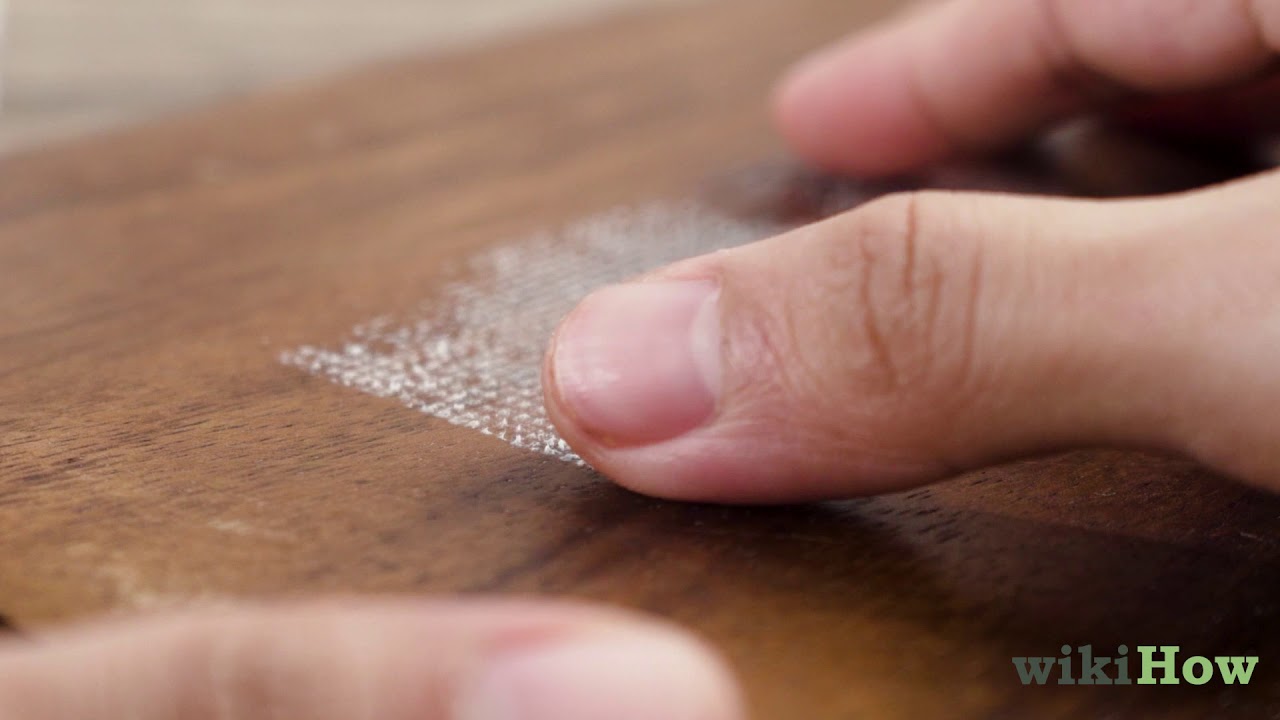
If the glue is fresh or only a little remains, soap and water can be enough. Use warm water and a gentle dish soap.
- Soak a cloth in soapy water.
- Rub the sticky area in circles.
- Rinse and repeat if needed.
This is the safest option for painted, finished, or delicate items, but may not work on thick, old glue.
Surfaces That Need Special Care
Some materials need gentle cleaning to avoid damage.
- Painted walls and wood: Use mild soap and water or rubbing alcohol with care.
- Fabric: Test any cleaner on a hidden area first. Oils and commercial removers can stain.
- Electronics: Use rubbing alcohol on a cotton swab. Never use water or oil near wires or battery contacts.
Two Insights Beginners Usually Miss
- Layered Removal Works Best: Sometimes, one method isn’t enough. For example, you can use heat to soften the glue, then finish with rubbing alcohol or oil. This two-step approach often saves time and effort.
- Residue Attracts Dirt: Even if the glue feels mostly gone, a thin layer can remain and collect dust. Always wipe the area with soap and water as a final step, even after using other methods.
Common Mistakes To Avoid
- Scraping with metal tools. This can scratch glass, plastic, and wood.
- Using harsh chemicals like acetone or paint thinner without checking if the surface can handle it.
- Forgetting to ventilate the area when using strong-smelling removers.
- Rushing. Let the cleaner soak in—patience makes removal easier.
How To Prevent Duct Tape Glue Problems
- Use painter’s tape or masking tape for temporary jobs—they leave less residue.
- Remove duct tape before it hardens (within a few days).
- Clean the area with soap and water after tape removal, even if it looks clean.
Step-by-step Example: Removing Glue From Glass
Here’s a real-world guide for a sticky window:
- Peel off as much tape as possible.
- Warm the glue with a hair dryer for 30 seconds.
- Apply rubbing alcohol with a cloth and let it sit for 2–3 minutes.
- Wipe away the glue with a clean rag.
- Wash the area with soapy water and dry.
This process is quick and safe for glass, and usually removes all residue.
When To Call A Professional
If glue is on valuable artwork, antique furniture, or electronics you’re not comfortable handling, it’s best to let a professional do the job. Some surfaces are easy to scratch or stain, and repairs can be costly.
Quick Reference Guide: Method Vs. Surface
This overview helps match the best removal method to your situation:
| Surface | Best Removal Method | Second Option |
|---|---|---|
| Glass | Rubbing Alcohol | Heat |
| Metal | Heat | Adhesive Remover |
| Plastic | Cooking Oil | Soap and Water |
| Wood | Cooking Oil | Soap and Water |
| Fabric | Soap and Water | Baking Soda Paste |
Frequently Asked Questions
What Is The Fastest Way To Remove Duct Tape Glue?
The fastest way is to use a commercial adhesive remover or rubbing alcohol on most hard surfaces. These products break down glue quickly. For a safe household option, heat with a hair dryer followed by rubbing alcohol is also very effective.
Can I Use Acetone Or Nail Polish Remover?
Acetone works on some surfaces but can damage plastic, paint, and some finishes. It’s best used on glass or metal, and always tested in a small area first. For most jobs, rubbing alcohol is safer.
Will Duct Tape Glue Come Off Fabric?
Yes, but it’s tricky. Start with warm soapy water, then try a baking soda paste. Avoid strong chemicals, as they can stain or weaken fabric fibers. Always test cleaners on a hidden spot.
Is It Safe To Use A Razor Blade To Scrape Off Glue?
Use a razor blade only on glass, and with great care. Always keep the blade flat against the surface to avoid scratches. Never use blades on plastic, wood, or painted areas.
Where Can I Find More Information About Adhesive Removal?
For more tips and safe cleaning advice, check resources like the Wikipedia: Adhesive Remover page.
Removing duct tape glue doesn’t have to be a hassle. With the right method for your surface, a little patience, and the tips above, you’ll have your items clean and sticky-free in no time. Remember—gentle methods are usually best, and testing in a small spot can save you from damage or stains.
Happy cleaning!